Dahlias are summer flowers and are best planted during mid to late spring. They prefer warm temperatures and cannot tolerate the freezing winters of zones 3-7. They are hardy to USDA zones 8-11 and can be safely planted in the soil all year long. However, the planting time can vary according to your ZIP code even in the same zone; therefore, I would recommend you check before digging up the soil for planting. Something I have been doing for years is planting my dahlia tubers indoors and later transplanting them after frost has cleared and the soil temperature is 60F.
The planting of dahlias can be complex, so let me take you through a detailed guide on when to plant dahlias, the best way to grow, care tips, pest infestations, and common challenges with their solutions.
Quick answer
The best time to plant dahlias is during mid to late spring when all the danger of frost has passed, and the soil has warmed up to 60°F to encourage the process of germination. Average frost date varies for every zone and region; hence, check a reliable gardening portal for an accurate analysis.
When to Plant Dahlias Based on Your Climate Zone?
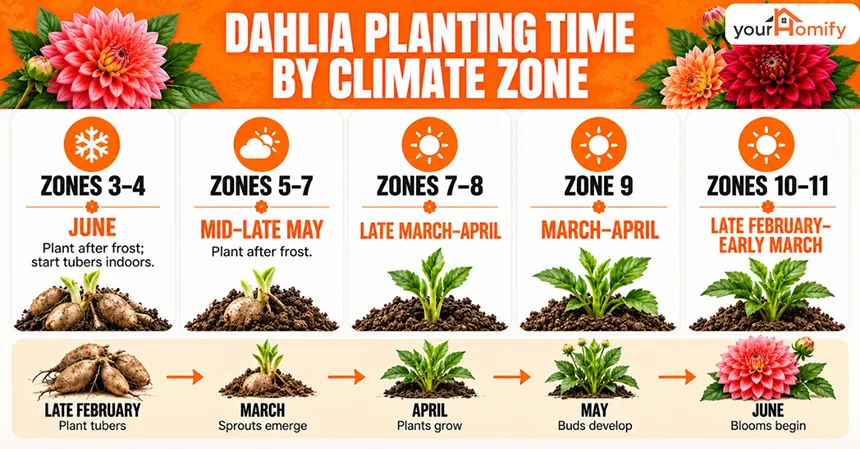
The best time to plant dahlias is mid to late spring, when all danger of frost has passed, and the soil temperature reaches up to 60°F. However, the exact planting time varies by your hardiness zone and the last frost date, which determines whether the soil is warm enough to grow these summer flowers.
Take a look at the best planting time for dahlias based on your climate zone:
1. Zones 3-4 (Extreme Winters)
Regions in zones 3-4 experience extremely harsh winters, with temperatures dropping as low as -30°F. Dahlias in these regions are best planted in early summer, around June, because the last frost date in these zones is around mid-April to early June. As the soil warms up pretty late due to the long frost window, you can start growing the dahlia tubers indoors in a pot and then transplant them outdoors after the soil warms up. This accelerates the root formation process.
2. Zones 5-7 (Cold Winters)
Zones 5-7 experience frost until late March to April, and their lowest frost temperatures drop to -20°F. Since the soil takes time to warm up after the danger of frost has passed, dahlias in zones 5-7 are best planted in mid- to late May. In case the temperature drops after you have planted the tubers, use row covers or cloches to protect new seedlings from harsh weather conditions.
3. Zones 7-8 (Moderate to Low)
Zones 7-8 have moderate to low-risk winters, and the soil warms up pretty quickly in those regions; therefore, the dahlia tubers/seeds can be planted directly in the soil without indoor planting. The best time to plant the dahlia tubers in zones 7-8 is from late March to April, which is also the estimated end of the frost window in the regions. Dahlias are known to be hardy in USDA zones 8-11.
4. Zones 9
The last frost date in zone 9 extends up to February to mid-March; hence, the best time for planting is March and April, as the soil warms up quickly and the region also does not experience harsh winters. The minimum winter temperature in zone 9 ranges up to -7°C.
5. Zones 10-11
The best time to plant dahlias in these zones is during late February to early March. The minimum winter temperature only drops to -1°C, and the frost window is pretty small. Therefore, you can start growing dahlias in early spring.
YourHomify Tip
The average last frost dates can also vary as per your own region even in the same hardiness zone. Therefore, it is important to
How to Grow Dahlias From Tubers and Seeds?
Growing dahlias from tubers ensures the exact variety that you want, while seeds are generally mixed with different types; hence, they can be a little misleading if you are aiming to grow a specific color or type. Tubers are also easier to grow than seeds due to the stored energy.
I have discussed both ways to plant a dahlia tuber so that you can choose the one that suits you:
Growing Dahlias From Tubers
Step 1: Take a clump of healthy dahlia tubers with an eye. This is the part that is responsible for the growth of the roots. You can choose either a cluster or a single tuber, as per availability.
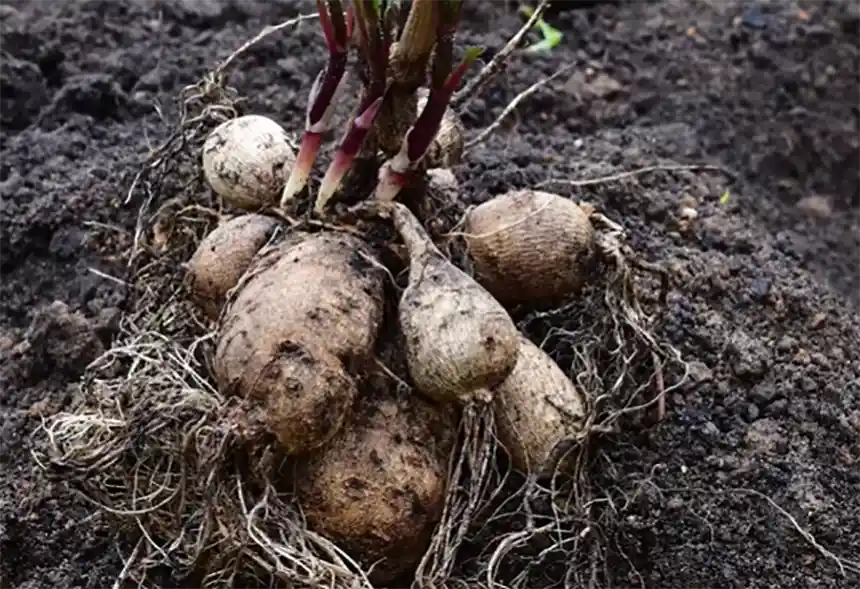
Step 2: Select a site that receives direct sunlight for 6-8 hours. Turn up the soil using a rake and dig 4-6 inch deep holes in the soil. You can also plant the tubers in a container outside if that is convenient for you. This makes transferring them indoors during winters easier.
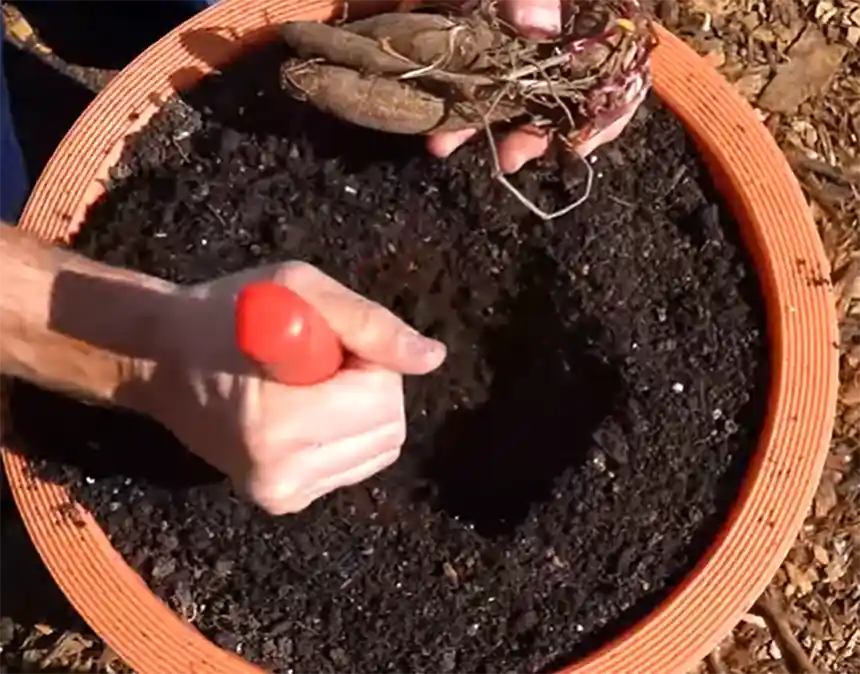
Step 3: Take your dahlia tubers and place them sideways in the hole. The reason for placing them sideways is to ensure that no fragile part of the tuber gets damaged, especially the eye, which is where the roots will grow from.
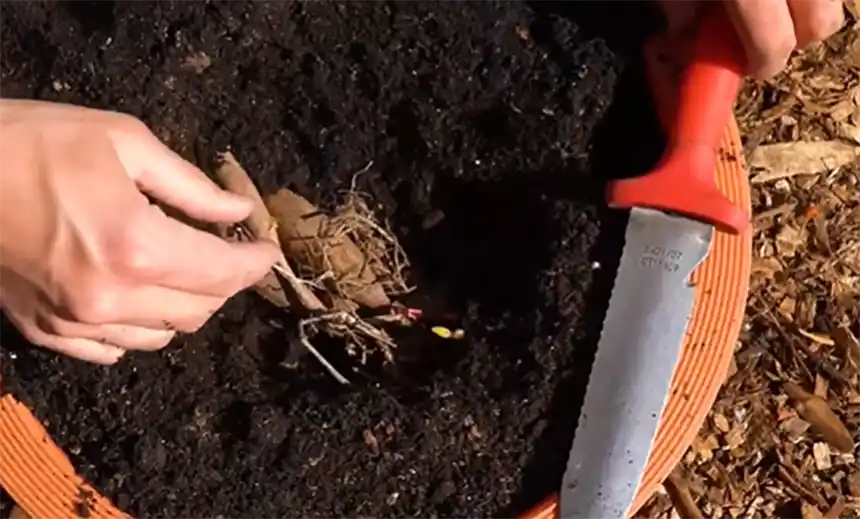
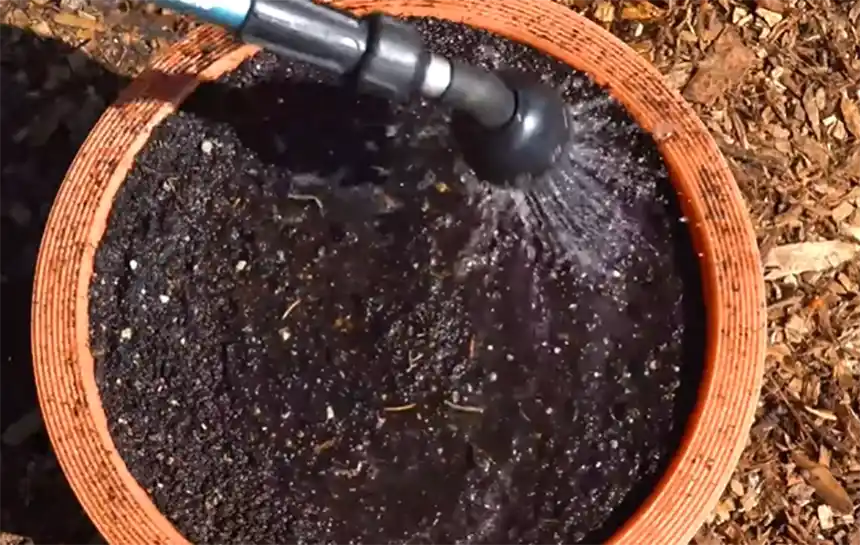
Step 4: Cover the hole with soil and make sure there are no air pockets. Moisten the soil thoroughly and make sure the plant receives 6-8 hours of direct sunlight throughout the growing season.
Growing Dahlias From Seeds
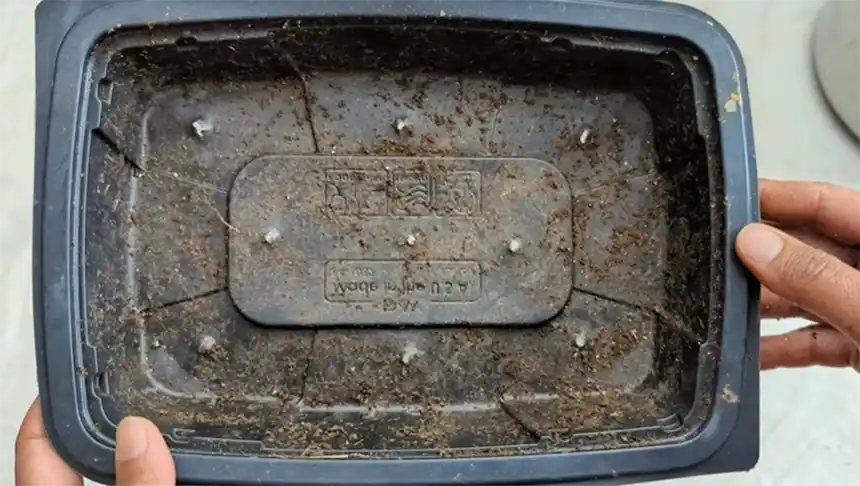
Step 1: Purchase a seed mix from your local nursery and prepare a container/pot with drainage holes.
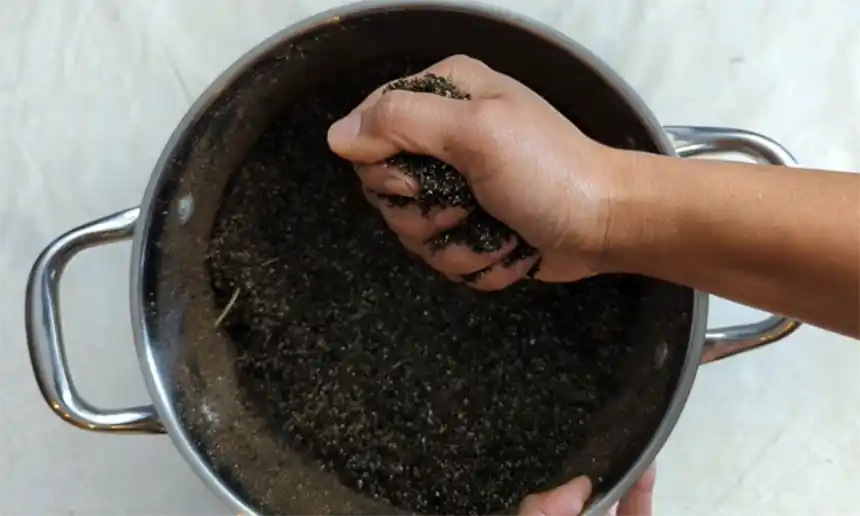
Step 2: Prepare a well-draining potting mix with a low-nitrogen seed-starting mix, with 2 parts peat moss for proper aeration and 1 part vermiculite. Mix it all well and place it in the container.
Step 3: Simultaneously, place the seeds on a paper towel, spray it with water, fold it in half, and seal it in an airtight plastic bag. This promotes the process of germination even before the seeds are planted in the soil.
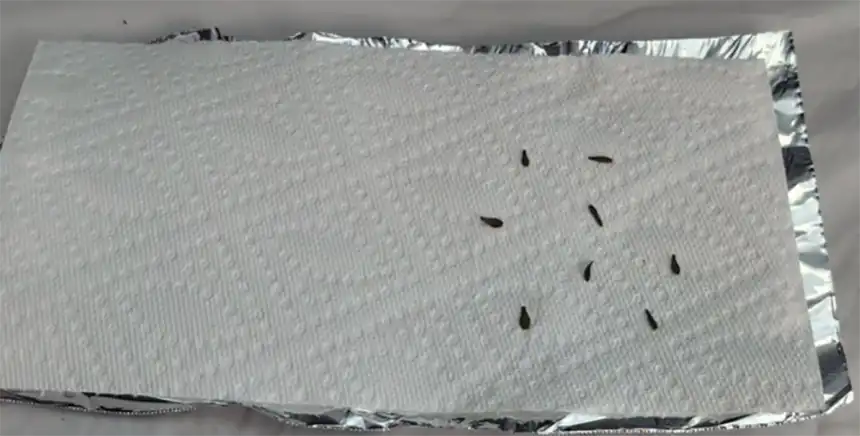
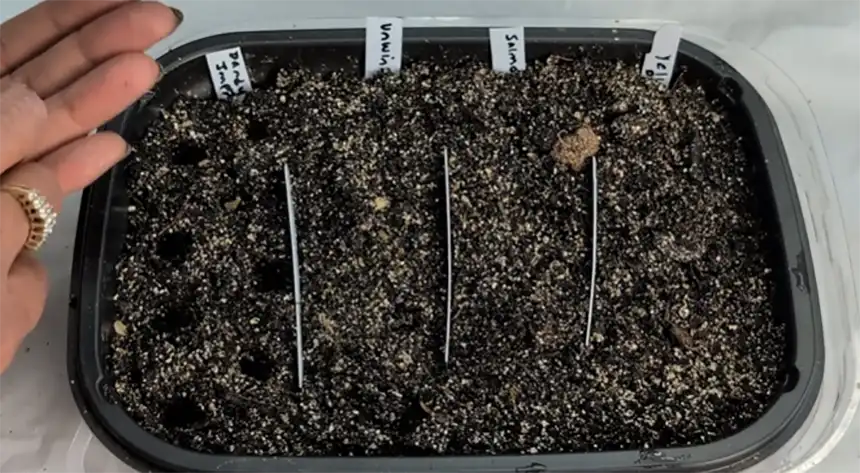
Step 4: After the seeds germinate in a week, transfer them into a pot of the prepared soil mix. Dig a 4-6 inch deep hole and place the soil. Cover them with the soil and make sure there are no air pockets. Water the soil thoroughly and place them under a grow light for at least 12-16 hours daily.
YourHomify Tip
Dahlias are tender perennials and cannot survive freezing cold temperatures. So, if you live in zones 3-7, I would recommend you to dig them up as fall approaches and place them indoors, as the frost might kill the plant.
Care Tips for Dahlia Flowers: Key to Healthy Blooming Flowers
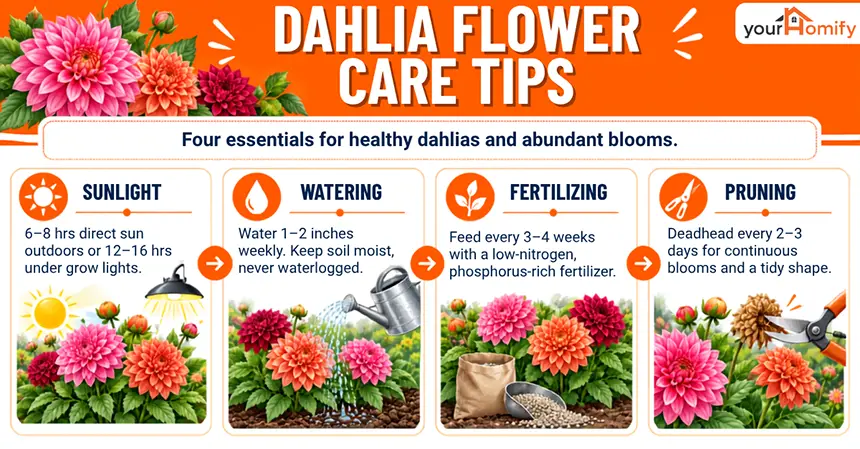
To care for dahlia flowers, make sure it receives 6-8 hours of direct sunlight when placed outdoors and 12-16 hours under grow lights indoors,, along with 1 inch of water weekly after the soil completely dries out, regular feeding with phosphorus-rich plant food, and weekly pruning for structural maintenance.
Here are some common care tips for the dahlia flowers:
1. Sunlight
Dahlias thrive in at least 6-8 hours of direct sunlight every day. The outdoor planted varieties should be receiving full sun exposure; otherwise, the stems might become a little leggy and stunted. If planted indoors, place them under grow lights, as it is often difficult to fulfill the sunlight needs of the plant, which makes it stretch out for proper sunlight, resulting in leggy stems.
2. Watering
1-2 inches of water per week is considered ideal for dahlia flowers. They are not drought-tolerant flowers and require consistent moisture to grow; hence, never leave the soil dry. Check the soil moisture using the 2-finger rule, and if it’s moist, wait until the soil dries out. This prevents any form of waterlogging and root rot.
3. Feeding/Fertilizing
Dahlias are heavy feeders and require a consistent dose of plant food every 3-4 weeks during the growing season to ensure healthy blooming flowers. The best fertilizer for dahlias is a low-nitrogen, high-phosphorus, and potassium plant food with an NPK ratio of 10-20-20. Follow the package instructions while feeding the plant to prevent root burn due to overfeeding, and stop fertilizing as the fall approaches. The plant enters a period of dormancy in fall, and feeding during that time can stress the plant.
4. Pruning
Deadheading the dahlia flower every 2-3 days is considered ideal for its weekly care. Snip off the spent blooms as soon as you spot them using pruning shears. Pruning helps not only in maintaining the shape of the plant but also redirects the energy of the plant towards flower production and not seed production.
Pest Infestations That Affect Dahlia Flowers
Some common pest infestations in dahlia flowers are aphids, slugs, earwigs, and leafhoppers. The main reason for such pest attacks in overly moist conditions and poor care. Damp soil attracts pests like slugs and earwigs, which can cause irregular patterns on leaves to stun growth.
Take a look at this table for a proper analysis of pest infestation in dahlias, with their symptoms and their solutions:
| Pest | Symptoms | Solution |
Aphids 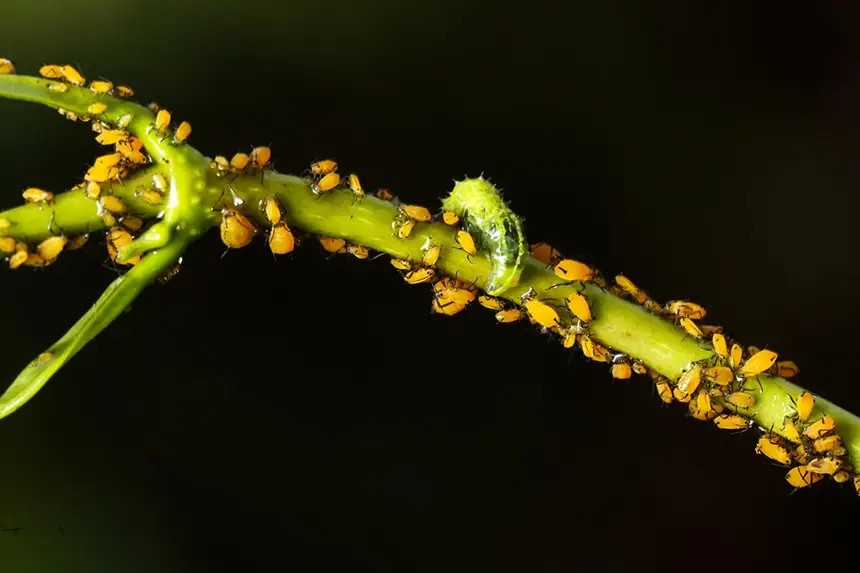 | Aphids are sap-sucking insects and cause yellow and wilted leaves along with irregular patterns. | Water treatment with a garden hose and application of an insecticidal soap. |
Earwigs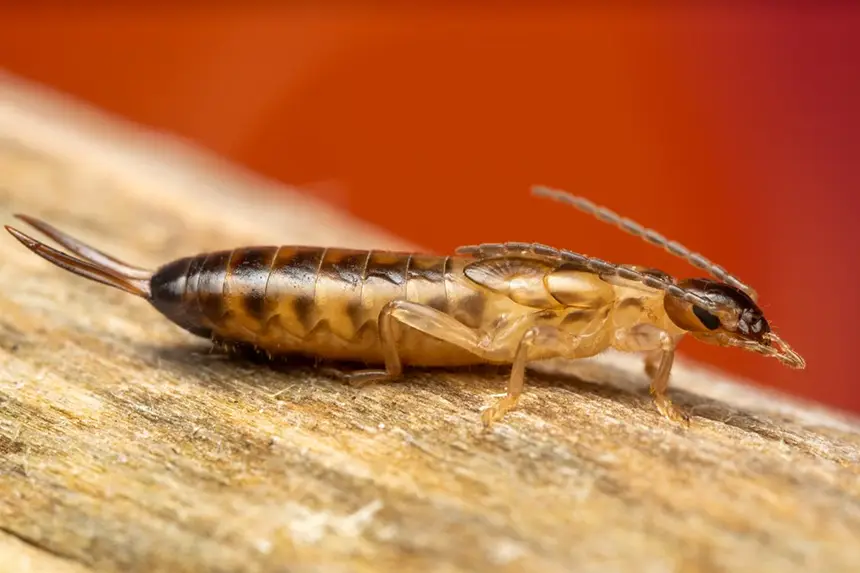 | Small holes on the lead surface, usually in the seedling stage as the tender leaves are easier to feed on. | Remove mulch around the plant, as moisture can attract these pests. You can also create traps, such as applying newspaper traps for them and discarding them in soapy water afterwards. |
Slugs 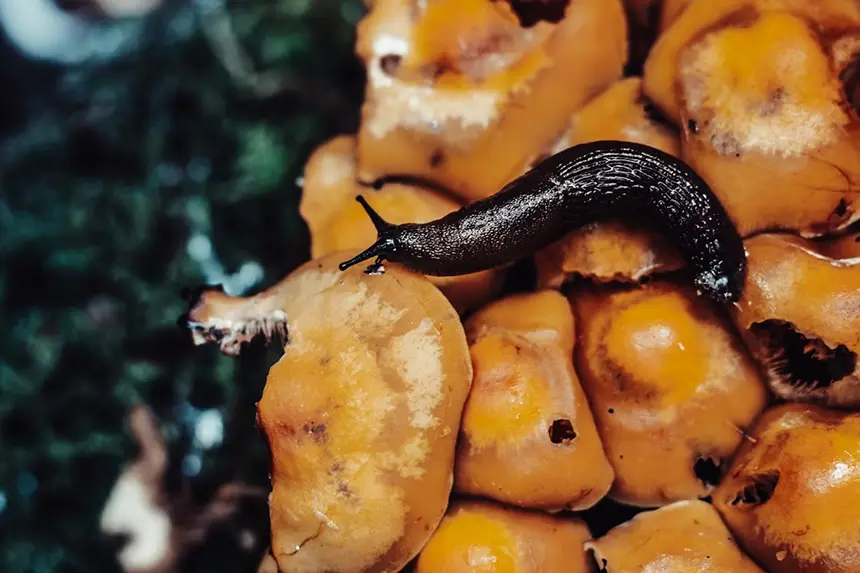 | Irregular small holes along with a slimy residue. | Hand-pick them manually and apply barriers like copper tape, which prevents them from crossing the barrier. |
Leafhopper 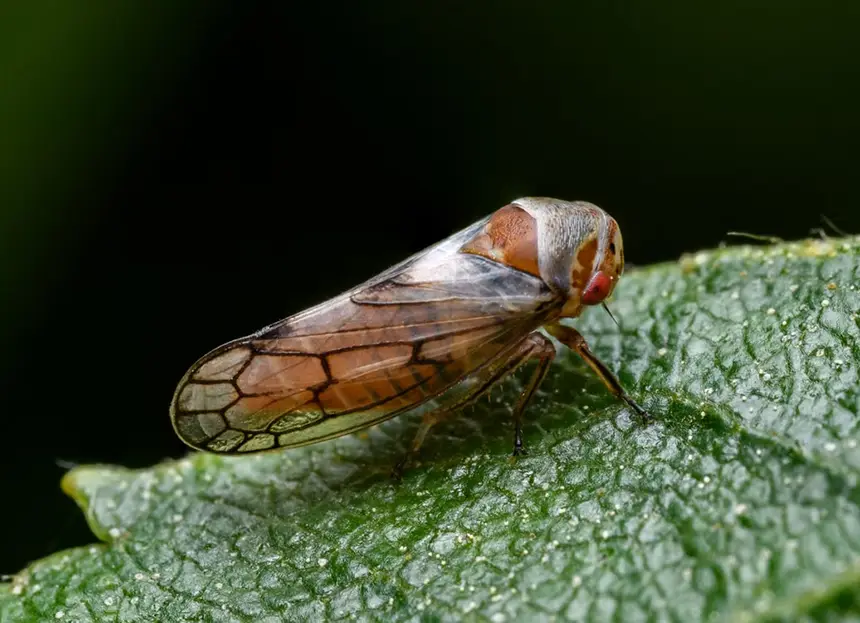 | Leaf discoloration, curling up, and browning tips. | Treat them using insecticidal soap and neem oil. |
How to Harvest Dahlia Flowers? Best Time and Technique
The best time to harvest the dahlia flowers is in the early morning, as flowers have the highest moisture content, leading to a long vase life. To harvest them for cut flowers, start by selecting the blooms that are 75% open and cut them using garden scissors right above a node. Make sure the length of the stem is no less than 12-16 inches. Afterwards, place them in a flower vase with flower food. They can easily last you a good 2 weeks with proper care.
Take a look at the harvesting guide for the dahlia flowers:
Step 1: Bloom Selection
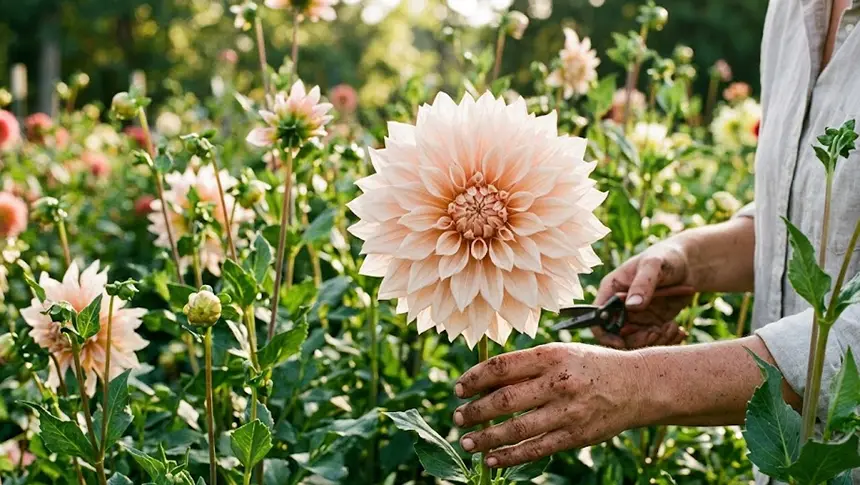
Pick the dahlia blooms that are at least 75% open to ensure they stay healthy in the vase. Harvesting too soon will prevent them from blooming completely, and harvesting too late will lead to a shorter vase life.
Step 2: Pick and Cut a Stem
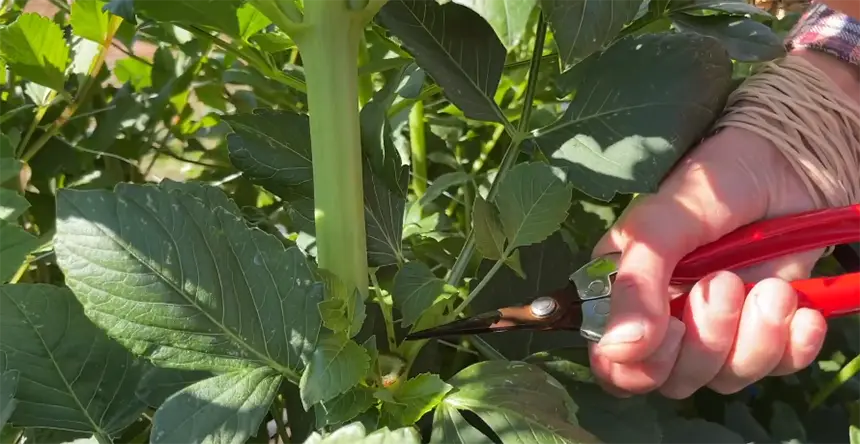
Take a pair of garden scissors and choose a spot just above a node for cutting. I would recommend cutting at least 12-16 inches. One simple trick is to measure from elbow to fingertip for an accurate length. Make a clean cut using the garden scissors and trim off all the lateral leaves to avoid submerging leaves in water when placed in a vase.
Step 3: Place in the Vase
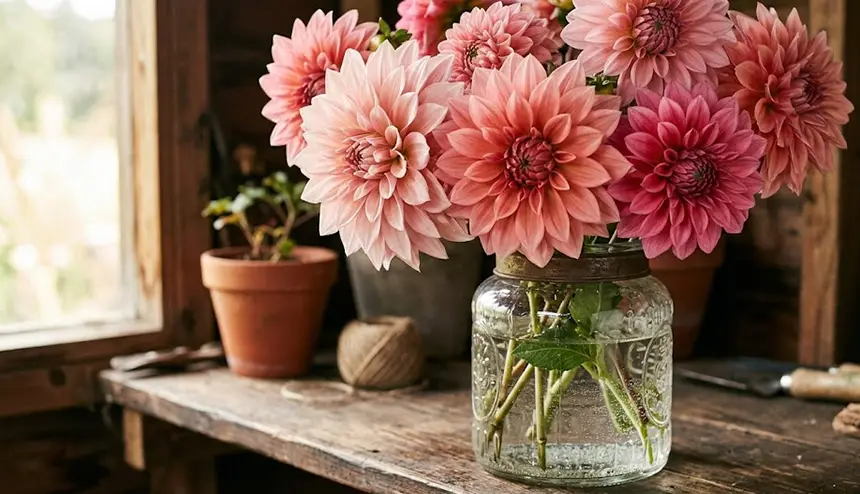
Place these flowers in a flower vase with flower food, away from direct sun exposure. They can last up to 2 weeks and more with proper care.
YourHomify Tip
Flower food provides the cut flowers with the essential nutrients that they require to stay fresh and healthy. You can either purchase it from your local nurseries or prepare it at home.
Common Problems While Growing Dahlias With Their Solutions
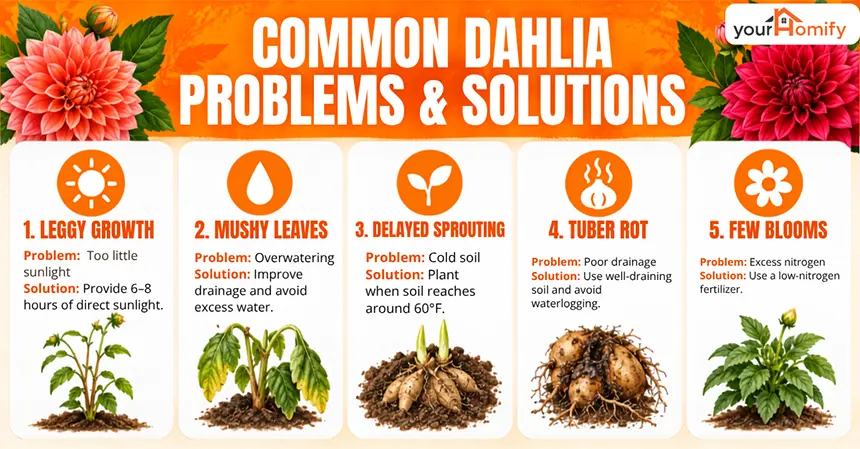
Common problems while growing dahlias are leggy/mushy leaves, delayed sprouting, limited flower growth, and tuber rot. These issues are caused by simple gardening mistakes like overwatering, improper care, and incorrect feeding, which are often overlooked by gardeners.
I have discussed the common problems while growing dahlias along with their solutions:
1. Leggy or Mushy Leaves
Leggy or mushy leaves are common in dahlia flowers due to improper sunlight and overwatering, respectively. Inadequate sunlight makes the plant stretch out its stems, making it leggy. Similarly, overwatering causes mushy leaves because damp soil can cause cell death and suffocate the roots.
Solution: These flowers need consistent sunlight and watering to thrive. 6-8 hours of direct sunlight and 1 inch of water weekly. If placed indoors, you can place them under grow lights for 12-16 hours every day for adequate light exposure.
2. Delayed Sprouting
The dahlia tubers take at least 2-4 weeks to sprout in ideal growing conditions, and many times this is delayed due to inadequate soil temperature, overwatering, and limited sunlight. Cold soil temperature can keep the tuber/seeds in dormancy, inhibiting root formation.
Solution: Make sure the soil temperature while planting is consistently 60°F. You can use a soil thermometer for accuracy or only plant when the danger of frost has passed completely. Check the average first frost date by entering your ZIP code on the National Gardening Association.
3. Tuber Rot
The dahlia tuber is permeable and can absorb moisture easily from the soil. This feature makes the tuber susceptible to rot. Overwatering combined with the use of heavy clay soil, which holds moisture and causes waterlogging, eventually rots the tuber.
Solution: Plant the tubers in well-draining soil, mixed with organic matter and compost for proper drainage and aeration. Only 1 inch of water per week is sufficient for dahlias, and always check the soil moisture before watering.
4. Limited Flower Growth
These Mexican flowers also face the issue of limited bloom growth and excessive foliage due to high nitrogen content in the soil. Nitrogen promotes the growth of leaves.
Solution: Use a low-nitrogen, phosphorus fertilizer for feeding dahlias. This will help promote the growth of flowers. Also ensure that the plant is receiving 6-8 hours of direct sunlight without fail.
Concluding Remarks
Conclusively, the best time to plant dahlias is around mid to late spring, which is from April to May, since the flowers are hardy to zones 8-11. However, the right time to plant these Mexican flowers can vary depending on your specific zone.
Ideally, you should wait until the danger of frost has passed and the soil has warmed up to 60°F. I would recommend starting indoors before the last frost date and transplanting once the soil temperature is appropriate. Dahlias are easy to grow with direct sun exposure for 6-8 hours and consistent watering.
My advice to novice gardeners would be to check the soil temperature before planting to avoid further deterioration.
FAQs
What should not be planted near dahlias?
Plants with aggressive growth, like mints, and shade-loving plants, like hostas, should not be planted near dahlias because aggressive growers will take up the space of the dahlias, inhibiting their growth, and shade plants can block the direct sun exposure it requires.
Do dahlias come back every year?
Dahlias are tender perennials and cannot tolerate freezing temperatures. They will only come back every year if you dig them up and place them indoors until the danger of the frost has passed.
Are dahlias better in pots or in the ground?
Dahlias bloom better when placed directly in the ground. Ground-planted flowers are manageable and grow stronger blooms because the moisture retention is much better in the ground than in containers
Should I soak my dahlia tubers before planting?
It is not necessary to soak the tubers before planting, as the fresh and heavy ones contain enough moisture for growth. However, dipping them in lukewarm water for 30 minutes, especially if they feel dry and wrinkled, would do no harm.
What are the common dahlia growing mistakes?
Some common dahlia growing mistakes are incorrect planting depth, improper watering, and no proper structural support for the taller varieties. Make sure the tubers are placed at least 4-6 inches deep and are provided with 1 inch of water weekly, along with bamboo stakes for proper support.
- How to grow dahlias– BBC Gardeners World