I still remember the first time I saw cherry blossoms covering an entire street in Japan – pink petals floating down like snow. That’s exactly when I decided to explore Japanese flowers. As per my research, the flora of the country is not just beautiful but also carries deep symbolic meanings.
A cherry blossom signifies the short lifespan while a camellia is used to express admiration and devotion. The meaning changes with the color and people use them in different occasions either for gifting or decor. Trust me when I say this, all Japanese flowers are extremely breathtaking.
So in this list, I am taking you through 21 of my favourite Japanese flowers – what they look like, their meaning and how you can use them to convey your emotions. Get ready to curate your own bouquet!
Quick Answer
As per hanakotoba, the Japanese flower language, each flower carries deep meaning. Some popular blooms such as sakura (cherry blossom), ume (plum blossom), botan (peony), kiku (chrysanthemum and fuji (wisteria) are widely grown in large landscapes.
They are used for gifting or floral decorations. Many species have medicinal properties and some are also used for culinary purposes.
What Do Japanese Flowers Mean? Hidden Meaning and Symbolism
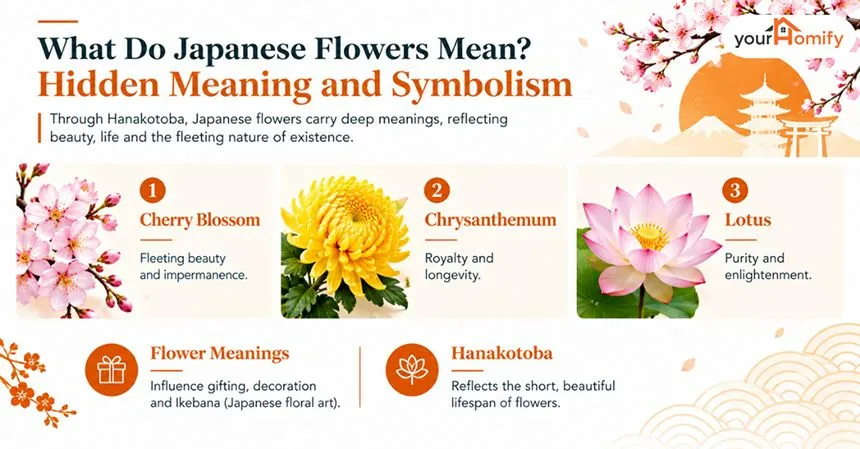
Each Japanese flower carries a symbolic meaning shaped by hanakotoba. Cherry blossom means fleeting beauty, chrysanthemum represents royalty, lotus stands for purity, and so on.
Did you know that Japanese flowers have their own secret vocabulary? Interesting right? I still remember the first time someone told me that a flower has its own meaning in the Japanese floral language.
Hanakotoba, which literally means “flower words” is a traditional practice of giving a bloom one or more meanings based on which they are chosen for gifting or decorations. There are many Ikebana schools that still teach flower meaning.
I like how this concept teaches to value the transitory lifespan of a flower. For example – Cherry Blossoms are loved for their appearance but they are highly valued for their short lifespan.
21 Stunning Japanese Flowers For Your Garden
Twenty one flowers, twenty one secret messages! Below are 21 Japanese flowers that have been quietly saying “ I love you”, “stay strong”, or “get well soon”. From Sakura (cherry blossom) and Tsubaki (camellia) to Ume (plum blossom) and Butan (peony), quickly check out the list and see what each bloom has to say.
1: Sakura (Cherry Blossom)
- Meaning – Fleeting life, beauty, and renewal
- Blooming Season – Mid march to first few weeks of May
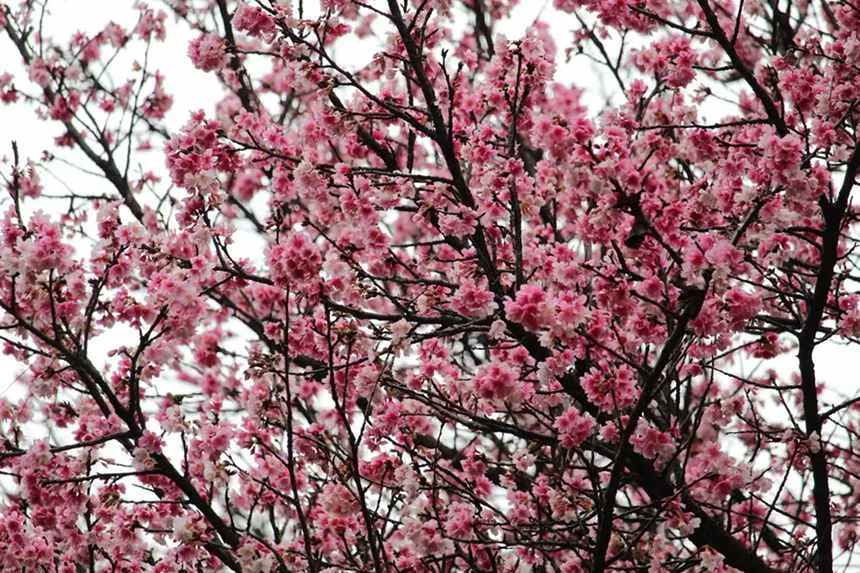
Imagine walking down a quiet street in Tokyo, and suddenly the entire path is covered in soft pink petals – that’s sakura season!
Your trip to Japan is incomplete if you haven’t seen cherry blossoms. Historically speaking, sakura represented the brief yet colorful life of the warriors in Japan. An annual event – Hanami – also called “flower viewing” used to take place in the country where farmers used to pray under the cherry blossom trees for a successful harvesting season.
According to the BBC United Kingdom, there are around 1 million cherry trees in Japan and they hold a deep cultural significance.
2: Ume (Plum Blossom)
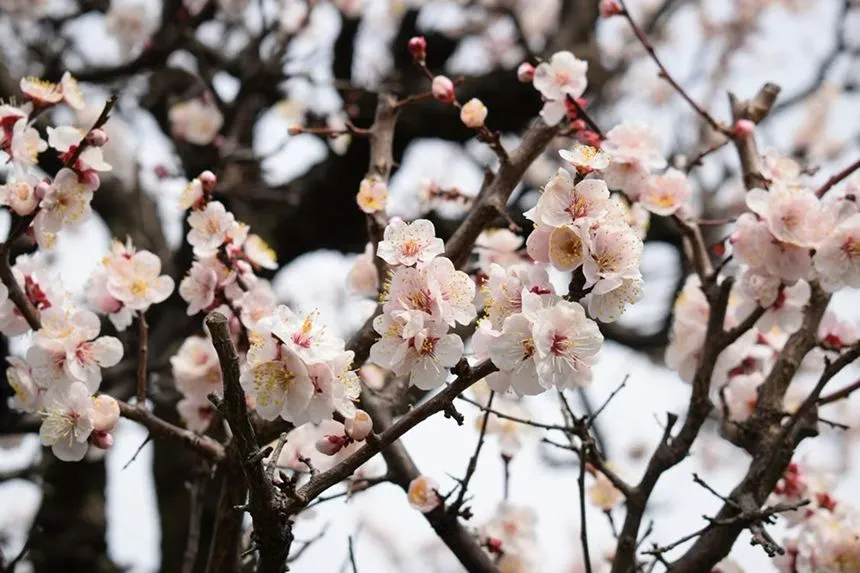
- Meaning – Hope, fresh beginnings, arrival of spring
- Blooming Season – Late winter to early spring
Ume is also called as Japanese Plum or Plum Blossoms. The more I read about this flower, the more I wish to appreciate its beauty and nature. Blooming through the frost season, it is surely getting way less credit than it deserves.
The white, soft pink flowers of this species have an extremely intoxicating fragrance. Despite their name, ume are more closely related to the apricot family. When all the other Japanese flowers go dormant, you will notice beautiful ume flowers blooming profusely which is why they are associated with hope, resilience, perseverance, and fresh beginnings.
3: Tsubaki (Camellia)
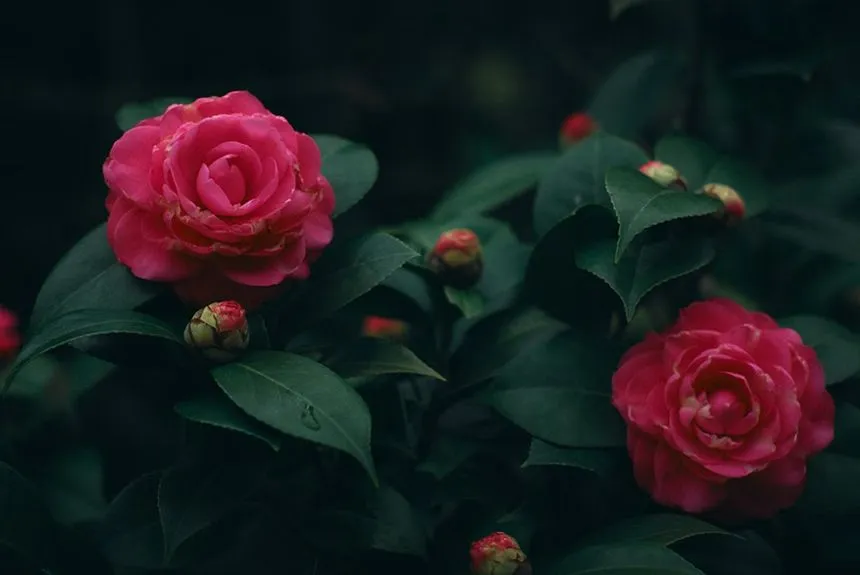
- Meaning – Admiration, devotion, perfection, and noble death
- Blooming Season – Winter to early spring (Dec – April)
The red camellia – a stunning Japanese flower – is the most commonly growing bloom of the country which typically means “in love”. It represents devotion and admiration. Rather than wilting petal by petal, tsubaki has a habit of dropping the entire bloom at once. In samurai culture, this was associated with warriors’ heads falling in the battle which meant an honorable death.
I personally have little inclination towards this flower. Non-toxic, visually appealing, easy to grow, can be used in skin and hair treatments, and ikebana flower arrangements – what’s not to love about tsubaki!
4: Botan (Peony)
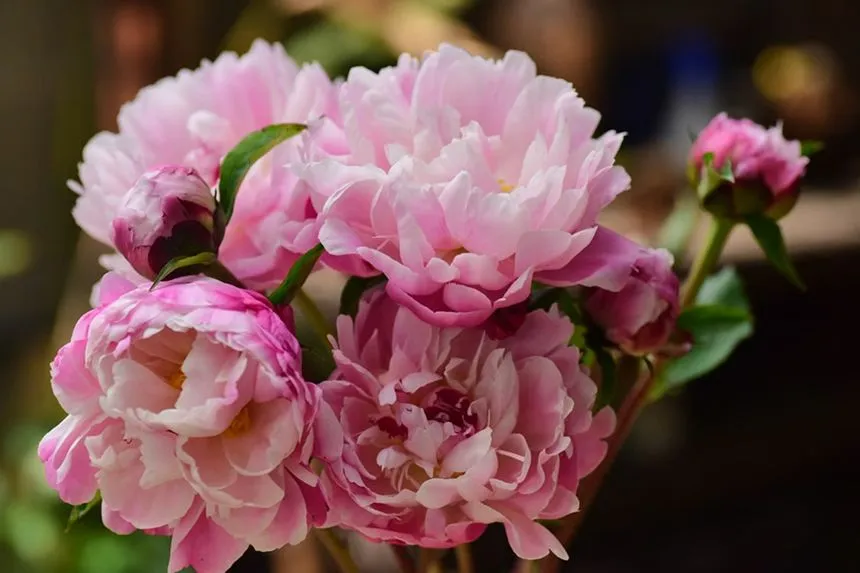
- Meaning – Honor, wealth, bravery and sometimes feminine beauty
- Blooming Season – Late spring (April to June)
Honestly, you cannot ignore botan flowers. It has fully layered petals that are so tightly packed that it makes the flower look so dense. Also known as the “king of flowers” in Japan, botan was originally used for its medicinal properties, before it became a garden favourite. Symbolically speaking, the bloom represents honor, wealth, and bravery.
I usually pair them with Tsubaki flowers when gifting as both are associated with strength and resilience. You can easily find botan in a variety of color shades. They are slow growing flowers and prefer full sunlight with fertile soil type.
5: Kiku (Chrysanthemum)
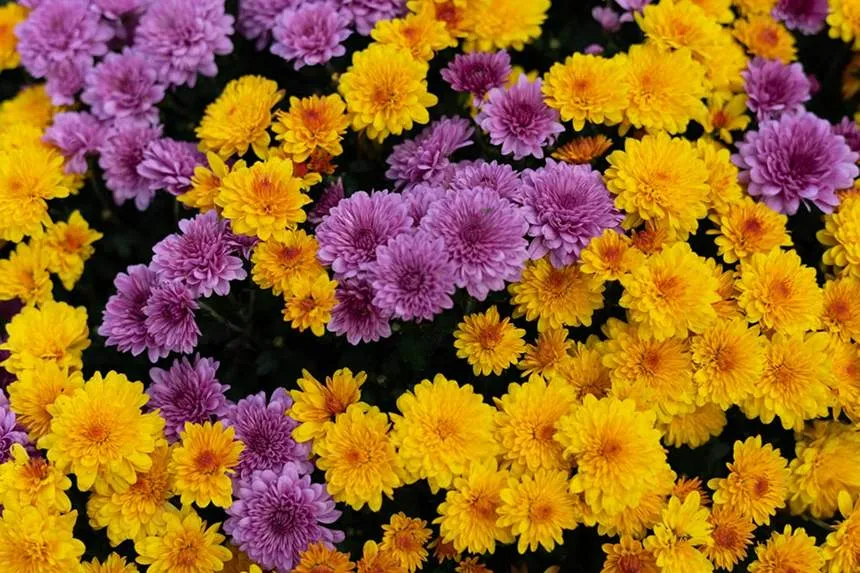
- Meaning – Longevity, rejuvenation, nobility
- Native Region – Originated in China
Out of all the Japanese flowers, kiku is known to hold the highest honor. It is the emblem of the Imperial family and is printed on the Japanese passports. Bloom from late summer to autumn, kiku is used for gifting and floral arrangements.
To my surprise there is an entire national holiday – Chrysanthemum Day (kiku no sekku) dedicated to this bloom, every September 9th. But here is the plot twist: make sure you do not use white chrysanthemums for happy occasions as they are mostly used in funerals.
Same flowers, different color shades – different occasions, amazing right? There are many different cultivars of this flower and all of them are extremely low maintenance.
6: Fuji (Wisteria)
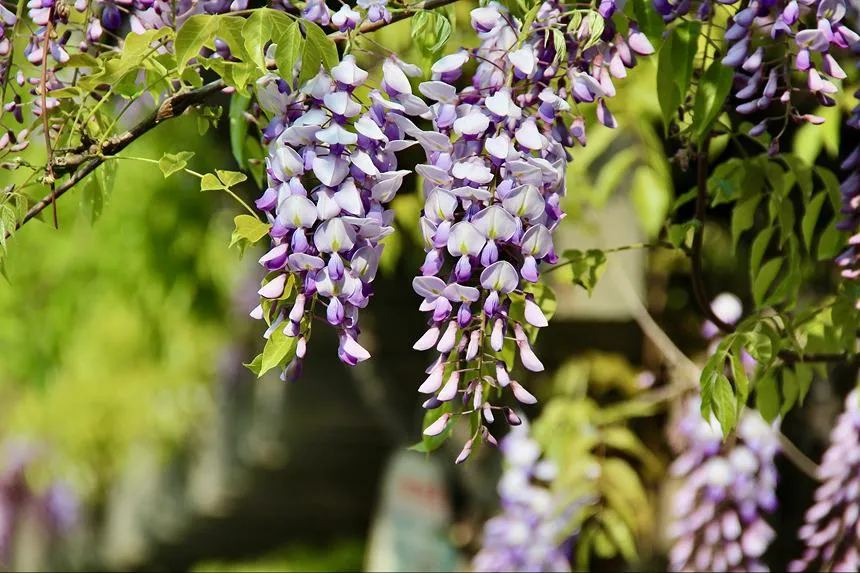
- Meaning – Love, elegance, grace, and sensitivity
- Growth and Care – Cascading, droopy growth and minimal care
To me this flower is truly unreal! The cascading, droopy effect of the blooms makes it one of the most loved blooms in Japan. It features purple and lavender flowers that grow perfectly well in USDA hardiness zones 5-9. Proper sunlight, moderate watering, and organically rich soil are its only needs.
One thing that I personally do not like about this Japanese flower is its pruning requirements. If you are adding this to your garden, always keep pruning shears handy because of its aggressive growth. Want to express enduring affection to someone without words? Gift them fuji flowers and you are good to go!
7: Ajisai (Hydrangea)

- Colors Available – Pink, blue, yellow, lavender, white, and purple
- Meaning – Gratitude, heartfelt emotion, lasting love
In Japan, the month of June is called the Ajisai month. These flowers announce the arrival of the rainy season and the gardens during this time of the year are a treat to sore eyes honestly. Hydrangeas are said to be native to Japan and China and its history traces back to 40-65 million years ago.
The color of the bloom depends on the acidity of the soil. Depending on the color, shades are the meaning of the flower. For example blue hydrangeas mean love and admiration while the white ones represent purity and innocence.
I was surprised to know that this Japanese flower is poisonous for humans and animals and still the roots of the flower are used for medicinal purposes to treat kidney pain. Why won’t anyone fall in love with this flower?
8: Hasu (Lotus)
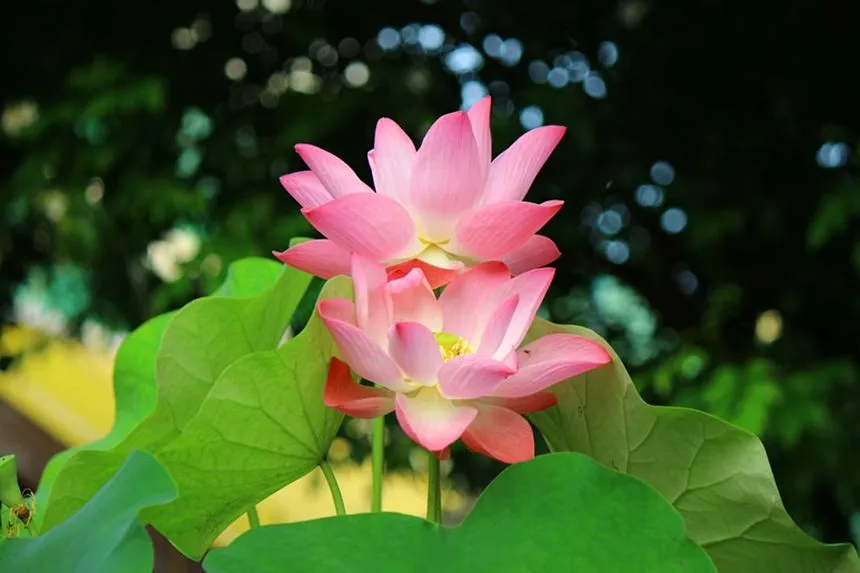
- Meaning – Purity of soul, rebirth, enlightenment
- Native Region – Temperate Asia (India, China, parts of Russia)
Hasu is the Japanese word for the sacred flower Lotus. In Buddhism, the flower stands for spiritual awakening and wisdom. Since it grows out clean through muddy pond water, many flora lovers associate the bloom with purity of the soul. Mid July to mid August is the best time to visit Japan if you wish to see this bloom. Because of its brief blooming period, the flower is known to symbolize estranged love.
Hasu is widely used in the Ohara Ikebana flower arrangement. Obviously you can never go wrong with a flower which looks stunning and is so eye-pleasing.
9: Asagao (Morning Glory)

- Bloom Time – Summer (July to September)
- Native Region – China and Japan
The literal meaning of the word Asagao in Japanese is morning face. It is also the name of a fast-growing Japanese flower, morning glory. This annually growing, climbing vine flower is said to be the iconic symbol of summer in Japan. The bloom quietly opens up in the early hours of dawn and curls inward by the afternoon.
Initially, morning glory was used to make herbal medicines. Later in art and literature, the short blooming time of the flower was associated with fleeting, transitory nature of life.
10: Himawari (Sunflower)

- Meaning – Adoration, purity, trust, and loyalty
- Growth and Care – Tall upright growth and moderate care needs
Honestly, before this, I only heard the name Himawari in a famous Japanese cartoon series! The sunflower, also known as Himawari in Japan, is an annual upright flowering species which is appreciated for its vibrant yellow color. No wonder this flower symbolizes positivity, warmth, joy, and happiness.
I love how every single part of this flower is usable. From its leaves and seeds, to the petals and stems – you can make so much out of it. Under proper sunlight, moderate soil conditions, and regular watering, Himawari grows profusely.
The rest of the Japanese flower list is added in the table below. Although many traditional flowers originated in other countries, they never fail to represent the art and culture of Japan. Let us quickly explore 11 more Japanese flowers.
| Flower Name | Image | Description |
| Yuri | 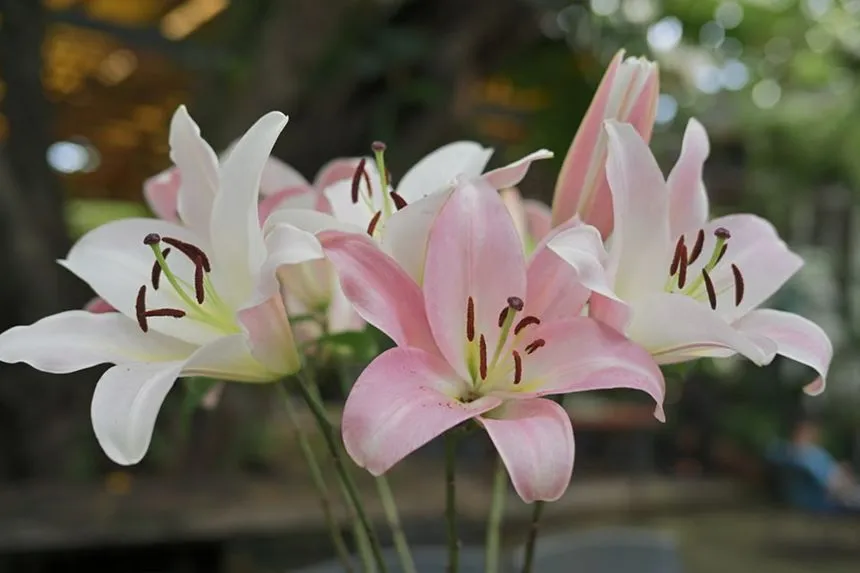 | Yuri is the Japanese name for Lily. It blooms from June to August and represents purity in wedding decorations. |
| Kinmokusei |  | You can smell this flower even before you see it. Kinmokusei is the Japanese word for orange osmanthus, a fragrant autumn flower. |
| Sumire | 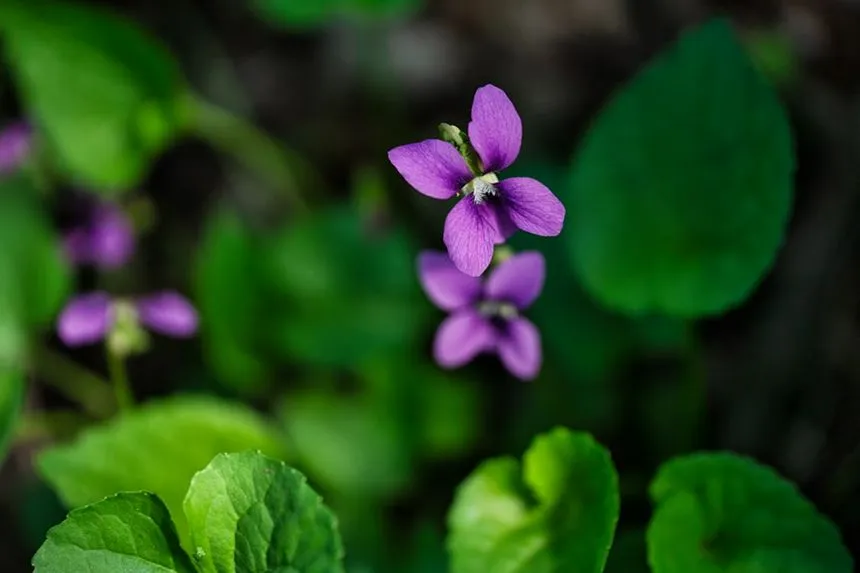 | Sumire, also known as Violet, are abundantly found along the roadside in Japan. They are the symbol of understated love. |
| Hanashobu |  | Japanese Iris, hanashobu, typically grows in early summer and is often found in many different hues such as purple, blue, white, lavender, and even bicolor. |
| Kosumosu |  | Just by name I could tell that it is cosmos. Representing harmony, peace, love, it is a perfect fall flower and grows profusely in large fields. |
| Higanbana | 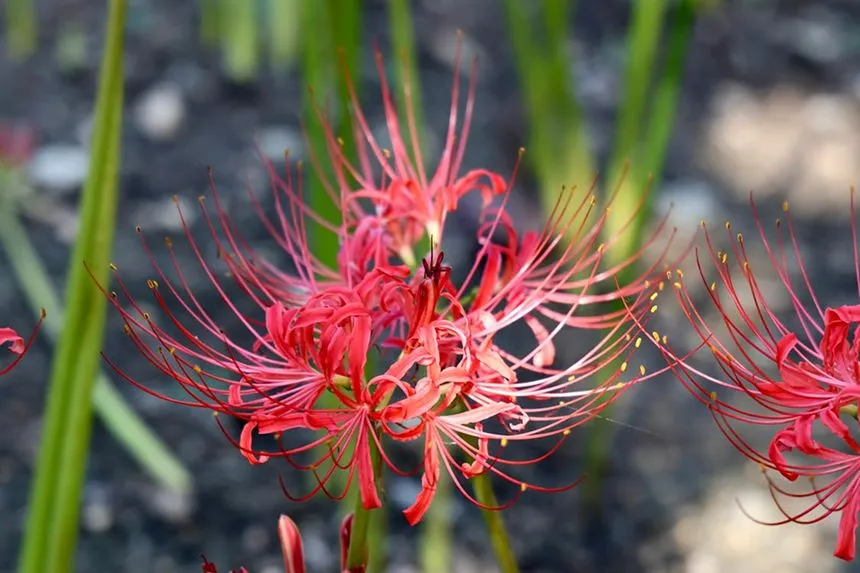 | Higanbana is a red spider lily, a striking Japanese red flower that grows near the riverbanks. It is highly toxic and is used to repel moles and mice in the paddy fields. |
| Momo | 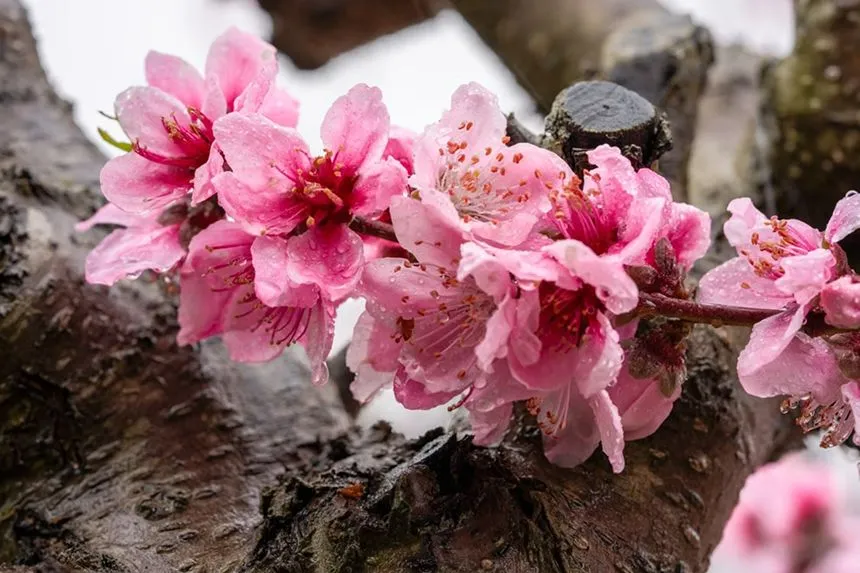 | Not the one you eat – momo is the Japanese word for the flower peach blossom. It blooms in spring from March to April and bears stunning and ornamental pink flowers. |
| Sakurasou |  | Japanese primrose usually grows in moist meadows or along streams. The blooming period from April to May and the flower represents desire and long-lasting love. |
| Bara | 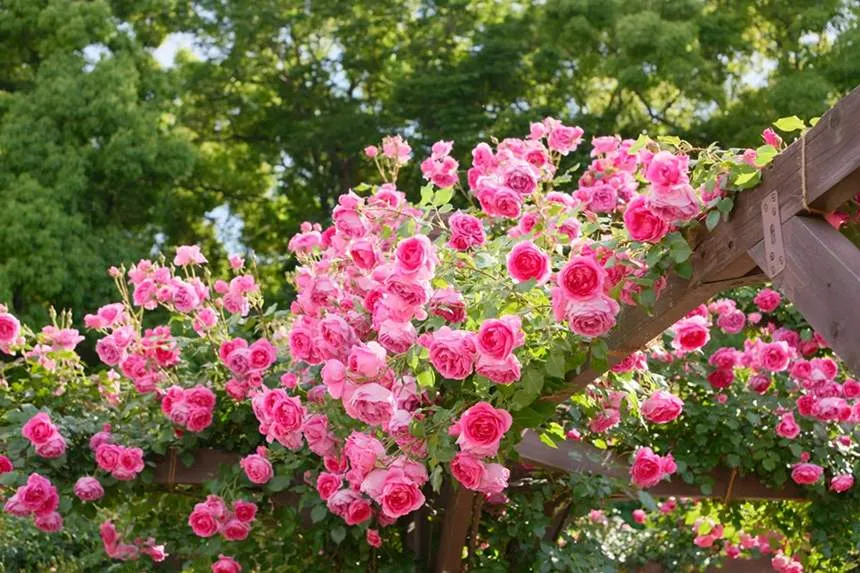 | Bara stands for rose in Japan. The flower is not native to the country but some of the most breathtaking hybrid varieties have been cultivated here. It is often used for gifting to express love, passion, and desire. |
| Nadeshiko |  | Signifying pure love and an ideal japanese woman, nadeshiko is the japanese name of dianthus. It has delicate petals and deep cultural significance in the country. |
| Shidekobushi |  | One of the most beautiful flowers native to Japan – Star Magnolia, also called shidekobushi, is used to express respect and gratitude. |
Top 10 Japanese Trees or Shrubs
Here, I have curated a list of 10 notable Japanese trees or shrubs. Each of these have cultural significance and are loved by both locals and tourists.
1: Matsu (Japanese Pine)
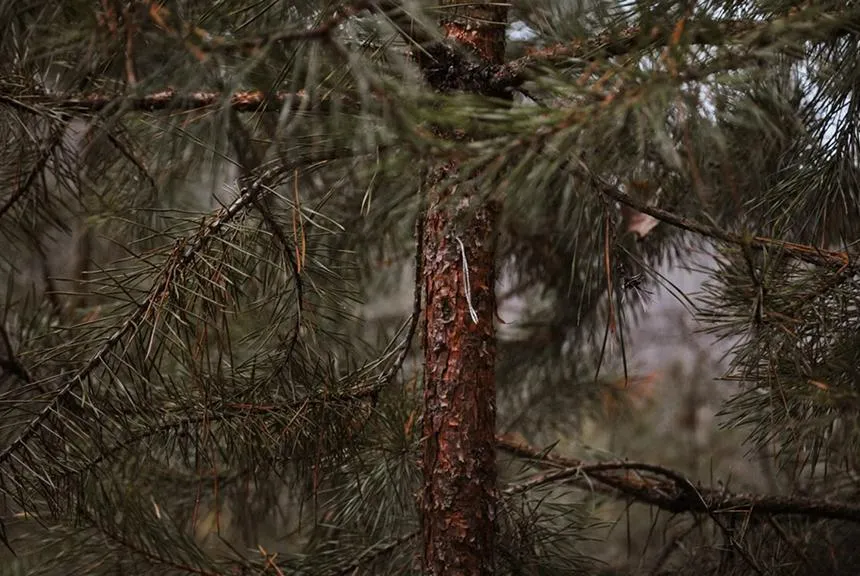
Matsu is the Japanese word for evergreen pine trees. It is commonly found in gardens. You will also see them in paintings and literature representing eternity and endurance. During the new year, locals pair it with bamboo and plum to welcome good fortune.
2: Sakura (Cherry Blossom)
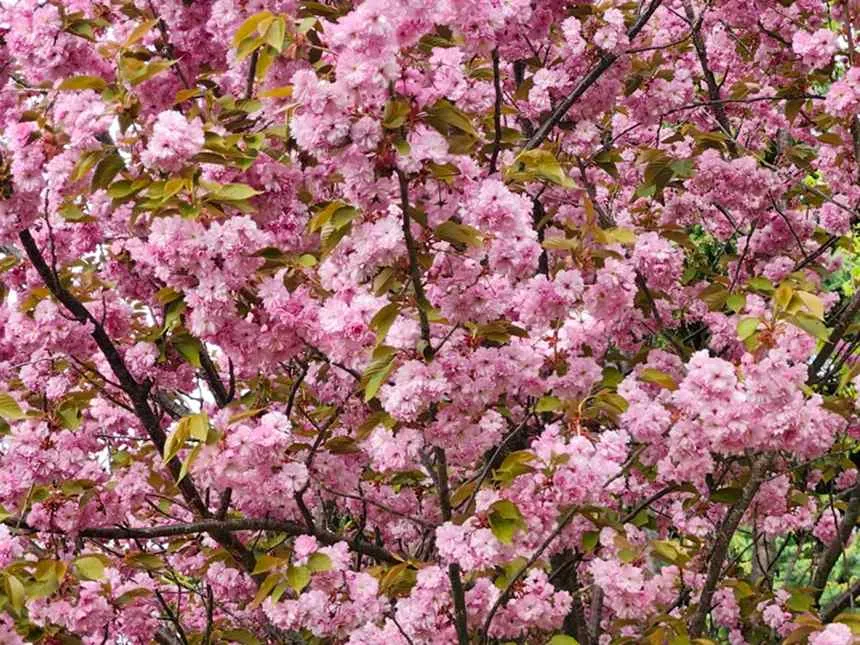
By now you know that Sakura is the most iconic tree of Japan. From creamy white to deep pink flowers, I have witnessed both the hues and it looks absolutely mesmerizing. The tree is said to be the symbol of spring. There is no doubt that it is the national flower of Japan.
3: Momiji (Japanese Maple)
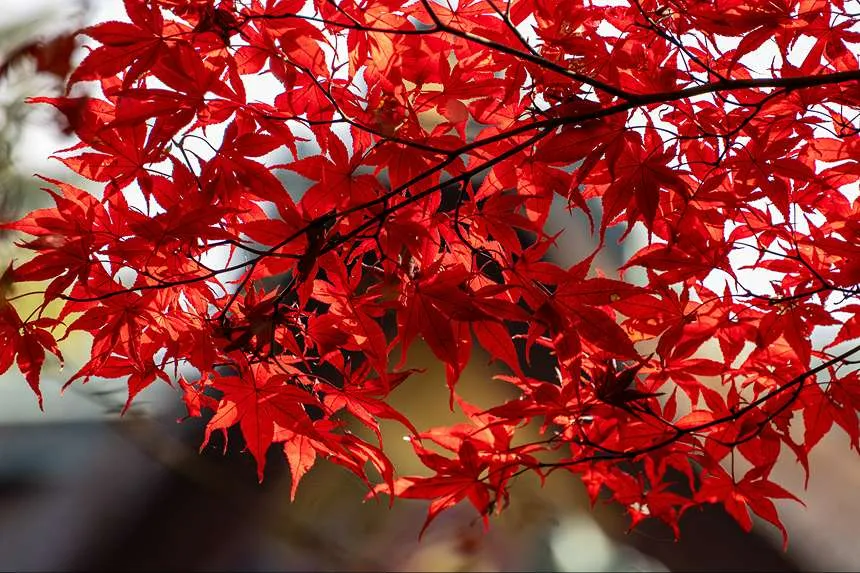
Momiji is the Japanese word for both the maple tree and the vibrant orange red leaves produced by the tree during fall. It announces the arrival of autumn. The tree is linked to grace and the changing nature of life.
4: Sugi (Japanese Cedar)
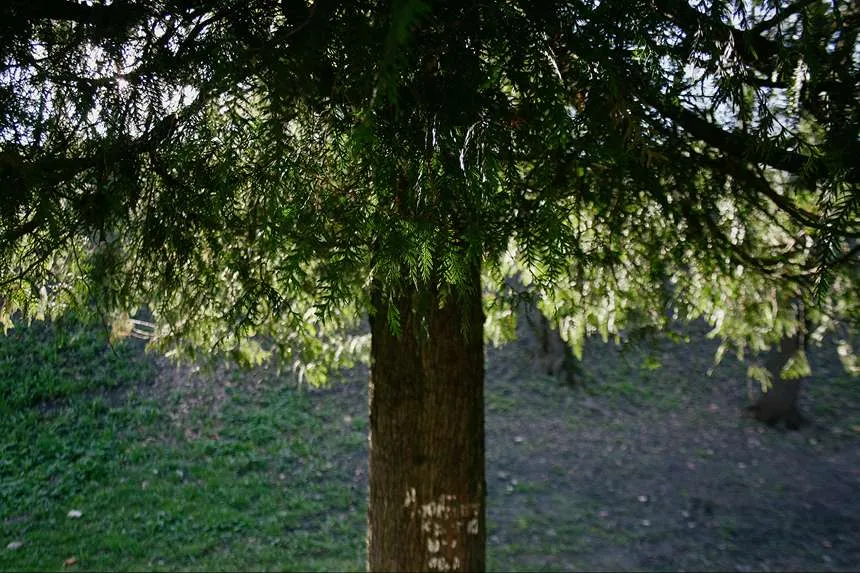
Sugi is a giant coniferous tree, native to Japan. It is also called the country’s national tree and is used in construction. The species is considered sacred and you will often find them near temples and shrines. Many sugi trees have lived for centuries and some even for millions of years.
5: Take (Japanese Bamboo)
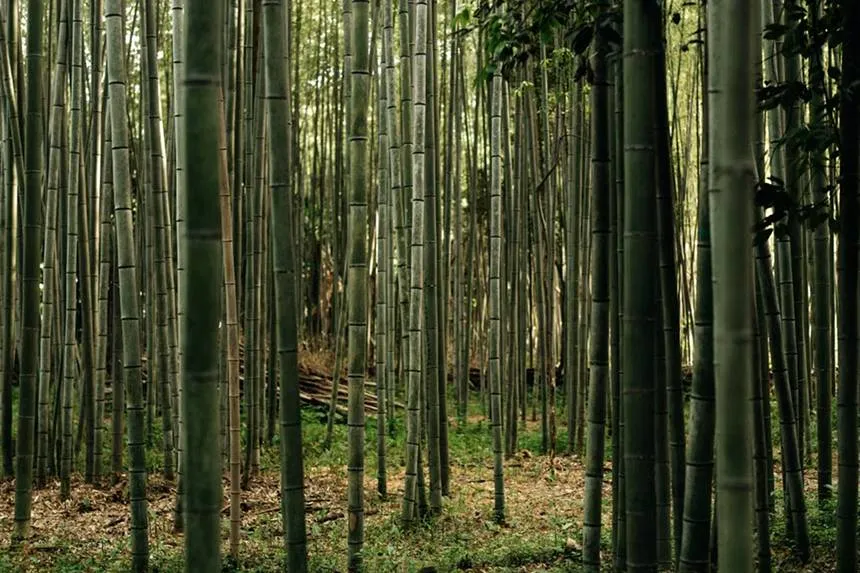
Take, the Japanese bamboo tree is actually a fast-growing woody grass. It is treated as a tree across the country because of its slender green stalks. Many varieties of this tree are used as border hedges or privacy screens. In Japanese culture, take represents flexibility, prosperity, and unwavering strength.
6: Ichou (Ginkgo Tree)
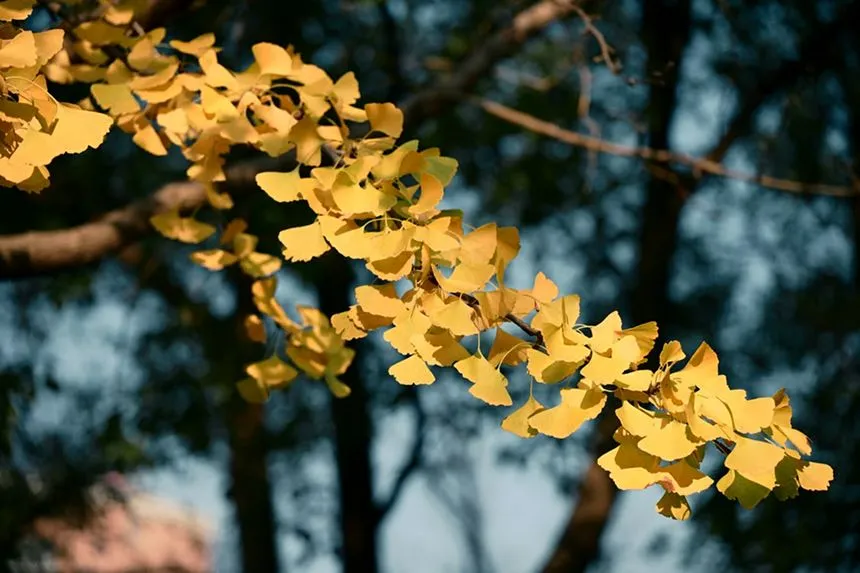
Ichou, better known as ginkgo tree, features fan-shaped leaves that turn golden yellow in autumn. The tree has a deep cultural impact in the country and is used to symbolize endurance and peace. It is also believed that the tree is extremely hardy and it even survived the famous Hiroshima atomic blast.
7: Fuji (Wisteria)
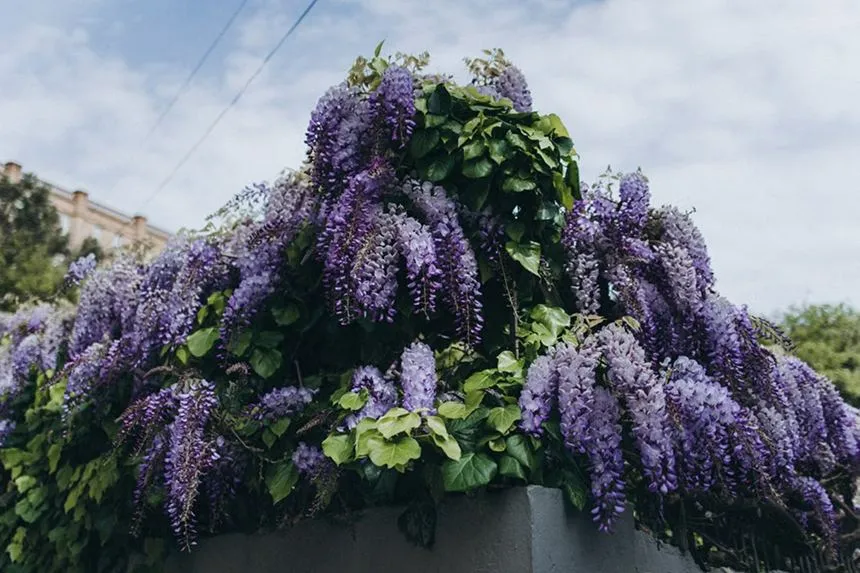
Fuji, also known as Wisteria symbolizes love and longevity. The tree is often grown as a trellis. It is a deciduous climbing vine and its flowers have a sweet grape-like scent. All parts of the plant, especially the seed pods, are toxic for both humans and pets.
8: Keyaki (Japanese Zelkova)
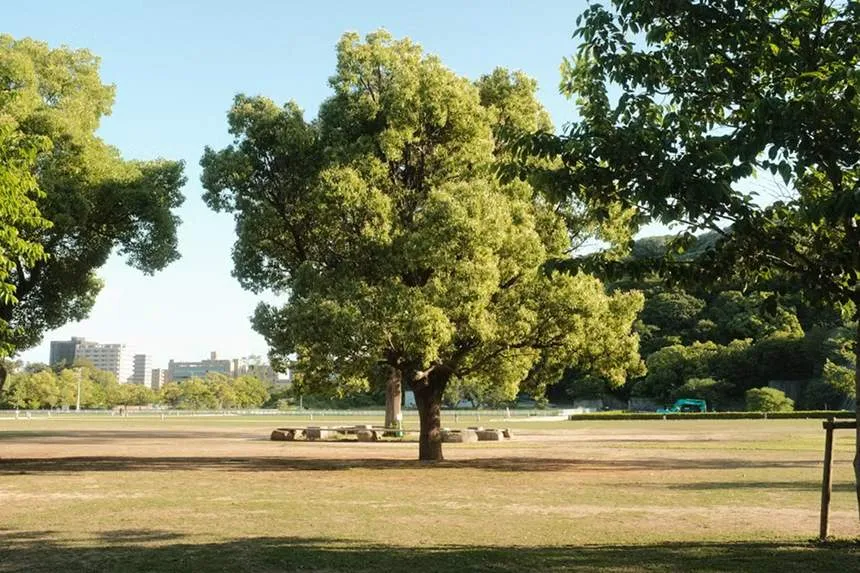
Keyaki is a large shade tree. It is mostly found in Japan near shrines or along the street sides. The leaf texture and fall color are its notable features. It grows about 50-80 feet tall and has a lifespan of 60-100 years under ideal growing conditions.
9: Hinoki (Japanese Cypress)
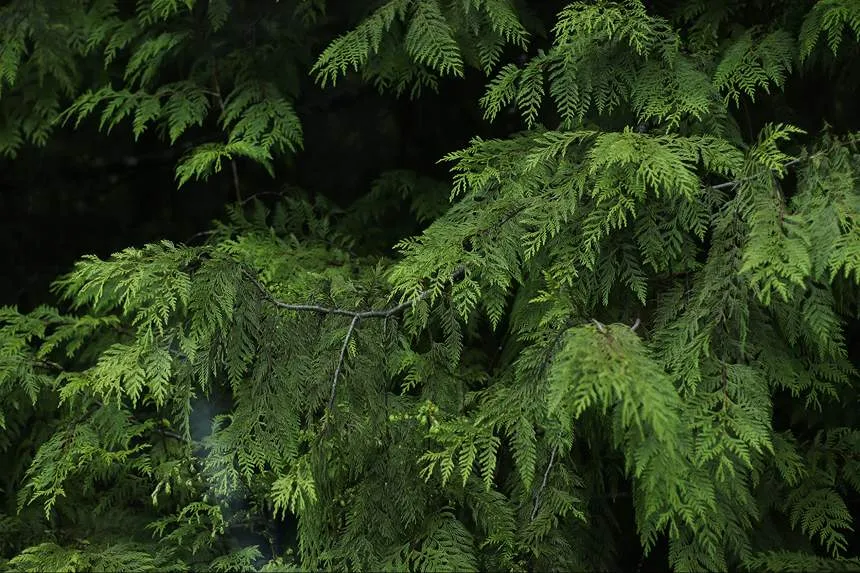
Hinoki is a slow-growing Japanese cypress tree. It is native to central and southern Japan. The tree has glossy, dark green frond like leaves in a droopy habit. I was amazed to know that the bark of the species is used to make sacred temples and even traditional baths. Its bark is known to have antimicrobial properties.
10: Yanagi (Willow Tree)
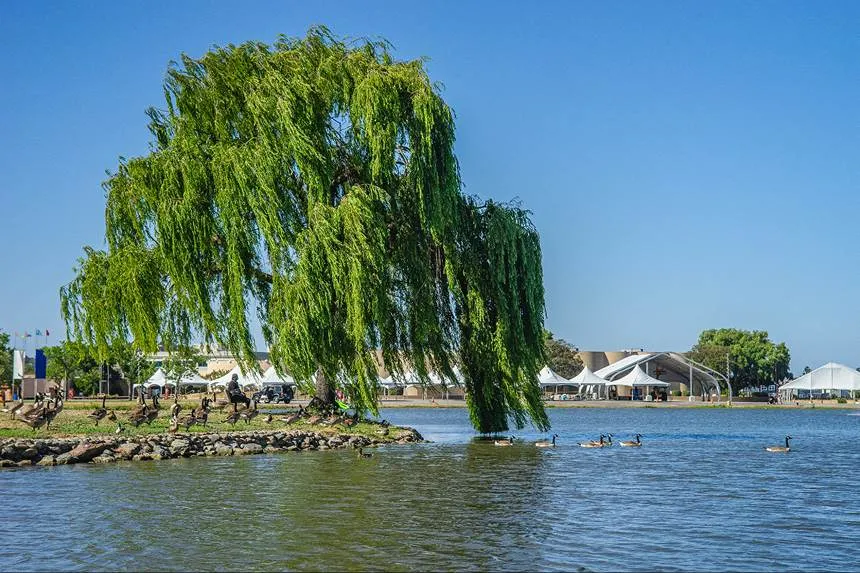
Yanagi is the Japanese word for willow tree. It is associated with grace, flexibility, and in folklore, sometimes linked to ghosts and spirits. The cascading branches of the tree give it a nice shape. You will mostly find the species growing near water areas like ponds, river sides or moist soils.
Final Words
The more I study about hanakotoba, the more I realize that it is not just about flowers – it is about a culture that uses flora to convey complex emotions rather than words. Next time someone gives you a Japanese flower, try to understand the meaning behind it.
All the flowers listed above in this article carry a deep symbolic meaning. Each of them are either used for gifting or for floral decorations. The theme may change depending on the color of the flower, but honestly speaking?! Who thought expressing your emotions simply by using flowers could be an easy way out. But, maybe this is what hanakotoba is all about.
FAQs About Japanese Flowers
What is a famous Japanese flower?
Cherry Blossom, locally known as Sakura, is the most famous Japanese flower. These usually bloom in spring, from mid March to the first few weeks of May. The flower is said to represent the fleeting nature of life.
What flowers are native to Japan?
Camelia, Japanese iris, Japanese wisteria, red spider lily and Japanese primrose are some popular flowers native to the country. Each bloom holds deep cultural significance and represents distinct emotions.
What is Japan’s most sacred flower?
Hasu, the white lotus, is the most sacred flower of Japan. It has deep roots in Buddhism. The blooms are said to represent purity, spiritual awakening, wisdom, and enlightenment.
What is the prettiest flower in Japan?
As per my research, the prettiest flower in Japan is Cherry Blossom. Its delicate pink petals are extremely iconic. The way cherry blossom trees cover the entire streets of Japan during spring is mesmerizing.