Spring is not the only time to witness beautiful blooms; the dormant winter months also offer a great deal of variety for gardeners. I discovered these cool-season flowers much later in my journey as a gardener, but it was worth it.
Ever since, I have been growing these winter flowers, and since then, I have not witnessed a dull garden. If you are also looking for plants to add to your garden this winter, come along as I share 10 winter flowers along with their unique features.
Quick answer
Winter flowers are cold-tolerant blooms that thrive in winter months when all the plants are entering dormancy. Some of the popular winter flowers are amaryllis, poinsettias, pansies, snapdragons, ranunculus, mimosa, hellebore, Japanese camellia, paper bush, and winter jasmine.
What are Winter Flowers?
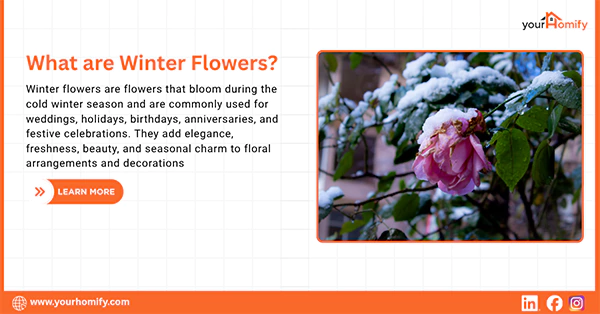
Winter flowers are plants that bloom in the dormant months of the year, usually after the ground freezes in November till February. These flowers are extremely significant for adding color to the otherwise full garden, while all the adjacent spring and summer flowers have died.
Apart from being ornamental and great for the landscape, winter flowers maintain the garden’s health in the chilly months of winter and also contribute to in-season demand for special occasions like weddings and anniversaries.
Moving further in the article, I have mentioned 10 winter flowers that can grace your garden this year.
10 Winter Flowers That Bloom in Cold Weather
The popular winter flowers include amaryllis, poinsettias, pansies, snapdragons, ranunculus, mimosa, hellebore, Japanese camellia and paperbush.
Take a look at these 10 winter flowers with their unique features and some interesting insights:
1. Amaryllis
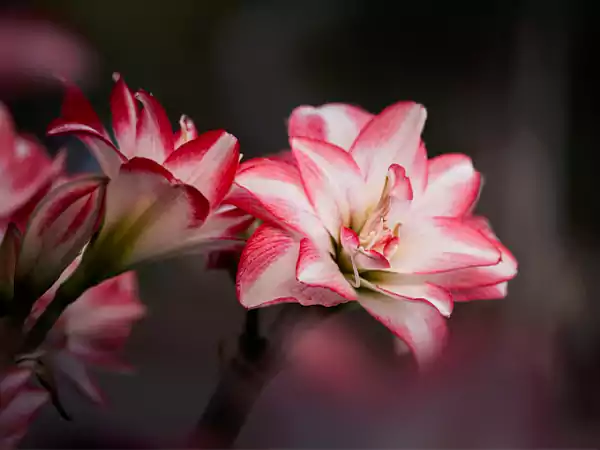
- Botanical name: Hippeastrum
- Hardiness Zone: USDA zones 8-11
- Native Range: Central and South America
- Bloom Time: December to June
Commonly referred to as the amaryllis, it is a genus of flowering plants named Hippeastrum, which is different from the true amaryllis. Commonly grown as an indoor plant, these perennial bulbs feature large trumpet-shaped flowers, which are associated with the idea of strength and admiration.
2. Poinsettias
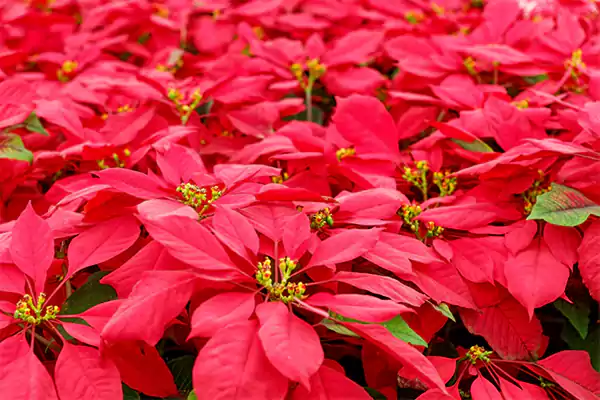
- Botanical name: Euphorbia pulcherrima
- Hardiness Zone: USDA zones 9-11
- Native Range: Mexico and Central America
- Bloom Time: November to January
Popular as a holiday season flower, the poinsettia is a perennial shrub that is also known as the Christmas plant, as it blooms in mid-winter. What looks like large star-shaped flowers are colorful bracts surrounding its yellow flowers.
Historically, the Aztecs used this flower to make red dye and treat fever. Plant them in full sun with frequent watering, but ensure soil drainage to avoid fungal diseases.
Quick fact
December 12th is celebrated as National Poinsettia Day across America.
3. Pansies
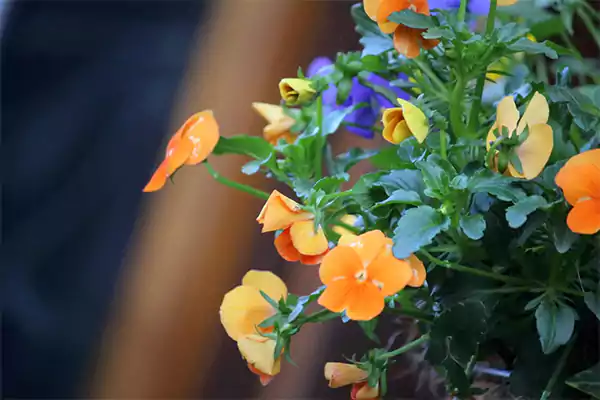
- Botanical name: Viola × wittrockiana
- Hardiness Zone: USDA zones 3-8
- Native Range: Europe
- Bloom Time: October to April
Pansies are extremely hardy cold-season flowers with a face-like pattern in their petals that gives them a unique look. Grown in multiple colors ranging from pink and red to yellow and purple, these flowers are used in bouquets and dried flower arrangements.
I plant them in full sun and humus-rich soil for the best blooms. While they are extremely beginner-friendly, make sure all the growing requirements are met adequately, and they are not exposed to harsh afternoon sun in warmer climates.
4. Snapdragon
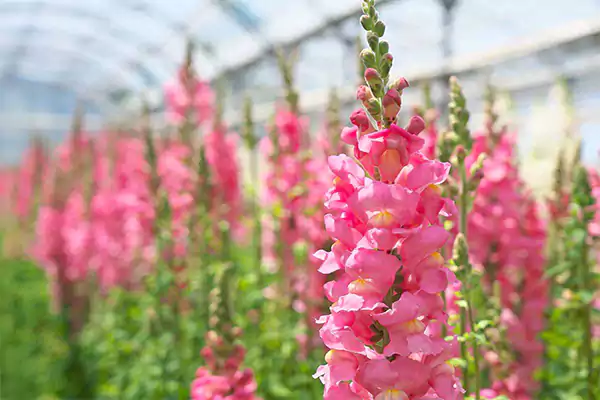
- Botanical name: Antirrhinum majus
- Hardiness Zone: USDA zones 7-10
- Native Range: Mediterranean regions
- Bloom Time: November
Also known as the dragon flower, the snapdragon is a herbaceous perennial featuring spiky flowers that are perfect for adding visual height to the garden, along with the rainbow of colours it grows in.
Due to their long blooming season in late winter, these flowers are favored by gardens, grow up to 4 feet tall in favorable conditions, and are also used in cut flower arrangements for weddings.
YourHomify Tip
Add a layer of organic compost to the soil while planting snapdragons for healthier blooms.
5. Ranunculus
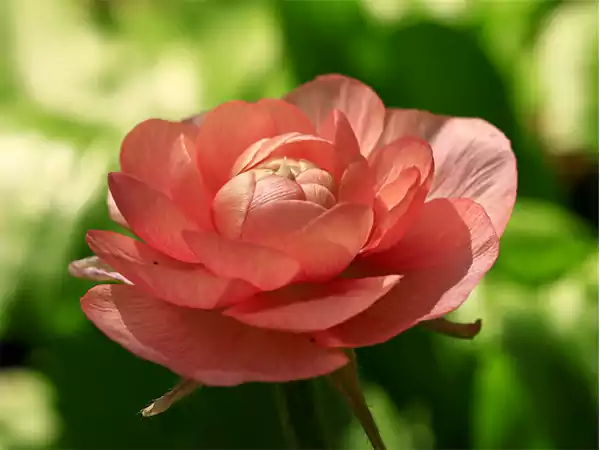
- Botanical name: Ranunculus asiaticus
- Hardiness Zone: USDA zones 8-11
- Native Range: Mediterranean regions and Southwestern Asia
- Bloom Time: February to June
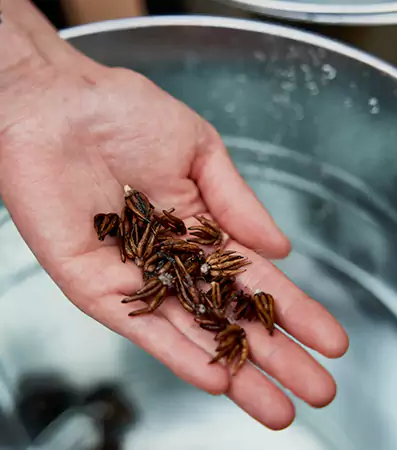
Popularly known as buttercups, the ranunculus is one of the most commonly grown winter flowers. The deeply layered, paper-thin petals create a voluminous look when arranged in a flower bouquet.
Associated with the meaning of charm and attractiveness, they are used as wedding flowers both for their ornamental value and their symbolic value.
| Ranunculus corms |
 |
| Buy Now |
6. Mimosa
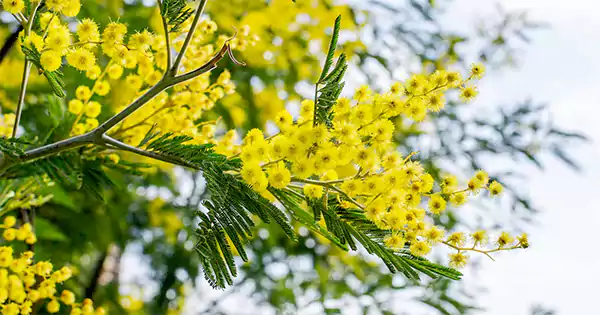
- Botanical name: Acacia dealbata
- Hardiness Zone: USDA zones 8-10
- Native Range: Australia
- Bloom Time: January to February
Also known as the silk tree, mimosa is a herbaceous perennial plant that grows yellow flowers and silk-like stamens. This winter flower is renowned as the International Women’s Day flower in many cultures and is associated with femininity and strength.
7. Hellebore
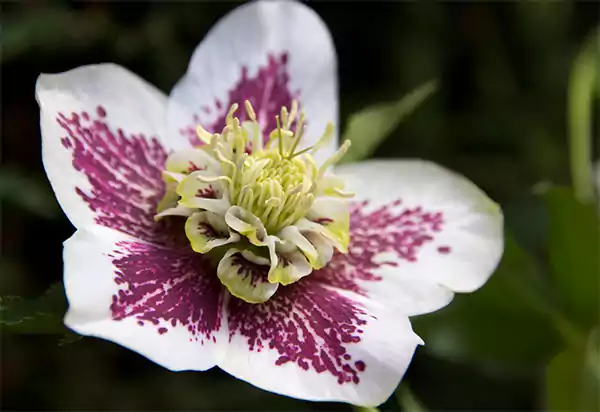
- Botanical name: Helleborus spp.
- Hardiness Zone: USDA zones 4-9
- Native Range: Europe and temperate Asia
- Bloom Time: December
One of the most popular winter flowers, hellebore is a flowering genus with over 20 varieties of plants, which bloom during December, near to Christmas, hence the name. As per the ASPCA, hellebore is toxic for pets, unlike true roses.
Part of the buttercup family, this winter flower is cold-resistant but can be damaged by harsh winter winds. If you have planted them in pots, I would recommend bringing them indoors in such cases.
YourHomify warning
The hellebore contains some caustic compounds, which makes them extremely toxic and cause skin irritation; handle with care.
8. Japanese Camellia
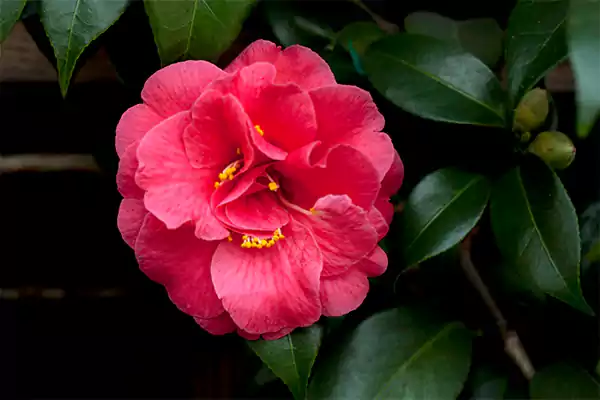
- Botanical name: Camellia japonica
- Hardiness Zone: USDA zones 7-10
- Native Range: Japan, Korea, and China
- Bloom Time: January to March
The Japanese camellia, as the name suggests, holds extreme artistic importance in Japanese art, symbolizing beauty and strength. Also known as the rose of winters, these rose-like flowers are a pollinating and hummingbird magnet and are perfect to add bold colors to winter gardens.
9. Paper Bush
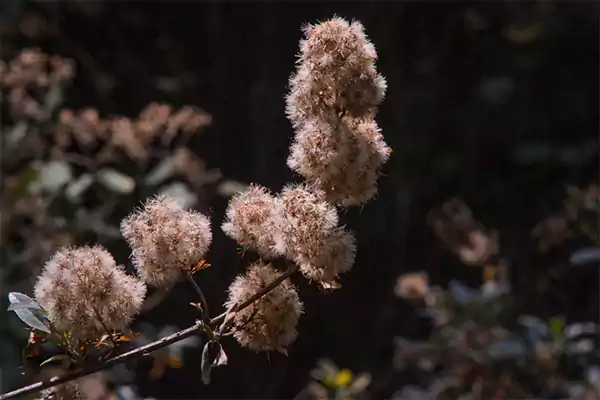
- Botanical name: Edgeworthia chrysantha
- Hardiness Zone: USDA zones 7-9
- Native Range: Asia
- Bloom Time: December to April
Part of the Daphne family, paper bush is a deciduous shrub that is named so because it is used to make paper. Pale yellow flowers on the naked brown stems are perfect for garden borders, providing that voluminous look to the garden.
Paper bush is ideally grown in shade gardens, but it can tolerate sun too; however, it is not resistant to drought and should be watered regularly.
10. Winter Jasmine
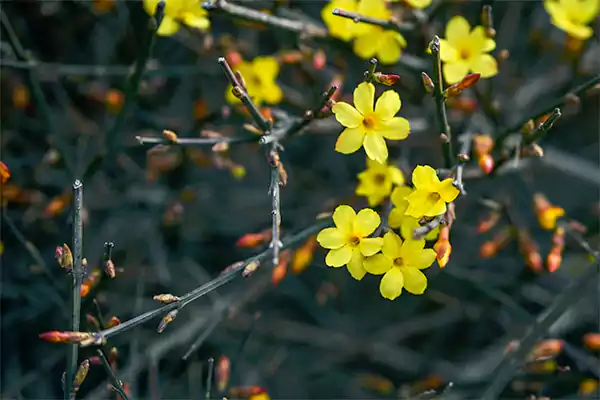
- Botanical name: Jasminum nudiflorum
- Hardiness Zone: USDA zones 6-10
- Native Range: China
- Bloom Time: January to April
Also known as the winter-blooming jasmine, the winter jasmine is a deciduous shrub featuring yellow flowers and blooms in late winter and early spring.
This fall flower is a trailing vine and is not the same as true jasmine, which is a summer flower. Grown best in full sun to partial shade, winter jasmine is non-toxic for pets and humans and is grown primarily for ornamental purposes.
Concluding Remarks
Winter plants are perfect to add seasonal charm to the garden, especially when all the flowers are dying back. Whether it is the charm of the garden’s favourite pansies or the winter staple hellebores, all these cool flowers not only add color to the garden but are also used in flower arrangements for the winter events.
FAQs
What flowers grow in winter?
Flowers like amaryllis, poinsettias, anemones, snapdragons, mimosa, and some winter flowers.
What flowers only bloom in winter?
Hellebore, camellia, and winter jasmine are some flowers that only bloom in winter.
What flowers are in season in the winter?
Amaryllis, pansies, snapdragon, ranunculus, and hellebore are some flowers in season in winter and can be used as garden flowers or flower arrangements.
What flowers can survive the coldest temperatures?
Snapdragon, alyssum, Dianthus, and pansies are some cold-hardy flowers that can survive harsh winters as well.
Is hellebore toxic to humans?
Yes, hellebore is toxic for humans and pets as well.
- Winter Blooming Plants to Brighten Your Home All Season Long– Yahoo
- Winter-Flowering Plants– BBC Gardeners World