


Did you know cypress trees can breathe underwater using unique root structures called knees? Or that some types of Cupressus are over 2000 years old and have the largest trunk in the world?
The never-ending charisma of cypress trees leaves a profound influence on all nature lovers. So without any further ado, let’s explore the fascinating world of these evergreen marvels and discover their ancient secrets, evolution, and unmatchable sturdiness.
Cypress Trees Unveiled: Origin and Evolution
In some classical mythology, cypress trees are associated with death, the underworld, and eternity. The history of this vegetation is rich with cultural and ecological significance. Fossil records date them back to the Mesozoic era, and as per the findings, the data extracted represents it 251 and 60 million years ago.
During this time, there was only one landmass that was entirely covered with these plantations, which later fractured, forming the landmasses we have today. The ground rupture led to the spread of cypresses to all corners of the world. Hence, we now find variants of these trees on almost all continents.
With time, these trees evolved and became drought-resistant, capable of surviving in areas where soil lacked nutrients. Though they are typically found in warm-temperate and subtropical regions, their thriving quality diversified its ecosystem from swampy wetlands to arid deserts.
Physical Description and Taxonomic Overview
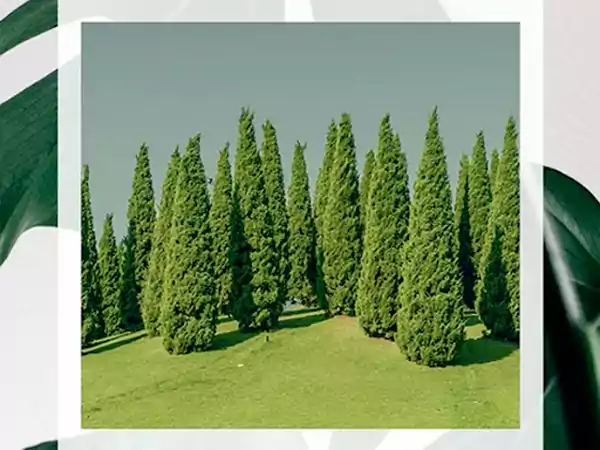
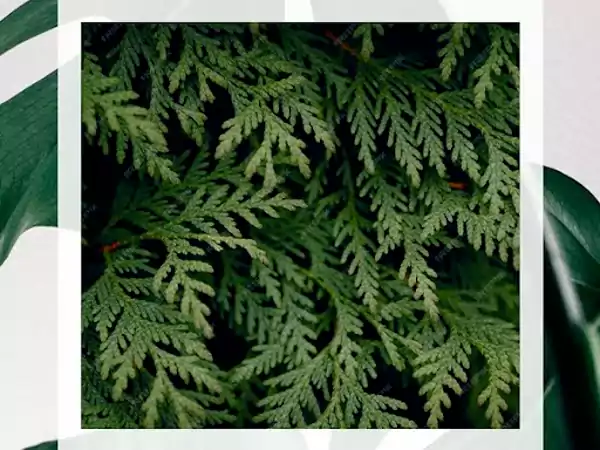
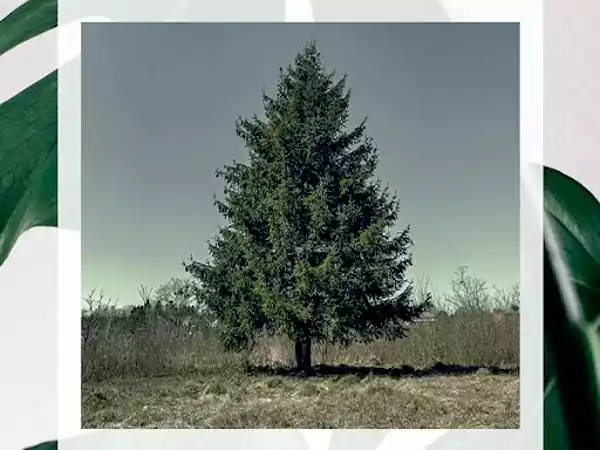
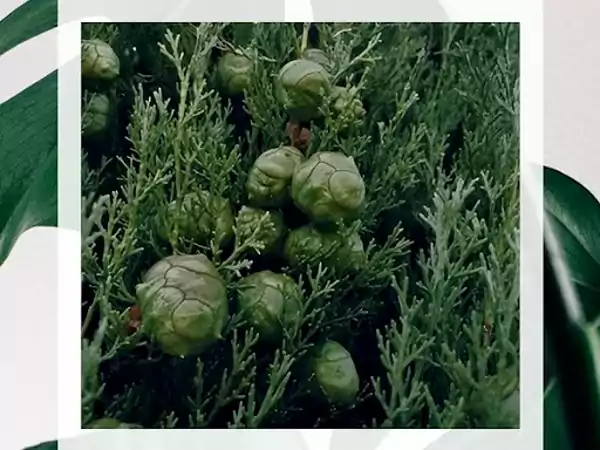
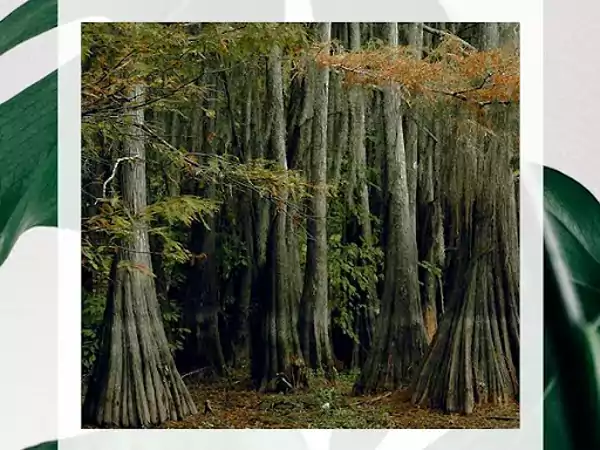
Cypresses are often 25 meters (82.02 ft) tall and are pyramidal, especially when young. Their bark is typically smooth, but in most species, it separates into thin plates or strips. The leaves are scale-like and are usually aromatic. Along with that, they are arranged in opposite pairs, giving the offshoot a four-sided appearance. Young cypress trees have needle-like leaves that are 5–15 mm long.
Below are a few cypress tree images so that you can relate to the above-mentioned description.
 |  |
 |  |
 |  |
For a detailed understanding of this coniferous vegetation, let’s dive into its taxonomic overview.
| Taxonomic Overview of the Cupressaceae Family | |
| Kingdom | Plantae |
| Common Ancestor | Tracheophytes |
| Division | Pinophyta |
| Class | Pinopsida |
| Order | Pinales |
| Family | Cupressaceae |
| Subfamily | Cupressoideae |
| Genus | Cupressus |
Distributed across a large part of the globe, each type of cypress tree shows groupings based on where they naturally grow. These are further divided into two groups: the old-world species and the new-world species.
Types of Cypress Trees
Each type has its own unique feature, which sets them apart from one another. If you have ever wanted to distinguish between different types of cypress trees by identifying their unique traits, you must consider the next section.
Old World Species
The cypress trees represent a diverse group within the Cupressaceae family. Some old-world species include:
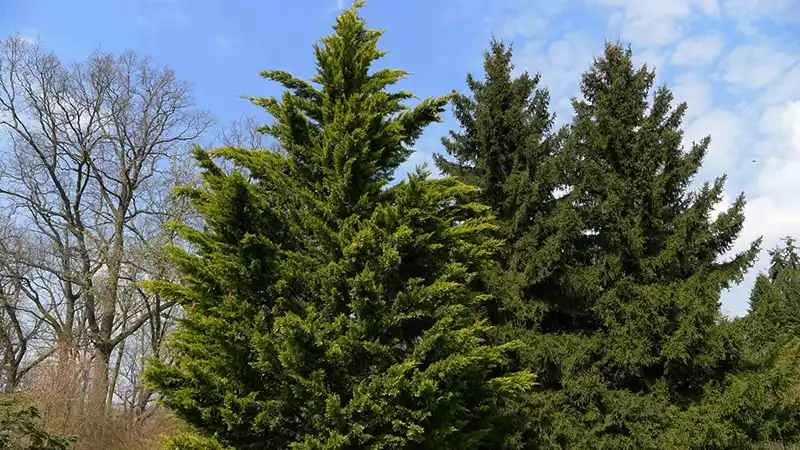
Moroccan Cypress
| Scientific Name | Cupressus atlantica |
| Location | Atlas Mountains, Morocco |
| Growing Condition | Thrives in semi-arid regions, and tolerates drought and high altitudes. |
| Description | Rare species, conical. Much bluer foliage with a white resin spot on each leaf |
| Kingdom and Genus | Plantae > Cupressus atlantica |
Bhutan Cypress
| Scientific Name | Cupressus cashmeriana |
| Location | Himalayan Region (India, Bhutan) |
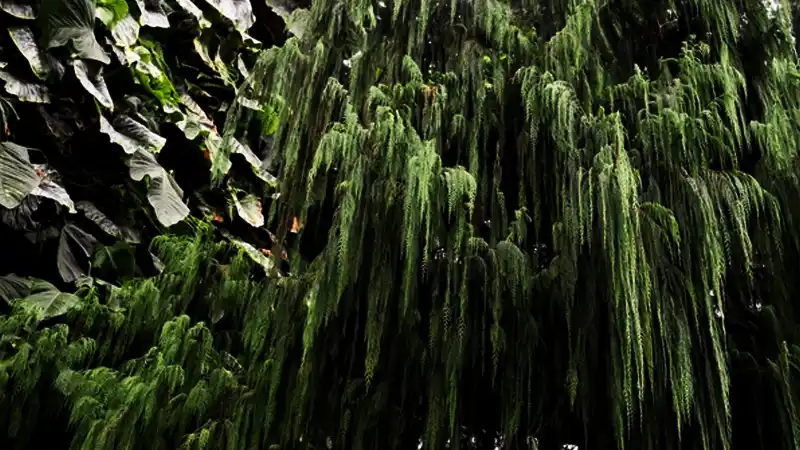
| Growing Condition | Requires bright, direct sunlight for optimal growth. Moderate temperature between 15–35°C. Prefers well-drained soil. |
| Description | Tall, conical conifer with dark green foliage and small light brown cones. It can grow up to 20 meters tall and 2.5 meters wide. |
| Kingdom and Genus | Plantae > Cupressus cashmeriana |
Yunnan Cypress

| Scientific Name | Cupressus duclouxiana |
| Location | Found only in China, widely cultivated around Kunming and Yunnan |
| Growing Conditions | Prefers a humid climate, moist well-drained, and fertile soil |
| Description | Evergreen conifer with reddish-brown bark and scale-like leaves |
| Kingdom and Genus | Plantae> Cupressus duclouxiana |
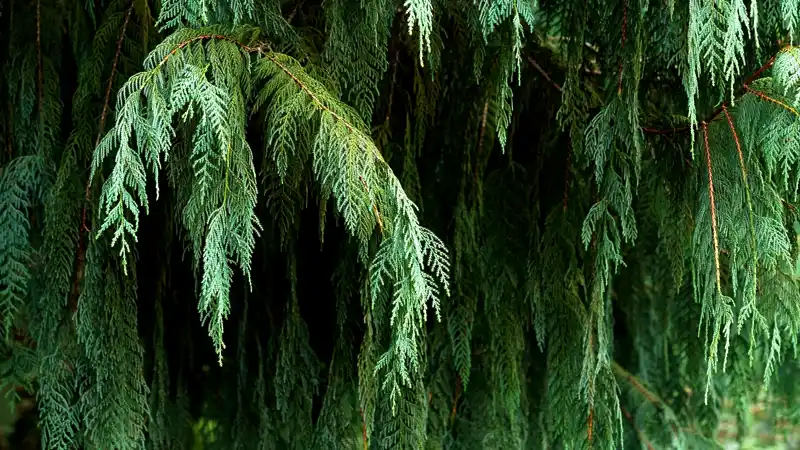
Chinese Weeping Cypress
| Scientific Name | Cupressus funebris |
| Location | Native to East Asia, found across south-east China and Vietnam |
| Growing Conditions | Requires sunlight or partial sun, moist well-drained humus-rich soil |
| Description | Medium-sized coniferous tree, pale green leaves with flat scaled pattern |
| Kingdom and Genus | Plantae> Cupressus funebris |
Tibetan Cypress

| Scientific Name | Cupressus gigantea |
| Location | Native to Tibet and China, found particularly in the dry valleys of the Nyang River |
| Growing Conditions | Prefers well-drained soil, is hardy, and is drought-tolerant. |
| Description | Attractive blue-grey foliage, orange-brown bark, with age turns into dark brown. |
| Kingdom and Genus | Plantae> Cupressus gigantea |
Mediterranean Cypress

| Scientific Name | Cupressus sempervirens |
| Location | Native to the eastern Mediterranean region and the Middle East |
| Growing Conditions | Grows primarily in places with hot summers and wet winters, and can tolerate poor soil conditions also. |
| Description | Medium-sized evergreen coniferous tree, crown shape, and dark green foliage. |
| Kingdom and Genus | Plantae> Cupressus sempervirens |
Recommended Product
View all products
Cupressus sempervirens, most commonly known as the Italian cypress, is more than a tree; it is a provider of enormous resources and a believed symbol of death. Being a conifer, the genus inhibits its greenery, truly presenting as an evergreen creation of nature. Contradicting its name, its origin is from the Eastern Mediterranean and Iran regions. This cypress tree is not only limited to its preventive usage during tough climatic situations but also adds elegance to a wide landscape. Moreover, it has become a common choice for planting around houses to keep an alluring view at an almost cost-effective maintenance charge. Now, keep scrolling to learn more about an Italian cypress. Italian Cypress: An Immortal Life Symbol A giant evergreen creature of nature, the Italian cypress is native to Iran and the eastern Mediterranean region. The tree stands tall, between 12–21.5m tall, and spreads around 0.90m to 1.8m. With the ability to withstand heat, humidity, and heavy winds, it becomes an ideal choice to grow in a landscape. Beyond its physical abilities, the tree has a major symbolic significance, too. According to different beliefs, it is considered a symbol of death, eternity, immortality, and mourning. There can be different cultural ideologies behind these beliefs, while the tree’s evergreen nature and association with cemeteries play a major role in solidifying the connection between beliefs. Even after different cultural perspectives, these Italian Cypress Trees are valued for their immense features. Plant Overview Common Name Italian Cypress Native Region Eastern Mediterranean region Plant Type Conifers, Trees Maintenance Low Average Height 12–21.5m Average Width 0.90–1.8m Advantages and Disadvantages of Italian Cypress Everything that exists in nature is somehow beneficial to living beings, meanwhile, it comes with some deficits also. Likewise, the Italian cypress tree has some advantages and disadvantages, which are written below. Advantages Disadvantages The Italian spruce can withstand harsh climates. Young trees require regular watering. Showing the sign of immortality, it can live more than 1000 years in its native environments. At least 6 hours of daily sunlight is essential for growth. This means it may not be sustained in low-light conditions. It is used for enhancing the ornamental glory of landscapes. They are huge, so only people who have a wide yard can grow these trees. The Italian cyprus is a low-maintenance tree. These trees may not survive in overly cold climates. This tree is non-toxic to humans and animals. Comparing the positive and negative sides of this cypress tree provides critical insights for precise decision-making. Scientific Taxonomy of Italian Cypress An enormous creation, the Italian cypress comes from the family of Cupressaceae (cypress). Some taxonomic insights of this tree are listed below. Taxonomic Insights Kingdom Plantae Division Pinophyta Class Pinopsida Order Pinales Family Cupressaceae (Cypress family) Genus Cupressus Species Cupressus sempervirens Botanical Name Cupressus sempervirens (Italian Cypress) The taxonomic overview explains the core facts about the Cupressus Italian cypress, including its environmental habitats and adaptations. What are the Conditions Required to Grow an Italian Cypress? As said, the Italian cypress plant doesn’t require high maintenance. Meanwhile, there are necessary conditions to grow an Italian cypress plant, which are mentioned here. First, plant in early spring or fall in sandy or loamy soil with an alkaline pH of 5.5–7.5. Allow a sufficient 2m spacing between trees for proper air circulation and high sunlight exposure. Initially, it requires watering regularly with minimal fertilizer. Finally, do a generic check to prevent pests and diseases. These are more than necessary conditions; by following these general maintenance tips, one can observe an increasing Italian cypress growth rate. User Reviews and Ratings Review: I can see the rapid growth of these Italian cypresses in my wide backyard. Thank you for sending good-quality saplings. Rating: ⭐⭐⭐⭐⭐ Review: My obsession with Italian cypress plants is increasing daily, and I have ended up buying so many similar plant pots. Rating: ⭐⭐⭐⭐ Review: I remember visiting my grandmother in her village, where we had this giant tree. Now, again, I am going to buy Italian cypress trees. Rating: ⭐⭐⭐⭐⭐ Review: It is so satisfying to see that my Italian cypresses have matured fruits. Rating: ⭐⭐⭐⭐⭐ Frequently Asked Questions What is special about the Italian cypress tree? The Italian cypress is well-known for its iconic structure, especially its tall and columnar shape. What is the use of Cupressus Italian cypress? The tree has various medicinal, environmental, and industrial uses. Its seeds are used in medicine manufacturing and wood is used for making furniture. Where is the Italian cypress found? This tree is originally found in the eastern Mediterranean region and Iran. However, now you can find it in Eastern Europe and most of Southwestern America. Is it possible to grow Italian cypress trees in pots? Initially, you can grow it in pots, but you need to keep expanding the root space as it comes in the category of giant trees and needs a wide space. Why an Italian cypress is considered a symbol of death? In ancient times, the Italian cypress was most commonly seen in cemeteries. Therefore, according to Greek and Iranian beliefs, it symbolizes the transition between life and death.
- Mature Height: 35-40 ft.
- Mature Width: 5 ft.
Himalayan Cypress
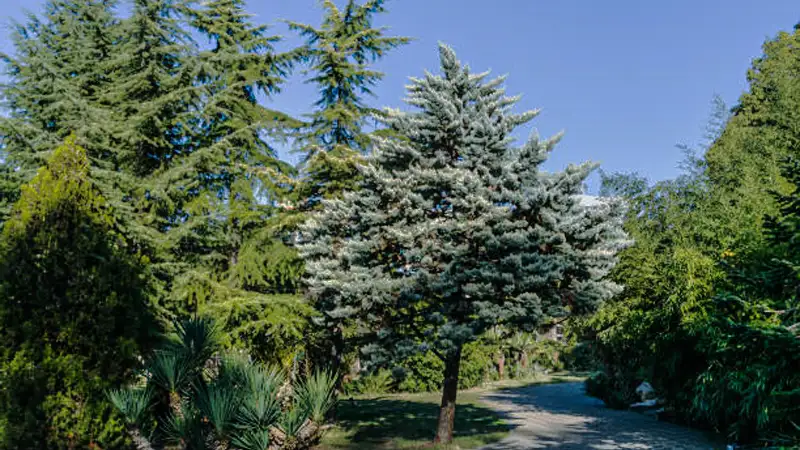
| Scientific Name | Cupressus torulosa |
| Location | Mountainous Northern region or Western Himalayas |
| Growing Conditions | Needs bright, direct sunlight for optimal growth. Prefers moderate temperatures. |
| Description | Medium to extremely large trees, broadly conical crown. Cylindrical branchlets, greyish brown bark. |
| Kingdom and Genus | Plantae> Cupressus Torulosa |
Vietnamese Cypress
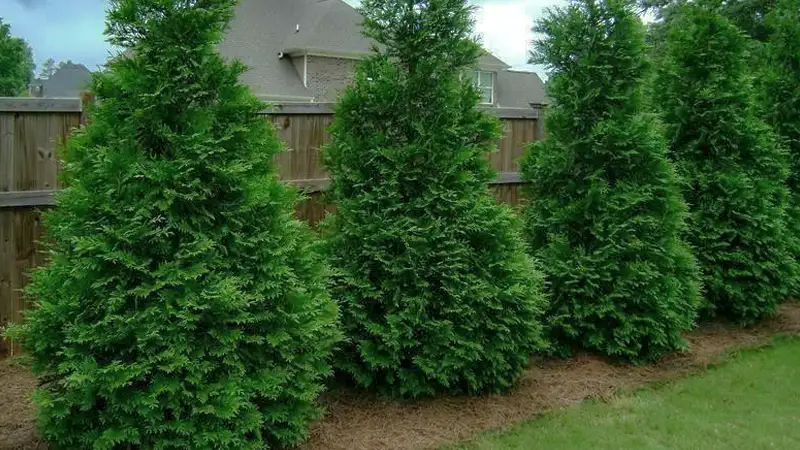
| Scientific Name | Xanthocyparis vietnamensis |
| Location | Originally discovered in the Bat Dai Son Mountains of northern in Vietnam |
| Growing Conditions | Grows well in dappled shade, prefers moist, humus-rich soil and temperature down to -15°C |
| Description | Small conical tree with a pyramidal shape. Soft golden green foliage |
| Kingdom and Genus | Plantae> Xanthocyparis |
Old-world species are mainly adapted to dry, arid, or temperate climatic conditions, exhibiting resilience and cultural significance.
New World Species
The new-world species have cones featuring fewer scales, each of which has a prominent narrow spike. A few of them are mentioned below for your better understanding.
Arizona Cypress
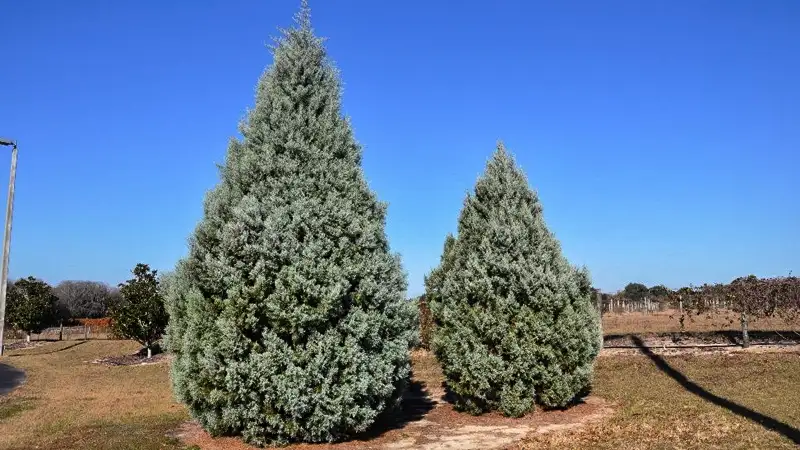
| Scientific Name | Cupressus arizonica |
| Location | Growing naturally in mountain regions of Arizona, adjacent parts of New Mexico and Texas |
| Growing Conditions | Adapted to hot and dry conditions, good drought-tolerance |
| Description | 40 feet tall, conical or rounded in shape with dark brown bark |
| Kingdom and Genus | Plantae> Cupressus arizonica |
Monterey Cypress
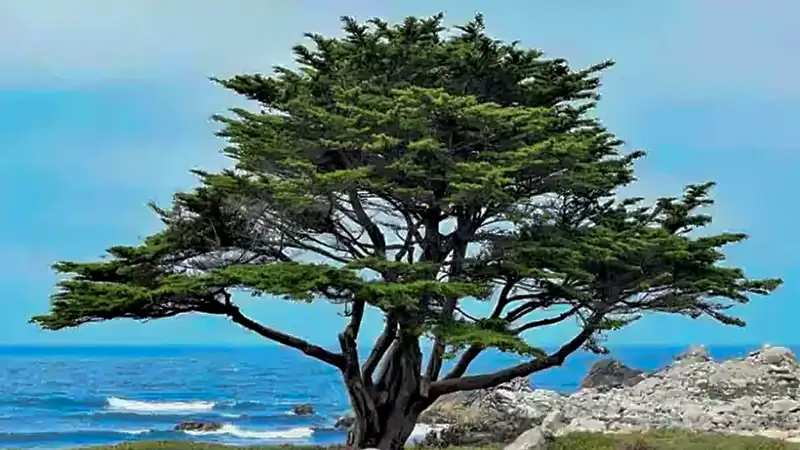
| Scientific Name | Cupressus macrocarpa |
| Location | California Coast, USA |
| Growing Conditions | Prefers moist sandy and coastal soil. Tends to grow better in cool moist climate |
| Description | Broad canopy with bright green leaves |
| Kingdom and Genus | Plantae> Cupressus macrocarpa |
Bald Cypress
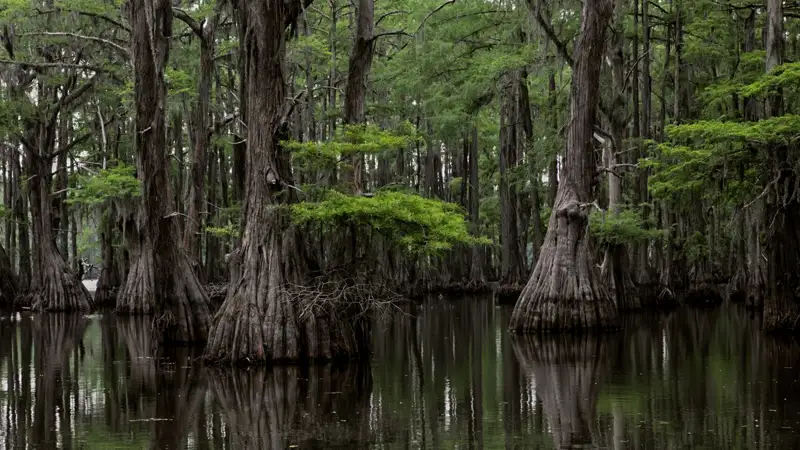
| Scientific Name | Taxodium distichum |
| Location | Southeastern USA (Swamps, wetlands) |
| Growing Conditions | Can withstand cold, loamy, or clayey soil types. |
| Description | Large-sized coniferous tree, thin fibrous red-brown bark |
| Kingdom and Genus | Plantae> Taxodium distichum |
Nootka Cypress
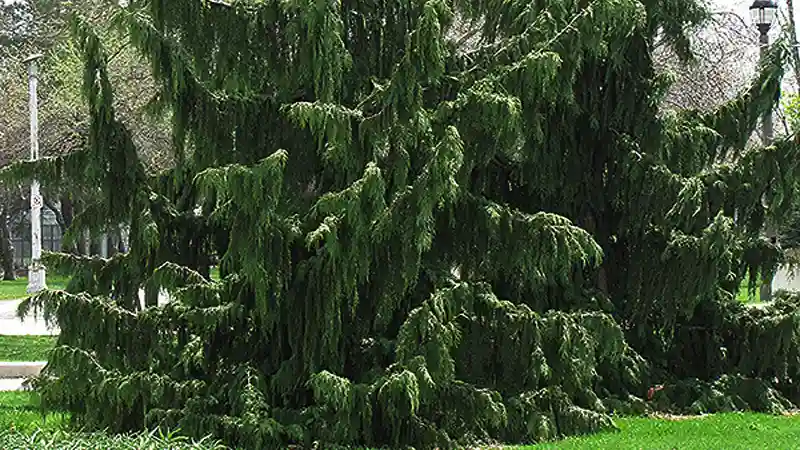
| Scientific Name | Cupressus nootkatensis |
| Location | Coastal Alaska to California, USA |
| Growing Conditions | Thrives in cool, moist areas, and prefers above-average rainfall. |
| Description | Pyramidal evergreen tree with scale-like leaves, bluish-green. |
| Kingdom and Genus | Plantae> Cupressus nootkatensis |
Leyland Cypress
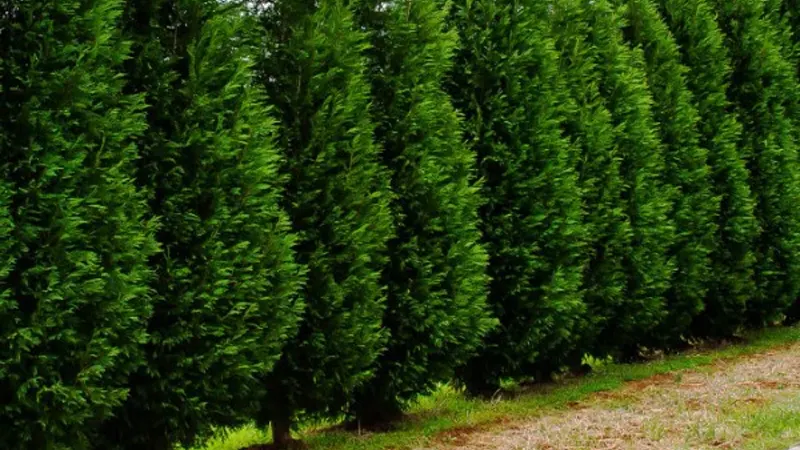
| Scientific Name | Cupressus × leylandii |
| Location | Hybrid (Monterey & Nootka) |
| Growing Conditions | Adapts to a variety of soil, prefers full sunlight, moderate drought tolerance |
| Description | The hybrid of the Monterey and the Nootka species. Red gray barks with soft twigs |
| Kingdom and Genus | Plantae> leylandii |
Recommended Product
View all products
With lush green leaves and a symmetrical growth habit, the Leyland Cypress has become a popular tree in many gardens and residential areas. It is mostly valued for its low-maintenance and visually appealing appearance. The species is widely appreciated for its hardiness, rich green leaves, and rapid growth rate. If you are looking to add this wonder genus to your landscape, it is ideal to explore everything about it. Scroll further and learn about its taxonomy and the growing conditions it needs in detail. Features and Benefits of the Coniferous Leyland Cypress The Leyland Cypress is known for its dense foliage and rapid growth rate. It is a fast-growing evergreen coniferous tree that is mostly used as a privacy screen, farm hedge, or to break the flow of the wind. Apart from being a visually appealing specimen, it also offers numerous benefits and holds cultural significance. The conical shape of the tree adds a touch of elegance to any landscape. Let us explore some benefits in the following section. The thick foliage of the Leland tree acts as a filter, traps all the dirt pollutants, and purifies the air. It has a strong root structure that binds the soil and prevents soil erosion. The hardiness and robust nature of the Lillian Cypress trees symbolize resilience and strength. A Leyland Cypress tree is said to support the local biodiversity by providing shelter to birds, bees, and butterflies. The Leyland Cypress is a hybrid between the Monterey Cypress and the Nootka Cypress. Being an adaptable species, the tree can thrive in various climatic conditions. Optimal Growing Conditions Needed for Lillian Cypress Trees Since the tall Leyland Cypress trees are low-maintenance and can be easily grown, it is ideal to know their growing conditions before you make a purchasing decision. Necessary Growing Conditions Needed Hardiness Zone 6-10 USDA Sunlight Exposure Grows best in full sunlight, but can also be grown in partial shade. Water Requirement Requires moderate watering, especially during dry days or initial growing stages. Soil Type It can be grown in a variety of soils, but prefers being planted in a fertile, permeable soil. Leyland Cypress Growth Rate Rapid growth rate (2-3 feet per year) Bloom Season Summer and Autumn Mature Height and Width 40–60 feet tall and 15–20 feet wide Fertilizer A slow-release fertilizer that provides consistent nutrition to the tree works wonders. It is ideal to prune the Leyland Cypress trees during the active growing season. To maintain its overall health, it is necessary to remove the dead or damaged branches. Explore the Plant Family of Lillian Cypress Understanding the taxonomy of the Leyland Cypress tree is essential to know more about its growth habits, characteristics, and adaptability to various climatic conditions. Taxonomic Overview of the Lealand Tree Kingdom Plantae Clade Tracheophytes Clade Gymnosperms Division Pinophyta Class Pinopsida Order Pinales Family Cupressaceae Genus × Cuprocyparis Species × Cuprocyparis leylandii Praised for its aesthetic appeal, this Cypress cultivar is a perfect example of a man-made hybrid. Therefore, exploring the botanical background of the tree helps in learning about its cultivation needs in depth. User Reviews and Ratings Review: Spotted these coniferous full-grown Leyland Cypress trees and couldn't stop staring. Rating: ⭐⭐⭐⭐⭐ Review: These triangular evergreen conifers are truly stunning. Rating: ⭐⭐⭐⭐⭐ Review: My Leland cypress bears small, cotton-like buds that resemble flowers, instantly enhancing the overall look of my front lawn. Rating: ⭐⭐⭐⭐⭐ Review: I bought these Lealand cypress pots yesterday and can’t wait for them to grow and elevate the look of my garden space. Rating: ⭐⭐⭐⭐⭐ Frequently Asked Questions How quickly do Leyland Cypress grow? The Leyland Cypresses have a rapid growth rate and grow 2–3 feet per year. What is the mature size of a Leyland cypress? The mature height of a full-grown Leyland tree is approximately 20–40 feet tall. What is the botanical name of the Leyland Cypress tree? The botanical name of the Leyland Cypress tree is Cupressus × leylandii. What are the downsides of Leyland cypress? Leyland Cypress has a shallow root system, which makes it prone to root rot and other soil-related diseases.
- Scientific Name: x Cupressocyparis leylandii
- Shape: Columnar
Hinoki Cypress
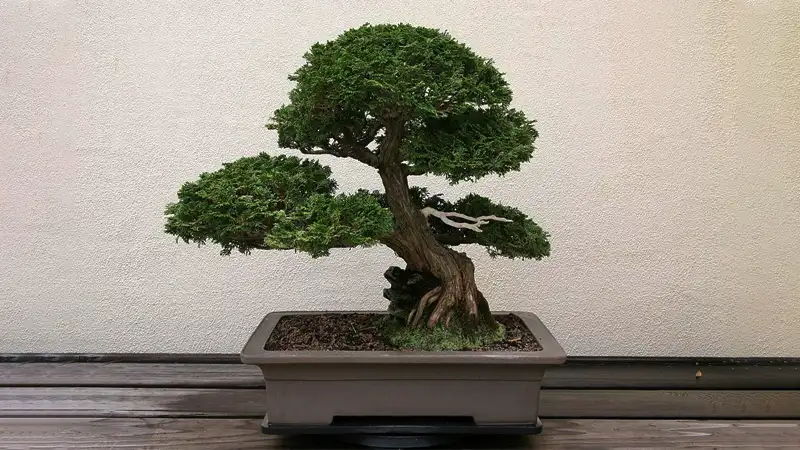
| Scientific Name | Chamaecyparis obtusa |
| Location | Japan |
| Growing Conditions | Grows in full sun to partial shade, tolerates cool climate |
| Description | A graceful tree with a broad pyramidal shape, reddish brown bark |
| Kingdom and Genus | Plantae> Chamaecyparis obtusa |
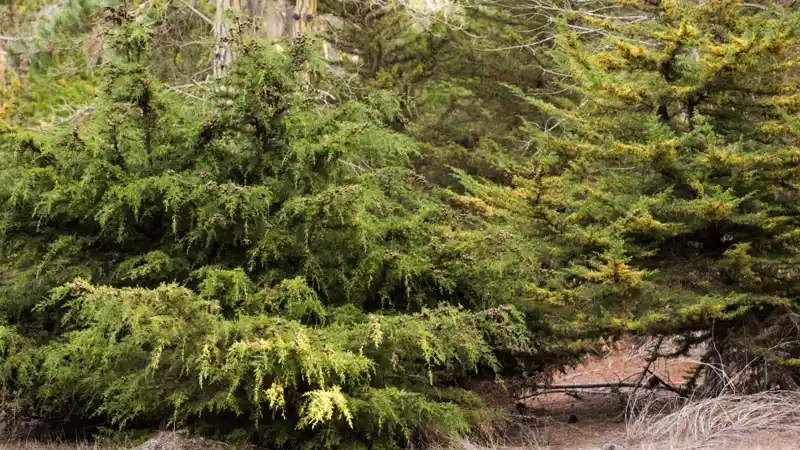
Gowen Cypress
| Scientific Name | Hesperocyparis goveniana |
| Location | The central coast of California, particularly in Monterey County, California |
| Growing Conditions | Thrives in sandy, well-drained soil, prefers a coastal environment, and requires adequate rainfall during winters. |
| Description | Small to medium-sized tree, conical shape with dense dark green foliage |
| Kingdom and Genus | Plantae> Cupressus goveniana |
Santa Cruz Cypress

| Scientific Name | Hesperocyparis abramsiana |
| Location | Santa Cruz County, California, USA |
| Growing Conditions | Prefers well-drained, sandy, or rocky soil. Requires open sunny habitat |
| Description | Pyramidal, with branches longer toward the base. Small to medium-sized evergreen tree. |
| Kingdom and Genus | Plantae> abramsiana |
New world species showcase versatility and their ability to thrive in both wetlands and dry habitats with broader ecological significance.
Little Sprout of Cypress Tree: Seeds of Strength
A sprout full of potential, the little seeds of these trees are a symbol of a new tiny evergreen hope. These are generally small, oval-shaped sprouts and vary in color. Protected by tightly sealed cones, often released when triggered due to weather conditions.
Moreover, the seeds are not edible for humans, but they are utilized by some birds and mammals. These little sprouts are important for reforestation. Its growing conditions are almost similar to the parent tree, but some seeds require cold weather for better germination.
This is nature’s way to preserve its natural beauty for future generations.
Cypress Bushes — The Miniature Species
Low-growing dense shrubby bushes are the counterparts, or, you can say, the baby versions, of the majestic trees. Popularly known for its soft, feather-like foliage, these bushes offer beauty in garden areas.
Different Types of Bushes
Majorly known for their ornamental values, these shrubs can beautify your garden or make your home landscape stunning. Some popularly known bushes are:
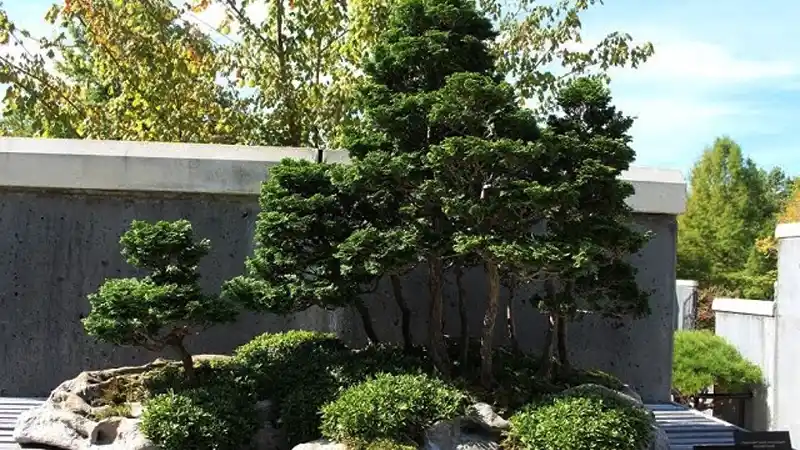
- Dwarf Hinoki: A compact shrub that requires minimal maintenance. Soft feathery foliage, ideally used for rock gardens, can be shaped as desired.

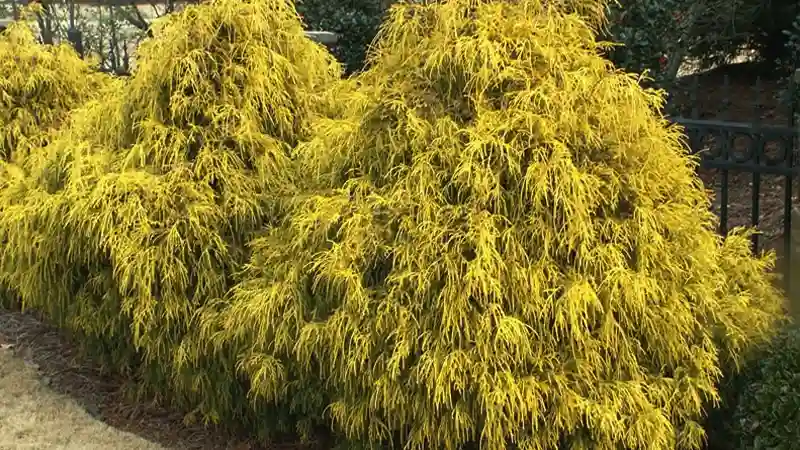
- Gold Thread: Half-dwarfed and a slow-growing, vibrant yellow-green shrub with thread-like leaves. Used to add color and texture in indoor settings or small garden areas.
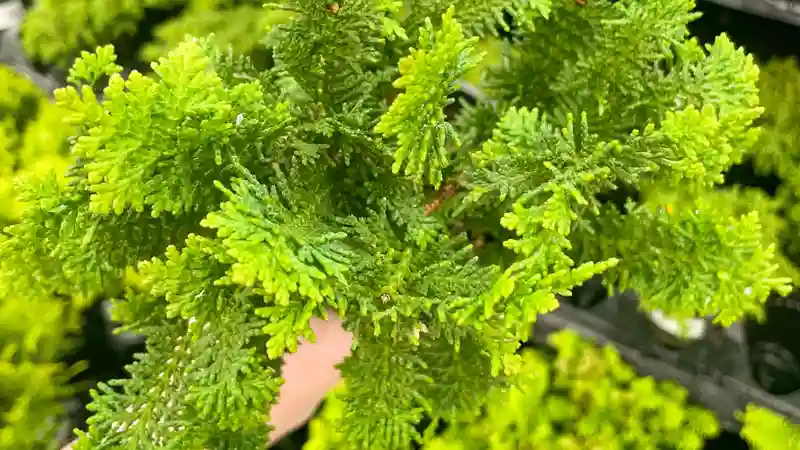
- Dwarf Lemon: Mostly used for container planting, dwarf lemon comes in small and smaller sizes. Not choosy about soil texture, its yellow-green foliage distinguishes it from other conifers.
- Blue Moss: If you are looking for a low-maintenance yet visually appealing indoor plant, this can be a good choice. Grows well if well watered, especially during summers.
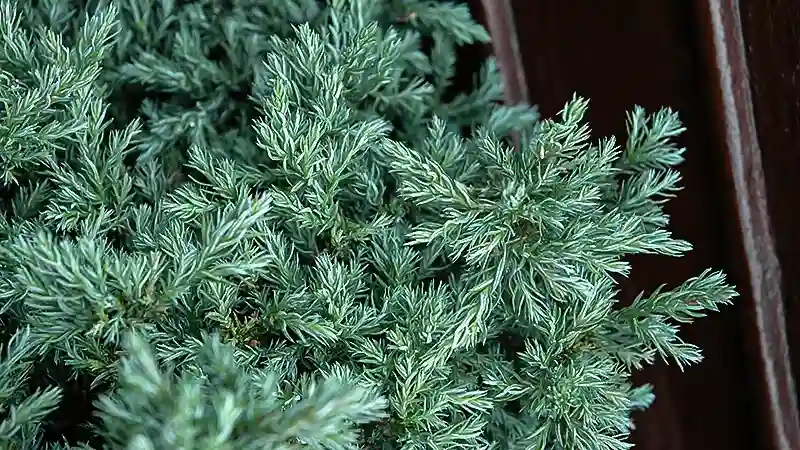
These miniatures can give you endless opportunities to enhance your outdoor settings. Indefinite choice of varieties can be an attraction for both gardeners and landscapers.
Preferable Growing Conditions for Cypress Bushes
Extending beyond their aesthetic appeal, these conifer bushes play significant roles in various practical contexts. Let’s look into their favorable growing condition.
- Soil Type: Prefers well-drained soil that is slightly acidic to neutral. Different types of soil textures can be used to grow these, ranging from sandy, and clayey to loamy soil.
- Water: Regular to moderate watering is required but make sure to prevent root rot. During young and during dry weather conditions, they require regular watering with proper drainage.
- Temperature: Can survive in a range of temperatures, but most bushes naturally prefer cool and moist habitats. Able to survive in hot and humid climatic conditions also and once grown up, they gain drought tolerance.
- Fertilizing: Once the planting is done, wait for a year before fertilizing. This should be done during early spring before new growth begins, with a balanced fertilizer and compost.
By providing the right environmental conditions, we can make these bushes flourish beautifully, enhancing your outdoor and indoor areas by giving you a picturesque balcony garden.
Care Requirements for Cypress Trees
Caring for cypress trees will ensure their well-being and longevity. For optimal growth of the same, here are some tips and care requirements you should practice.
- Shielding from Pests and Diseases: Regular inspection of the trees for common pests like bag worms and spider mites can safeguard them from turning brown. Do not plant the trees too close to each other to avoid pest attraction.
- Pruning: Trimming off dead ends or diseased leaves to maintain the shape and health of the branches. Avoid overpruning, as these evergreens require minimal cutting.
- Mulching: Spread some layers of mulch around the base to avoid rotting. It helps retain soil moisture and suppress weeds. This can also prevent needle blight, which spreads through the bark of the trees.
- Disease Prevention: Monitor for any signs of fungal diseases like canker, a fungal pathogen mainly found on twigs and branches. Remove the affected branch immediately and use fungicides if required.
With proper care, cypress trees can grow into strong and healthy evergreens. Due to their resilience and easy adaptability, they are a great choice for both new and experienced gardeners.
How do Cypress Trees Benefit Us?
More than just being striking evergreens, cypress trees offer numerous benefits that extend beyond their beauty. They play a vital role by escalating the ecosystem and human life.
- Ecological Importance: With its deep root structure, conifer trees prevent soil erosion and increase soil stabilization. The dense foliage and the ability to survive in waterlogged conditions creates a natural territory for many different species.
- Medicinal Use: Its extracts are used to treat colds, coughs, and many skin conditions. Essential oil extracted from its stems or twigs is used widely for its antimicrobial properties.
- Aromatherapy: Fragrant oils from different varieties of these trees are used in perfumery, often added to natural deodorants to treat body odour. Since ancient times, this oil has been used for spas and massages.
- Ornamental Landscaping: Due to the aesthetic appeal of such trees and bushes, it is widely used for decoration purposes. Leyland is widely used to make privacy screens, as it is a fast-growing species.
- Timber Production: Highly durable, resistant to rot, and valued for the construction of furniture, wood from this plantation is a good choice for economic reasons.
Above-discussed benefits make these evergreen treasures invaluable. One must work towards safeguarding these natural beauties so that our future generations can witness these advantages.
Importance of Cypress Trees and Bushes
One of the most remarkable features of coniferous trees is their longevity. They are exceptionally versatile and play a significant role in various contexts. Let us study them one by one.
- Environmental Importance: Works as an excellent air purifier. Species like bald cypress provide habitat to aquatic wildlife. Contributes to biodiversity by catering to the environmental needs of birds, small mammals, and other animals.
- Economic Importance: The landscaping industry, high timber production, extraction of essential oils, and medicinal uses of these trees make it highly important for economic aspects.
- Cultural and Symbolic Importance: Often planted in cemeteries and at sacred sites, this conifer symbolizes immortality. Its wood has been used for building temples, especially in Japan, as it is durable and fragrantly sweet.
Enriching landscapes and both human and animal life while maintaining the balance of nature’s beauty, this coniferous vegetation is of utmost importance.
Interesting Facts About Cypress Trees
In the section ahead, we have outlined a breakdown of the specialties and interesting facts about the cypress trees you cannot miss.
- The Bhutan cypress is sacred in Bhutanese culture and religion, as it is their national tree and is often planted near Buddhist temples and monasteries.
- Yarlung Tsangpo, the biggest tree in China with a height of 57 meters and a diameter of 5.8 meters, is 3233 years old and has won a Guinness World Record. The giant tree is an endangered, level-one nationally-protected species, and one of the five types of rare conifer trees in the world.
- Some species have fire-resistant barks that enable them to survive the forest wildfires.
- The Cypress of Abarkuh, an Iranian conifer, is estimated to be over 4,000 years old, making it the oldest living tree in Asia.
Summary: The Evergreen Treasure
Cypress trees are more than just evergreen treasures for future generations. They are strong representations of natural beauty and resilience. Along with undemanding hospitality, it is a timeless symbol of versatility and endurance.
Whether you talk about gracing landscapes, economic or environmental benefits, or medicinal use, these deserve conservation. Next time you spot a conifer, take a moment to appreciate its remarkability.
What does cypress smell like?
Its natural fragrance has a fresh, and woody scent.
Does Cypress survive extreme winters?
Yes, some cypress trees can survive winter, but it depends on the species.
What kills a cypress tree?
The aphid, a soft-bodied sap-sucking insect, is lethal to cypress trees.
How many total types of cypress trees exist in the world?
There are around 25 species of Cupressus that have further subtypes of their own.
Which is the oldest and youngest cypress?
The oldest known conifer in the world is called the Great Grandfather, with an estimated age over 5000 years old and the youngest is in Tibet, which is just a few years old.