A garden tub is more than just a large bathtub. It is designed to create a relaxing, spa-like bathing experience while adding luxury to a bathroom. From deep soaking comfort to elegant contemporary designs, garden tubs remain popular in many homes today.
Moving further, if you are planning a bathroom upgrade, you have reached the right place. This guide explores garden tub features, common sizes, pros and cons, and stylish alternatives suitable for smart bathroom renovation for comfort.
Quick Answer
A garden tub is a large, deep soaking bathtub designed for relaxation and comfort. It is usually wider and deeper than a standard bathtub and is commonly installed in spacious bathrooms to create a luxurious spa-like bathing experience.
What is a Garden Tub? What are its Key Features?
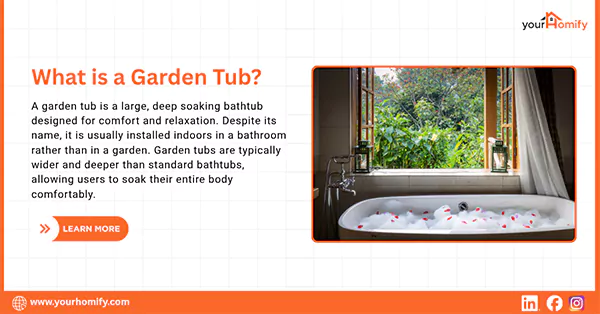
A garden tub is a large, deep bathtub designed mainly for soaking, relaxation, and a spa-like bathing experience. It is usually bigger and deeper than a standard bathtub and is often installed in spacious bathrooms or hotel suites. They became popular for their luxurious appearance and comfort.
Let’s take a quick look at some of the key features that make a garden tub especially valuable.
- Deep soaking depth for full-body relaxation.
- It is generally larger than the standard bathtubs.
- Available in oval, rectangular, or corner shapes as per your aesthetics.
- These are usually designed for primary and spacious bathrooms.
- Most garden tubs are always freestanding, creating a spa-like experience.
- Garden tubs are typically made from acrylic, enameled cast iron, or fiberglass.
Garden tubs usually combine comfort, functionality, and luxury, making them a popular choice among homeowners who want a relaxing bathing space with a luxurious feel.
Different Types of Garden Tubs
Some homeowners focus on saving space while others prioritize creating a spa-like centerpiece. The fact that garden tubs come in several styles to match different layouts, design preferences, and comfort needs speaks about its functionality. Choosing the right type depends entirely on your bathroom size, budget, and interior layout.
1. Freestanding Garden Tubs
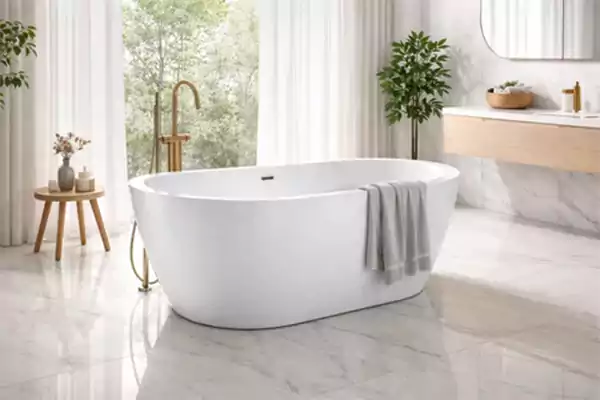
These bathtubs stand independently without being attached to any wall or deck. They tend to become a focal point in any bath space and look especially good in a spacious setup. Clawfoot, Japanese soaking tub, and pedestal tubs are some of its examples.
2. Drop-in Garden Tubs
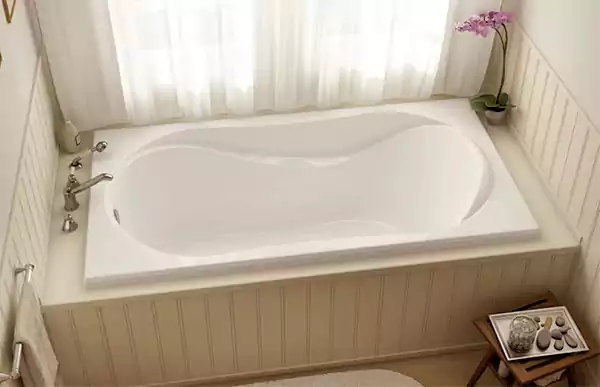
Drop-in garden tubs are installed inside a frame or on a platform. The outer surface is usually covered with tile, stone, or wood for a more chic and customized appearance. These tubs offer a better look while also providing extra space to keep toiletries and other decor.
3. Corner Garden Tubs
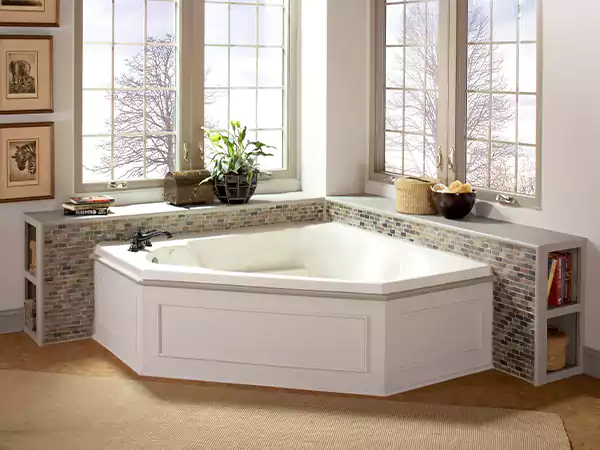
Corner garden tubs are specifically designed to fit into a bathroom corner, effectively utilizing the available space. They usually have a triangular or rounded shape and can easily accommodate one or two people in the tub. Having additional space to keep your utilities, a corner garden tub is a common style in master bathrooms.
4. Whirlpool or Jet Garden Tubs
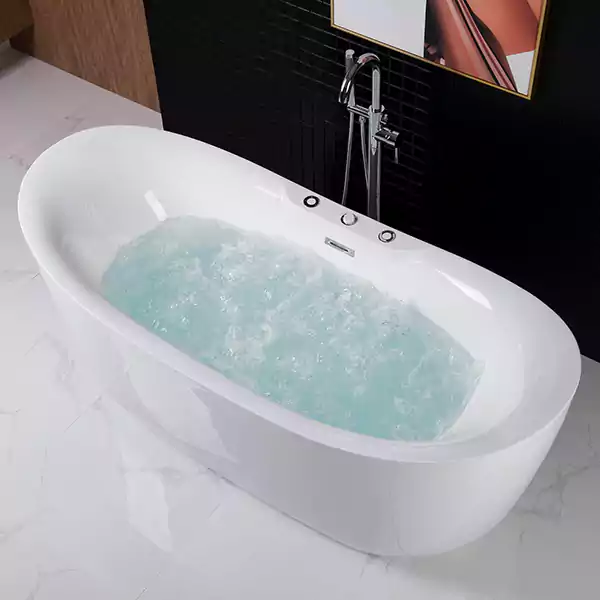
Some garden tubs include whirlpool jets or massage systems for a more relaxing and therapeutic bathing experience. These tubs use water or air pressure to create a soothing massage effect, making them ideal to be used in spas for muscle relief.
Each garden tub style offers different benefits in terms of comfort, appearance, and installation, helping homeowners choose a bathtub that fits both their lifestyle and bathroom space.
Standard Garden Tub Sizes and Dimensions
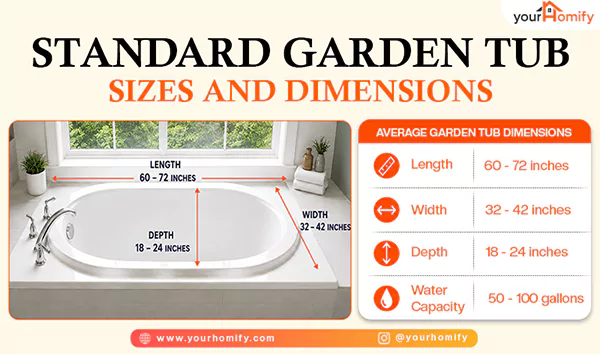
Ever wondered how big is a garden tub? Let me tell you, they are usually larger and deeper than standard bathtubs, making them perfect for comfortable soaking and relaxation. They are available in multiple sizes to suit different layouts. Choosing the right dimensions helps improve both comfort and functionality.
Here are the average garden tub dimensions:
| Feature | Average Size |
| Length | 60-72 inches |
| Width | 32-42 inches |
| Depth | 18-24 inches |
| Water Capacity | 50-100 gallons |
Before selecting a garden tub, homeowners should consider factors like bathroom floor space, water heater capacity, number of users, and comfort preferences. It is also essential to find reliable plumbers for any further repair work. The right garden tub size can make a bathroom feel both functional and luxurious while ensuring comfortable everyday use.
Best Materials That Can Be Used for Garden Tubs
The material of a garden tub affects its durability, appearance, comfort, maintenance needs, and overall cost. Some materials are lightweight and budget-friendly, while others offer a more luxurious and premium finish.
- Acrylic: It is one of the most popular materials for functional garden tubs because it is lightweight, durable, and easy to maintain. Acrylic tubs tend to have a smooth, glossy surface that retains heat reasonably well. It is budget-friendly compared to premium materials and is available in many shapes and sizes.
- Fiberglass: Tubs made of fiberglass are affordable and commonly used in many residential bathrooms. Though they are lightweight and durable, they may not last as long as acrylic or cast iron options. Fiberglass garden tubs have a low installation cost.
- Cast Iron: Cast Iron garden tubs are known for their exceptional strength and classic, chic appearance. They are coated with enamel for a smooth finish, and the fact that they are extremely durable and have excellent heat retention makes them a top choice among interior designers.
- Stone Resin: This type combines natural stone particles with resin to create a streamlined, spa-like bathtub material. The high-end solid surface makes the garden tubs durable and comfortable. It naturally stays warmer than the acrylic and fiberglass tubs and instantly enhances.
The best garden tub material depends on your budget, bathroom structure, maintenance preferences, and desired styles. Acrylic remains the most popular option for everyday use, while cast iron and stone resin are often preferred for luxury bathroom designs.
Pros and Cons of Installing a Garden Tub
A garden tub offers a luxurious and relaxing bathing experience, but they also require more space, water, and maintenance than standard bathtubs. Understanding both the pros and cons can help homeowners decide whether a garden tub fits their lifestyle, bathroom layout, and budget or not.
| Pros of a Garden Tub | Cons of a Garden Tub |
| Provides a deep and calming soaking experience. | Requires a large bathroom space. |
| Creates a spa-like appearance and gives a luxurious feel. | Uses more water than standard tubs. |
| Ideally used for full-body immersion. | Increases water heating costs. |
| Available in many designs and shapes. | The installation process can be expensive. |
| Adds an aesthetic value to master bathrooms. | You may need floor reinforcement for heavy models. |
A garden tub can become a beautiful focal point in a bathroom and an essential home improvement that adds both enjoyment and long-term value. However, homeowners should carefully consider factors like space, maintenance, and cost.
Are Garden Tubs Still Worth It in Modern Homes?
Yes, garden tubs can still be worth it in contemporary homes, especially for homeowners who value comfort and a spa-like bathroom experience. They work best in large bathrooms where space is not a concern, enhancing the luxurious feel of the entire suite.
Modern freestanding designs have also helped garden tubs stay relevant and stylish. However, these may not suit smaller homes as they need floor space and proper maintenance. I personally prefer walk-in showers or compact soaking tubs now, as they are more practical in present times.
Modern Alternative to Garden Tubs
Homeowners these days are choosing modern bathroom upgrades that offer better space efficiency, easier maintenance, and a more chic appearance than traditional garden tubs.
Moving further, here are some alternatives that can provide the same luxury experience while fitting better into an urban lifestyle and smaller bathroom layouts.
Walk-In Showers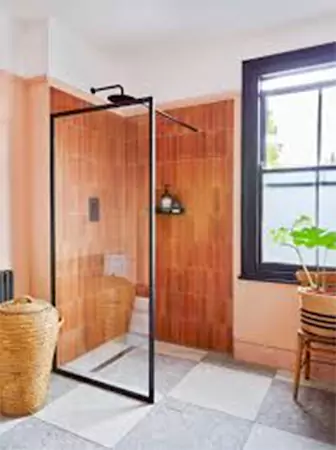 |
|
Freestanding Soaking Tubs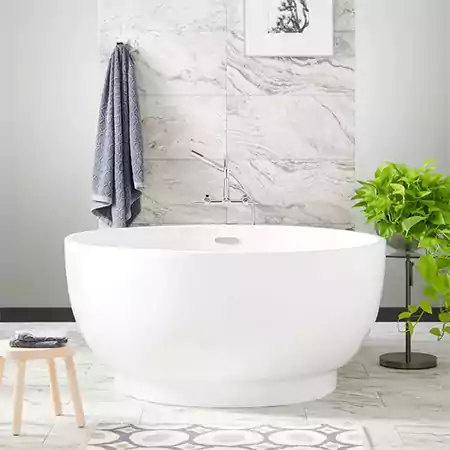 |
|
Japanese Soaking Tub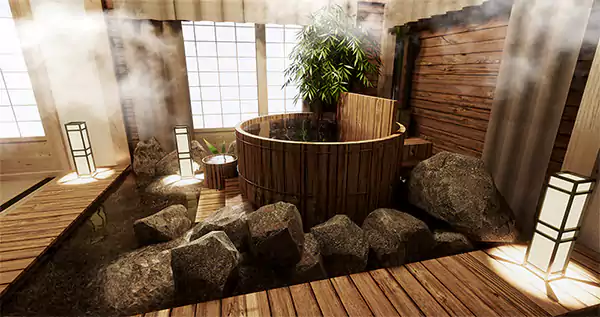 |
|
Shower and Tub Combos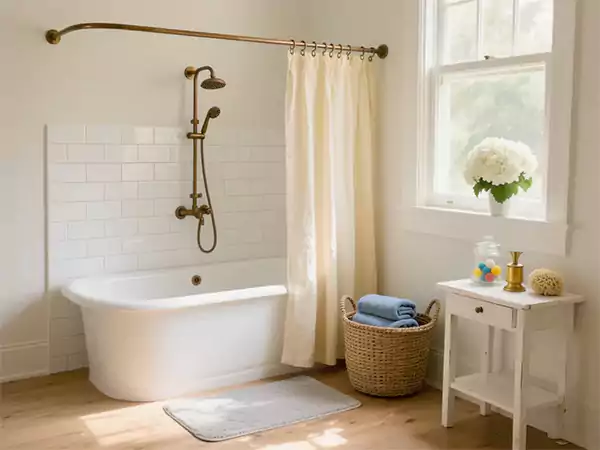 |
|
Wet Room Bathrooms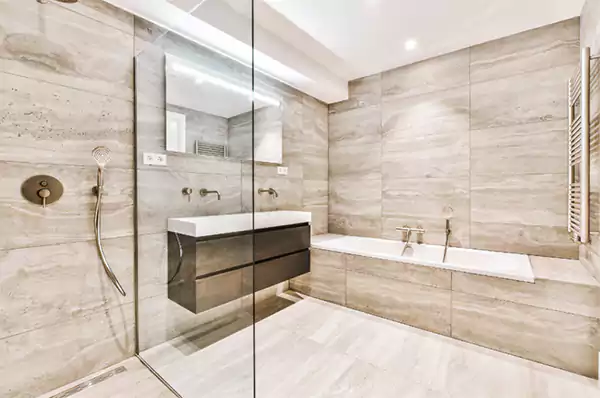 |
|
Modern alternative to garden tubs focuses on comfort, efficiency, and design. The best choice depends on bathroom size, budget, and maintenance.
Conclusion
A garden tub can add comfort, elegance, and a spa-like feel to a bathroom, especially in larger bathrooms having enough space. While these tubs offer deep soaking relaxation and an aesthetic appeal, they require more water, maintenance, and installation space.
By understanding the sizes, pros, cons, and modern alternatives, homeowners can choose the bathtub style that best fits their lifestyle, design goal, and budget.
FAQs
Why do they call it garden tubs?
They are called a garden tub because originally, during the 18th century, these were usually placed in an outdoor setup in a garden or near a large window. In modern times, the term is used for large, deep soaking bathtubs.
Are garden bathtubs expensive?
The average cost of a garden bathtub is around $1,500 to $6,800.
Do garden tubs require special plumbing?
No, they do not require special plumbing, but it is essential to keep a check on the garden tub faucet and keep a note of monthly maintenance.
Do people still use garden tubs?
Yes, many people still use and like garden tubs. These are primarily used for relaxation. Some also install these for a luxurious and spa-like feel.
What are the benefits of a garden tub?
Garden tubs are used for ultimate relaxation. You can soak your entire body for deep rest or calmness. These also tend to make your interiors aesthetically pleasing.