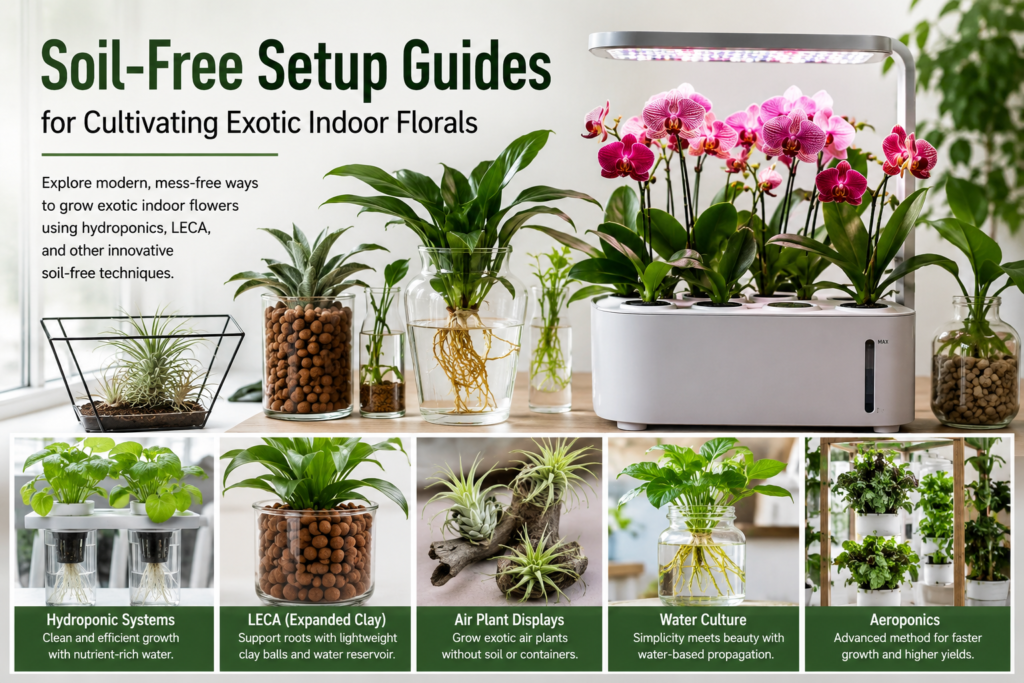
The indoor planting of exotic flowers used to be associated with heavy soil, untidy surroundings, and the ever-present threat of overwatering. Today, more and more cultivators opt for soil-free technologies, which allow for tidier systems, rapid plant growth, and lower levels of infestation.
Regardless of whether you want to cultivate some tropical flowers or you are going to plant bulk calla lilies for your project, soil-free planting is way more available than one would expect. In this article, we will explore the best soil-free systems, the most frequent mistakes in soil-free cultivation, and the ways to stimulate healthy growth.
KEY TAKEAWAYS
- Soil-free growing methods like hydroponics and water culture offer cleaner, faster, and more controlled indoor plant growth.
- Exotic flowers such as calla lilies thrive in a water-based system due to their natural preference for a moist atmosphere.
- Common issues like root rot, algae, and yellowing leaves can be prevented with proper oxygenation and light management.
- Beginners should start with simple setups like water culture or wick systems before moving to advanced methods like aeroponics.
Why Growers Are Moving Away From Soil
Soil holds a lot of things that you do not want indoors. has such pests as fungus gnats, mold spores, and weed seeds. Besides, the soil makes it impossible for one to monitor the progress of the plant roots. When you remove soil from the equation, you gain control over the three things flowers care about most: water, nutrients, and oxygen.
Here is what we see happen when people make the switch:
- Roots get direct access to food, so plants grow faster
- Watering guesswork disappears because you can measure everything
- Indoor air stays cleaner without soil dust and gnats
- Cleanup takes minutes instead of hours
Soil-free growing also lets you stack systems in small apartments. A vertical setup on a shelf can hold a dozen plants in the footprint of a single large pot. That matters when you want a full display but only have a corner to spare.
The Main Soil-Free Methods, Explained Simply
There are several ways to grow flowers without dirt, and each one suits a different type of grower. We break down the four you are most likely to use.
Water Culture (Deep Water Culture)
In this method, roots hang directly in a tank of nutrient-rich water. An air pump keeps the water full of oxygen, so roots do not drown. This is the setup we recommend for beginners because it has few moving parts.
You need three things to start:
- A container that blocks light so algae cannot grow
- An air pump with an air stone to keep water oxygenated
- Net pots and a growing medium like clay pebbles to hold each plant
Water culture works well for fast growers and thirsty flowers. Calla lilies do especially well here because they naturally like wet feet and swampy conditions.
Hydroponics With Flowing Water
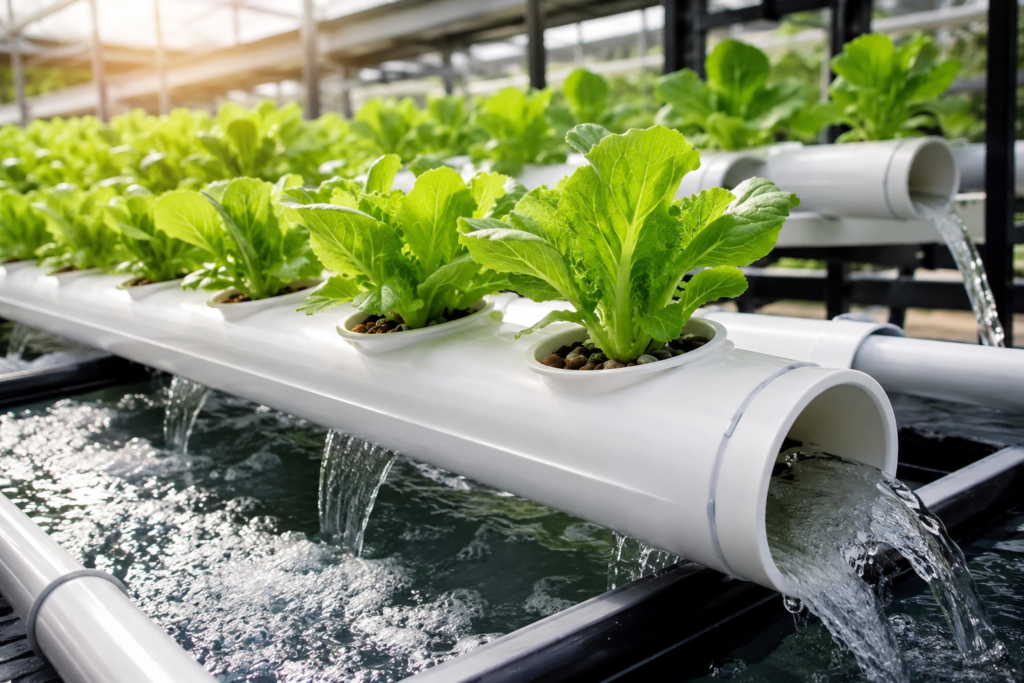
Hydroponics covers any method that feeds plants through water instead of soil. The hydroponic method with moving water includes systems such as nutrient film techniques, where nutrient water flows constantly over the roots of the plant. In this way, the roots take up nutrients while the water is recycled. This method has a higher initial cost but will save you water in the future.
Wick Systems
A wick system is the simplest option on this list. A cloth or rope wick pulls water from a reservoir up into the growing medium, and the plant drinks at its own pace. No need for pumps or electricity; however, this comes at the price of speed. Wicking water takes time, so this technique suits smaller plants best that grow more slowly and do not require much nutrition.
Aeroponics
Aeroponics mists the roots with nutrient water while they hang in open air. Roots get plenty of oxygen, which pushes growth even faster. This ensures fast growth; however, this method requires a constant energy supply and cleaning. We recommend trying this only after some experience of growing plants.
Setting Up Your First Soil-Free System
Let us walk through a water culture setup step by step, because it maximizes your chances of success when trying for the first time.
- Choose your container. A five-gallon bucket with a lid works for large flowers. If you have small flowers, use a shallow tote that holds several net pots.
- Cut holes for net pots. Make sure the distance between the holes is such that as the plant grows, the leaves will not be crowded.
- Add your air pump. Drop the air stone to the bottom and run the tubing out through a small hole near the top.
- Fill with water and nutrients. Use a balanced hydroponic nutrient mix and follow the label for the correct dose.
- Check the pH. Your flowers need the pH to be between 5.5 and 6.5. You can test the pH using a pH tester.
- Place your plants. Set each one in a net pot with clay pebbles, then rest it in the lid so roots reach the water.
Once it runs, check the water level every few days and top it off. We refresh the full nutrient batch every two to three weeks to keep the balance right.
Growing Calla Lilies Without Soil
Calla lilies are one of the best exotic flowers for beginners going soil-free. Naturally, they grow in the vicinity of ponds and marshes, hence making water cultivation the easiest method.
Here is how we keep them happy:
- Start rhizomes in net pots with clay pebbles, pointed side up
- Keep the water line just below the base, so roots reach down to drink
- Provide bright but indirect sunlight for 6-8 hours daily
- Hold the water around 70°F, since cold water slows them down
Calla lilies reward patience. You will see roots first, then leaves, then the tall stems that carry those trumpet-shaped blooms. When you buy in larger quantities, you can stagger your planting so new flowers open every couple of weeks instead of all at once.
Light, Temperature, and Air for Indoor Blooms
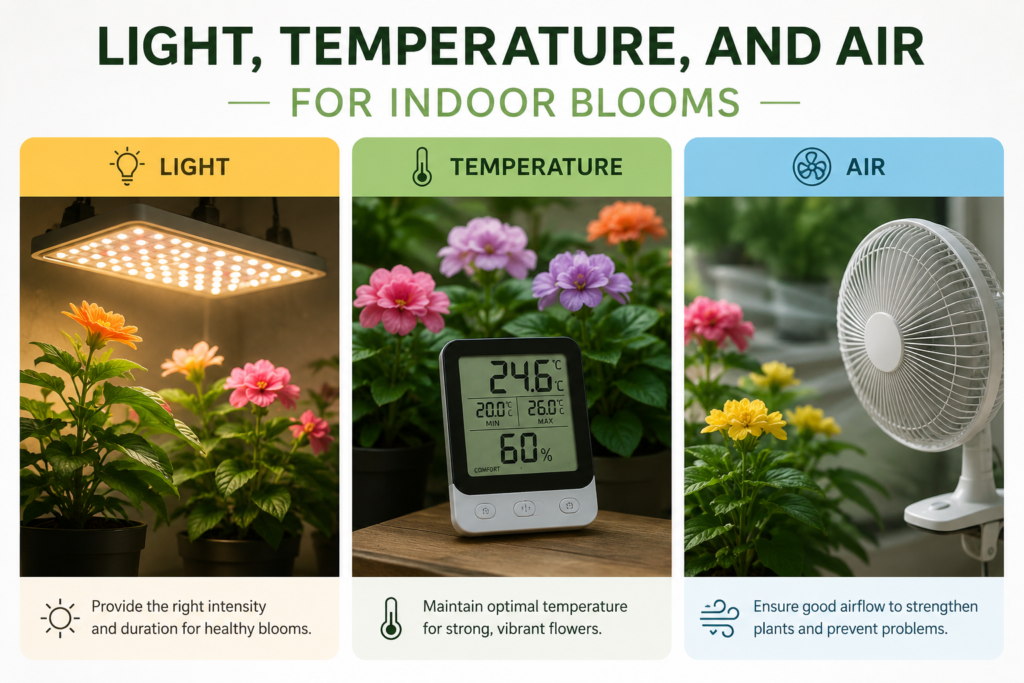
Soil-free growing solves the root side of the equation, but flowers still need the right room conditions. We should keep an eye on three factors.
- Light. Most exotic florals want bright light without harsh afternoon sun. A south-facing window suits most plants, but to ensure consistent growth all year round, we use a full-spectrum grow light.
- Temperature. A temperature of 65°F to 75°F will give us the greatest variety of flowering plants. Sudden cold snaps near a drafty window can stall growth or drop buds.
- Air movement. A small fan keeps air circulating, which strengthens stems and cuts down on mold. Still air is one of the quiet reasons indoor plants struggle, and a five-dollar fan fixes it.
Common Mistakes and How to Avoid Them
Even simple systems can trip you up. Here are the most common errors, with solutions included.
- Slimy or brown roots. This usually means low oxygen. Make sure the air pump and air stone work properly.
- Yellowing leaves. Your nutrient balance may be off, or the pH has drifted. Test and adjust.
- Algae in the tank. This is probably because some light is reaching the water. Switch to an opaque container or wrap it in dark tape.
- Slow or stalled growth. Cold water or weak light is the usual culprit. Warm the room and add a grow light.
We tell every new grower the same thing: measure before you guess. A basic pH kit and a thermometer answer most questions before they turn into dead plants.
Getting Started With Confidence
Soil-free growing gives you a cleaner, faster, and more predictable way to raise exotic flowers indoors. You can begin by cultivating in a water medium; select a tolerant flower such as the calla lily, and then move on.
Once you see your first bloom in a non-soil medium, you will realize why most people never look back after trying this type of cultivation.
Patience and carefulness play a vital role. Track your nutrients’ content, monitor the quality of the water, and provide the correct lighting and temperature conditions for growth. As your skill increases, you may diversify your exotic floral collection and enjoy your indoor garden with exotic flowers.
FAQs
What is soil-free plant growing?
Soil-less plant cultivation is the technique of growing plants in the absence of soil through water systems that provide nutrients to the plants.
Are calla lilies cultivable in soil less manner?
Yes, calla lilies grow quite well in water cultures since they naturally grow well in a wet environment.
Which soilless technique is best for beginners?
Wick or water culture techniques are best for beginners because they are quite simple and easy to use.
What equipment is needed for hydroponics?
A basic system needs a container, a water pump or an air stone, a nutrient solution, and growing media such as clay pebbles.