


Long blooming perennials are flowers that bloom for months and return every year, providing a long-lasting color to the garden, unlike the short-lived ones that die after a few weeks.
Apart from their long blooming season, these perennial flowers are cost-effective and easier to manage than annual blooms, which need replanting every spring. If you are also looking for perennial blooms for this, I have listed 10 long blooming perennial for a colorful garden.
Quick answer
Long blooming perennials are flowers that bloom for more than 4 weeks and sometimes over 2 months, providing a long-season color to the garden with low-maintenance cost and hassle-free gardening.
Some popular long blooming perennials are the fernleaf bleeding heart plant, astilbe, butterfly bush, yarrow, ice plant, garden phlox, Russian sage, bellflower, coneflower, and lavender.
What are Long Blooming Perennial Flowers?
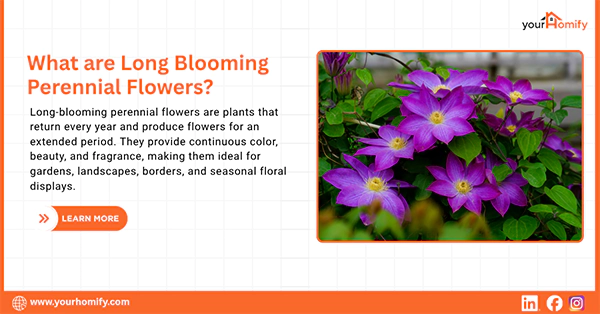
The long-blooming perennial flowers are plants that have a long flowering window lasting 4-6 weeks. Unlike annual flowers, they do not require frequent replanting and continuous care, which makes them a favorable option for novice and experienced gardeners alike.
Along with adding long-lasting color, they are also popular for being pollinator-friendly, extremely resilient, and adaptable to different garden designs.
The next part of the article discusses 10 popular long blooming perennials that you can plant in your garden this coming spring.
10 Best Long Blooming Perennial Flowers for Year-Round Colour
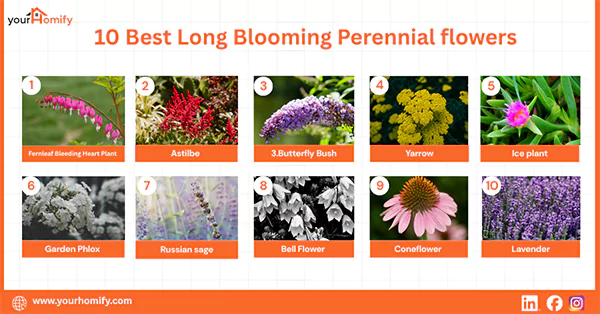
For all the gardening enthusiasts, long blooming perennials are the fernleaf bleeding heart plant, astilbe, butterfly bush, yarrow, ice plant, garden phlox, Russian sage, bellflower, coneflower, and lavender.
These flowers can be used for both landscaping and decorative purposes for special occasions.
1. Fernleaf Bleeding Heart Plant
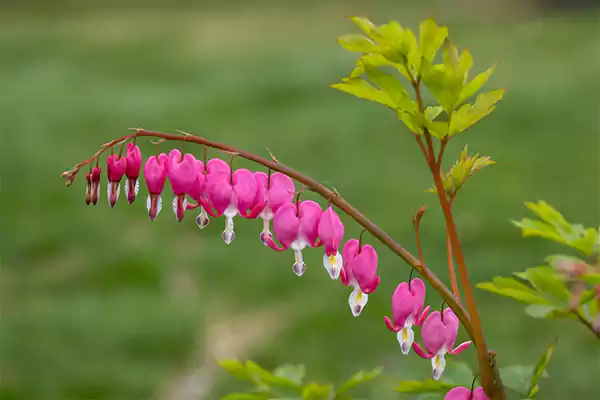
- Botanical Name: Dicentra eximia
- Hardiness: USDA zones 3-9
- Native Range: Eastern America
- Bloom Month: May to October
Different from the traditional bleeding heart plant, the fernleaf bleeding heart plant is a long-blooming perennial flower, unlike the true variety, which blooms only a few weeks in the spring.
Featuring a unique heart shape, these spring flowers are planted for their ornamental value. They thrive in partial shade and well-draining soil and are deer- and rabbit-resistant; hence they can be planted without hassle.
2. Astilbe
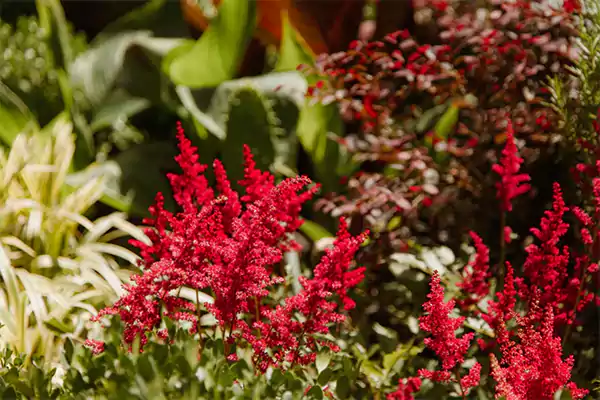
- Botanical Name: Astilbe
- Hardiness: USDA zones 3-9
- Native Range: East Asia
- Bloom Month: May to August
Also known as the false spirea, the astilbe is a herbaceous perennial that grows clump-forming flowers in the form of spikes in the colours purple, red, and white.
Due to their spiky flower structure, they are perfect for adding height to the garden but are also well-suited as indoor plants.
3. Butterfly Bush
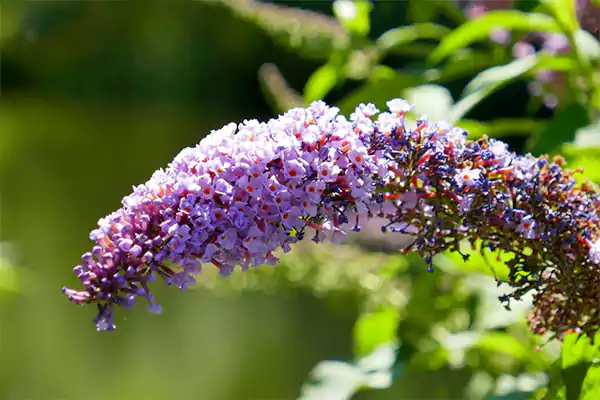
- Botanical Name: Buddleja davidii
- Hardiness: USDA zones 3-9
- Native Range: China and Japan
- Bloom Month: June to September
Butterfly bush, as the name suggests, is a butterfly magnet that grows a lilac-colored cluster of flowers, which have a honey-scented fragrance appropriate for ornamental purposes.
Reaching up to a height of 10-12 feet, the butterfly bush is a flowering shrub that is a low-maintenance plant grown in full sun and well-draining soil.
4. Yarrow
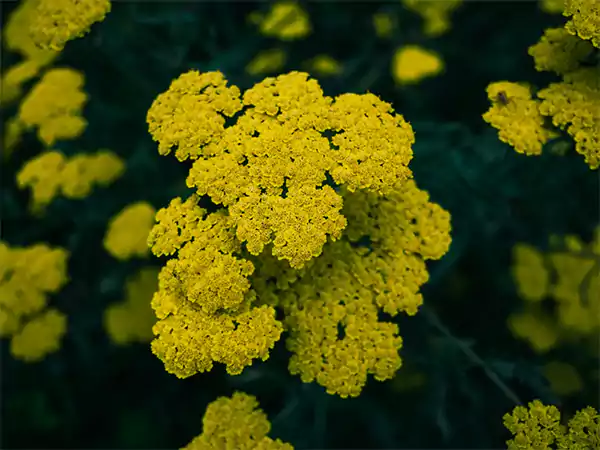
- Botanical Name: Achillea millefolium
- Hardiness: USDA zones 3-9
- Native Range: America, Europe, and Asia
- Bloom Month: June to July
Yarrow is a long-blooming perennial growing in clusters of small white and yellow flowers along with feathery leaves, which are ideally used for landscaping purposes, especially in cottage gardens.
These highly drought-tolerant flowers are associated with the ideas of healing, protection, and lasting love.
5. Ice Plant
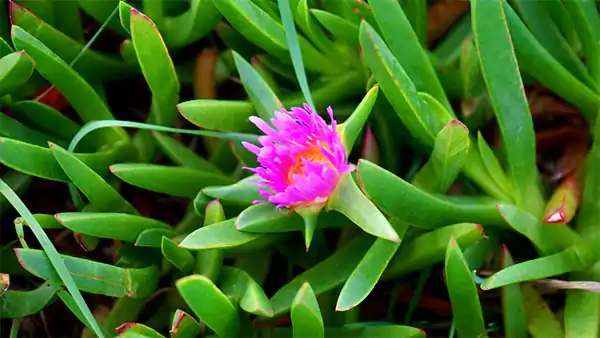
- Botanical Name: Delosperma spp.
- Hardiness: USDA zones 5-9
- Native Range: South Africa
- Bloom Month: June to September
Popularly known as the sea fig, the ice plant is a succulent that has a mat-forming growth habit and is used as a ground cover. These long blooming perennials are fast-growing and heat- and drought-tolerant due to their thick, fleshy leaves, which store water to survive in dry conditions.
YourHomify Insight
As per ASPCA, the ice plant is non-toxic for pets.
6. Garden Phlox
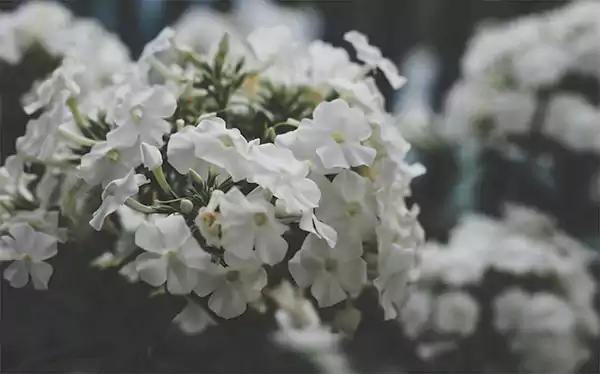
- Botanical Name: Phlox paniculata
- Hardiness: USDA zones 4-8
- Native Range: Eastern America
- Bloom Month: July to September
Part of the Polemoniaceae family, the garden phlox is a summer flower that features a cluster of small blooms that are used in flower arrangements but are best suited as a container plant or in a cottage garden.
Although garden phlox is drought-tolerant, it still prefers consistently moist soil along with full sun to partial shade.
7. Russian Sage
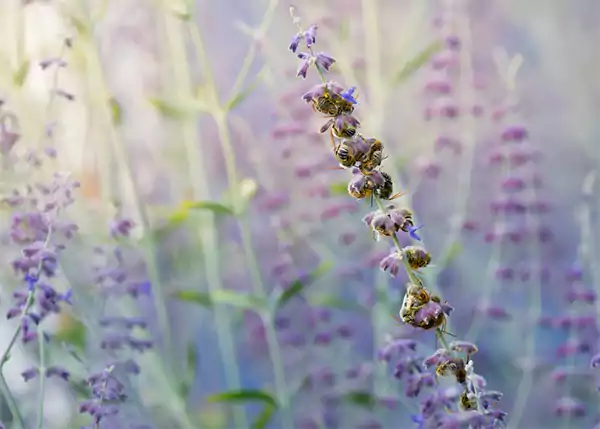
- Botanical Name: Salvia yangii
- Hardiness: USDA zones 4-9
- Native Range: Southwest and Central Asia
- Bloom Month: May to November
Also known as salvia, the russian sage is a long-blooming perennial with small, tubular flowers and grey-green leaves that thrive in full sun and well-drained soil with consistent watering; later it develops slight drought tolerance.
While salvia is an edible flower, note that salvia divinorum can be toxic to ingest.
8. Bell Flower
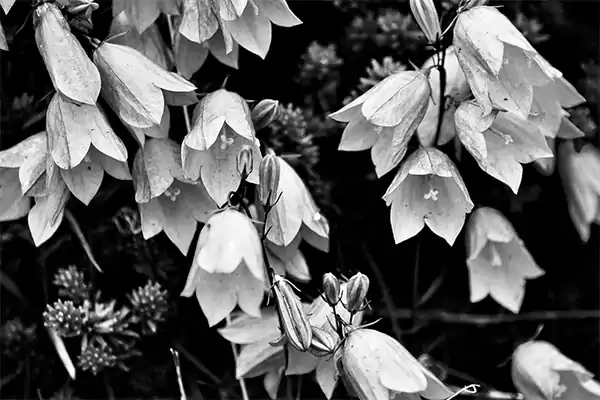
- Botanical Name: Campanula spp.
- Hardiness: USDA zones 3-9
- Native Range: Northern Hemisphere (temperate regions)
- Bloom Month: June to August
Popularly known as the campanula, the bell flower, as the name suggests, features bell-shaped flowers and lance-shaped foliage, which grows up to 6 feet; hence, it is ideal to add height to the garden.
Bell flowers prefer full shade but can tolerate full sun; however, make sure they are protected from the afternoon sun to ensure a long display of blooming flowers.
9. Coneflower
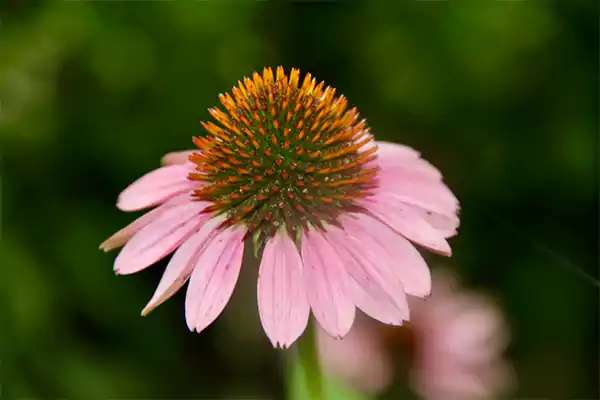
- Botanical Name: Echinacea purpurea
- Hardiness: USDA zones 3-9
- Native Range: North America
- Bloom Month: June to August
Part of the aster family, the coneflower is a herbaceous perennial that features cone-like purple flowers grown for landscaping purposes. These wildflowers are great pollinators and easy to care for due to their resilient nature.
As per NCBI, echinacea is used to treat the symptoms of a cold and cough, which needs more clinical research. Lastly, November 15 is celebrated as World Echinacea purpurea Day worldwide.
10. Lavender
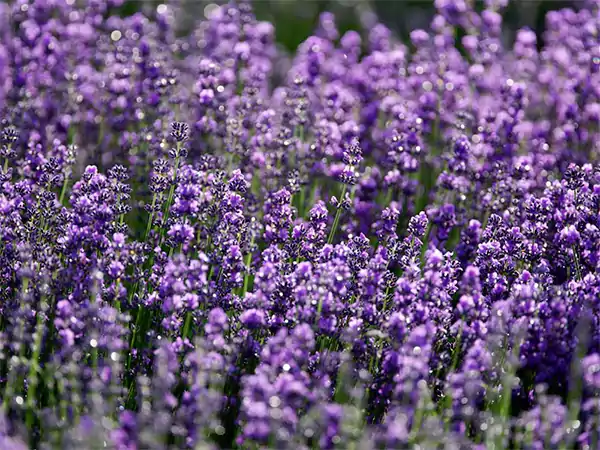
- Botanical Name: Lavandula
- Hardiness: USDA zones 5-9
- Native Range: Mediterranean regions
- Bloom Month: May to August
One of the most popular garden flowers, lavender has grey-green foliage and purple, spike-like, fragrant flowers. There are different types of lavender flowers, which have different blooming cycles.
These garden flowers, symbols of purity and serenity, are used for aromatherapy and to treat skin issues due to their anti-inflammatory properties.
Concluding Remarks
Long-season perennials are beneficial garden flowers that have a bloom period of longer than a few weeks, unlike annuals, which makes them extremely favored by gardeners.
They bring color to the garden with minimal effort and reduce the need for frequent replanting. My advice would be to mix them with short-lived flowers and annuals for better contrast and textures.
Happy Gardening!
FAQs
Are there any perennials that bloom all summer long?
Yarrow and coneflower are flowers that bloom all year long.
What is the best flowering perennial?
There is no single best flowering perennial, but flowers like fernleaf bleeding heart, lavender, and coneflower are some good options.
What are some tall flowering perennials?
Russian sage and coneflowers are tall flowering perennials perfect for landscaping purposes.
What is the longest-flowering perennial?
Cranesbill, catmint, and coreopsis are some of the longest-flowering perennial blooms.
What is the 3-year perennial rule?
The 3-year perennial rule involves year 1 of root development, 2 years of leaves and bloom formation, and strong flower production in the 3rd year.
How to Grow Sunflowers: Seeds, Care & Harvesting Guide
[…] Perennial flowers like sunflowers should be pruned twice a year. Use hand pruners or hedge shears and sterilize them […]
Louisiana State Flower: Magnolia Facts, Meaning & History
[…] is a long-blooming perennial with a lifespan of around 80-120 days. It is best to plant it in USDA hardiness zones […]