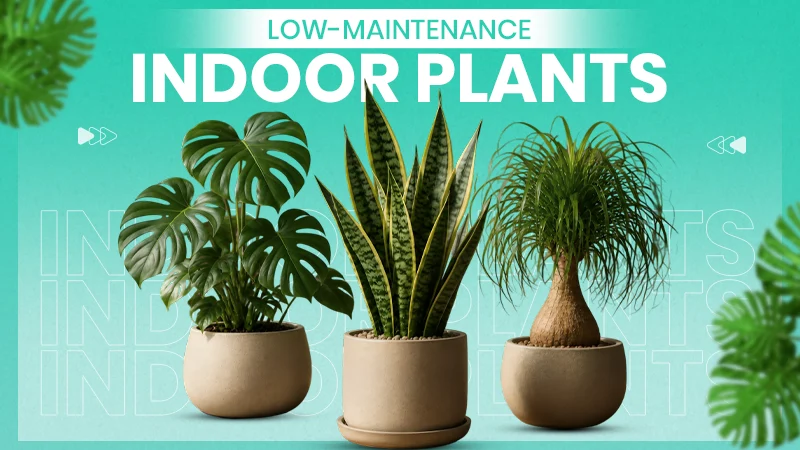
Plants have the beauty of vibrating every corner while maintaining sustainability at the same time. Whether it’s a space or a home decor idea for a rented room, low-light houseplants are the best.
So if you are someone who wishes to add the green effect to your rented apartment, here is a guide to understand the practical tips behind having these plants without spending a loft of money.
Low-Light Plants Make Sense for Renters
Renters face a unique set of limitations. You often can’t drill into walls, install grow lights permanently, or rearrange a room’s layout to capture the sun. Leases also tend to be short-term, which means any plant investment needs to be portable and forgiving. Low-light plants solve both challenges. They generally need less maintenance, tolerate inconsistent watering schedules, and can be moved from one rental to the next without missing a step. For anyone who’s spent a summer between leases, that flexibility matters as much as the aesthetic appeal a few green leaves bring to a bare room.
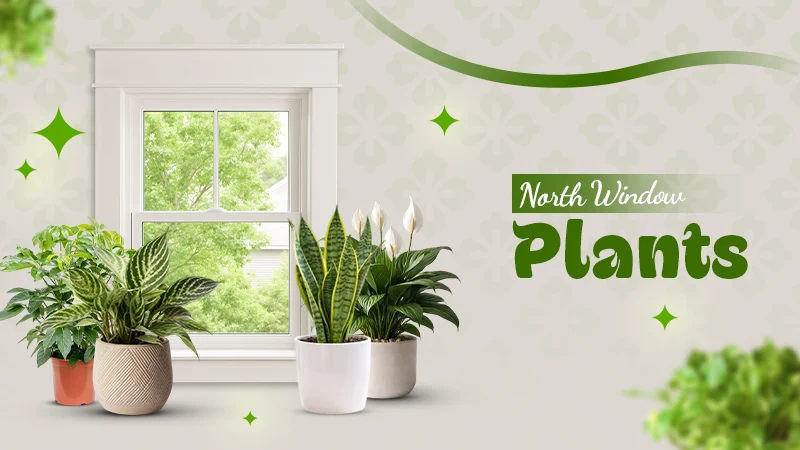
Top Picks for Dim Corners and North-Facing Windows
A handful of plants consistently perform well even in rooms with limited natural light:
- Snake plant (Sansevieria): Nearly indestructible, it tolerates low light and sporadic watering, making it a favourite for first-time plant owners.
- ZZ plant (Zamioculcas zamiifolia): Its glossy leaves store water, so it can go weeks without attention and still look healthy.
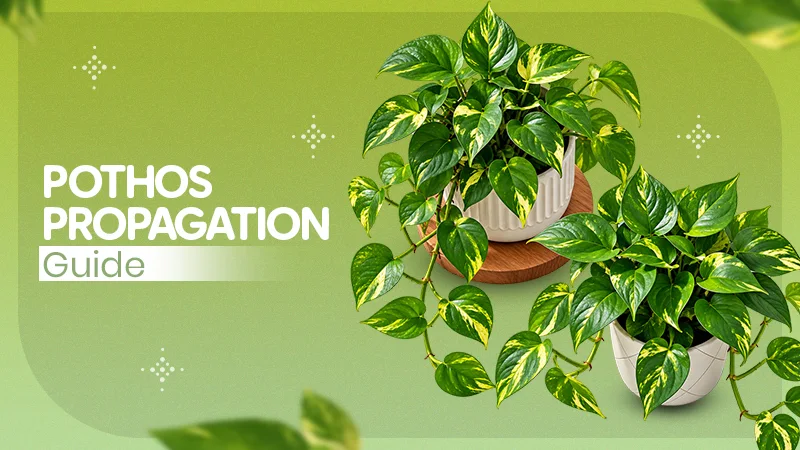
- Pothos: A trailing vine that thrives in almost any light condition and is easy to propagate if you want more plants for free.
- Cast iron plant (Aspidistra elatior): Slow-growing but extremely tolerant of neglect and shade, ideal for a room you’re seldom in during daylight hours.
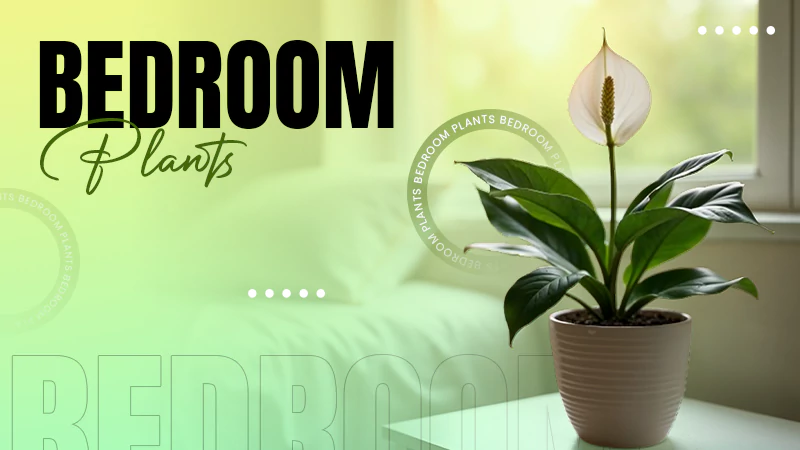
- Peace lily: Has visible blooms even in shade, though it prefers slightly more moisture than the others on this list.
Each of these can live comfortably several feet from a window, which is often the situation in small rented rooms where furniture placement limits how close you can get a plant to natural light.
Matching Plants to Your Room’s Actual Light Conditions
Before buying anything, spend a day monitoring your room. Note whether light comes in briefly in the morning or afternoon, and whether it’s direct sun or a soft glow through a curtain or nearby building. Rooms with only artificial light or a single small window fall into the “low light” category, while anything with a few hours of indirect sun daily can accommodate slightly more demanding plants like pothos or peace lilies.
This kind of observation is especially helpful if you’re still searching for a place to live. SpareRoom.com offers plenty of listings and available rooms for rent. It’s worth paying attention to photos and floor plans that show window placement and orientation, since that detail can determine which plants will actually survive in a room long after you’ve signed the lease.
Practical Care Tips That Prevent the Most Common Mistakes
Overwatering, not lack of light, is the most common reason low-light plants decline. Because these plants grow slowly in shade, they use water more efficiently than a plant in bright sun. Let the top inch or two of soil dry out between waterings, and always check drainage before buying a pot, since standing water at the roots leads to decay faster than almost any other issue.
Dust also tends to collect on leaves in rooms with less airflow, so wiping foliage every few weeks helps the plant absorb what little light is present.
Setting Up Plants for an Easy Move
Because rental life usually means relocating every year or two, it helps to keep your plant setup portable from day one. Choose lightweight pots over heavy ceramic ones, and also avoid built-in planters or anything that means you have to drill into the walls.
Grouping a few plants on a single tray or rolling stand is what makes it simple to shift them during a move or when rearranging the main furniture for a new roommate. If you’re someone coordinating a move with someone else, or looking for a new room altogether, keeping your plant collection compact and mobile can mean you won’t have to leave any of them behind.
Bringing It All Together
With species like snake plants, ZZ plants, and pothos, even the dimmest rented room can provide support for a bit of greenery without risking damage to the space. The key is to start by matching each plant to your room’s real light conditions, watering conservatively, and keeping your setup easy to transport. As you begin to settle into your space, or start planning your next move, a little forethought about light and layout can make all the difference in which plants will actually thrive alongside you.
Which houseplants are best for low light?
Some of the best low-light indoor plants include calathea, cast iron plant, monstera, philodendron, pothos, prayer plant, snake plant, spider plant and zz plant.
What are common low light plant problems?
Low light levels can result in few or no flowers and spindly, lanky growth as the plant stretches towards the sun.
What is the best house plant for shade?
Ferns are classic plants for shady spots, both indoors and out. With its fresh lime-green arching fronds, the sword fern ‘Bostoniesis’ or Boston fern (Nephrolepis exaltata ‘Bostoniensis’) is a very popular houseplant.
What plants can survive without a window?
Examples of plants that can cope without natural light include Aglaonema (Chinese Evergreen), Zamioculcas (ZZ Plant), Monstera deliciosa (Swiss Cheese Plant), and Golden Pothos (Devil’s Ivy).