Propagating pothos is the best way to multiply the plants using existing parent plants. The ideal way to propagate pothos is through stem cuttings in different mediums like soil, water, and sphagnum moss, with soil being the most efficient method, ensuring stronger roots. Another way to propagate pothos is by separating the roots and planting them separately in different pots with a new soil mix.
As per my experience, planting stem cuttings in water is the most beginner-friendly way to propagate pothos, but this can vary as per personal needs and expertise.
If you are also wondering how to propagate pothos, come along as I share the detailed step-by-step guide to propagate this indoor plant using different methods/mediums, with common mistakes, solutions, and care tips.
Quick answer
To propagate pothos, start by taking a healthy plant stem, cutting it just below the node, and placing this stem either in water or a soil medium as per preference. Take a healthy pothos stem and find a node. Using pruning shears, make a small cut 1 inch below the node. Place the stem in water or soil and wait for the roots to grow. Gently transfer the small developed roots to a pot of soil mix.
Materials Required For Propagating Pothos
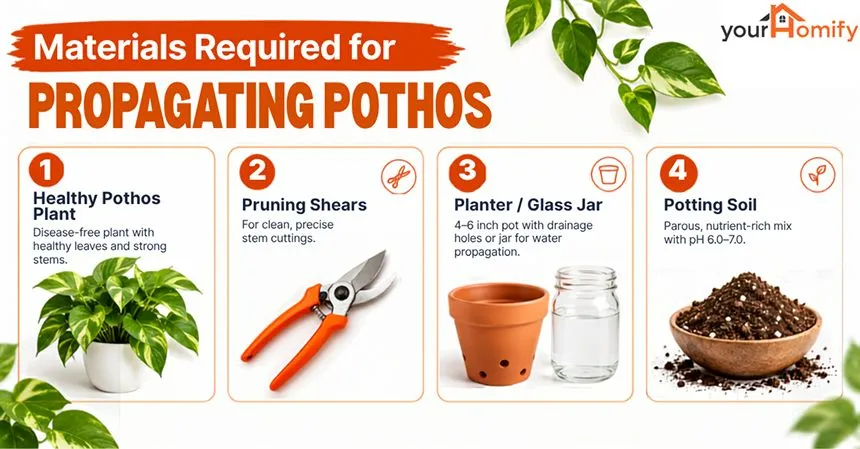
Some essential materials required for propagating pothos are a healthy pothos plant, pruning shears, a planter/a glass jar (for water propagation), and a porous planting mix for soil propagation.
Take a look at the materials required and their importance in detail:
- Healthy Pothos Plant: The most essential material for propagation is a healthy pothos plant. Make sure you select a healthy plant that has been growing in its pot. The ones with wilted leaves and yellow spots should be discarded immediately and should not be used for propagation, as they would not root the same as the healthy ones.
- Pruning Shears: This gardening tool is used to make sharp and precise cuts in the stem cuttings before they are placed in a new soil mix. It prevents wear and tear on the stem of the plant. Additionally, pruning shears are also essential to snip off the dead and diseased parts of the plant.
- Planter: The best planter for pothos soil propagation is a 4-6 inch pot with drainage holes, as it reduces the chances of root rot and waterlogging. You can also use a glass jar for water propagation to assess the water condition.
- Potting Soil: Pothos prefer a porous, nutrient-rich soil mix with a neutral soil pH between 6.0 and 7.0. Prefer adding some organic matter to the soil for proper aeration and added nutrition.
How to Propagate Pothos Using Stem Cuttings? Soil, Water, and Sphagnum Moss
Propagating pothos using stem cuttings involves cutting a healthy pothos vine just below the node and placing it in your preferred medium: soil, water, or sphagnum moss.
Take a look at how to propagate pothos using stem cuttings through different growing mediums.
1. Soil Propagation
Step 1: Select a healthy parent pothos plant and gently remove the plant from the container.
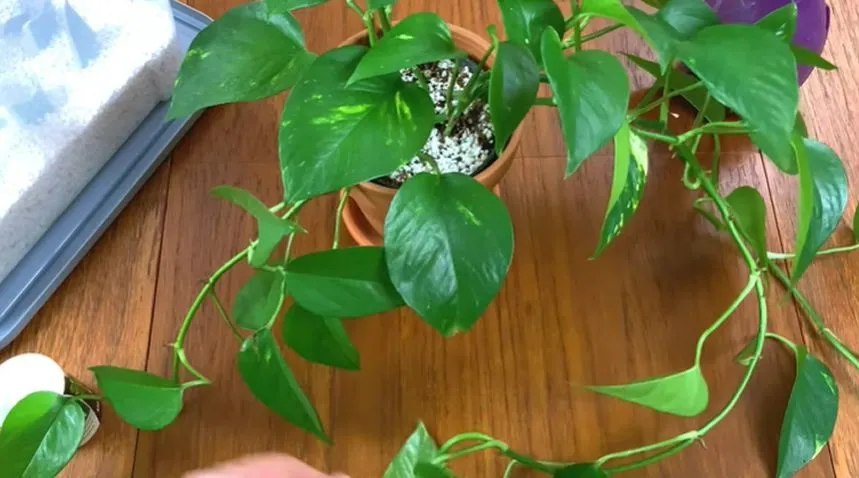
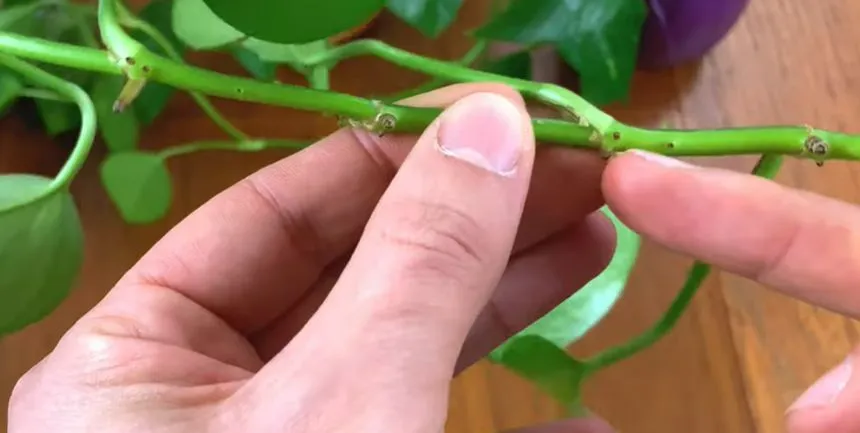
Step 2: Take a stem and identify a node (small bumps on the stem where the roots grow from). Cut 1 inch below the node. Snip off all the leaves from the lower part of the stem. No leaves should be submerged in the soil, as that can cause rot.
Step 3: You can also dip the stem in rooting hormone for a few seconds before planting to accelerate root formation.
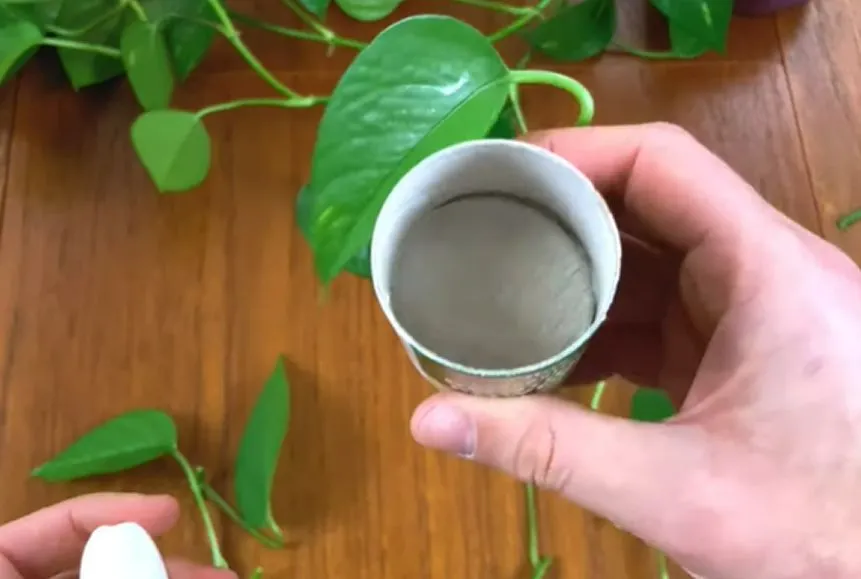
Step 4: Take a pot filled with a well-draining soil mix, make a hole in the center, and place the stem cutting gently. Refill the gaps with soil and dab it gently.
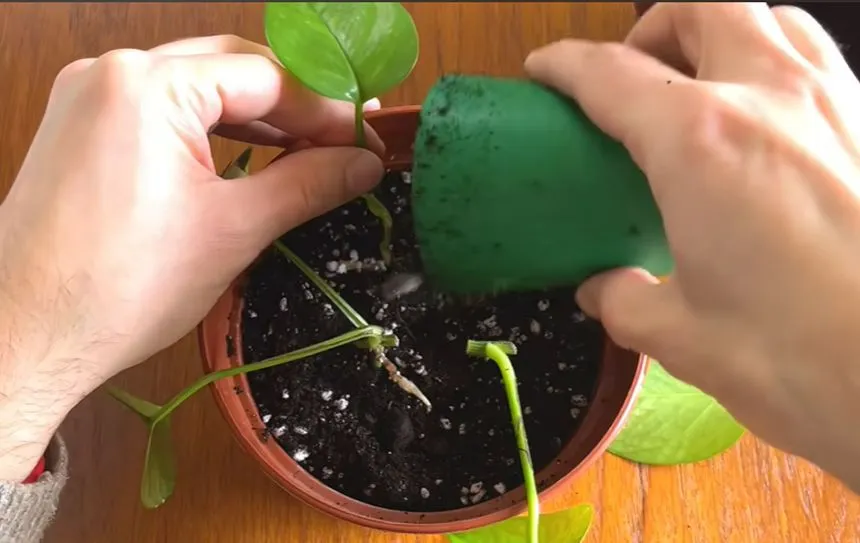
Step 5: Place the pot near a north-facing window for indirect sun exposure and water it consistently throughout the growing season.
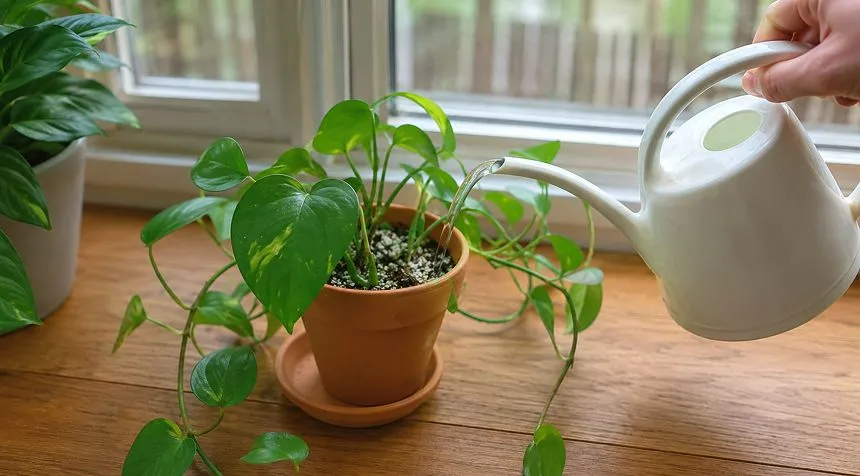
2. Water Propagation
Step 1: Take a healthy pothos plant stem with small brown bumps called nodes, the place where roots emerge.
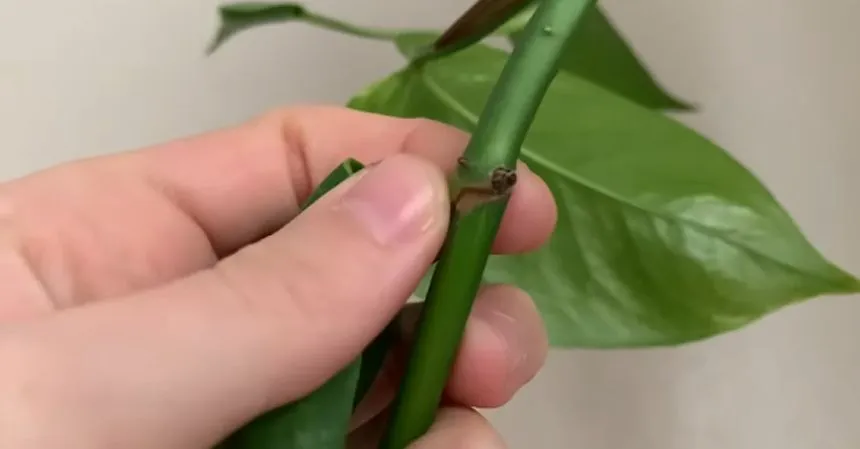
Step 2: Cut the stem 1 inch below the node, and do not keep the cutting longer than 4 inches. Trim any leaves below the node, as any foliage coming in contact with water can rot, harming the growth of the entire plant.
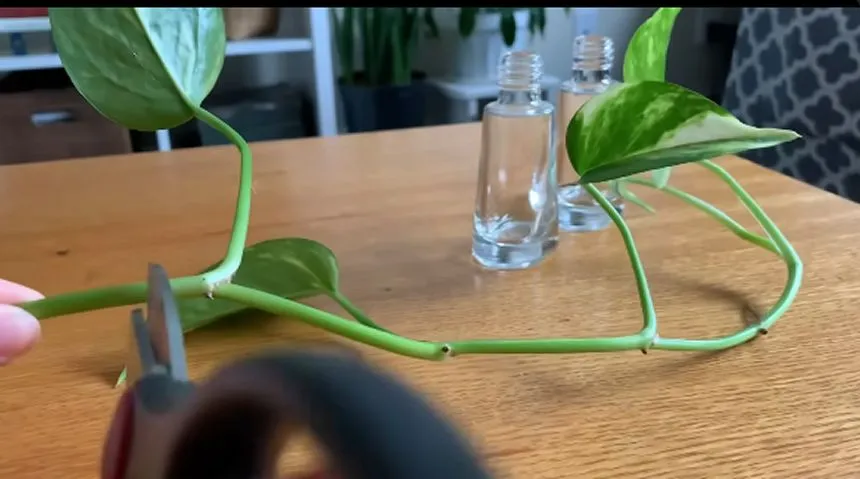
Step 3: Take a glass jar and fill it up with room-temperature water, and gently place the stem cuttings in the water.
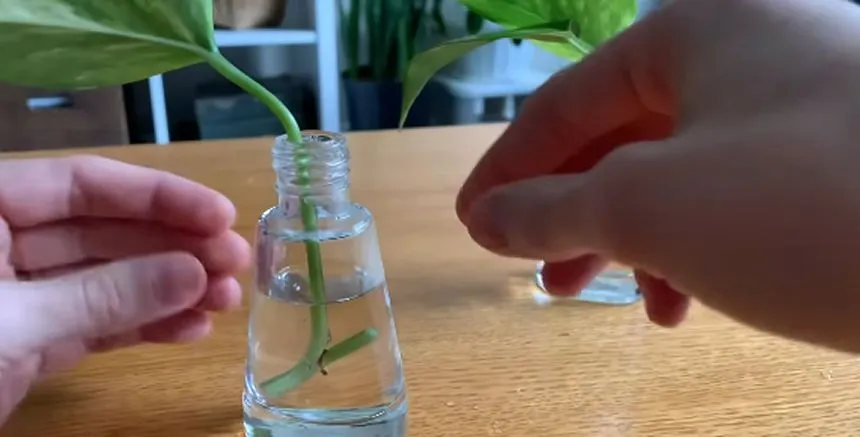
Step 4: Carefully observe the roots over the course of a few weeks and change the water as it turns cloudy or every 3 days to prevent any sort of contamination and root rot.
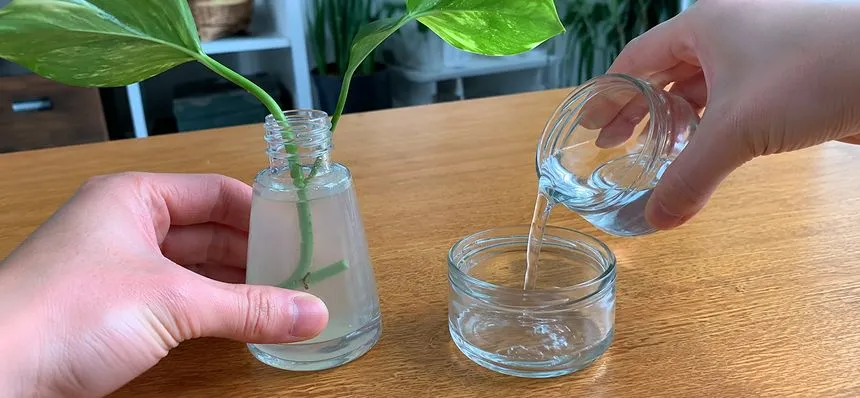
Step 5: In about 2 weeks, the pothos cuttings will start to form roots. Now, you can transfer the plant into a well-draining potting mix. While pothos are water plants, soil provides adequate nutrition for the plant’s long-term health.
3. Sphagnum Moss
Step 1: Take sphagnum moss and dip it in water for 20 minutes to make it a little moist. Squeeze it to remove excess moisture. It is a dried plant matter that has excellent water retention and is credited with the ability to hold 20 times its weight in water.
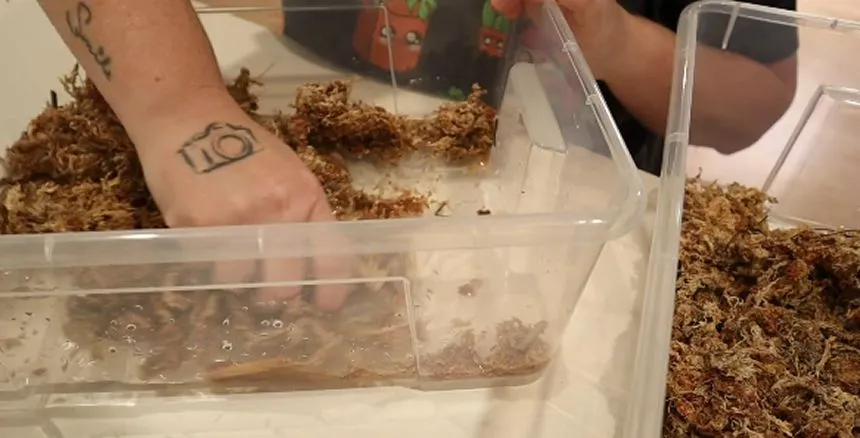
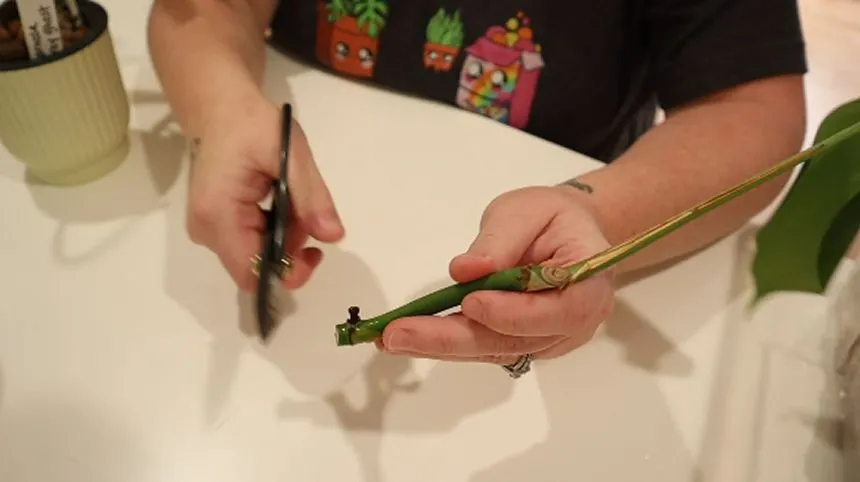
Step 2: Take a pair of pruning shears and trim off 3-4-inch stem cuttings of a plant, removing the leaves below the node.
Step 3: Keep the sphagnum moss in a container and place the ends of the stem cuttings in the moss.
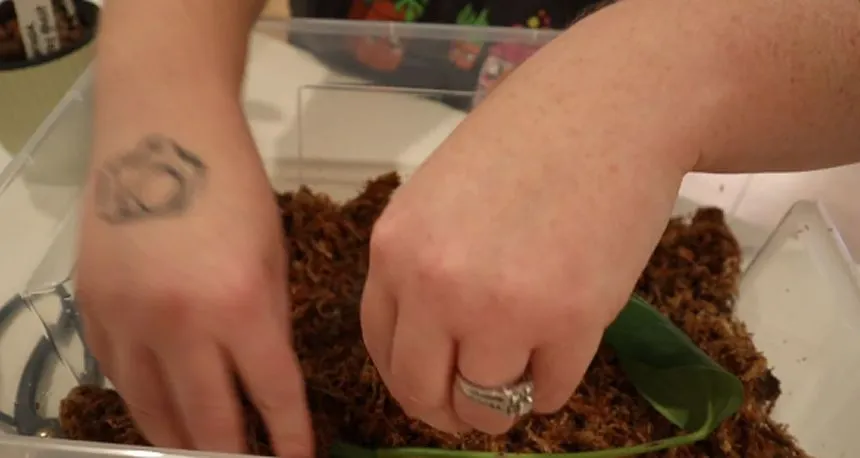
Step 4: Keep the moss consistently moist and away from direct sunlight. The plants will start to root in about 1-2 weeks.
YourHomify Insight
It is illegal to propagate some varieties of pothos, like Snowy Stream and Green Isle, as they have been patented due to their distinctive foliage, as stated by the University of Florida.
Propagating Pothos Using Root Division
To propagate pothos using root division, start by selecting a healthy parent plant, gently remove it from its pot, separate the roots, and repot it into a new pot with fresh soil.
Take a look at the step-by-step guide for propagating pothos using root division:
Step 1: Take a healthy pothos parent plant that has been outgrowing its pot and gently remove it from its container.
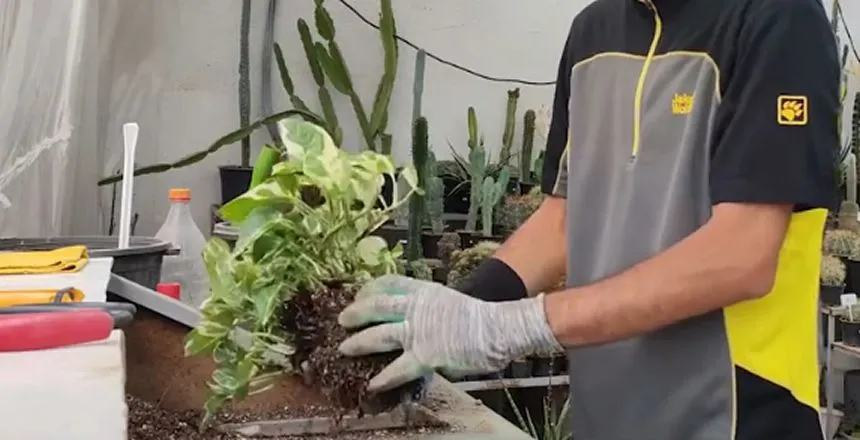
Step 2: Gently divide the roots into small sections without damaging the plant. Look for sections of the stem grouped together. I recommend using a gardening knife, also called a hori hori, to make these divisions for the most precise cuts.
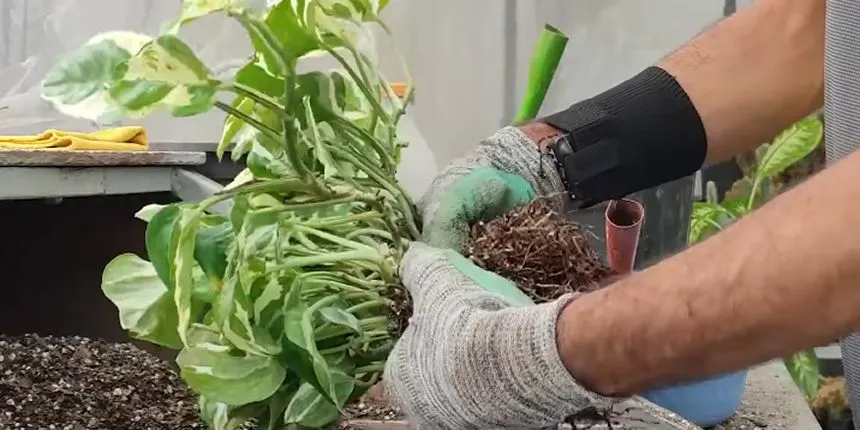
Step 3: Shake off the excess soil from the roots and prepare a container with a new potting mix. Pothos thrive in a well-draining, nutrient-rich soil mix with a neutral pH (6.0-7.0).
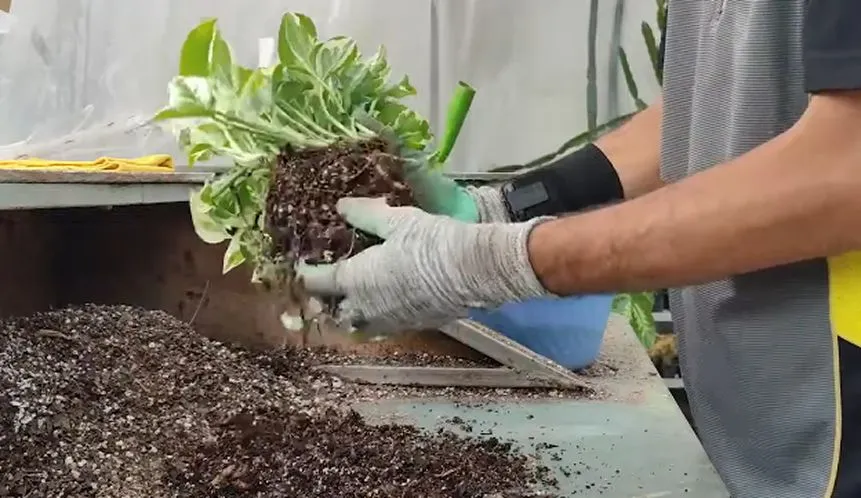
Step 4: Make a 2-4-inch-deep hole in the soil and carefully place the root ball. Make sure the roots do not have to bend to fit in the hole, as that can suffocate them and hamper the plant’s growth.
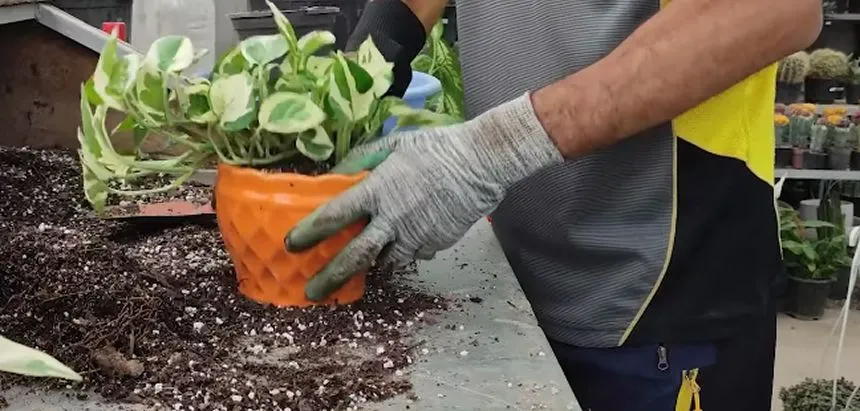
Step 5: Water the plant immediately and keep it consistently moist but not waterlogged. Place it near a north-facing window, as pothos prefer bright, indirect sunlight.
YourHomify Insight
Do not confuse root division with repotting, which is the process of transferring an existing plant to a new pot due to a smaller size. Root division separates the root balls into different sections, which is not the case with repotting.
What is the Best Time to Propagate Pothos?
Pothos are best propagated during spring and summer, which is the peak growing season for the plant. They are generally grown from March to August, and that makes propagation much easier and more efficient during these months. The warm temperatures and warm weather accelerate the process of root development.
While early fall is still considered an ideal time to propagate, I would not recommend dividing the pothos plant in fall or winter. As the plant is preparing to enter dormancy, root development may stress the plant, resulting in delayed root growth and increased chances of wilting and tissue burn. The only condition for propagating pothos in winter is that they are placed indoors and a consistent warm temperature is maintained, not dropping below 15°C.
YourHomify Tip
According to ASPCA, pothos are considered toxic to pets; hence, keep them at a safe distance. All parts of the plant contain calcium oxalate, which makes the plant toxic to ingest. I would also recommend wearing gloves while handling the plant.
How Long Does Pothos Take to Root?
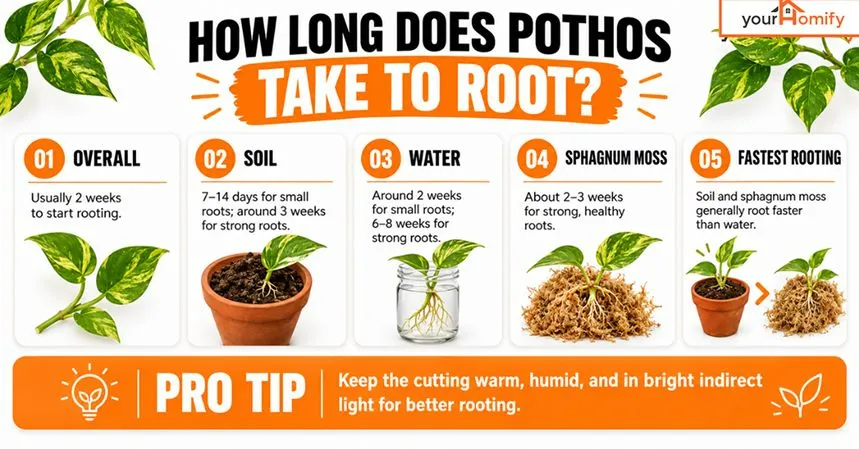
It usually takes 2 weeks for the pothos stem cuttings to root, but it depends on the propagation medium and the care provided to the plant. Soil propagation takes 7-14 days to root, while water propagation takes around 21 days or more for stronger roots. Sphagnum moss also roots in just 2 weeks with strong, robust roots.
Here is a detailed description of the rooting schedule of pothos based on the growing medium:
- Soil: A pothos cutting propagated in soil takes about 7-14 days to form small roots and about 3 weeks for strong and robust ones. Soil is a fast and efficient medium to propagate pothos, as it ensures fast results with zero chances of transplant shock.
- Water: Water propagation usually takes 2 weeks to form small roots and around 6-8 weeks to form strong roots. Many gardeners prefer transplanting the newly developed baby roots to the soil, as water takes the most time to form roots due to low nutrient content.
- Sphagnum Moss: A Pothos stem cutting placed in sphagnum moss takes 2-3 weeks to form strong, robust roots. This spongy, dried plant material is used in propagation due to excellent water retention and consistent airflow. Plants root faster in moss due to its airflow and water retention abilities.
Water vs Soil Propagation: Which Is the Better Alternative?
Soil propagation is better for plants if you are looking for long-term growth, and water as a medium for propagation can give you faster growth. While no alternative is universally better than the other, the choice depends on your long-term goal.
Take a look at this comparison table between water and soil propagation to choose wisely.
| Water Propagation | Soil Propagation |
|
|
As per the comparison table, it can be concluded that both mediums have their set of pros and cons. Water propagation is great if you are a beginner and need hassle-free propagation, while soil ensures adequate nutrients, stronger roots, and no transplant shock.
Common Mistakes While Propagating Pothos and How to Fix Them
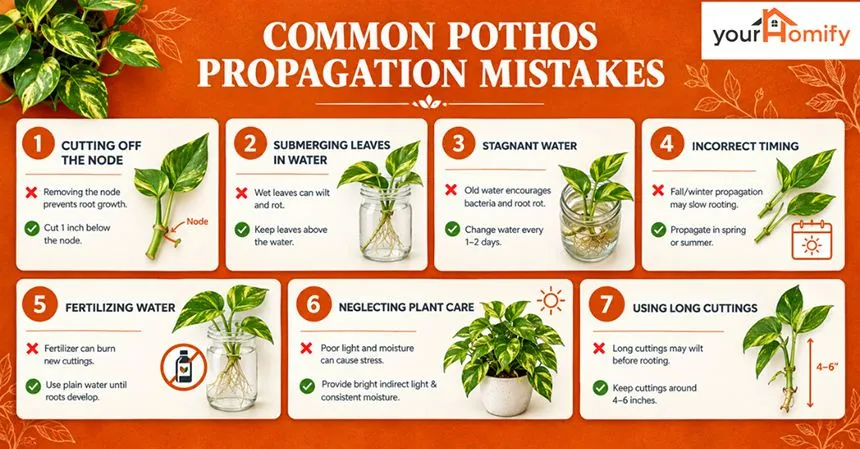
Cutting the node, submerging leaves in water, incorrect propagation timing, stagnant water, using long cuttings, and neglecting overall plant care are some common mistakes gardeners make while propagating pothos.
I have discussed these mistakes in detail along with their solutions:
Mistake 1: Cutting off the Node
The node is the most important part of propagation, and it is the part that is responsible for root growth. Some gardeners snip off the node and submerge the cut stem end in the soil, which can lead to stem rot.
Solution: Check for a small brown bump on the stem and cut 1 inch below the node to enable root development.
Mistake 2: Submerging Leaves in Water
While propagating in water, submerging the leaves in water or letting the foliage touch the water surface can lead to premature wilting.
Solution: Remove all the leaves around and below the node to avoid water contact with the foliage. Remember not to remove all the leaves of the stem, as that can also affect root formation. I would also recommend trimming all the dead and wilted leaves.
Mistake 3: Rooting in Stagnant Water
Leaving the pothos roots in stagnant water can cause oxygen depletion and root rot. Leaving the plant in the same water until the roots develop can harm growth.
Solution: Use a clear glass jar for water propagation so that you can check if the water turns cloudy. Keep changing the water regularly within 1-2 days to reduce the chance of bacterial growth.
Mistake 4: Incorrect Propagation Timing
Propagating pothos in fall is a common practice done by beginners. Fall is the time when the plant is beginning to enter dormancy and hence should not be made to undergo such a process. Dividing and repotting the plant can cause root stress, resulting in root rot and premature wilting.
Solution: The best time to propagate pothos is spring and summer. That is the peak growing season of the plant, and the chances of faster root development are much higher compared to that in winter.
Mistake 5: Fertilizing Water
Do not add any sort of plant food to the container during water propagation. Water as a medium of propagation can be less nutrient-dense than soil, but adding fertilizer can cause severe bacterial infection and tissue burn. This happens because the plant has not yet developed roots, and adding fertilizers can stress it further, diverting from the process of root development.
Solution: Avoid any sort of additional chemicals in the water when propagating pothos. You can add a 10-10-10 houseplant fertilizer to the soil when planting in a container with a potting mix after the roots have developed.
Mistake 6: Neglecting Overall Plant Care
The plant can go through transplant shock during propagation, which can lead to yellow leaves and root rot. It is important to provide the pothos plant with bright indirect sunlight, consistent moisture, and seasonal plant feeding to ensure healthy growth.
Solution: Make sure the plant receives bright, indirect sunlight with consistent moisture. Pothos plants generally prefer warm temperatures between 65 and 80°F, so place them away from cold drafts.
Mistake 7: Using Long Cuttings
Placing long pothos stem cuttings in soil or water for propagation can kill your plant before forming roots. A single stem cutting does not have the capacity to provide nutrition to the entire vine. Too long a cutting can cause early burnout and energy imbalance and decelerate the process of root development.
Solution: The ideal height of a stem cutting for propagation is around 4-6 inches. Anything longer than this can stress the cutting and lead to premature wilting.
Care Tips for Pothos After Propagation
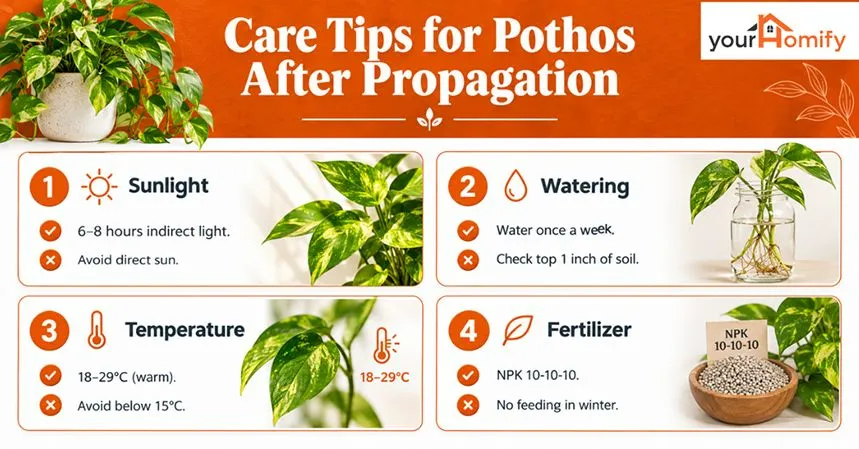
To care for pothos after propagation, provide it with 6-8 hours of indirect sunlight, weekly watering, a warm temperature, monthly fertilizing with an NPK 10-10-10 fertilizer, and regular pruning. All of these steps collectively contribute to the well-being of the plant.
Take a look at the care tips for the pothos plant in detail:
1. Sunlight
6-8 hours of indirect sunlight is considered ideal for these tropical plants. This low-light plant can tolerate a few hours of direct morning sun, but consistent direct sun exposure can cause the leaves to burn and wilt. Once the plant matures, it can then survive on 4 hours of sunlight as well, but too little light can lead to leggy leaves and stunted growth.
2. Watering
Pothos can survive with medium to low watering as well. Ideally for young pothos, watering once a week and keeping the soil consistently moist works well. A general rule of thumb gardeners apply is to check the top 1 inch of the soil. If it’s dry, water it thoroughly.
3. Temperature
Pothos are tropical plants that are hardy in zones 10-12, which means they preferably grow in warmer regions intolerant of frost. The ideal temperature for pothos to grow is18-29C with the minimum temperature being 15°C. Anything below this minimum temperature range can cause damage to the plant. Therefore, bring the pothos indoors when dormancy arrives.
4. Fertilizer
As per the South Dakota State University Extension, pothos plants are not heavy feeders and usually prefer a balanced fertilizer with an NPK ratio of 10-10-10 twice a month during the growing season. I would recommend avoiding feeding the plant during the dormant winter months, as the plants enter a rest period and fertilizer might stress the roots. Remember not to overfeed the plant, as that can also lead to root rot. Follow the instructions mentioned on the packet.
YourHomify Insight
Propagation is also one of the key care tips for pothos. When a plant outgrows its pot, it is usually recommended to divide the plant and replant it in a new pot. This process helps in growing new plants and maintaining the life of the parent plant.
Concluding Remarks
Conclusively, propagating pothos is simple and rewarding. Stem cuttings and root division both have similar results. I prefer stem cuttings due to the hassle-free approach. Water propagation through stem cuttings is a much more beginner-friendly alternative, while using soil and sphagnum moss ensures stronger roots in less time but may require a little preparation.
My advice to beginners would be to go for water propagation while keeping in mind the chances of transplant shock when transferring it to soil. It may seem a little tricky at first, but it gets easier with consistent care and observation.
FAQs
Where to cut pothos to propagate?
It is recommended to cut 1 inch below a leaf node when propagating a pothos. A leaf node is a small brown bump from which the roots grow, and hence it is important not to cut off that part or leave a part below it for planting.
Is it better to propagate pothos in water or soil?
There is no universally better alternative for propagation. Propagating pothos in water is much simpler and can ensure timely assessment of the roots, while soil ensures that the plant gets adequate nutrition.
Why is it illegal to propagate pothos?
Yes, it is illegal to propagate some varieties of pothos, like Global Green pothos. While not all varieties fall under this category, it is advised to look at the plant label to ensure utmost safety.
What is the fastest way to propagate pothos?
The fastest way to propagate pothos is using the water propagation method. Take a healthy stem, cut it, trim it 1 inch below a leaf node, and dip it in a jar/glass of water. The roots will start to emerge in about 2 weeks.
Do pothos prefer to climb or to hang?
Pothos are climbing plants but can be grown either way. You can attach it to a trellis and let it grow naturally or plant it in a hanging basket for a more cascading look.