


Just like me, if you are also trying to figure out the peony season, then let me tell you that it’s all about the right bloom time and the ideal conditions. Understanding when peony flowers are in season has made a huge difference in how I plan my garden.
The peony season generally runs from late April to mid-June, but the actual time period depends on several other factors. In this guide, I will explain the blooming time of this flower by month, region, and variety.
Quick Answer
The typical peony season begins in late April and is extended to mid-June, offering a short 6-8 week window of peak availability. The exact bloom time varies with factors such as climate, region, and variety. Early bloomers flower first, followed by mid-season and late-blooming varieties, creating a staggered growth pattern.
Due to this spaced-out blooming window, peonies are mostly only available as fresh flowers, while off-season availability is dependent on imports.
Peony Bloom Time by Month (Complete Breakdown)
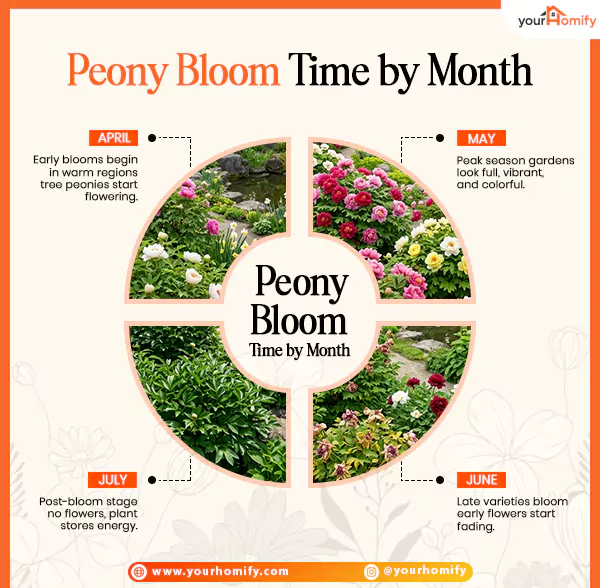
When I first started growing this alluring species, I assumed it bloomed at a fixed time. However, I soon realized that peony season is staggered, with blooms varying by month, region, and even by variety.
This means instead of a short budding window, the peony blooming season can be extended to 6–8 weeks if different varieties are planted together. In this section, let’s walk through a clear month-wise bloom timeline.
- April (early bloom begins) — Early bloomers appear in warmer climates. Tree peonies are the first to develop during this time with large, woody stems. Further, tiny colored buds and foliage also sprout.
- May (peak bloom season) — This is the peak blooming season. Mid-season varieties dominate this month, reaching near full bloom, making your garden appear more lush, vibrant, and colorful.
- June (late bloom and fading phase)—All the early bloomers start fading during this phase. Some late Japanese varieties typically grow in this period. July is often referred to as the “closing” month of the peony flower season.
- July (post-bloom stage) — No flowering happens during this time period. The plant completely focuses on leaf growth and energy storage. You can prepare the soil for next season’s bloom in this phase.
Now, whenever I am thinking about the peony season, I see it as a blooming timeline. With proper planning and care, you can enjoy this thriving November birth flower in your garden.
Peony Season by Region (Climate-Based Guide)
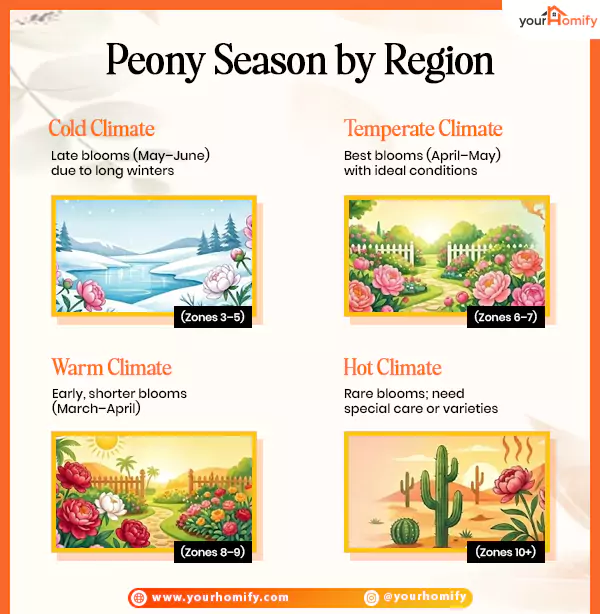
According to the American Peony Society, planting herbaceous hybrids, species, and woody peonies may extend the bloom season by as much as a month or sometimes even more.
- Cold Climate (USDA Zones 3-5): In colder regions, I see peonies bloom later because they require a proper winter chill to reset their growth cycle. Snow and frost delay the growth, and the bloom time is typically from late May to June.
- Temperate Climate (USDA Zones 6-7): This is the time when Peonies perform their best. The temperature in this zone is cold enough to induce dormancy, and spring is also gentle, allowing a gradual progression of bloom. April to May is the ideal bloom time in these areas.
- Warm Climate (USDA Zones 8-9): Keeping in mind the peony seasonal characteristics, it is only possible to grow the flower in this zone if you opt for early blooming varieties. The flower can struggle due to insufficient chill hours. The ideal blooming period is from March to April, although the bloom cycle is shorter during this time.
- Hot Climate (USDA Zones 10+): If you are wondering, “Are peonies in season in these zones?”, you may get mixed answers. Since the region lacks the cold dormancy peonies need, the blooms are rare unless you choose special varieties or use controlled environments.
Now that I look at the peony season through a climate-based perspective, it becomes much easier for me to predict the blooming period. I usually focus on the temperature patterns and winter intensity before sowing the seeds.
Peony Bloom Time by Varieties (With Examples)
I have realized that the timing of peony blooms becomes much easier to understand when I simply focus on the varieties instead of the dates. Each variety follows its own rhythm; you simply need to observe the behavior of the plant, and you are good to go!
Further in this section, I have classified peonies season into three main varieties—herbaceous, tree, and intersectional—because each variety helps in extending the overall peony bloom season
Herbaceous Peonies (Early Blooming)
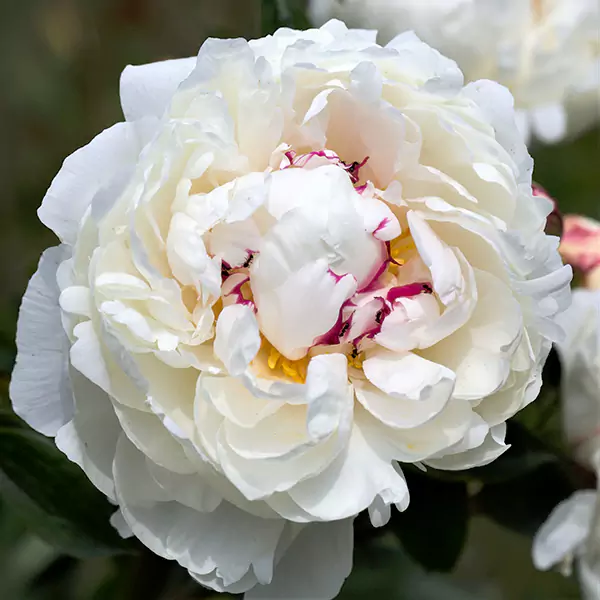
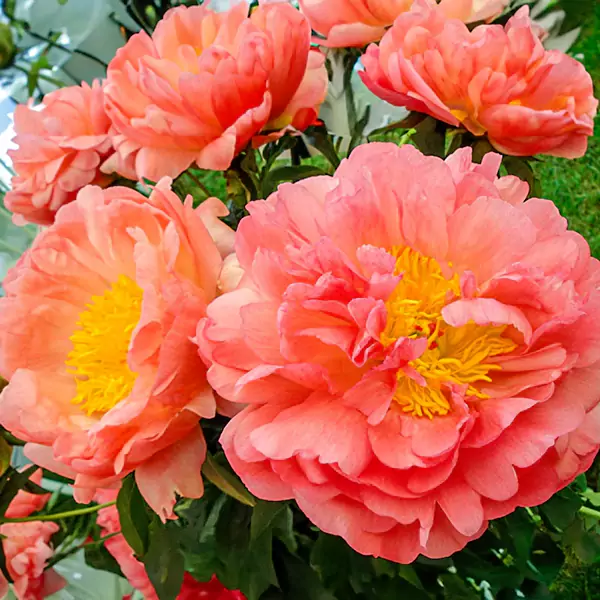
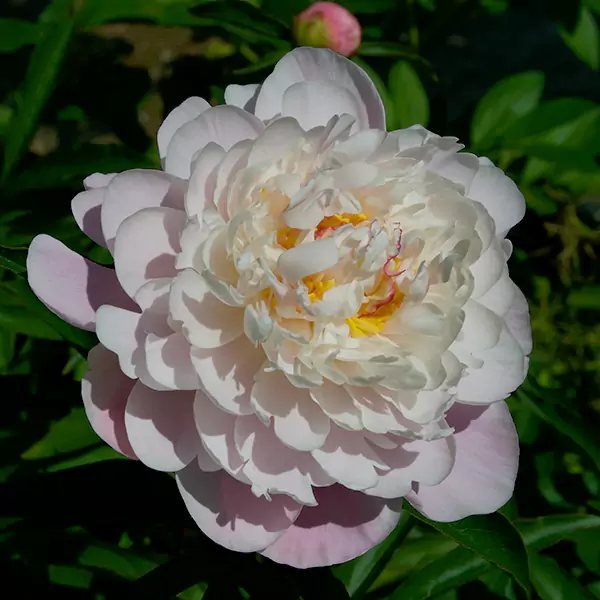
Herbaceous peonies are the most common ones I grow, and they bloom from late spring to early summer with a nicely staggered pattern. Some varieties start early, while others extend the season to June, giving my garden space a layered blooming effect.
According to the American Peony Society, all herbaceous peonies require a period of chilling to complete their dormancy, and most can typically be grown in USDA hardiness zones 3 to 7.
Examples—The classic white pink “Festiva Maxima”, ruffled “Coral Sunset”, and the fragrant shell pink “Catharina Fontijin”.
Tree Peonies (Mid Blooming)
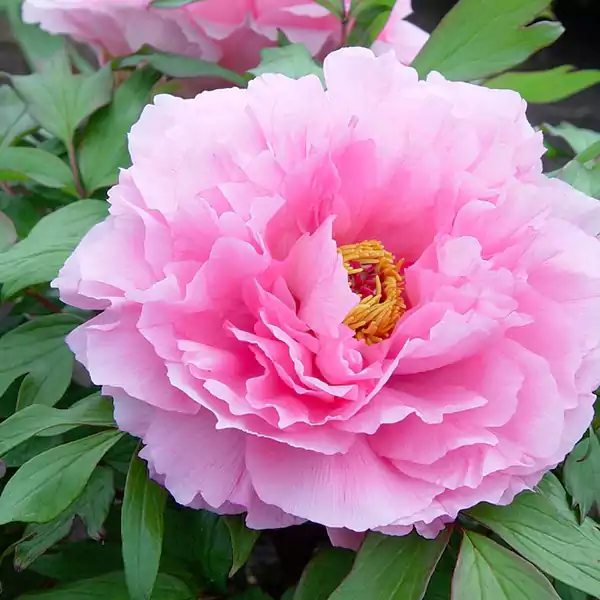
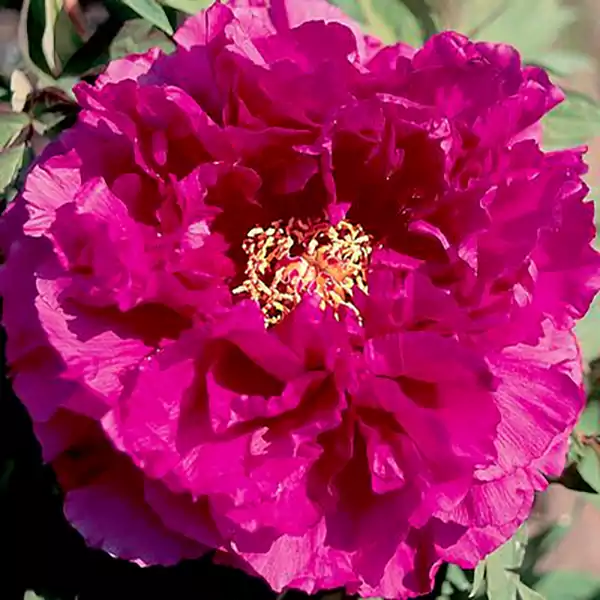
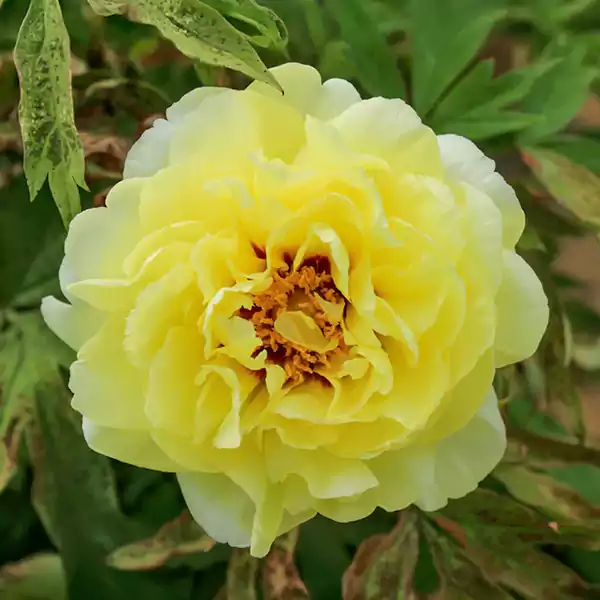
Tree peonies are deciduous woody shrubs that bloom from mid-spring to early summer. This species maintains its structure throughout the year, unlike herbaceous plants that do not. Furthermore, tree peonies are often early bloomers featuring large, showy, and fragrant flowers. These require minimal care and thrive in permeable soil.
As per the American Peony Society, woody peonies, also called tree peonies, can reach up to 9 inches (ca. 23 cm) tall, and with appropriate care, some flowers are even long-lasting.
Intersectional (Itoh) Peonies (Late Blooming)
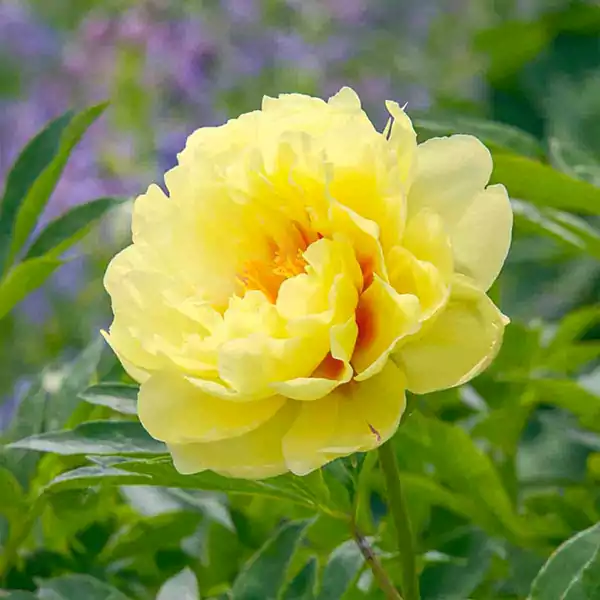
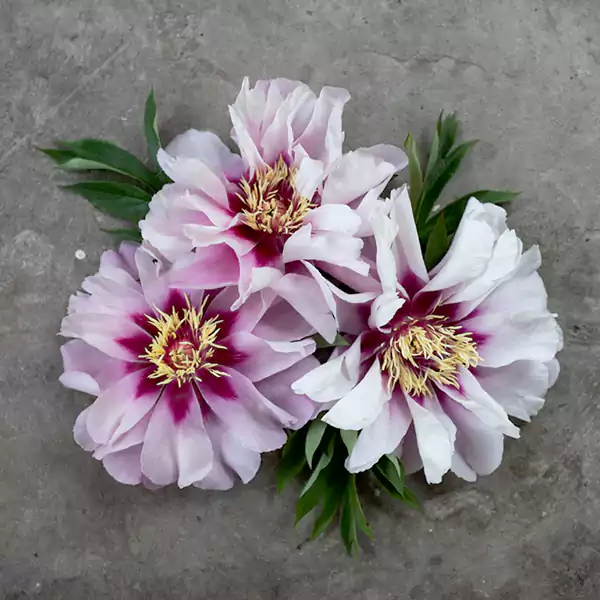
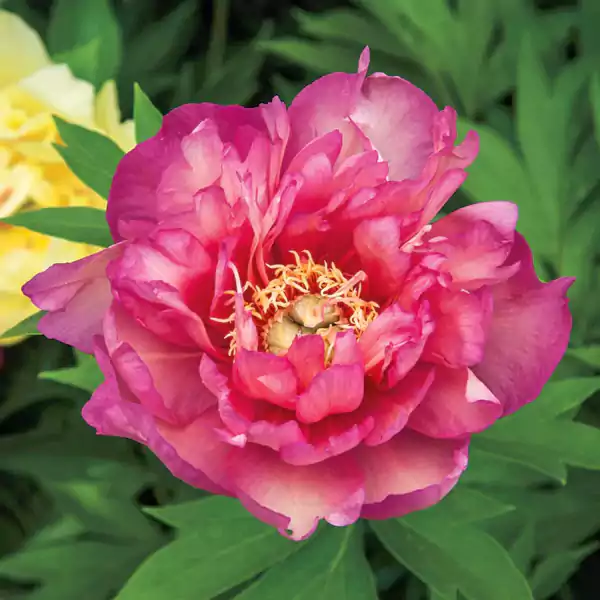
Intersectional or Itoh peonies are hybrids created by crossing herbaceous and tree peonies, intending to combine the best traits of both genera. The blossoms of intersectional peonies are large and showy, similar to tree varieties, and their stems die back to the ground just like the herbaceous varieties.
It is ideal to plant them 3–4 inches apart. They typically bloom from the mid to late season and do not demand much care. I love how they bear prolific blossoms and can even produce multiple buds per stem.
Factors That Affect Peony Bloom Time
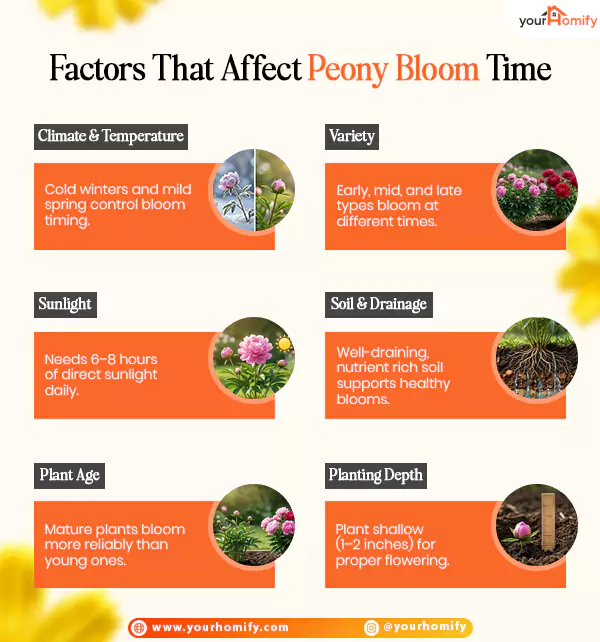
Understanding what truly controls and affects the peonies season helped me stop guessing and start planning my garden better. This bloom does not just grow randomly—its bloom time depends on certain factors such as sun exposure, plant depth, hardiness zones, and much more. Here are some key aspects that affect the peony bloom time.
- Climate and Temperature: Peonies need a cold winter and a mild warm-up in spring. Sudden heat or too much sun exposure can make them bloom early, while cooler weather conditions can delay flowering.
- Peony Variety: Different types bloom at different times — early, mid, or late season. Choosing a mix can extend the overall blooming period. The woodland species are the earliest to bloom, while the intersectional varieties typically grow from mid to late season.
- Sunlight Exposure: Almost all the types, specifically the early season peony, require a minimum of 6–8 hours of direct sun exposure for optimal growth.
- Soil Quality and Drainage: Well-draining, nutrient-rich soil helps peonies grow. If you wish to enhance the quality of the foliage at the expense of flowers, you may consider fertilizing the potting mix twice a month.
- Plant Age and Establishment: Young or newly planted peonies may bloom late or skip flowering. Mature varieties blossom more frequently and are comparatively more reliable than the shoots.
- Planting Depth: If planted too deep, the peonies may bloom late or not at all. The buds should be just 1–2 inches below the soil. Planting it deeper can prevent the species from experiencing the necessary chilling hours, which eventually leads to a stunted growth rate.
By keeping these simple factors in mind, I have been able to enjoy a more predictable and extended peony season without any confusion.
Best Peony Varieties For Longer Bloom Season
I have created this quick-glance table to highlight the best peony varieties that bloom at different times so that, just like me, you can also easily plan a garden with a continuous flowering season.
| Bloom Group | Variety Name | Image | Bloom Time |
| Early | Coral Charm | 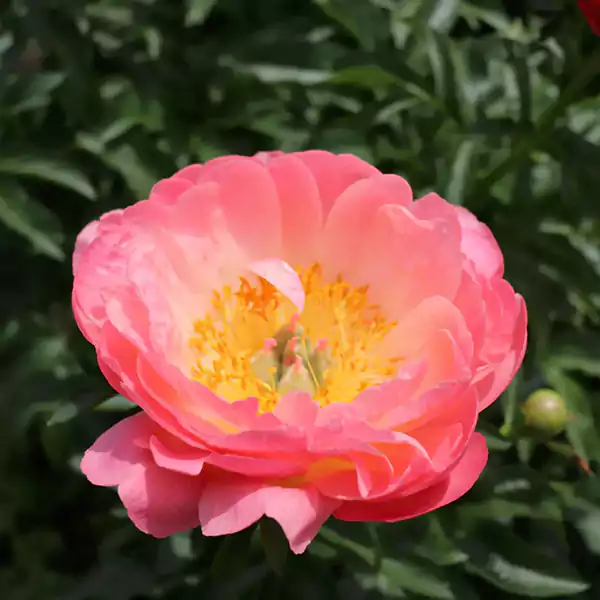 | Late April to Early May |
| Early | Early Scout | 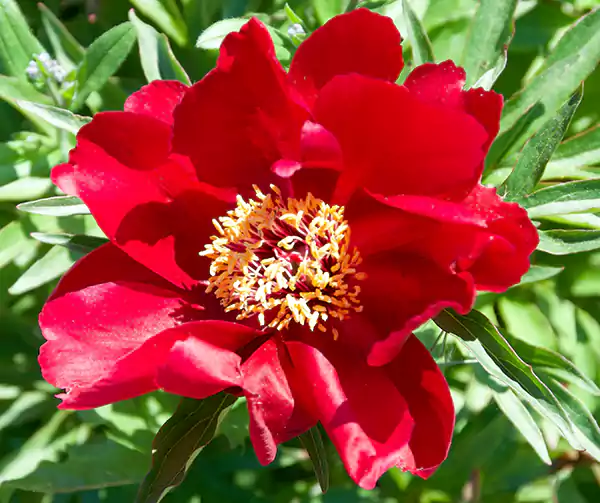 | Late April to Early May |
| Mid-Season | Sorbet | 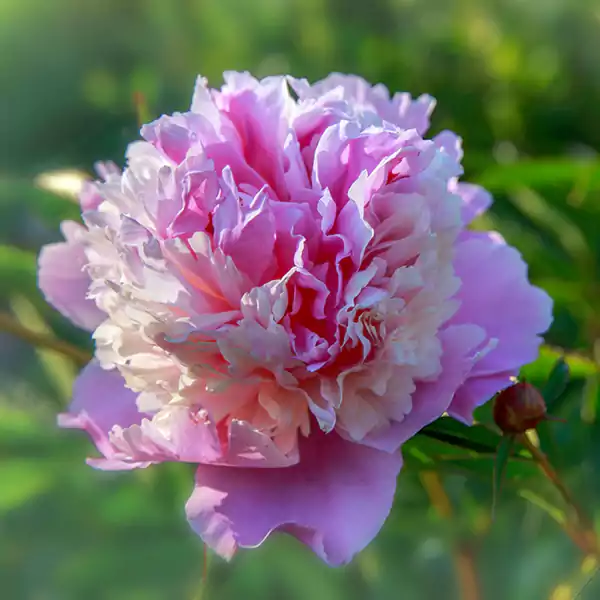 | Mid-May to Late May |
| Mid-Season | Walter Mains | 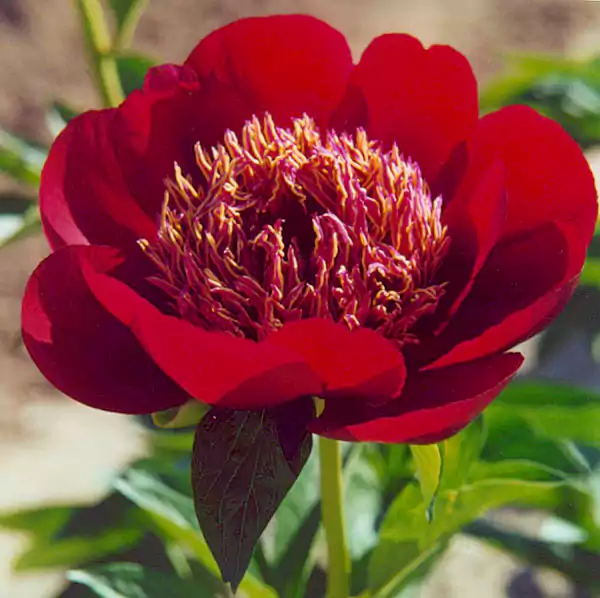 | Mid-May |
| Late | Raspberry Sundae | 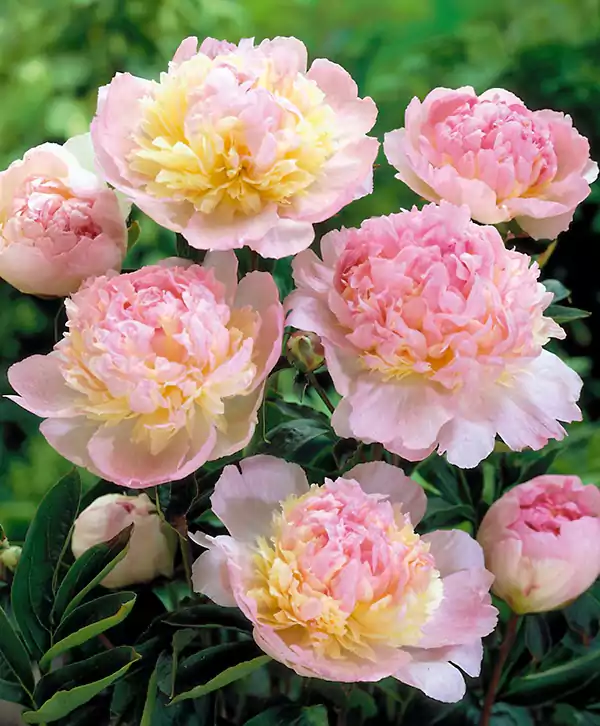 | Late May to Early June |
| Late | Krinkled White | 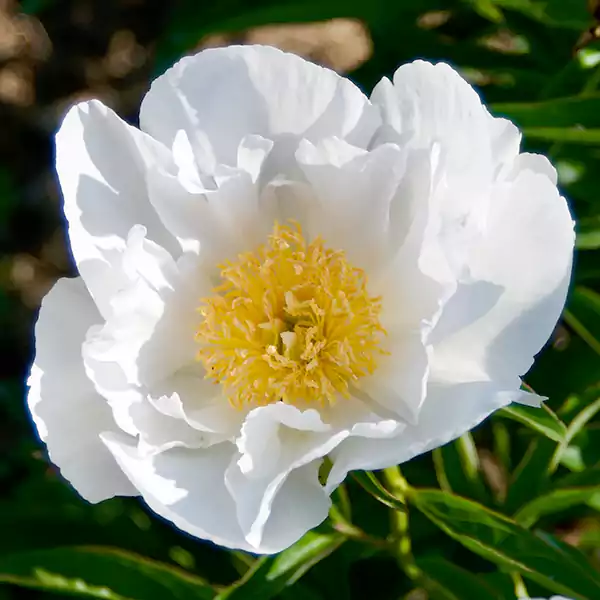 | Late May to Early June |
Conclusion
Now that I understand how peony season works, it has become much easier and fascinating to witness the flower bloom. You simply need to pay attention to the month, the region you are planning to plant the genus in, and the variety you are choosing.
I can conclude that the peony season is not fixed—it shifts depending on seasonal timing, climate conditions, and the specific variety grown. Early, mid, and late-season types can be combined to extend the flowering period and experience a well-timed peony display in any garden space.
FAQs
How can I make peonies last longer?
By planting a mixture of early, mid, and late blooming varieties, you can ensure a long-lasting peony blooming season.
How long do cut peonies last?
Cut peony flowers usually last around 7–8 days in a vase. If you wish to last them longer, you can dry the petals and frame them using different methods.
Why did my peonies stop blooming?
Insufficient sunlight or not getting the right growing environment can lead to stunted peony growth. Also, make sure that the soil is permeable and well-aerated.
Are peonies in season now?
Peonies typically bloom in late spring to early summer, with some varieties also blooming around late April. Whether they are actually in season depends on where you are and the type you are looking at.
When does peony season end?
Although peony season doesn’t end on a single fixed date, it tapers off by early to mid-summer. In cooler regions, blooms may extend into early summer, whereas in warmer areas, the season usually ends sooner.


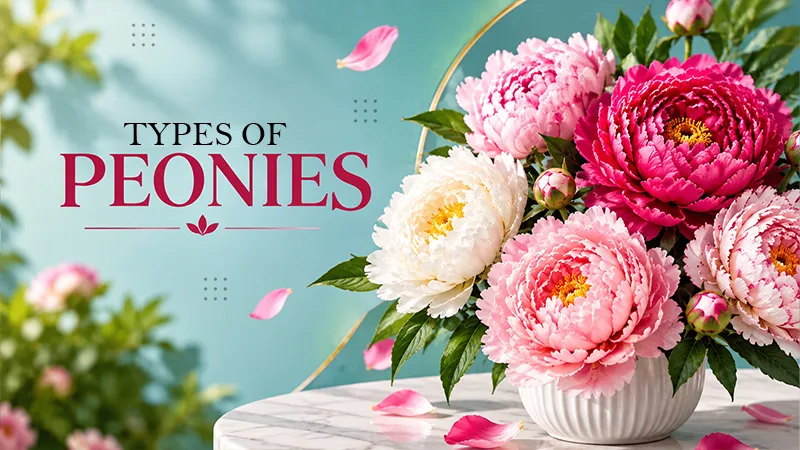

Types of Peonies: 3 Main Types & 25 Popular Varieties
[…] and grow in wild areas; and Itoh peonies, that is a hybrid of tree and herbaceous peonies. The peony blooming season may differ based on the type and variety, so understanding when different peonies bloom can also […]