Nothing comes closer to the charm of a tree with pink flowers. Symbolizing love and hope, these trees having bold beautiful blooms and lush foliage are a treat to sore eyes.
From vibrant magnolias to delicate pink trumpet trees, these exotic evergreens will turn your garden into a heavenly retreat. Moving further, if you are someone having green fingers or simply want to flaunt more about your yard, do not miss out on this list of pink flowering trees.
Without any further delay, let’s learn about the different species and the blooming season of these pretty pink trees.
Significance of Pink Flower Trees During Celebrations
Trees with pink flowers, such as cherry blossoms in Japan, signify fresh beginnings and a feeling of joy. Usually connected to love and admiration, the pink shade is a symbol of peace and friendship.
In the realms of spirituality, pink color is associated with the feeling of emotional comfort and nurturing tenderness. Numerous cultivars of trees having pink blossoms exhibit medicinal properties and are widely used to treat antibacterial and fungal infections.
Traditionally the soft hue of pink is directly related to feminism and kindness, but if you are a flora fairy, a garden fanatic, or simply someone passionate about natural beauty, pink blossom trees are truly a magnificent sight to behold.
Explore 25 Alluring Pink Flower Trees For a Heavenly Retreat
If you wish to add the “wow” factor to any landscape, you surely cannot overlook any of the pink flowering trees from the list that we have curated.
Scroll further and take a look at some of the most exotic trees, having alluring flowers in different shades of pink.
Magnolia

The Magnolia tree with pink flowers, scientifically called Magnolia x soulangeana is a spring blooming tree that will add a fragrant touch to your yards and garden landscapes.
| Attributes | Facts |
| Botanical Name | Magnolia spp. |
| USDA Hardiness Zone | Typically 4-9 |
| Height | Varies by species |
| Soil Type | Well-drained but slightly moist |
| Water Requirement | Regular watering |
| Sunlight Preference | Full sun to partial shade |
| Bloom Time | Early Spring |
Weeping Cherry Tree

Having beautiful pink blossoms, the weeping cherry tree is a focal attraction in any garden. It requires regular care and pruning to maintain its weeping effect.
| Attributes | Facts |
| Botanical Name | Prunus pendula |
| USDA Hardiness Zone | 5-8 |
| Height | 15-30 ft tall |
| Soil Type | Well drained soil |
| Water Requirement | Only when the soil is dry |
| Sunlight Preference | Full bright sunlight |
| Bloom Time | Spring |
Recommended Product
View all products
Common Name Pink Weeping Cherry, Weeping Higan Cherry Maintenance Low to moderate Native Region Japan Average Height 15–30 feet Plant Type Deciduous ornamental tree Average Width 15–25 feet The Pink Weeping Cherry tree is botanically known as Prunus subhirtella rosea. This elegant and fascinating bloom is considered the national flower of Japan. Being a stunning cherry blossom cultivar, they are very popular for their exquisite cascading branches and ethereal beauty. Plant lovers fall in love with this genus over and over again every time they witness this breathtaking beauty. The weeping pink cherry tree is the perfect choice if you want to romanticize your garden and turn it into your small utopia. Key Features and Benefits of the Pink Weeping Cherry Tree The canopy structure, featuring elegant, light-pink flowers, adds aesthetic appeal to any garden space. Native to Japan, this tree belongs to the rose family and is often considered a symbol of hope and resilience. It gives shelter to many wildlife species and supports a diverse ecosystem. Having graceful, slender branches, its physical stature is a sight to behold. Apart from being a symbol of emotional well-being in many countries, the double pink weeping cherry tree also holds cultural significance. The short life span of these flowers portrays the transient nature of life. Care Guide, Advantages, and Disadvantages of The Pink Weeping Cherry Tree Growing Zone : USDA Zones 5-8 Light Exposure : Full sun Water Needs : Regular, consistent watering Soil Type : Well-drained, moist, and loamy Advantages Features a unique weeping form and produces gorgeous, fragrant, and abundant pink blossoms. The weeping cherry tree can adapt to various soil types. These trees offer relatively fast growth. Are quite bird-friendly. Disadvantages Highly prone to fungal issues and pests, and often requires active management to keep them healthy. They tend to be relatively short-lived (10-20 years). The cherry pink weeping tree is high maintenance. Produces messy fruits.
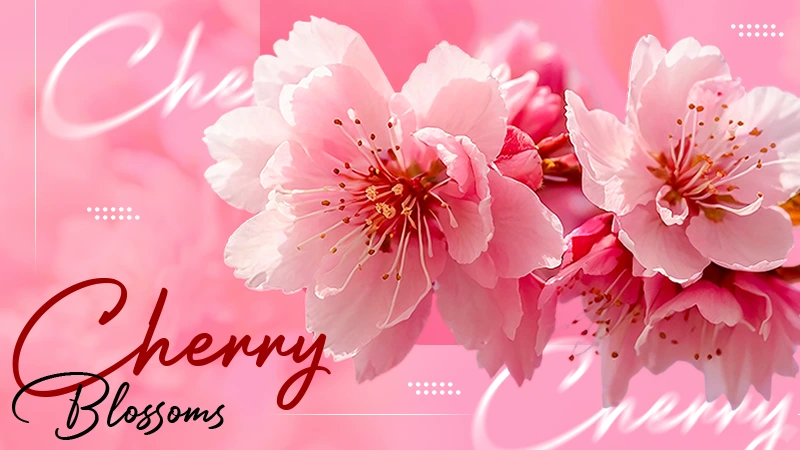
Cherry Blossom

Cherry Blossom is a pink flower tree that has an ornamental appearance. This tree signifies a new beginning and is widely appreciated in Japanese culture.
| Attributes | Facts |
| Botanical Name | Prunus serrulata |
| USDA Hardiness Zone | 5-9 |
| Height | 20-30 ft tall |
| Soil Type | Well drained moist soil texture |
| Water Requirement | Depends on the weather |
| Sunlight Preference | Full sun to partial shade |
| Bloom Time | Late March to early April |
Dogwood

The Dogwood tree blooms pastel pink flowers and bears small red berries that attract birds. Unlike other pink flowering trees, this species requires regular watering and is prone to fungal root diseases.
| Attributes | Facts |
| Botanical Name | Cornus florida |
| USDA Hardiness Zone | 5-9 |
| Height | 15-25 ft tall |
| Soil Type | Rich acidic well-drained soil |
| Water Requirement | Regular watering about an inch |
| Sunlight Preference | Partial shade |
| Bloom Time | Late March to Mid-May |
Recommended Product
View all products
Are you planning to add a picturesque tree to your backyard? Offering vibrant hues, the Pink Dogwood might just be the perfect choice. Also known as the Flowering Dogwood, this cultivar is native to Eastern North America and Northern Mexico. Belonging to the genus Cornus, this tree announces the onset of Spring and bears pink blooms, personifying affection, rebirth, and hope. Now, if you are a novice flora lover and want to plant this exquisite tree, exploring more about this species is ideal. Jump in and uncover its features and benefits, along with the complete care guide you need to follow, learn why it's oh-so-stunning! Pink Dogwood: Features and Benefits of the Spring Tree Botanically called Cornus florida, the Pink Dogwood is a popular ornamental tree that enhances the aesthetic appeal of any garden space. Being a spring tree, it bears pink flowers that last 2–4 weeks, symbolizing love, passion, and femininity. The Pink Flowering Dogwood tree creates a dramatic contrast with its pink blooms and lush green foliage. Having no special care needs and various benefits, this is an excellent tree choice for your mini garden. Moving further, let us explore some benefits of this magnificent tree. \ It is a striking pink flowering tree and has vibrant red berries, which make a statement in any landscape. The red berries attract various wildlife species like birds, butterflies, and bees, hence supporting the fauna culture. Holding cultural significance, the Pink Flower Dogwood tree represents hope, passion, renewal, and femininity. The tree has a strong root system that helps in stabilizing the soil, therefore controlling soil erosion. Improving air quality and elevating the overall look of any lawn or park, spotting the Pink Dogwood is truly a treat to the eyes. In the following sections, let us understand the complete care guide for this beauty. Tracing Down the Ideal Growing Conditions for the Pink Dogwood Tree Now, if you are someone who is into collecting rare plant species, this Pink Dogwood tree for sale is exactly what you need. But before you make a buying decision, it is ideal to understand its growing conditions. Ideal Growing Conditions for Pink Dogwood Hardiness Zone 5-9 USDA Sunlight Exposure There are no specific light needs. It can grow in bright light and partial shade. Water Needs Requires regular watering during the growing stage. Soil Type Fertile and permeable soil with high organic matter. Mature Height 15–30 feet tall Mature Width 20–30 feet wide Growth Rate 1 foot per year Fertilizer Fertilizer with a high nitrogen level works wonders. Bloom Season Spring Famous for its pastel petals, the Cornus Florida Pink Dogwood is a deciduous tree that forms a canopy-like structure when fully grown. It is widely appreciated by garden enthusiasts as it creates stunning contrasts in large landscapes. Scientific Classification of the Pink Dogwood Flowers Known for its beautiful pink blossoms, the Pink Dogwood tree belongs to the Cornaceae family. If you are curious to explore more about this genus, given below is the complete taxonomic overview for your ease. Taxonomic Overview of Pink Dogwood Trees Kingdom Plantae Clade Angiosperms Clade Eudicots Order Cornales Family Cornaceae Genus Cornus Species Cornus florida The Dogwood Pink tree is not a separate species. It is a cultivar of the original Cornus Florida genus, which is usually a white flowering plant. Since this variety is developed using the tissue culture method, it is difficult to get the original seeds of the Pink Dogwood. User Reviews and Ratings Review: Looks quite similar to the cherry blossom trees of Japan. Adds vibrancy to any garden space. Rating: ⭐⭐⭐⭐⭐ Review: The soft pink color blooms look stunning in my backyard. Rating: ⭐⭐⭐⭐⭐ Review: Planted this magnificent tree in my garden. It makes people stop and stare. Rating: ⭐⭐⭐⭐⭐ Review: Spotted this rare Cornus Florida Pink Dogwood tree, and it is truly a sight to behold. Rating: ⭐⭐⭐⭐⭐ Frequently Asked Questions What is the lifespan of a Pink Dogwood tree? The Pink Dogwoods typically have a lifespan of 40–80 years, or even longer if given proper care. How big do Pink Dogwoods get? The pink Dogwoods can grow up to 15–30 feet tall. Do Pink Dogwoods smell? The Dogwoods don't have a strong or special fragrance. What is the scientific name of the Pink Dogwood tree? The Pink Dogwood tree is scientifically called Cornus florida.
- Common Name: Pink dogwood, pink flowering dogwood
- Botanical Name: Cornus florida f. rubra
Japanese Maple

Native to parts of Mongolia, Japanese Maple is known for its gracious pink foliage. The leaves of this pink flower tree look like an open hand with stretched fingers.
| Attributes | Facts |
| Botanical Name | Acer palmatum |
| USDA Hardiness Zone | 5-9 |
| Height | 10-25 ft tall (depends on species) |
| Soil Type | Acidic soil |
| Water Requirement | In a gap of 2-3 days |
| Sunlight Preference | Partial shade to full sun |
| Bloom Time | Spring |
Kwanzaa Cherry

The Kwanzan Cherry tree has ornamental double-flowered blossoms that make it a breathtaking display. Having very little maintenance, this tree also has bonsai specimens that can be grown in your balcony garden.
| Attributes | Facts |
| Botanical Name | Prunus serrulata ‘Kwanzan’ |
| USDA Hardiness Zone | 5-9 |
| Height | 14-30 ft tall |
| Soil Type | Well-drained fertile soil |
| Water Requirement | Only when the topsoil is dry |
| Sunlight Preference | Full sunlight |
| Bloom Time | Late April to early May |
Crabapple

The flowers of this pink tree are its most lauded feature. Crabapple is a popular choice among botanists and garden enthusiasts due to its unique appearance. It also has a fruitless species that blooms white flowers.
| Attributes | Facts |
| Botanical Name | Malus spp. |
| USDA Hardiness Zone | Typically 4-8 |
| Height | Varies by species |
| Soil Type | Well-draining fertile soil |
| Water Requirement | Constant watering to thrive |
| Sunlight Preference | Full bright sunlight |
| Bloom Time | Mid to late Spring |
Eastern RedBud

Eastern redbuds are small trees having shrubby leaves, mostly seen in the eastern parts of North America. The unique characteristic of this bright pink flower tree is its scaly red-brown tree trunk.
| Attributes | Facts |
| Botanical Name | Cercis canadensis |
| USDA Hardiness Zone | 4-9 |
| Height | 18-32 ft tall |
| Soil Type | Properly drained soil |
| Water Requirement | In moderation |
| Sunlight Preference | Full sun to partial shade |
| Bloom Time | Early Spring |
Pink Wisteria

Ever seen those beautiful climber pink blossoms, mostly during wedding celebrations? Pink Wisteria is widely known for its drooping effect that adds a magical touch to any garden, and its fragrant pink blooms instantly freshen the mood.
| Attributes | Facts |
| Botanical Name | Wisteria floribunda |
| USDA Hardiness Zone | 4-9 |
| Height | No fixed height |
| Soil Type | Well-draining soil |
| Water Requirement | Moderate amount of water |
| Sunlight Preference | Full sun to partial shade |
| Bloom Time | Late Spring to early Summer |
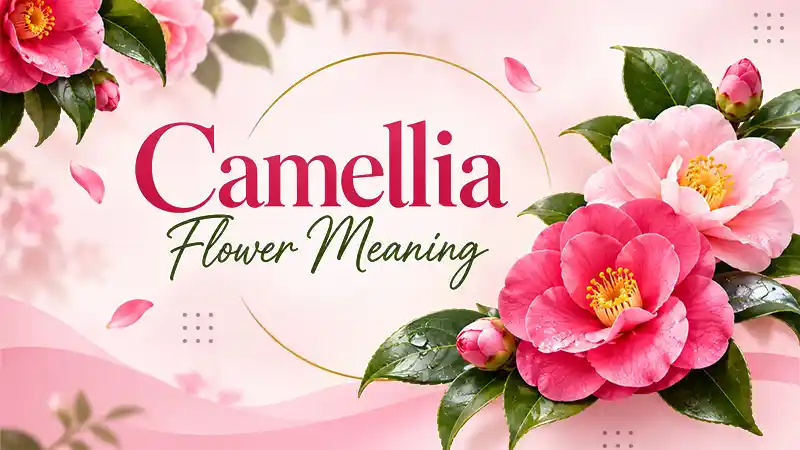
Camellia

Camellia, also known as the “Japanese Pink Perfection” bears beautiful and vibrant pink flowers. The color contrast of glossy dark green leaves and bright pink flowers adds an aesthetic touch to any garden space.
| Attributes | Facts |
| Botanical Name | Camellia japonica |
| USDA Hardiness Zone | 7-10 |
| Height | 5-15 ft tall (depends on the variety) |
| Soil Type | Well-draining acidic soil |
| Water Requirement | Needs regular watering |
| Sunlight Preference | Partial shade |
| Bloom Time | Winter to early Spring |
Weeping Higan Cherry

Weeping Higan Cherry is also known as winter flowering cherry or rosebud cherry. This is a cultivar of cherry blossom trees and is commonly found in Japan. During the shedding season, the leaves of this tree turn into a beautiful golden-yellow color.
| Attributes | Facts |
| Botanical Name | Prunus subhirtella ‘Pendula’ |
| USDA Hardiness Zone | 4-8 |
| Height | 12-30 ft tall |
| Soil Type | Properly drained fertile soil |
| Water Requirement | Requires regular watering |
| Sunlight Preference | Full sun to partial shade |
| Bloom Time | Spring |
Flowering Almond Tree

Also known as the dwarf almond tree, the flowering almond tree is a small deciduous shrub that has bushy blossoms. The petals of this flower are mostly fuzzy light pink and white, and the leaves of this tree are poisonous to animals.
| Attributes | Facts |
| Botanical Name | Prunus dulcis |
| USDA Hardiness Zone | 6-9 |
| Height | 10-20 ft tall |
| Soil Type | Well-drained sandy soil texture |
| Water Requirement | Regular watering |
| Sunlight Preference | Full bright sunlight |
| Bloom Time | March and April |
Magnolia Jane

Magnolia Jane is a hybrid species of southern Magnolia. All the other species of the Magnoliaceae family differ in size, color, and the time they bloom. The hardy tree trunk makes it easier for the plant to survive in cold, freezing weather conditions.
| Attributes | Facts |
| Botanical Name | Magnolia ‘Jane’ |
| USDA Hardiness Zone | 5-9 |
| Height | 10-15 ft tall (not fixed) |
| Soil Type | Moist soil is preferred |
| Water Requirement | In moderation |
| Sunlight Preference | Full sun to partial shade |
| Bloom Time | April and May |
Red Horse Chestnut

Unlike its name, the red horse chestnut blooms bright pink flowers, creating an eye-pleasing contrast with its dark green leaves. These are commonly grown by gardeners to decorate large landscapes.
| Attributes | Facts |
| Botanical Name | Aesculus × carnea |
| USDA Hardiness Zone | 4-7 |
| Height | 28-45 ft tall |
| Soil Type | Well-drained fertile soil |
| Water Requirement | Should be watered moderately |
| Sunlight Preference | Full sun to partial shade |
| Bloom Time | Spring |
Crepe Myrtle

As the name says, the petals of these vibrant pink flowers feel like they are made up of crêpe paper. This tree with pink flowers requires regular pruning, especially during late winter, to maintain its beauty and shape.
| Attributes | Facts |
| Botanical Name | Lagerstroemia indica |
| USDA Hardiness Zone | 6-9 |
| Height | Depends on the species |
| Soil Type | Fertile and properly drained soil |
| Water Requirement | Need regular watering |
| Sunlight Preference | Full sunlight |
| Bloom Time | Summer and Fall |
Pink Oleander

The blooms of this tree are baby pink and are mostly grown in the border areas of the garden to give an ornamental touch to the lush green landscapes. Be sure to keep pets and children away from pink oleander, as all the parts of this tree are toxic if ingested.
| Attributes | Facts |
| Botanical Name | Nerium oleander |
| USDA Hardiness Zone | 9-11 |
| Height | 6-22 ft tall, depending on the variety |
| Soil Type | Well draining soil |
| Water Requirement | Requires moderate watering |
| Sunlight Preference | Full sunlight |
| Bloom Time | Bloom all year round |
Pink Mimosa

Pink Mimosas are pompom-like clusters having strands that appear to be silk thread. Coming from the Fabaceae family, this fragrant pink flowering tree is native to Southwestern and Eastern Asia. This variety is also commonly known as the Persian Silk tree.
| Attributes | Facts |
| Botanical Name | Albizia julibrissin |
| USDA Hardiness Zone | 6-9 |
| Height | 20-35 ft tall |
| Soil Type | Well-draining soil but moist texture |
| Water Requirement | Tolerates drought, water moderately |
| Sunlight Preference | Requires full sunlight |
| Bloom Time | Typically, in Summer (May-July) |
Rose of Sharon

The Rose of Sharon bears five pearl paper-like flowers and generally grows in a lush bush form. It is a species of the hibiscus plant and requires very little maintenance. The dwarf varieties of this pink flower tree are mostly grown as indoor container plants.
| Attributes | Facts |
| Botanical Name | Hibiscus syriacus |
| USDA Hardiness Zone | 5-9 |
| Height | No specific height |
| Soil Type | Well draining soil |
| Water Requirement | Only when the topsoil is dry |
| Sunlight Preference | Full sun to partial shade |
| Bloom Time | From summer to fall |
Crimson Bottlebrush

The Crimson Bottlebrush tree blooms pink flowers shaped like a bottle brush, adding a scenic touch to any landscape. Preferably grown in subtropical conditions, the flowers of this tree have a unique nectar that attracts butterflies and hummingbirds.
| Attributes | Facts |
| Botanical Name | Callistemon citrinus |
| USDA Hardiness Zone | 8-11 |
| Height | 6-18 ft tall |
| Soil Type | Permeable soil, sandy texture |
| Water Requirement | Water twice in 1–2 weeks |
| Sunlight Preference | 6–8 hours of bright sunlight |
| Bloom Time | Spring, Summer, and Fall |
Desert Willow

Having trumpet-shaped flowers that fall on the warm side of the pink spectrum, this vibrant pink flowering tree is a treat to the eyes. Desert willow is drought tolerant and can survive on little rain showers also.
| Attributes | Facts |
| Botanical Name | Chilopsis linearis |
| USDA Hardiness Zone | 6-9 |
| Height | Varies by the species, 15-30 ft tall |
| Soil Type | Sandy soil |
| Water Requirement | Occasionally once or twice in a week |
| Sunlight Preference | Ideally requires a bright full sun |
| Bloom Time | Mainly in May-June |
Dwarf Poinciana Tree

Also known as Pride of Barbados, the dwarf poinciana tree is a perfect option for small gardens and for someone into a container plantation. The blooms of this tree are either fiery orange or hot pink in colour and primarily attract bumblebees.
| Attributes | Facts |
| Botanical Name | Caesalpinia pulcherrima |
| USDA Hardiness Zone | 10-11 |
| Height | 3-15 ft tall |
| Soil Type | Nutrient-rich porous soil |
| Water Requirement | Requires only occasional watering |
| Sunlight Preference | Thrives in full sun |
| Bloom Time | Spring through fall |
Hong Kong Orchid Tree

The alluring beauty of the slightly pinkish-purple flowers of the Hong Kong Orchid Tree makes it an ideal choice for botanists and garden enthusiasts. It is a rapidly growing bushy tree that requires large space to properly spread its branches.
| Attributes | Facts |
| Botanical Name | Bauhinia blakeana |
| USDA Hardiness Zone | 10-11 |
| Height | 20-40 ft tall |
| Soil Type | Permeable organic soil |
| Water Requirement | Requires regular water |
| Sunlight Preference | Full sun to partial shade |
| Bloom Time | November to April |
Japanese Flowering Apricot

Elevating the elegance of any garden space, the Japanese Flowering Apricot is also known as Ume in Japan. This tree with pink flowers has more than 300 cultivars in its native country itself. Having highly valued ornamental blossoms, this tree has a sturdy trunk and is easy to look after.
| Attributes | Facts |
| Botanical Name | Prunus mume |
| USDA Hardiness Zone | 6-9 |
| Height | 10-25 ft tall (varies by species) |
| Soil Type | Can’t tolerate loamy soil texture |
| Water Requirement | Requires medium watering |
| Sunlight Preference | Full sun to partial shade |
| Bloom Time | Late Winter to early Spring |
Pink Trumpet Tree

Also known as Pink Poui in the tropical and subtropical regions, the pink trumpet tree has a crown full of white and pastel pink flowers. Alkaloids present in the trunk of the tree make it slightly toxic for humans and animals.
| Attributes | Facts |
| Botanical Name | Tabebuia rosea |
| USDA Hardiness Zone | 10-11 |
| Height | 25-45 ft tall |
| Soil Type | Properly drained but slightly moist soil |
| Water Requirement | Needs frequent watering |
| Sunlight Preference | Full bright sunlight |
| Bloom Time | January and February |
Smoke Tree

The name of this pink flowering tree itself tells a lot about its appearance. Having a bushy upper part, the blooms of the smoke tree create a smoke-like visual effect which makes it a fascinating artwork in any garden space.
| Attributes | Facts |
| Botanical Name | Cotinus coggygria |
| USDA Hardiness Zone | 4-8 |
| Height | 10-20 ft tall |
| Soil Type | Well-drained alkaline soil |
| Water Requirement | In moderation |
| Sunlight Preference | Requires full sun exposure |
| Bloom Time | Spring and Summer |
Pink trees generally represent sensitivity, new beginnings, and resilience in many cultures. We are sure that adding these iconic small trees with pink flowers will make people stop and stare at your backyard.
Conclusion: Let’s Wrap You a Pretty Pink Bouquet
Pink flowering trees are more than just a visual treat. As has been noted earlier, the pink color signifies a fresh beginning and is associated with the feeling of compassion and tenderness.
Go ahead, embrace the beauty of nature, transform your garden, and experience elegance year after year! To keep your plants and flowers attractive and growing you need to care for them. Thus, we have also provided a guide that tells you about the essential oils for both indoor and outdoor plants.
What does pink represent?
The pink color represents love, hope, and compassion. It also signifies the beginning of a new journey.
What are the soil requirements of the smoke tree?
Smoke trees prefer property-drained soil having nutrient-rich organic fertilizers, and the texture should not be loamy.
What is the scientific name of the Japanese flowering tree?
The scientific name of the Japanese flowering tree is Prunus Mume.
What are the water requirements of pink flowering trees?
The water needs of pink flowering trees depends on their species and the climatic conditions in which they thrive.