Your windows are the primary source of natural light for every plant on your sills and shelves. When the window glass is clean, that light reaches deeper into the room.
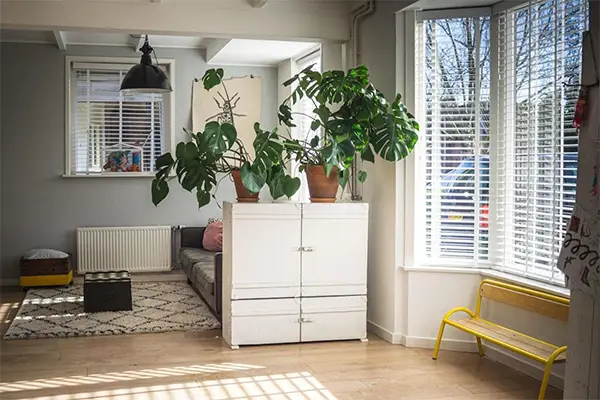
Most indoor gardeners fuss over watering and soil. Few think about the glass itself. Yet a dirty window can cut transmitted light by 20 percent or more, which weakens the light and plants feel it within weeks. If reaching tall or second-story panes feels unsafe, a trusted local crew like Window Cleaning Services in San Clemente can handle the job safely. The payoff shows up fast in healthier leaves.
This guide explains how dirty glass starves plants of light. It also covers which species gain the most and how to keep panes clear year-round.
KEY TAKEAWAYS
- Clean windows can increase the amount of natural light to support the houseplants in their growth.
- Dust, pollen, and hard-water stains on glass may block up to 30% of available sunlight.
- Highlight plants such as succulents, herbs, citrus trees, and fiddle-leaf figs that benefit the most from cleaner windows.
- Regular window cleaning helps prevent leggy growth, faded leaves, and reduced flowering in indoor plants.
Why Dirty Glass Steals Plant Light
Light is food for plants. Through photosynthesis, leaves turn light into the sugars that drive growth. Less light means slower growth of the plant and a weaker color.
A layer of dust, pollen, or hard-water film scatters incoming rays. The University of Georgia’s growing indoor plants resource notes that light intensity is the single biggest factor in indoor plant success. Dirty glass works against that intensity every day.
The loss adds up across seasons. Grime builds slowly, so the dimming feels normal until plants start to stretch. By then, the damage shows in pale, leggy stems. Over time, reduced light exposure can affect a plant’s overall vigor, making it more vulnerable to stress.
Signs Your Plants Want More Light
Plants tell you when light runs short. The signals are easy to read once you know them. Watch for these changes near your windows:
- Leggy stems that reach toward the glass.
- Pale or yellowing leaves that lose their deep green.
- Smaller new leaves than the older growth below.
- Slow or stalled growth during the bright months, a pattern that’s even more common among indoor plants that thrive in winter when daylight hours shrink.
Variegated plants fade first. Their white or cream patches hold less chlorophyll, so they need more light to stay sharp. A clean window often restores that pattern within 4 to 6 weeks.
Flowering plants also stall in dim light. Many refuse to bloom below a set threshold. Even fragrant bloomers like the types of jasmine flower need bright glass to set buds.
The plants placed near the window often recover faster once the light conditions improve.
Which Plants Gain the Most
All plants react differently. Sun-loving species that follow typical desert plant care advice notice a clean window much better than shade lovers do. The Missouri Botanical Garden’s guide on houseplant light levels groups plants into clear light categories.

These groups respond strongly to brighter glass:
- Succulents and cacti, which crave direct sun.
- Citrus and herbs, which fruit and flavor best in strong light.
- Fiddle-leaf figs, which drop leaves when the light dips.
- Flowering tropicals, which need bright light to bud.
Trailing types react quickly, too. Many indoor vine plants facing south windows perk up within days after being washed. The extra light tightens their spacing and deepens leaf color.
Even low-light-tolerant plants improve from washing. A pothos or snake plant tolerates grime, yet grows faster in clean light, both are popular picks among air-purifying plants for bedrooms. Even a money plant fills out sooner near a window.
How Often to Clean for Plant Health
The frequency of cleaning depends upon both your environment and your glass type. Most homes do well with a clear schedule. Use these intervals as a starting point:
- Interior glass: every 2 to 3 months.
- Exterior glass: at least twice a year.
- Coastal or dusty homes: every 3 months outside.
- Kitchen windows: monthly, because grease films build fast.
Spring is the key to cleaning. Light intensity climbs as the sun rises higher, so a March or April wash sets up the whole growing season. Coastal areas suffer salt buildup and require more frequent cleaning, especially when positioned close to the ocean, like in San Clemente.
Cleaning Without Harming Your Plants
Plants should always be treated with care when cleaning windows near them. Harsh sprays and runoff can be harmful and damage leaves and soil. Follow these habits to protect your collection:
- Move pots back a foot before you spray.
- Use plain water or water with a small amount of vinegar.
- Use a microfiber cloth, not paper towels.
- Clean both sides, since the inside film matters too.
Skip ammonia-based cleaners near sensitive foliage. The fumes can scorch tender leaves in a closed room. This matters most with the medicinal plants and herbs many growers keep on a sunny sill.
Hard-to-reach panes are worth a second look. Streaks and missed corners still block light, and ladders carry real risk. For upper floors, a pro often pays for itself in safety and clarity.
Matching Window Direction to Your Plants
Light is not the same on every side of the house. A south-facing window is the brightest spot in most northern-hemisphere homes. Each exposure suits a different group of plants:
- South windows give the strongest, longest light each day.
- East windows offer gentle morning sun that few plants dislike.
- West windows bring hot afternoon light and some heat stress.
- North windows stay dim and suit only low-light foliage.
Clean glass matters most on the bright side. A dirty south pane wastes your best natural light. That single window can carry half a room’s sun-loving plants.
Track the light through a full day before you place pots. A spot that looks bright at noon may sit in shade by 3 p.m. Watching the pattern for 1 week prevents guesswork.
A Simple Window-Light Routine
Good plant light comes from habit, not effort. Build these four steps into your normal care routine:
- Dust panes monthly with a dry microfiber cloth.
- Deep clean quarterly, inside and out.
- Book a pro wash for high or coastal windows twice a year.
- Check leaf color after each clean to confirm the gain.
Keep a small log of when you wash each window. A note on your phone is enough to spot the pattern. A clean is most useful in early spring, when plants wake up hungry for light.
Conclusion
The good health of houseplants is not just dependent on watering and fertilizers. Cleaning windows means that there will be more light available for your plants to grow well and have good colors and flowers.
Cleaning both sides of the glass and putting the right plant in the right place by the window will mean making the best use of the available light in the house. Cleaning windows that are difficult to clean or heavily soiled might be worth your while.
Frequently Asked Questions
How Much Light Do Dirty Windows Actually Block?
Grimy glass can reduce light transmission by 10 to 30 percent, depending on the buildup. Salt, pollen, and hard-water film all add to the loss. That range is enough to push a high-light plant into deficiency.
Will Clean Windows Replace a Grow Light?
Not always, but they help more than people expect. Clean glass raises the usable daylight a plant receives at no running cost. In a bright room, that boost can lift a plant from struggling to thriving. In a dim north room, a grow light may still be needed.
Are Interior or Exterior Windows More Important to Clean?
Both sides matter, since film on either one scatters light. Exterior glass usually collects more, especially near the coast or busy roads. Interior panes gather kitchen grease, dust, and pet dander.
When Should I Hire a Professional Window Cleaner?
Call a pro for second-story glass, large picture windows, or heavy buildup. A trained crew also spots seal or frame issues early. For ground-floor panes, a regular DIY wipe usually does the job.