


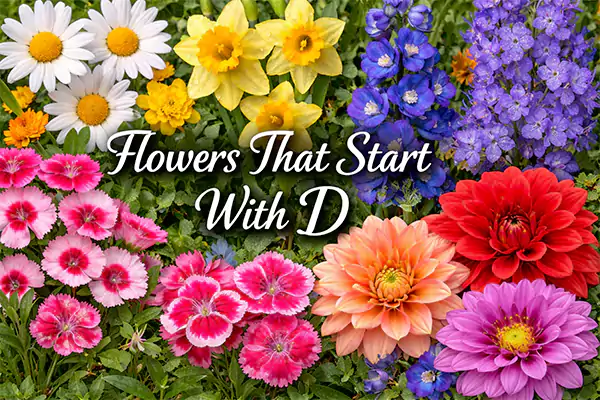
Isn’t exploring flowers alphabetically fun? When I first started looking for flowers that start with d, I thought only a few names would come up. But the more you look into it, the more you will be surprised to discover stunning blooms like Dahlia, Daffodil, Desert Rose that totally deserve the spotlight.
Each bloom carries its own unique charm and some fun elements to explore.
So if you are curious like me, or maybe you are just trying to complete an A to Z flower list in your garden, you have reached the right space — and the flowers that start with E make a great next chapter in that list.
List of Flowers That Start With D
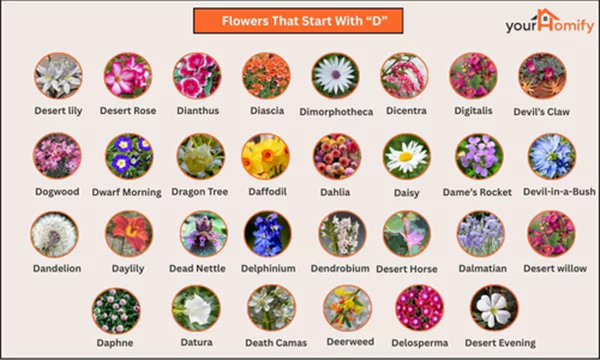
Flowers that start with D include a wide variety of annuals, perennials, bulbs, and wildflowers. Popular examples include daffodil, dahlia, daisy, and delphinium, each offering unique colors, bloom times, and growing conditions suitable for gardens and landscapes. Given below is a complete list for your reference.
- Desert Lily Flower
- Desert Rose
- Dianthus
- Diascia
- Dimorphotheca (African Daisy)
- Dicentra (Bleeding Heart)
- Digitalis (Foxglove)
- Dogwood
- Dwarf Morning Glory
- Dragon Tree
- Daffodil (Narcissus)
- Dahlia (Dahlia pinnata)
- Daisy (Bellis perennis)
- Dame’s Rocket (Hesperis matronalis)
- Dandelion (Taraxacum officinale)
- Daylily (Hemerocallis spp.)
- Dead Nettle (Lamium spp.)
- Delphinium (Delphinium spp.)
- Dendrobium (Dendrobium spp.)
- Desert Horse Purslane (Trianthema portulacastrum)
- Dalmatian Iris (Iris Pallida)
- Daphne
- Datura
- Death Camas
- Deerweed
- Delosperma
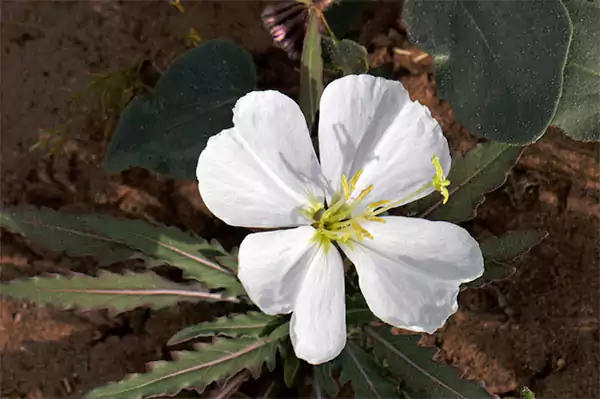
- Desert Evening
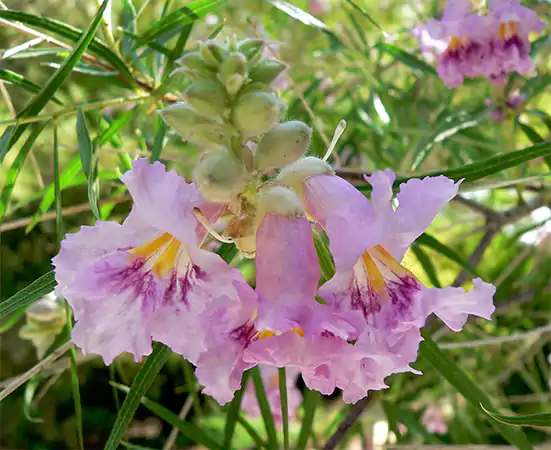
- Desert Willow
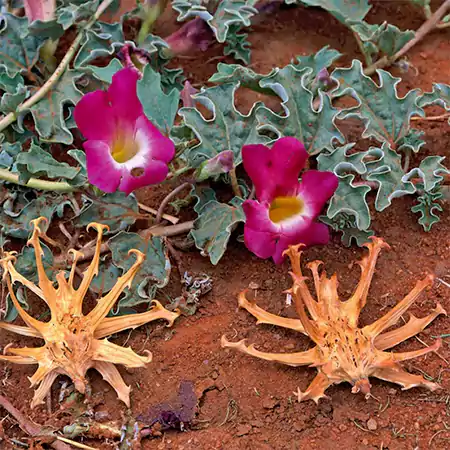
- Devils’s Claw
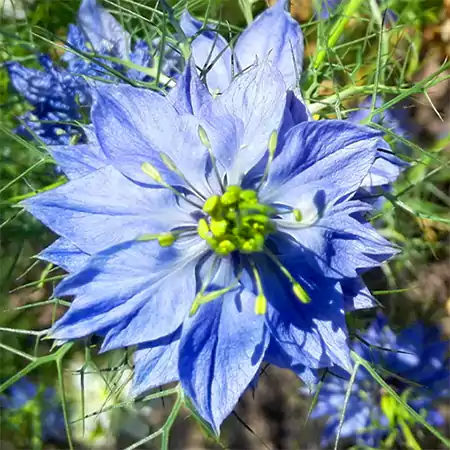
- Devil in a Bush
10 Flowers That Start With D – Explore Some Stunning Varieties
From bright seasonal favorites to soft and fragrant classics, here is a list of flowers that start with d. I personally find them colorful, cheerful, and easy to love.
1. Desert Lily Flower
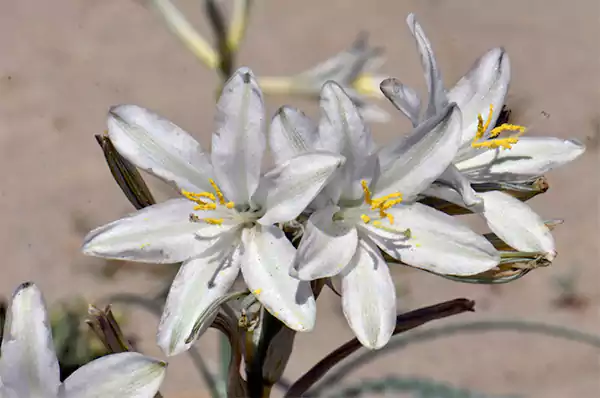
Out of all the flowers that start with D, the Desert Lily is my favourite, primarily because of its spring-blooming perennial buds. The fragrant white flowers of the genus uplift the vibe of the whole space. Mainly found in the Southwestern US, the trumpet-shaped blooms of Desert Lily mainly remain dormant.
| Hardiness Zone: 8-11 USDA |
| Botanical Name: Hesperocallis undulata |
| Care Needs: A minimum of 6-8 hours of sunlight is needed with moderate watering during the initial growing stages. |
| Symbolism: Thriving in harsh and arid conditions, this flower that starts with the letter d is said to represent resilience and endurance. |
2. Desert Rose
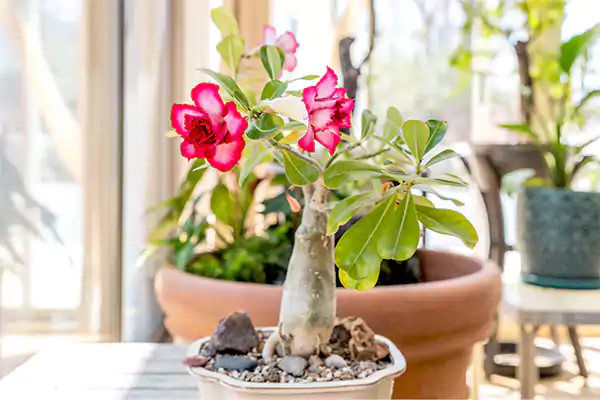
If you are looking for aesthetic and ornamental desert flowers that start with d, Desert Rose can be an ideal addition to your living space. It is a slow-growing and low-maintenance genus that tends to add a dramatic look to any dull corner. While the plant is said to be hardy, I personally feel that the plant is quite susceptible to pests like aphids and mealy bugs.
| Hardiness Zone: 10a – 12b USDA |
| Botanical Name: Adenium obesum |
| Care Needs: Grows best in permeable soil type under bright direct sunlight. It requires thorough watering once or twice a week for proper development. |
| Symbolism: Although it has not been officially stated but the Desert Rose is said to symbolize hope, courage, and solidity. |
3. Dianthus
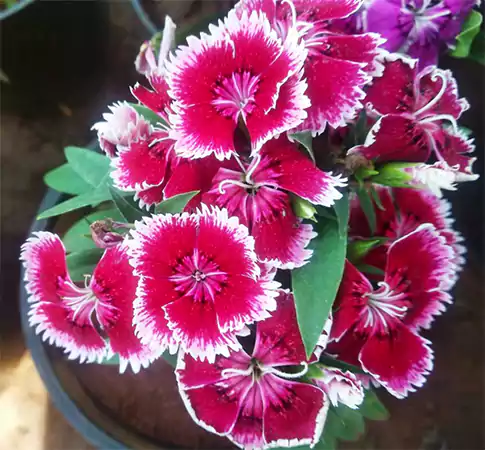
Commonly called “pinks”, “sweet william” or “carnations”, this bloom is truly breathtaking. The enchanting dark pink flowers with a fine white outline instantly catch the attention in a garden full of flowers. Starting with the letter d, it is primarily cherished for its low-maintenance quality.
| Hardiness Zone: 3-9 USDA |
| Botanical Name: Dianthus spp. |
| Care Needs: This widely adaptable bloom requires full sunlight, moderate watering, and a neutral to slightly alkaline soil to flourish. |
| Symbolism: Often associated with deep love and admiration, the genus is considered a divine flower by the Greeks and is used for wedding and birthday celebrations. |
4. Diascia
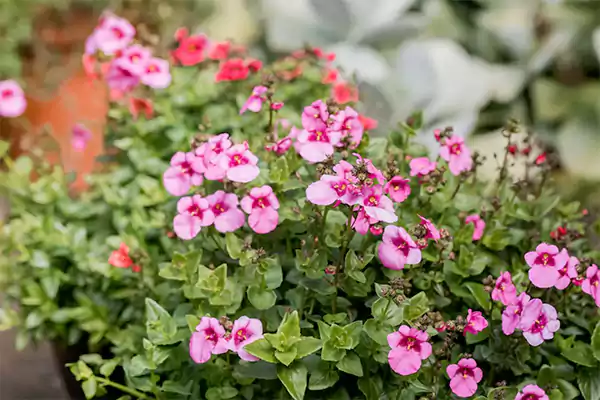
Diascia, also known as Twinspur, comprises approximately 70 species native to South Africa. The genus is a low-growing herbaceous perennial widely appreciated for its small snapdragon-like flowers. Its upward-facing blooms in shades of pink and coral are ideal for containers and as hanging plants.
| Hardiness Zone: 7-11 USDA |
| Botanical Name: Diascia spp. |
| Care Needs: Grows best in full sunlight to partial shade, with well-draining soil and consistent watering, especially during the initial growing stages. |
| Symbolism: Different shades of the bloom are said to convey distinct emotions; for example, baby pink represents affection, while white flowers signify purity and warmth. |
5. Dimorphotheca (African Daisy)
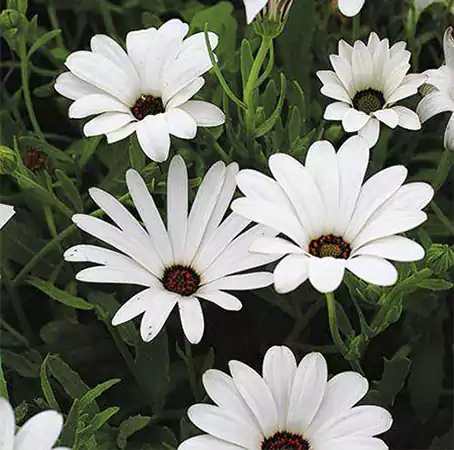
Dimorphotheca is commonly known as the African Daisy, Cape Marigold, or Star of the Veldt. It is a vibrant, sun-loving bloom that has good drought tolerance. These flowers usually grow between 6 and 16 inches tall and feature a central disc, making them particularly attractive to pollinators.
| Hardiness Zone: 9-11 USDA |
| Botanical Name: Dimorphotheca sinuata |
| Care Needs: Full sun exposure is needed for at least 6 hours. Grows best in a permeable soil type with moderate watering. Avoid overhead watering to prevent fungal issues. |
| Symbolism: The blooms of this genus only open in full sunlight, which makes them associated with sunshine, positivity, and happiness. They are sometimes referred to as “weather prophets” because they close up as soon as the weather becomes gloomy or rainy. |
6. Dicentra (Bleeding Heart)
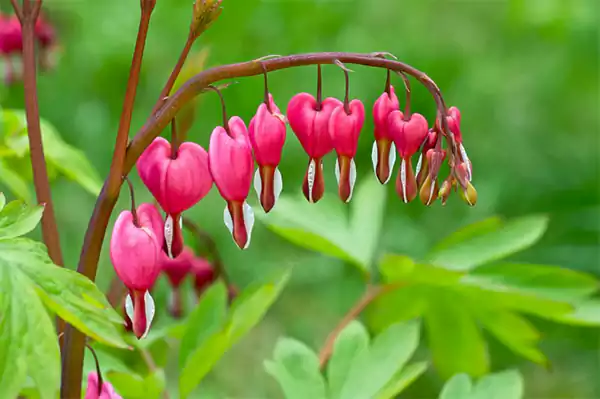
One of the most alluring flowers that start with a d is Dicentra, also known as Bleeding Heart. Native to North America and Asia, the bloom is renowned for its heart-shaped bell flowers. Typically a shade-loving plant, the lush foliage of Dicentra adds a pop of color to any landscape.
| Hardiness Zone: 3-9 USDA |
| Botanical Name: Dicentra spectabilis |
| Care Needs: Prefers growing in partial shade and can only tolerate sun if they are kept moist. Performs well in permeable soil type having plenty of organic matter. Water moderately and make sure the soil is not waterlogged. |
| Symbolism: During the Victorian times, this bloom represented a broken heart and unrequited love. In many Asian traditions, Dicentra is still associated with compassion and tales of sacrifice. |
7. Digitalis (Foxglove)
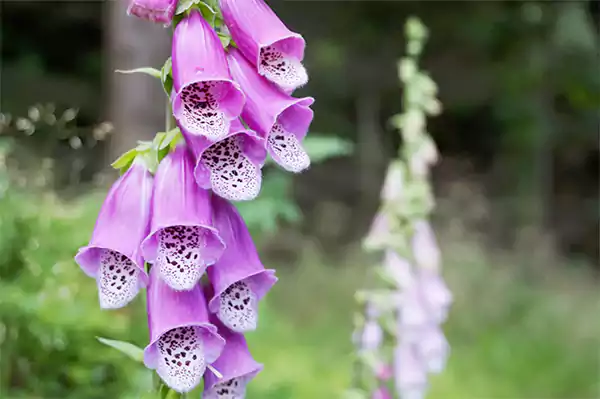
I still remember the first time I added this bellflower to my front lawn. One of the most visually appealing flowers that start with d, Digitalis is commonly known as Foxglove. Most varieties of this bloom are biennials and live for only 2-3 years. Some cultivars of the genus need staking to stand upright.
| Hardiness Zone: 4-9 USDA |
| Botanical Name: Digitalis spp |
| Care Needs: Thrives in full sunlight to partial shade, although they prefer afternoon shade to prevent wilting. Make sure that the soil is permeable and humus-rich, and the bloom gets consistent watering as it cannot tolerate dry conditions. |
| Symbolism: In modern contexts, the flower generally represents ambition, creativity, pride, and confidence. Throughout history, it has symbolized healing because of its medicinal properties. |
8. Dogwood
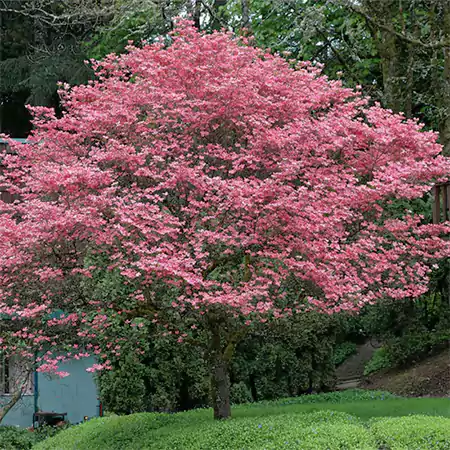
This flower that starts with the letter d bears pastel pink flowers and small red berries that attract many birds and useful pollinators. Botanically called Cornus, Dogwood is a deciduous ornamental tree with pink flowers that is typically grown for its breathtaking beauty.
| Hardiness Zone: 5-9 USDA |
| Botanical Name: Cornus |
| Care Needs: Morning sun and afternoon shade are ideal for the genus. Grows best in rich, acidic, and well-draining soil with consistent moisture, especially during the first two years of establishment. |
| Symbolism: Despite the delicate experience, Dogwoods are considered durable blossoms signifying love, affection, and sometimes endurance. According to many Christian legends, it is also believed that this bloom represented rebirth and resurrection. |
9. Dwarf Morning Glory
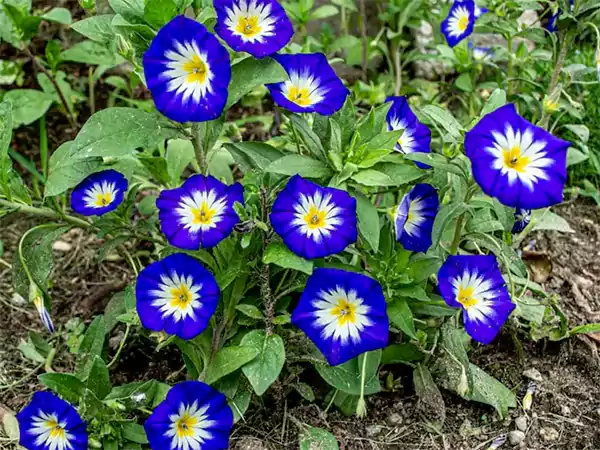
The Morning Glory comes in various stunning shades and is popularly called the secondary September birth flower. It is one of the most sought-after blooms, commonly found in Mexico and North America. The genus is a fast-growing perennial vine that represents hope and renewal, and does not demand any special care.
| Hardiness Zone: 8-11 USDA |
| Botanical Name: Evolvulus glomeratus |
| Care Needs: Requires a minimum of 6-8 hours of direct sunlight, well-draining soil, and consistent moisture. |
| Symbolism: It is often believed that the Morning Glory flower is said to represent the mortality of fleeting life. During historic times, the bloom is linked to love and affection. |
10. Dragon Tree
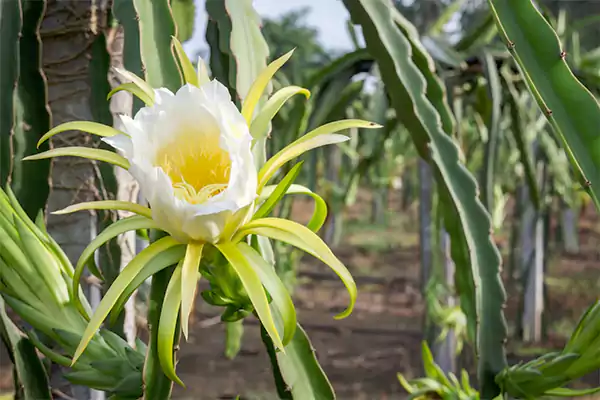
The Dragon Tree is a slow-growing, hardy succulent. Some cultivars of this species are grown as indoor plants mainly because of their eye-pleasing shape and structure. The leaves of this tree are mildly toxic to cats and dogs, and it is often mistaken for a palm tree due to its canopy-like shape and low maintenance qualities.
| Hardiness Zone: 9-12 USDA |
| Botanical Name: Dracaena draco |
| Care Needs: Grows best in full sun to partial shade, prefers bright but indirect sunlight. Once it is established, the bloom is drought-tolerant and performs well in permeable, sandy soil. |
| Symbolism: Due to its thick trunk and red sap, it is often said to symbolize resilience, power, and courage. The lifespan of the tree is many times linked to its wisdom and strength. |
Some Astonishing Flowers That Start With the Letter D
Below is an extended list of flowers that start with the letter D. These blooms add brightness and a dramatic personality to any garden space without much effort.
| Name | Image | Description |
| 11. Daffodil (Narcissus) | 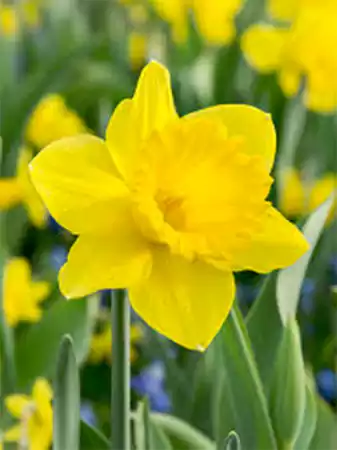 |
|
| 12. Dahlia (Dahlia pinnata) | 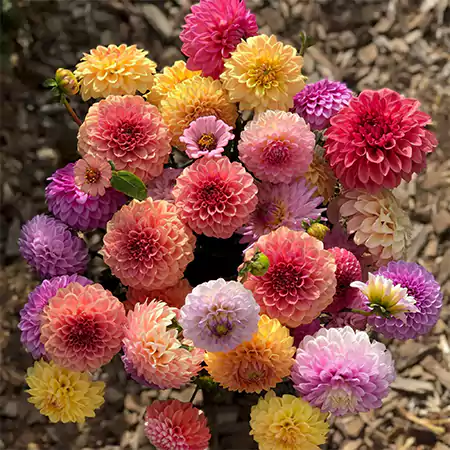 |
|
| 13. Daisy (Bellis perennis) | 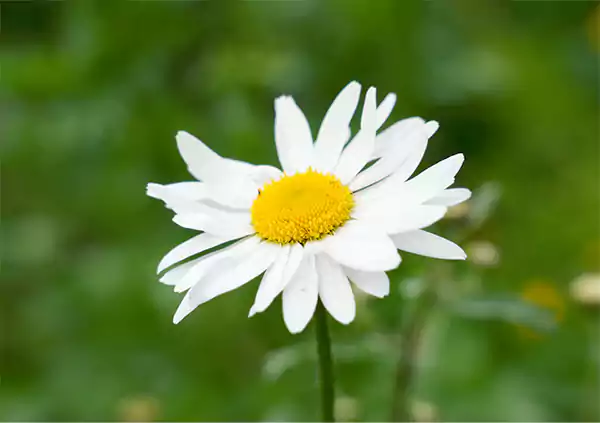 |
|
| 14. Dame’s Rocket (Hesperis matronalis) | 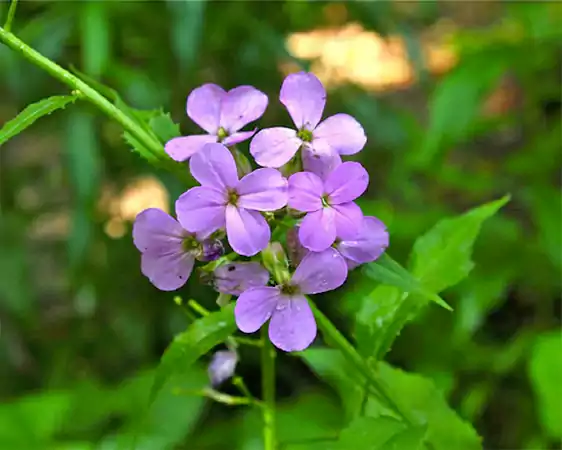 |
|
| 15. Dandelion (Taraxacum officinale) | 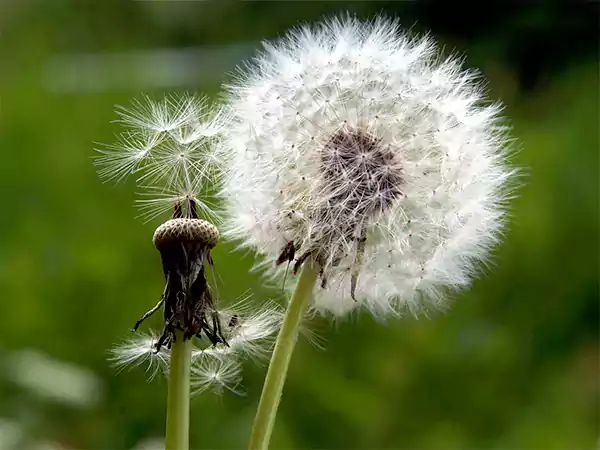 |
|
| 16. Daylily (Hemerocallis spp.) | 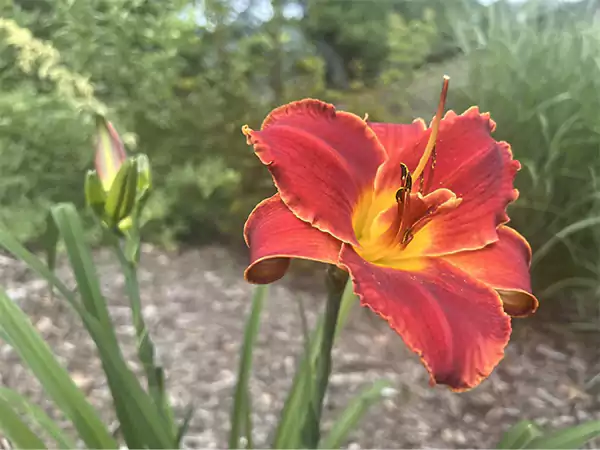 |
|
| 17. Dead Nettle (Lamium spp.) | 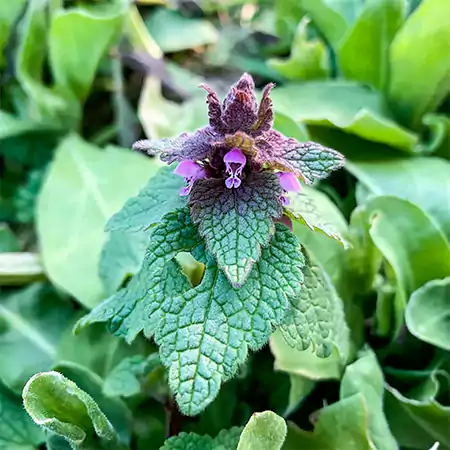 |
|
| 18. Delphinium (Delphinium spp.) | 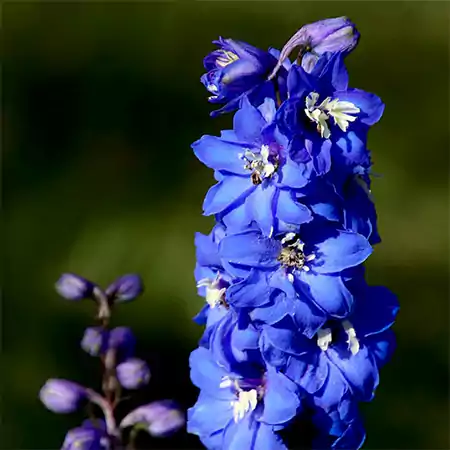 |
|
| 19. Dendrobium (Dendrobium spp.) | 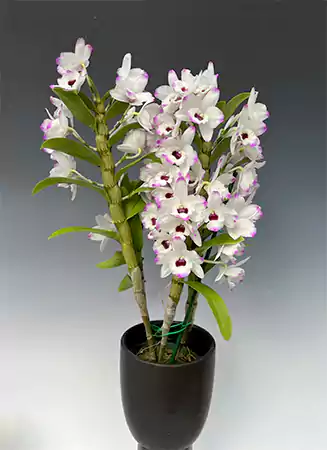 |
|
| 20. Desert Horse Purslane (Trianthema portulacastrum) |  |
|
An Extended List of Flowers That Start With D – Garden Showstoppers!
If you are curious about the names of flowers that start with D, you are in for a treat. These stunning blooms have unique care needs and are visually appealing in their own sense.
21. Dalmatian Iris (Iris Pallida)
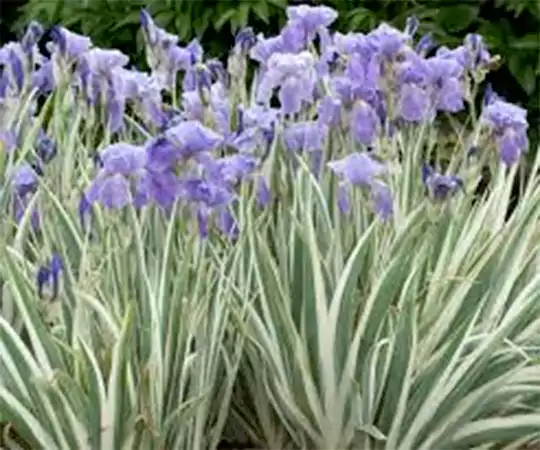 |
|
22. Daphne (Daphne spp.)
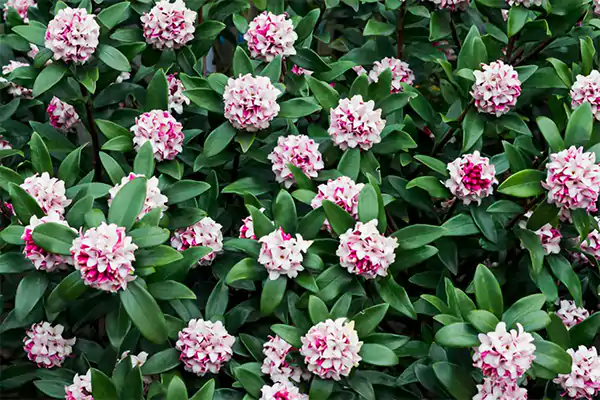 |
|
23. Datura (Datura spp.)
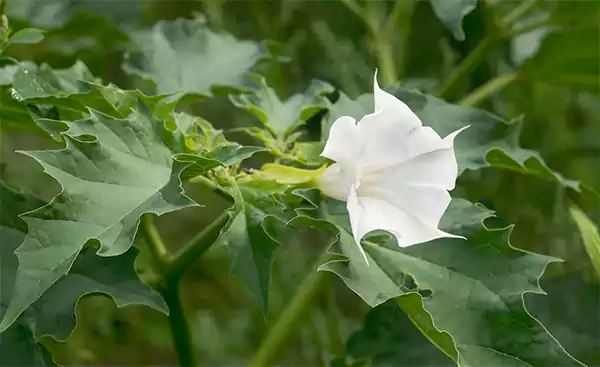
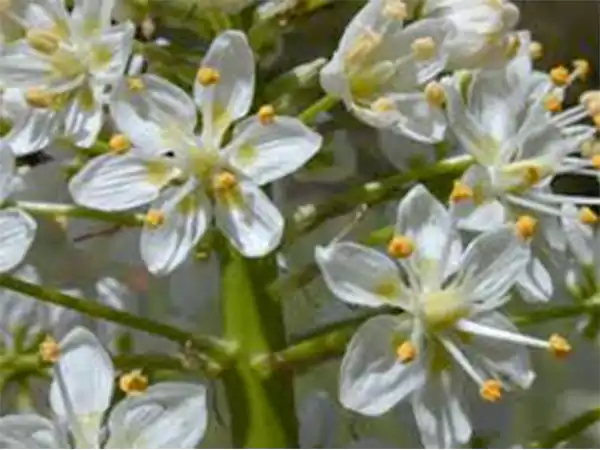
24. Death Camas (Zigadenus spp.)
 |
|
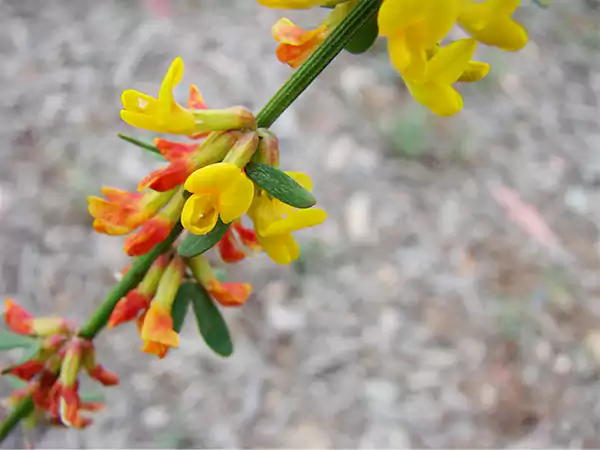
25. Deerweed (Acmispon glaber)
 |
|
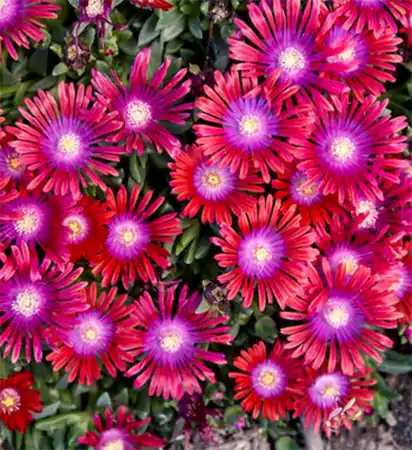
26. Delosperma (Delosperma spp.)
27. Desert Evening Primrose (Oenothera deltoids)
 |
|
28. Desert willow (Chilopsis linearis)
 |
|
29. Devil’s Claw (Harpagophytum procumbens)
 |
|
30. Devil-in-a-Bush (Nigella damascena)
Conclusion
Going through the names of flowers that start with the letter d tells me how much beauty and fascination a single alphabet can hold. As I am wrapping up the list, I am reminded how even small discoveries can give you so much joy.
From bold garden showstoppers to delicate woodland charmers, these blooms bring definition and drama to any dull corner.
FAQs
What are some popular flower names that start with D?
Some popular names of flowers that start with d are Dahlia, Daisy, Dandelion, Daffodil, Desert Rose, and Delphinium.
Are D flowers easy to grow and care for?
Yes! Almost all the flowers that start with the letter D are low-maintenance and do not need any special care. With minimal sunlight and watering, these blooms can easily flourish.
Can “Devil in a Bush” be grown as an indoor plant?
Ideally, the Devil in a Bush is an outdoor plant and is best grown under direct sunlight. If you are planning to grow the flower indoors, make sure to provide it with a minimum of 6-8 hours of sunlight.
Do any flowers that start with D attract pollinators?
Yes, flowers like Daisy, Daffodil, Delphinium, and Dandelion are pollinator magnets. These attract beneficial insects and birds like bees, butterflies, and hummingbirds.
Plants beginning with ‘D’ – Burncoose Nursery, UK
25 Flowers That Start With K: Names, Types & Care
[…] like flowers that start with A, D, and P, the landscape aesthetic can not remain devoid of the versatile flowers that start with K. […]
25 Flowers That Start With M: Names, Pictures & Meanings
[…] moss rose, marvel of peru, mums, monarda, moonflower, and many more that can be planted with flowers that start with D or can be used in flower […]