


Fall flowers add vibrant colors to the dull garden as the dormancy approaches. Chrysanthemums are the most popular fall flowers, which set the mood for autumn with their warm and earthy colors. Apart from elevating the garden space with its uniqueness, the fall flowers are ecologically beneficial, attracting important birds and butterflies to the garden for a healthier ecosystem.
If you are also looking for blooms to plant this coming fall, come along as I share a detailed list of 10 fall flowers with their unique features.
Quick answer
Popular fall flowers include African daisy, petunia, salvia, dusty miller, coral bells, sedum, verbena, lantana, garden mums, and asters, which are best planted around autumn, some even earlier for a spectacular display of colours before dormancy.
What are Fall Flowers?
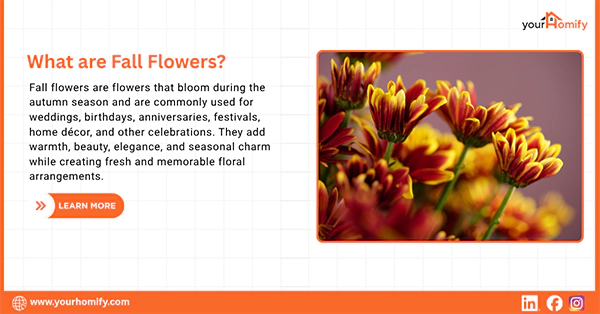
The fall flowers are a variety of plants that bloom in chilly autumn months, right before the plants go dormant. They are extremely important for the landscape for two reasons: one is adding vibrant colors to the garden when all the plants are dying off, and another is maintaining a healthy ecosystem due to pollinating flowers, which provide a food source for birds and butterflies.
Moving further in the article, I have listed down 10 fall flowers that can instantly elevate your garden without much effort.
10 Fall Flowers to Plant in Autumn
Mums are the official fall flower, followed by African daisies, petunias, salvias, sedums, verbenas, lantana, and asters, which are used to enhance the charm of the garden during the dormant fall months.
1. African Daisy
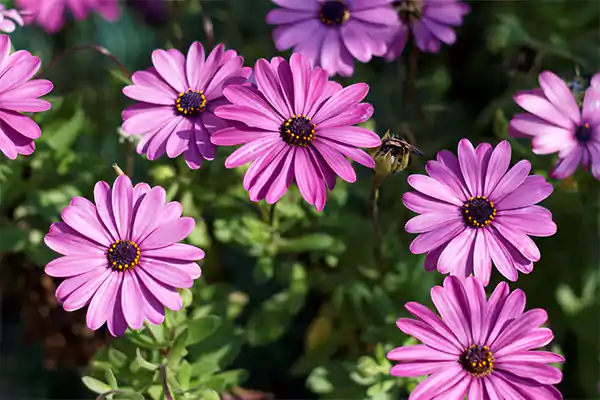
- Botanical name: Osteospermum
- Hardiness: USDA zones 9-11
- Native Region: South Africa
- Bloom Time: May to October
Also known as the Cape Daisy, the African Daisy is a genus of flowering plants in the family Asteraceae, which also features flowers like sunflowers and dahlias. It features 2 sets of florets and one blue-eyed center, which adds to the ornamental charm of the flower, which is best planted in the garden beds and borders.
2. Petunia
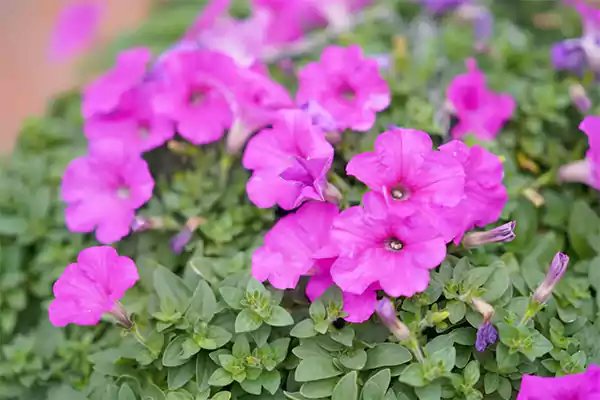
- Botanical name: Petunia spp.
- Hardiness: USDA zones 9-11
- Native Range: South America
- Bloom Time: May to October
Petunia is a genus of flowering plants that are treated as annuals in colder regions. These pollinator-friendly flowers are best planted in full sun to a little shade, which can, however, compromise the quality and quantity of the blooms.
The creeping varieties of the flower can be planted in hanging baskets for balcony gardens, and they are pollinator-friendly and extremely easy to plant.
3. Salvia
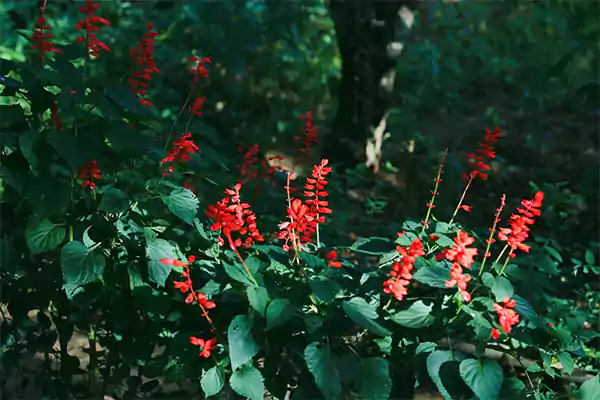
- Botanical name: Salvia spp.
- Hardiness: USDA zones 6-9
- Native Range: Central and South America
- Bloom Time: May to November
Also known as sage, Salvia is a genus of flowering plants that produce tall, spiky flowers that are deer-resistant and a magnet for hummingbirds and other pollinators. These heat-tolerant plants thrive in full sun and well-draining soil and can easily fit into any garden style.
4. Dusty Miller
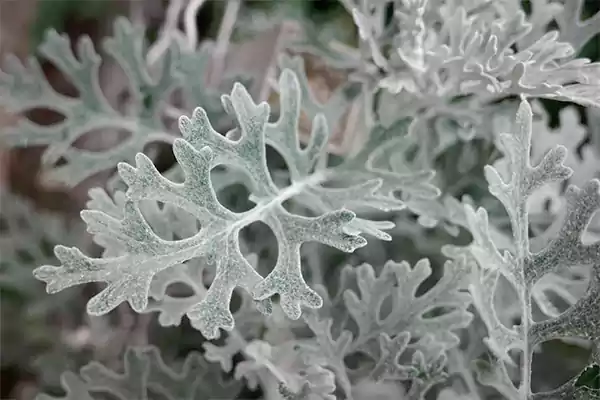
- Botanical name: Jacobaea maritima
- Hardiness: USDA zones 9-11
- Native Range: Mediterranean regions
- Bloom Time: July and August
Popularly known as silver ragwort, the dusty miller is one of the most popular fall flowers, named primarily for its silver-grey foliage and yellow flowers. This drought-tolerant beauty is best paired with brightly colored flowers for a striking contrast.
5. Coral Bells
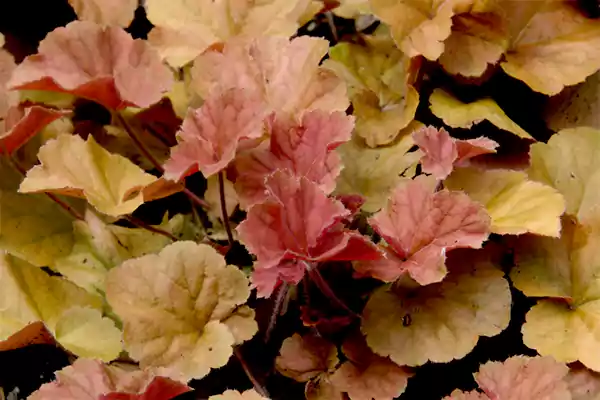
- Botanical name: Heuchera
- Hardiness: USDA zones 4-9
- Native Range: North America
- Bloom Time: May to July
Coral bells grow small bell-shaped flowers, but are more popular for their large ruffled leaves and their ability to thrive in partial shade as well. These shade plants are perfect to elevate any bleak corner of your garden.
A magnet for hummingbirds and butterflies, these fall flowers are symbolic of the idea of delicate beauty and protection.
6. Sedum
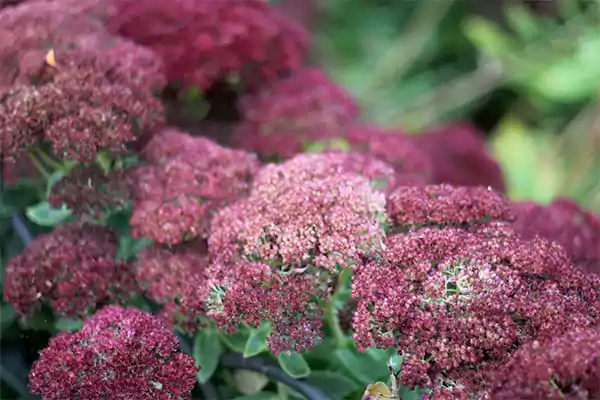
- Botanical name: Sedum
- Hardiness: USDA zones 3-11
- Native Range: Northern Hemisphere
- Bloom Time: August and October
Popularly known as Stonecrop, the sedum plant is known for producing star-shaped flowers and succulent leaves, which grow up to 1 foot tall and are perfect for garden beds.
These mat-forming flowers are drought-tolerant and have anti-inflammatory properties, as claimed by NCBI.
The sedum plant has tall and trailing varieties as well, along with mat-forming ones, which makes them extremely versatile and fit for all garden styles.
7. Verbena
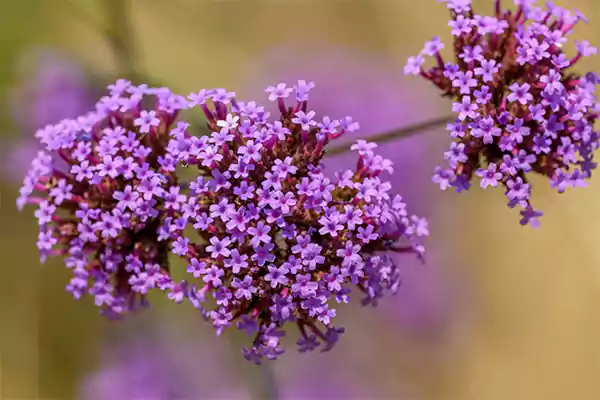
- Botanical name: Verbena
- Hardiness: USDA zones 3-11
- Native Range: North and South America
- Bloom Time: May to October
Also known as vervain, the verbena is a herbaceous perennial flower that produces clusters of small flowers, which are drought-tolerant and deer-resistant, hence extremely favorable for new gardeners.
With a long bloom season from summer to fall, these flowers are great for adding color to the garden throughout the year.
8. Lantana
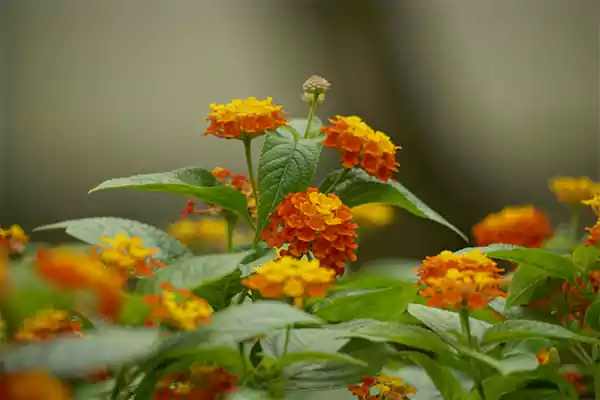
- Botanical name: Lantana camara
- Hardiness: USDA zone 7-11
- Native Range: America
- Bloom Time: May to October
Lantana is a flowering shrub that grows clusters of small, tubular flowers and is considered a butterfly magnet. Usually grown as upright flowers, some trailing varieties can also be planted in hanging baskets.
These perennial flowers are planted as annuals in colder climates and are associated with the idea of resilience due to their ability to thrive in harsh conditions.
9. Garden Mums
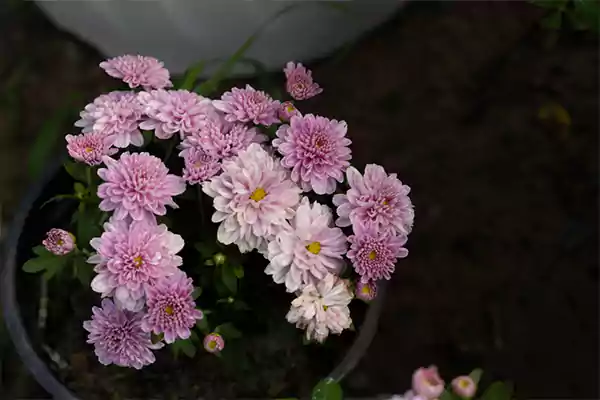
- Botanical name: Chrysathemum morifolium
- Hardiness: USDA zones 5-9
- Native Range: East Asia
- Bloom Time: August to November
Also referred to as the ‘Queen of fall flowers,’ the garden mums are a popular ornamental flower planted for their pom-pom-like, large blooms. These hardy perennials are different from the florist mums, which are grown for purely commercial purposes and treated as annuals.
With the wide range of color varieties, from red and pink to white and yellow, these flowers are associated with the idea of rebirth and friendship and therefore used as a popular friendship flower around the world.
Warning
According to ASPCA, the mums are toxic to pets and hence should be placed at a safe distance from your furry friends.
10. Asters
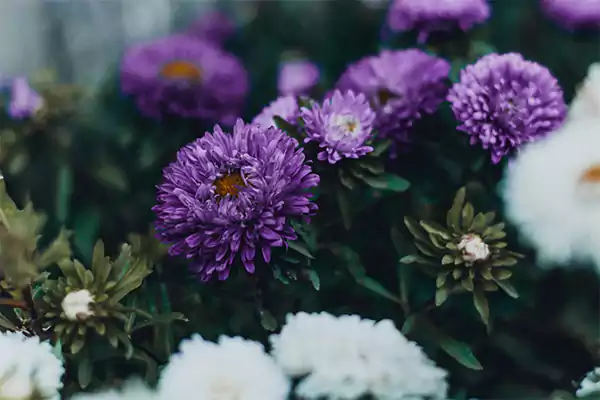
- Botanical name: Aster
- Hardiness: USDA zones 3-8
- Native Range: North America and Asia
- Bloom Time: August to October
Also known as the starwort, the aster is a plant family with over 600 cultivars. It gets its name from the Greek word ‘aster,’ meaning ‘star,’ for the shape of its blooms.
This September birth flower is associated with the idea of kindness and wisdom and is perfect for both novice and experienced gardeners.
Concluding Remarks
Fall flowers keep the garden blooming even during dormancy. The vibrant range of flowers ensures all the garden styles are benefited equally. Whether it is the garden’s favorite mums or the simple lantana blooms, some of the fall flowers start their bloom season in summer and continue till the ground freezes.
These autumn flowers are a perfect blend of color and versatility; hence, planting never disappoints. I would suggest new gardeners pick plants according to their hardiness zones for the slight variation in the blooming periods for better management.
FAQs
What flowers bloom in the fall?
African daisies, salvia, chrysanthemums, and coral bells are some flowers that bloom in the fall.
What is the official flower of the fall?
Chrysanthemums are officially recognized as the flower of the fall.
What flowers are in season in October?
African daisy, verbena, and sedum bloom are in season during October.
Are Sedum and stonecrop the same flower?
Yes, “sedum” and “stonecrop” are the names for the same flower.
Are garden mums and florist mums different fall flowers?
Garden mums and florist mums are different varieties of the same flower; one is grown for landscape/gardens, and the other for commercial purposes, respectively.
- 30 Picture-perfect flowers to elevate your fall garden– Yahoo
- Great Plants for Fall Color– PennState Extension
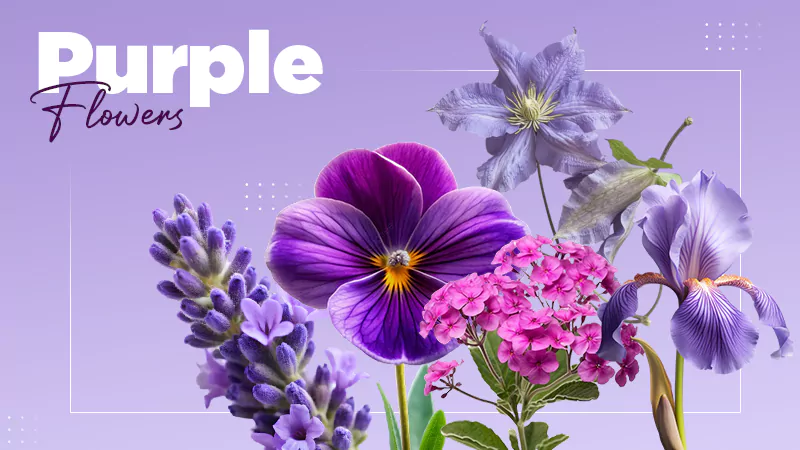
31 Types of Purple Flowers: Names, Meanings & Pictures
[…] from May to October. The vase life of these dark purple flowers is 5-7 days. Verbena is a popular fall flower because it adds color to the garden all year […]