


North facing window plants are low-light varieties that flourish in indirect shade. Since south facing windows receive the most direct sunlight in the entire house, low light plants like north facing flowers’ leaves can wilt and drop in such conditions.
A north facing window is appropriate for plants that require filtered sunlight, as it prevents direct sun exposure, which can scorch the leaves.
If you are looking for low-care, plants for north facing window, come along as I share 10 such indoor plant options for your home.
Quick answer
Plants for north facing window are low light plant species that thrive in shaded areas. Some popular north facing window plants are Peace Lily, Snake Plant, Umbrella Tree, African Violet, Calathea, Heartleaf Philodendron, Pothos, Monstera, Zuzu plant, and Cast Iron plant.
A north facing window provides these plants the right kind of sun exposure without damaging the leaves.
What Is a North-Facing Window Plant?
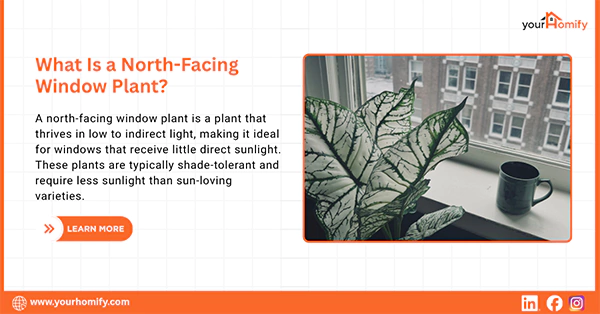
The plants for north facing windows are the species that prefer bright, indirect sunlight. A north- facing window receives the least amount of sunlight in the entire house, which makes it perfect for plants with low tolerance for direct sun exposure.
As per my experience, the north facing window plants are low-maintenance and easier to look after. Since their light requirements are minimal, they can be placed easily in any part of the house.
Moving further, I have discussed the 10 best plants for north facing windows.
10 Indoor Plants for North Facing Window
Peace lily, snake plant, umbrella tree, and african violet along with many others, are some popular plants for north facing windows.
Take a look at these 10 low-light plants, which thrive near the north facing window:
1. Peace Lily
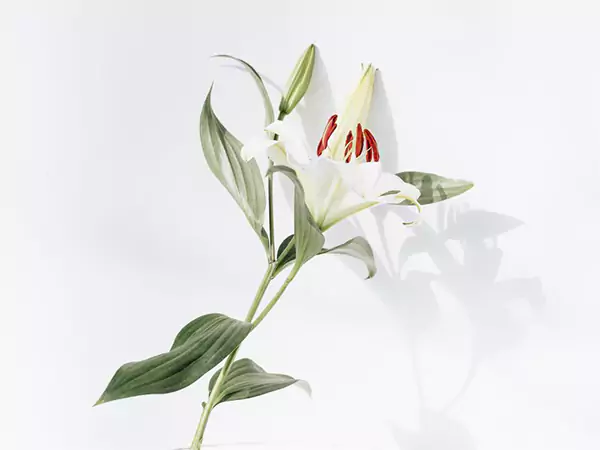
- Botanical Name: Spathiphyllum spp.
- Hardiness: USDA zones 10-12
- Native Range: Central and South America
- Bloom Time: April
- Plant Type: Evergreen, herbaceous perennial
The peace lily flower is a part of the arum family and is not a true lily. This herbaceous perennial thrives in dappled shade near a north facing window. Its height is between 1 and 4 feet with consistent moisture and proper care.
According to the ASPCA, peace lilies are toxic to pets and can cause digestive discomfort upon ingestion. They are symbolic of purity and innocence, similar to all white flowers.
2. Snake Plant
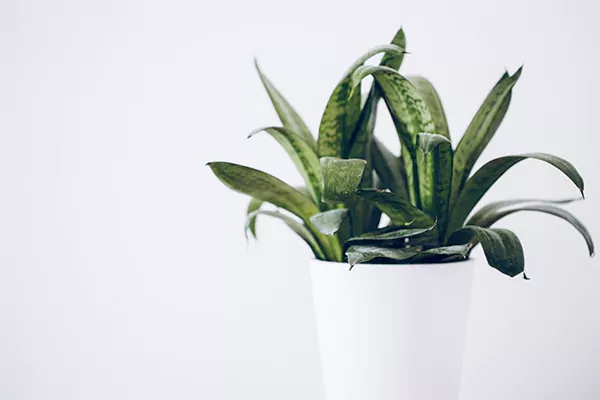
- Botanical Name: Dracaena trifasciata
- Hardiness Zone: 9-12 USDA
- Native Range: Tropical West and Central Africa
- Bloom Time: Spring to early summer
- Plant Type: Evergreen perennial succulent
The Snake plant is an evergreen perennial from the Asparagaceae family. It grows sword-like leaves with yellow edges, which have air-purifying qualities. This houseplant grows up to 2-5 feet, perfect for compact spaces. Snake plants are extremely beginner-friendly, with little care needed until they mature.
YourHomify Tip
The most common snake plant issue is yellowing leaves due to overwatering. Check the soil moisture levels before watering.
3. Umbrella Tree
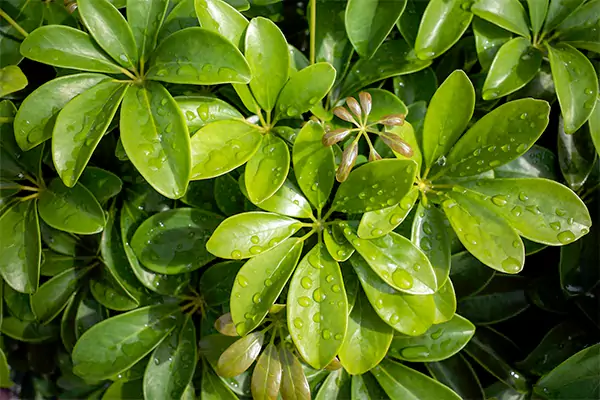
- Botanical Name: Schefflera arboricola
- Hardiness: USDA zones 10-12
- Native Range: Taiwan, Tropical Australia, and New Guinea
- Bloom Time: July to August
- Plant Type: Broadleaf evergreen
The Umbrella tree is a broadleaf evergreen plant shaped like an umbrella. It grows 4-6 feet tall indoors. It prefers bright, indirect sunlight, which is best achieved near a north facing window.
An ideal soil pH for the umbrella plant ranges from 6.0 to 6.5 along with organic matter.
4. African Violet
- Botanical Name: Streptocarpus ionanthus
- Hardiness: USDA zones 11-12
- Native Range: Eastern Africa
- Bloom Time: Year-round
- Plant Type: Herbaceous perennial
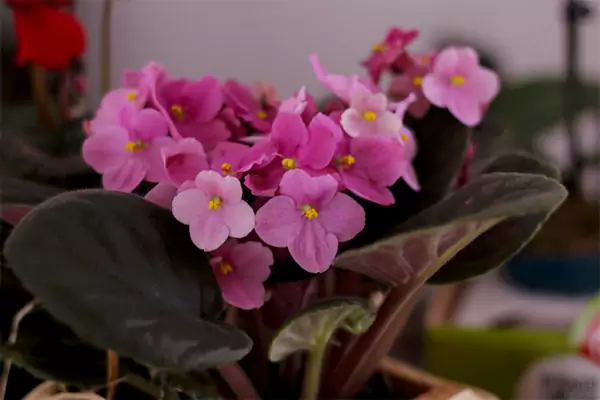
African violet is a herbaceous perennial flower from the Streptocarpus genus. It features purple flowers with a yellow center and velvety leaves. These indoor plants grow up to 6-12 inches and are best planted in small containers. It ideally prefers a warm and humid environment with temperatures ranging from 55 to 75°F.
5. Calathea
- Botanical Name: Calathea
- Hardiness: USDA zones 11-12
- Native Range: Native and South America
- Bloom Time: March to August
- Plant Type: Herbaceous perennial
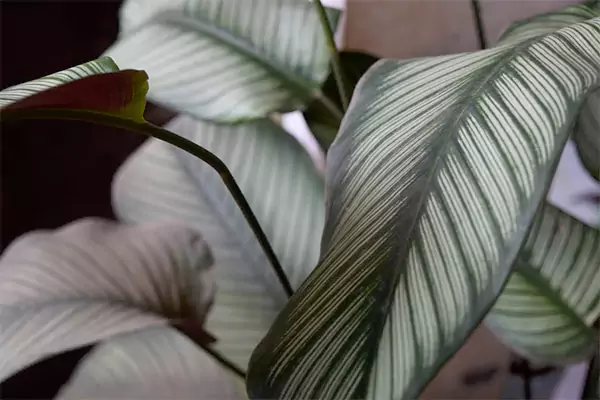
Calathea is a tropical plant native to Central and South America. It features large leaves, which droop by the end of the day, similar to the prayer plant. This houseplant grows up to 12 inches tall, ideal for compact spaces.These pet-friendly houseplants also remove harmful toxins from the air.
It prefers a porous soil mix along with weekly watering to grow properly. They are symbolic of good luck and prosperity.
6. Heartleaf Philodendron
- Botanical Name: Philodendron hederaceum
- Hardiness: USDA zones 10-12
- Native Range: Central and South America
- Bloom Time: May and July
- Plant Type: Evergreen perennial
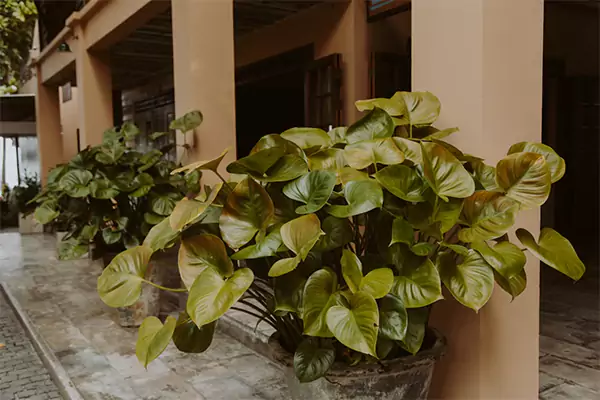
Heartleaf philodendron is a member of the arum plant family. It grows 2 to 3 feet high and features large, heart-shaped leaves. According to the ASPCA, these indoor plants are toxic for pets and should be placed at a safer distance.
Plant them in a well-draining soil mix with an acidic pH (5.5-6.0). Feed the plant with a balanced fertilizer monthly during the growing season.
7. Pothos
- Botanical Name: Epipremnum aureum
- Hardiness: USDA zones 10-12
- Native Range: Asia
- Bloom Time: December to May
- Plant Type: Vine
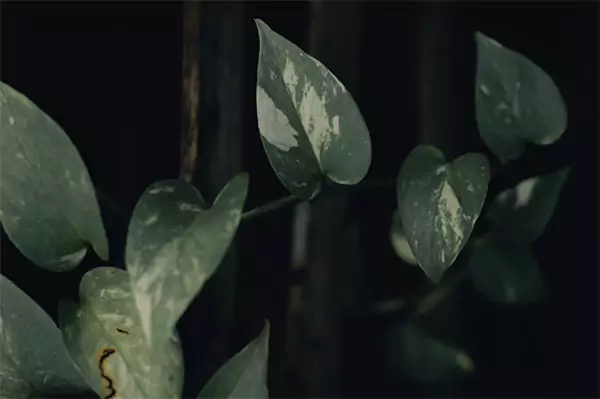
Pothos is a genus of tropical vine plants that have variegated leaves and cascading stems. They grow up to 12-18 inches and are ideal for small compact spaces. Pothos are best grown as hanging plants in the balcony garden due to their climbing growth habit.
They are long lasting north face window plants, which last up to 5-10 years. Pothos are also known as the devil’s vine because they are moderately toxic for pets.
8. Monstera
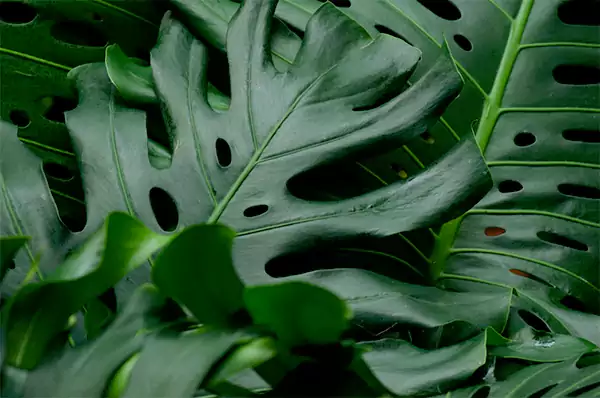
- Botanical Name: Monstera deliciosa
- Hardiness: USDA zones 10-12
- Native Range: Central America & South America
- Bloom Time: June to August
- Plant Type: Vine
The monstera is also known as the Swiss cheese plant. It belongs to the arum plant family and features large, heart-shaped leaves. The plant grows up to a height of 6-10 feet and naturally has fenestrations on its leaves. This tropical plant prefers warm indoor temperatures ranging from 65-80°F.
Avoid placing these houseplants in direct sunlight, as it can scorch the leaves.
9. Zuzu Plant

- Botanical Name: Zamioculcas zamiifolia
- Hardiness: USDA zones 9-11
- Native Range: Eastern and Southern Africa
- Bloom Time: July to September
- Plant Type: Perennial
The ZZ plant is popularly known as the Zanzibar gem because it is native to Africa. This rhizomatous plant stores water in its roots and therefore requires less frequent watering. The average height of a ZZ plant is up to 2-4 feet.
It grows well at room temperature but not near AC and heating vents. It leads to premature wilting. Plant these north facing window plants in a regular soil mix full of perlite for improved aeration.
10. Cast Iron Plant
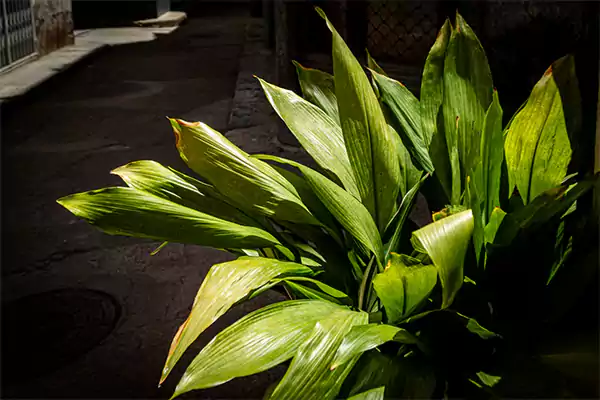
- Botanical Name: Aspidistra elatior
- Hardiness: USDA zones 7-11
- Native Range: Eastern and Southern Africa
- Bloom Time: February to June
- Plant Type: Herbaceous perennial
The cast iron plant is botanically known as the Aspidistra elatior in the Asparagaceae family. This herbaceous perennial is easy to grow and can be planted in any soil type. It is a beginner-friendly plant which grows up to 3 feet tall, featuring lance-shaped leaves with no particular care routine.
Concluding Remarks
North facing window plants are great for the bleak corners of the house where sunlight does not reach. Not only because it creates a greener space with air-purifying, low-maintenance plants, but also to provide the right kind of light to low-light plants.
Ensure the plants are placed appropriately depending on their light needs and pet safety.
FAQs
Is a north-facing window good for plants?
Yes, a north -facing window is great for plants that thrive in low light areas.
What plants will grow in a north facing window box?
Some plants like calathea, peace lily, monstera, and zuzu plants will grow in a north facing window box.
What plants grow well north facing?
Peace lily, snake plant, monstera, and calathea grow well north facing indoors.
What plant is good for Sagittarius?
The snake plant and ZZ plant are good for Sagittarians due to their low-maintenance nature.
What indoor plants are good for eczema?
Snake plant and aloe vera are good for eczema because they have air-purifying properties.

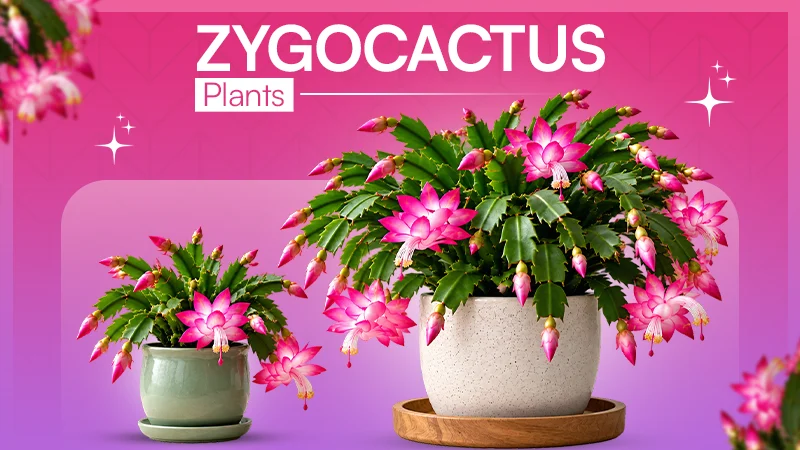

Zygocactus Plants: Growing, Care Guide & Pest Control
[…] plant grows best in bright, indirect light. It requires 4-6 hours of daily light and is one of the best plants for a north-facing window. Avoid direct afternoon sun, which can scorch the segments and cause […]
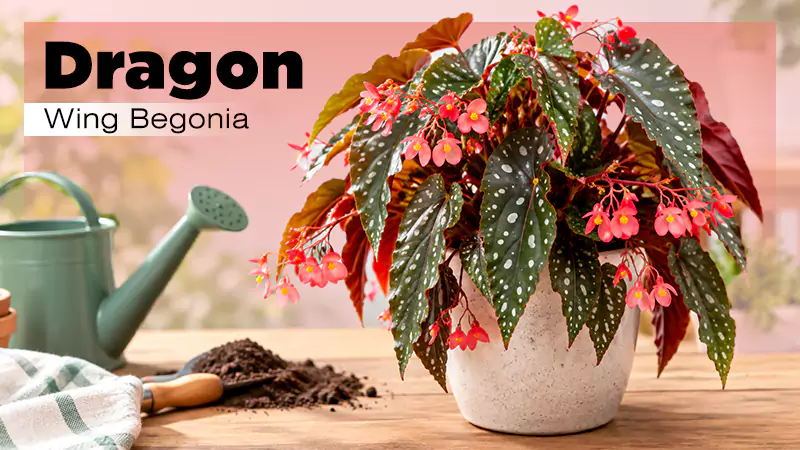
Dragon Wing Begonia: Complete Care & Growing Guide
[…] the jar or the vessel under bright, indirect light. It is best to keep it near a north-facing window. Direct sunlight can scorch the leaves and kill the […]