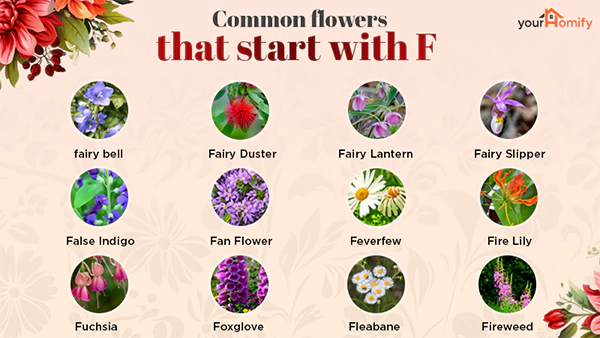
A fresh and fabulous garden is an amalgamation of blooms of different colors and types, and such a fulfilling garden cannot be devoid of the flowers that start with f. When the lavender-colored foxglove is placed near the teardrop shape of the fuchsia, there is no better sight than this.
If you have been a fan of growing different flowers, come along as I share the list of 40 flowers that start with F with their unique features.
Most Popular 20 Flowers That Start With F: From Foxglove to Flame Lily
Take a look at the most commonly grown flowers that start with letter f. From the uniqueness of Fuchsia to the simplicity of Felicia, you will love each bloom in the list.
1. Fuchsia
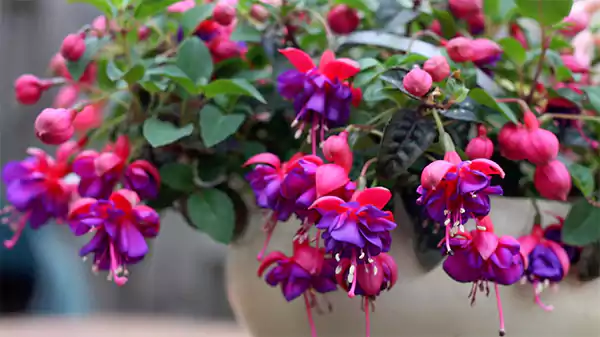
Nothing beats the elegance of the teardrop-shaped flowers of the fuchsia. This flowering genus features over 100 plant species that grace gardens across the globe with bright, pink, purple, and red flowers.
| Botanical Name | Fuchsia spp. |
| Plant type | Shrubs |
| Height | Up to 6 feet tall |
| Native Region | Central and South America |
| Growth Requirements | Full sun to partial shade, well-draining, moist soil, and balanced liquid fertilizer during the growing season. |
2. Foxglove
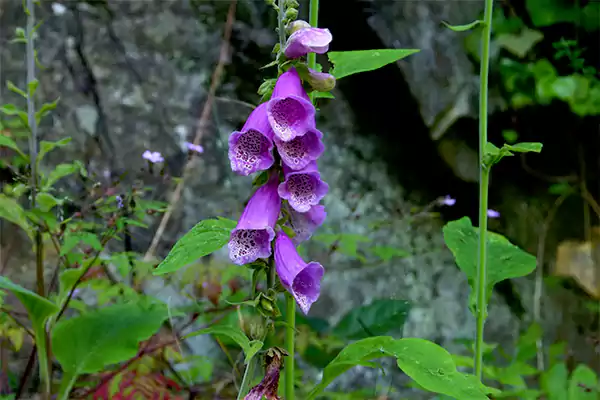
Foxglove is a shade perennial that features tubular, bell-shaped flowers and grows in a vertical manner, ideal for adding height to the garden. Although commonly grown for its ornamental purposes, historically, these blooms were used for their medicinal purposes.
Quick Planting Tip
Plant your foxglove plants with delphinium flowers, which look visually striking and complement each other well.
| Botanical Name | Digitalis purpurea |
| Plant Type | Herbaceous biennial |
| Height | 6-7 feet |
| Native Region | Western and Central Europe |
| Growth Requirements | Partial shade, moist well-draining soil, and sensitive to extreme heat but cold-hardy. |
3. Fairy Primrose
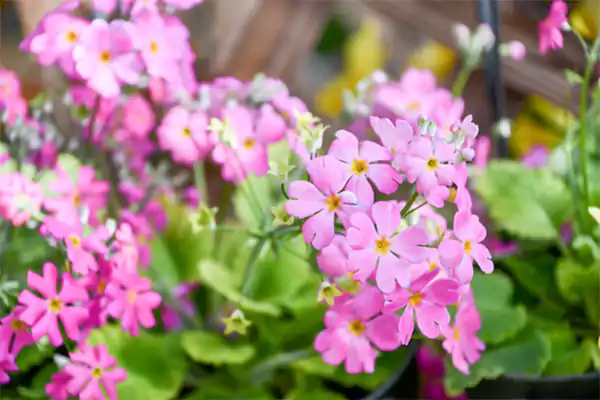
The fairy primrose belongs to the Primulaceae family, the same as the common primrose, which is also a February birth flower. It features a cluster of small flowers that form a rosette-like shape. Along with a soft, delicate fragrance, they also possess self-seeding abilities.
| Botanical Name | Primula malacoides |
| Plant Type | Herbaceous perennial |
| Height | Up to 1 foot |
| Native Region | China |
| Growth Requirements | Partial shade, humus-rich soil, and moist soil, but prevent waterlogging. |
4. Freesia
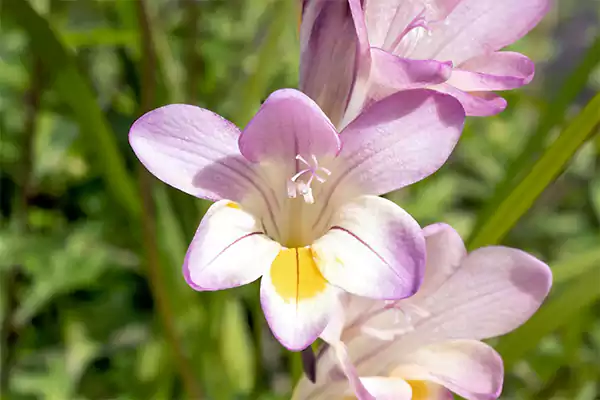
Popularly used for wedding decor and balcony gardens, freesia flowers are soft and elegant, orange, red, purple, and white flowers, and are shaped in the form of a trumpet and grow up to 1 foot tall.
Care Tip
Although freesia flowers need consistent moisture, remember to not go overboard with feeding, as that can divert the focus on leaf production from flowers.
| Botanical Name | Freesia |
| Plant Type | Herbaceous perennial |
| Height | Up to 1 foot |
| Native Region | South Africa |
| Growth Requirements |
|
5. Foxtail Lily
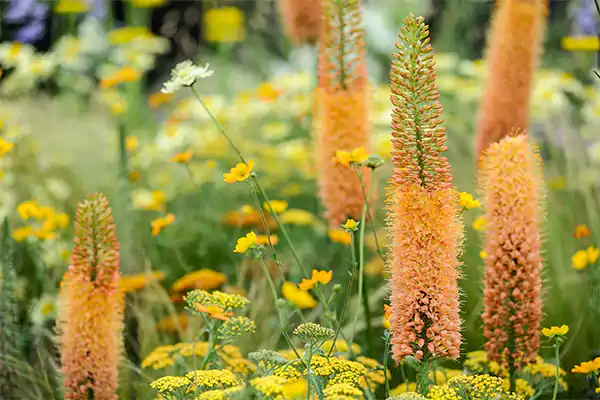
This perennial plant is part of the Asphodelaceae family and grows tall spikes with small star-shaped flowers, ideal for vertical gardening. Apart from the unique flowers, the foxtail lily is deer-resistant and is considered pet-safe.
| Botanical Name | Eremurus himalaicus |
| Plant Type | Herbaceous perennial |
| Height | 3-8 feet |
| Native Region | Western and Central Asia |
| Growth Requirements | Direct sunlight (6+ hours), sandy loam soil, and mulching in winter. |
6. Frangipani
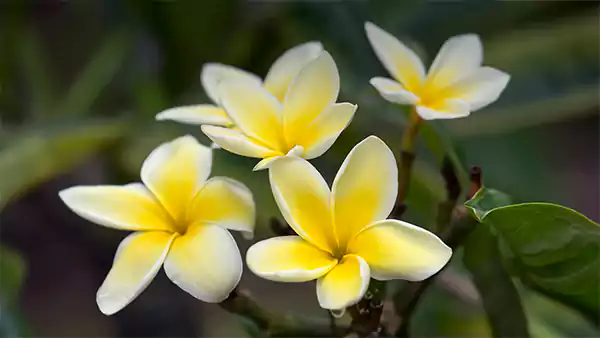
Frangipani is a tropical flower featuring 5-petal fragrant flowers, which are drought-tolerant and are also widely used for landscaping purposes for lawns. The vibrancy of these flowers has been associated with the idea of love and loyalty.
| Botanical Name | Plumeria |
| Plant Type | Deciduous/evergreen shrub |
| Height | Up to 25 feet |
| Native Region | Central America |
| Growth Requirements | Full sun for 6+ hours, sandy loamy soil, and moderate watering (keep the soil moist). |
7. Fireweed
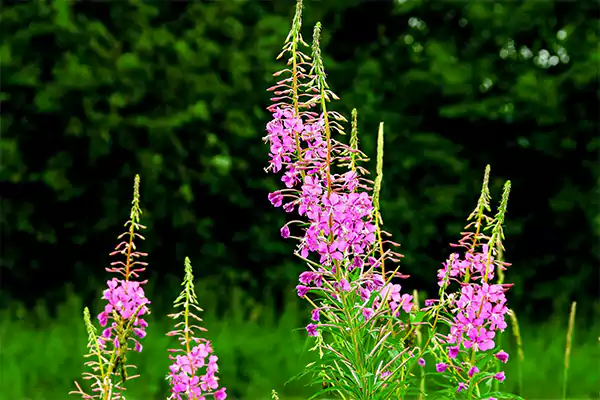
Fireweed looks a bit like the lavender flower, but it is a wildflower that grows in the form of spikes and features pink flowers. Also known as the blooming sally, this flower has been used historically for treating inflammation and skin conditions.
| Botanical Name | Chamerion angustifolium (L.) |
| Plant Type | Herbaceous perennial |
| Height | 4-6 feet |
| Native Region | North America and Eurasia |
| Growth Requirements | Full sunlight, well-drained soil, and regular watering, but drought-tolerant once established. |
8. Feverfew
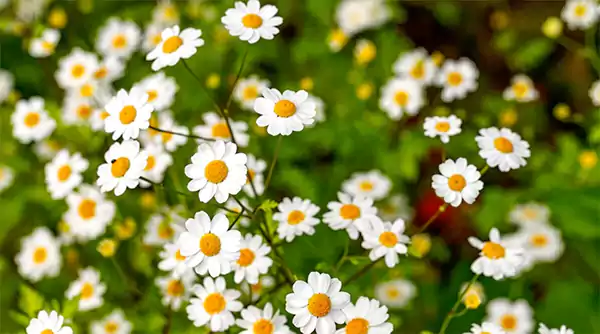
Part of the daisy family, feverfew is a medicinal plant that blooms in the form of clusters of small white flowers with a yellow center. Also called the “medieval aspirin,” this flower that starts with F is used for treating migraines, as stated by the NIH.
| Botanical Name | Tanacetum parthenium (L.) |
| Plant Type | Herbaceous perennial |
| Height | 1-3 feet |
| Native Region | Eurasia |
| Growth Requirements | Full sun to partial shade, sandy loam soil, and consistent moisture. |
9. False Indigo
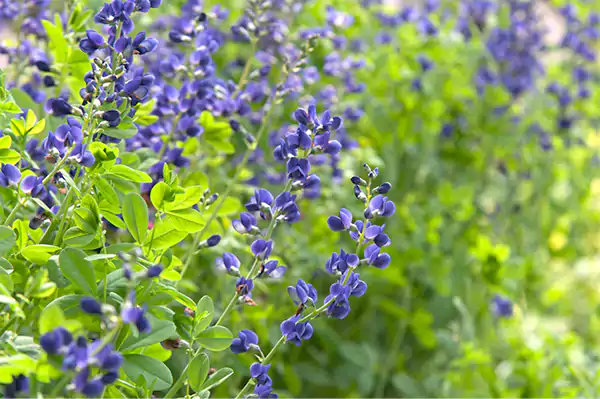
False indigo was historically used as a substitute for the true indigo by colonists. Additionally, this herbaceous plant also grows yellow flowers, other than the blue ones.
However, interestingly, they have a strong resemblance to sweet pea flowers and are considered slightly toxic to humans according to the NC State Extension.
| Botanical Name | Baptisia Australis |
| Plant Type | Herbaceous perennial |
| Height | Up to 3 feet |
| Native Region | Central and North America |
| Growth Requirements | Full sun to partial shade, rocky soil, and moderate watering. |
10. Filbert
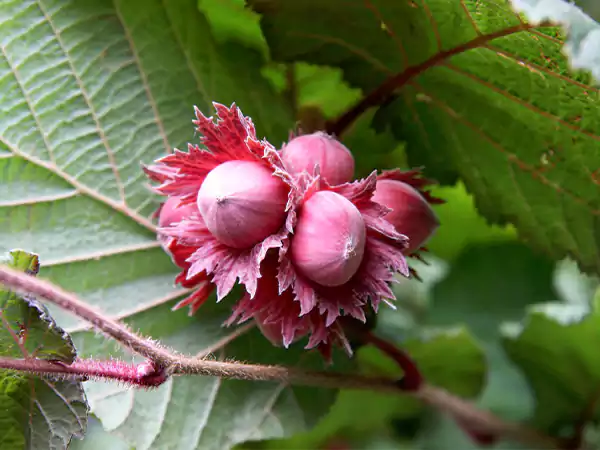
Also known as the common hazel, the filbert plant belongs to the Betulaceae family and is classified as a small tree. Filbert is a monoecious plant, like the Ficus Audrey. It features yellow drooping spike-like flowers with red female stigmas, as shown in the image.
| Botanical Name | Corylus avellana |
| Plant Type | Tree |
| Height | 20 feet |
| Native Region | Europe and Western Asia |
| Growth Requirements | Prefers full sun, well-drained loamy soil, and consistent moisture. |
11. Flame Lily
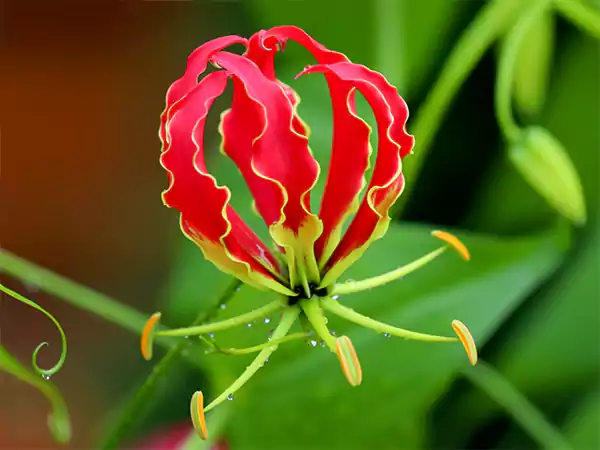
It would not be wrong to say that this creeping plant is like a flame. The red petals with the yellow edges perfectly resemble fire and make it stand out from other blooms.
According to ASPCA, the flame lily is considered toxic to pets.
Did you know
Flame lily symbolism is associated with strength and resilience. This flower is the national flower of Zimbabwe and a state symbol of Tamil Nadu, India.
| Botanical Name | Gloriosa superba |
| Plant Type | Herbaceous perennial |
| Height | 3-8 feet |
| Native Region | Africa and Asia |
| Growth Requirements |
|
12. Flax
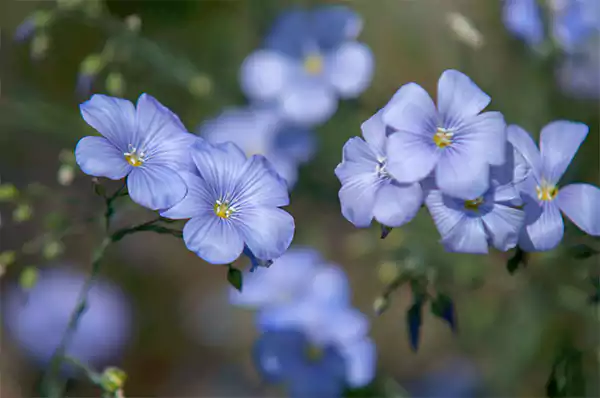
The highly nutritious flax seeds, famous for their health benefits, are derived from the flax plant that grows 5-petal flowers that bloom from June to October.
Apart from growing as a wildflower, it is also popular as a hanging plant indoors.
Research Insight
Although flax seeds are considered really nutritious, a research by NCBI stated that it would only benefit if accompanied with lifestyle changes. Hence, consume mindfully!
| Botanical Name | Linum usitatissimum |
| Plant Type | Herbaceous annual |
| Height | 1-4 feet |
| Native Region | Eastern Mediterranean |
| Growth Requirements | Prefers full sun and sandy, loamy, moist, and acidic soil. |
13. Forget-me-not
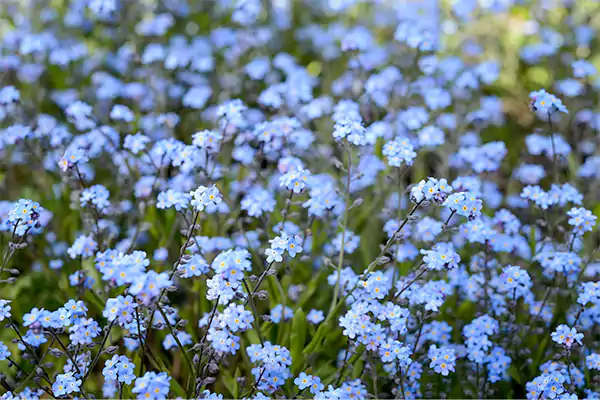
Associated with the idea of love, endurance, and affection, the forget-me-not flowers are used as a symbol of love and remembrance between lovers or family members
These hardy annuals have small blue flowers that are best paired with the March birth flower, daffodils.
| Botanical Name | Myosotis |
| Plant Type | Herbaceous perennial |
| Height | 1-2 feet |
| Native Region | Europe, Asia, Africa, and Australia |
| Growth Requirements | Partial shade, sandy or clay soil, and regular watering, but look out for waterlogging. |
14. Fairy Duster
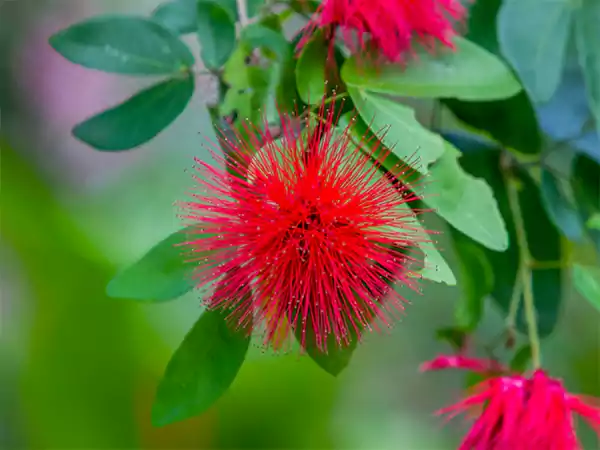
Interestingly, fairy duster is a desert plant that features ball-like flowers with stamens popping out in the colors red and pink.
These fluffy blooms are pollinator-friendly plants and can survive extremely dry conditions as well.
| Botanical Name | Calliandra eriophylla |
| Plant Type | Shrub |
| Height | 3-4 feet |
| Native Region | South America |
| Growth Requirements |
|
15. Flossflower
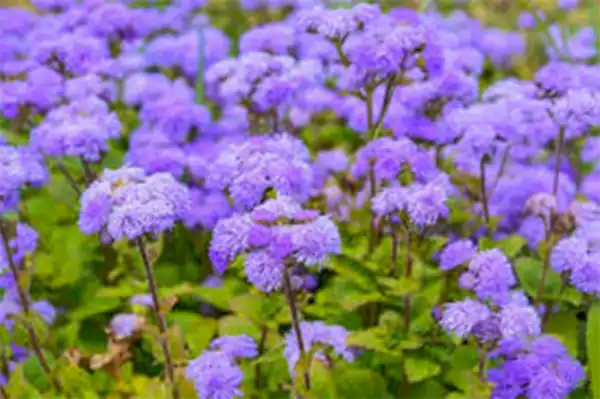
Just like the aster flowers, the flossflower also belongs to the Asteraceae family. These pom-pom-like flowers with fringe-shaped petals bloom in the beautiful blue, pink, and red colors. I saw them at a friend’s house and have been growing them ever since!
| Botanical Name | Ageratum houstonianum |
| Plant Type | Herbaceous annual |
| Height | Up to 3 feet |
| Native Region | Central America |
| Growth Requirements |
|
16. Flame Peony
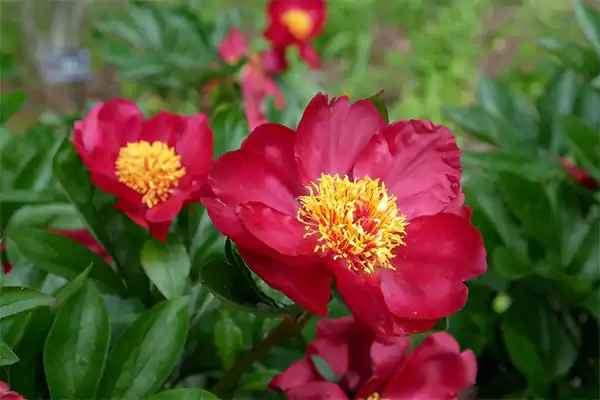
The flame peony is one of the flowers that looks like flame with its large cup-shaped petals in dark red and pink colors with a yellow center.
These perennial plants that grow are deer- and rabbit-resistant; hence, planting them would not be a hassle.
| Botanical Name | Paeonia ‘Flame’ |
| Plant Type | Herbaceous perennial |
| Height | Up to 3 feet |
| Native Region | Asia, Europe, and Western North America |
| Growth Requirements | Full sun (6+ hours), humus-rich and moist soil. |
17. False Monkeyflower
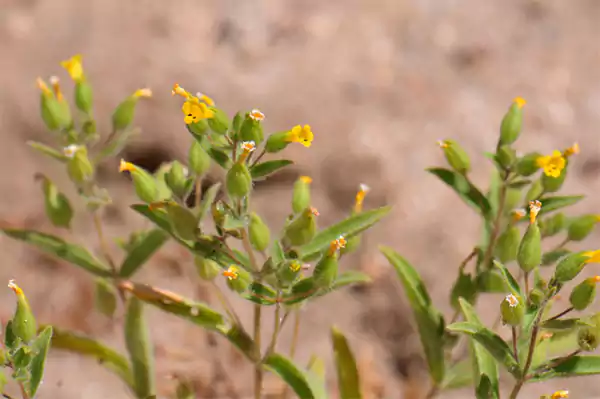
False monkey flower is removed from the genus of the true monkey flower and is now classified under the Mimetanthe genus. The small tubular flowers with purple spots and white hairs all over, this annual herb blooms in early spring.
| Botanical Name | Mimetanthe pilosa |
| Plant Type | Evergreen shrub |
| Height | 2-3 feet |
| Native Region | Western America |
| Growth Requirements | Full sun to partial shade, sandy soil, and regular watering. |
18. False Spirea
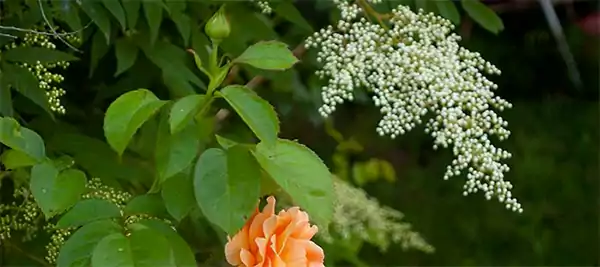
False spirea has features clusters of white flowers and resembles the shade plant, the astilbe.
Additionally, false spirea are named so due to the strong similarity with the true spirea flowers; both belong to different genera but the same rose family.
| Botanical Name | Sorbaria sorbifolia |
| Plant Type | Deciduous shrub |
| Height | Up to 10 feet |
| Native Region | Northern and Eastern Asia |
| Growth Requirements | Full sun to partial shade, any soil type, and consistent moisture. |
19. Fan Flower
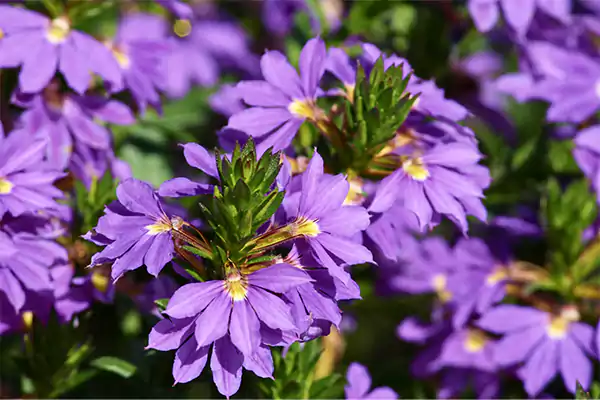
Fan flower is a flowering genus known as the Scaevola, which features over 130 species of plants under it. They are named so due to their half-flower shape, which means they have petals only on one side of the bloom, resembling a fan.
| Botanical Name | Scaevola aemula |
| Plant Type | Perennial creeper |
| Height | Less than 1 foot |
| Native Region | Australia |
| Growth Requirements | Full sun, well-drained sandy soil, and drought-tolerant once mature. |
20. Felicia
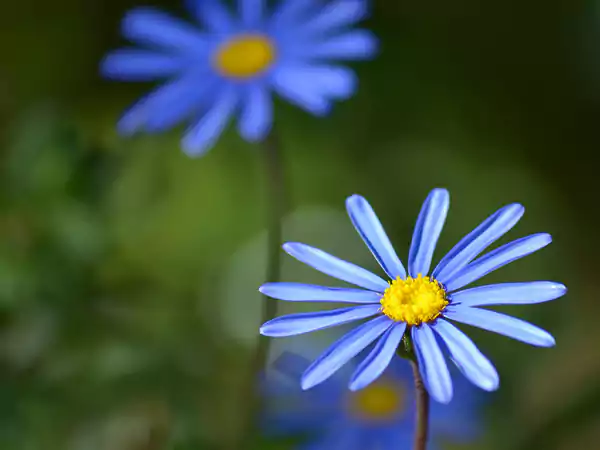
Popularly known as the blue daisy, this leafless flower (for wide varieties) comes from the daisy family, which is a summer flower. The thin blue petals and the yellow center give a simple and elegant look to the outdoor space.
They are relatively easy to grow and care for as well.
| Botanical Name | Felicia amelloides |
| Plant Type | Sub-shrub |
| Height | 2 feet |
| Native Region | South Africa |
| Growth Requirements | Full sun to partial shade, sandy loamy soil, and moderate watering. |
An Extended List of 10 Small Flowers That Start With the Letter F
The list of flowers that start with letter f does not end here. Explore 10 small-sized blooms that are too pretty to ignore!
| Image | Description |
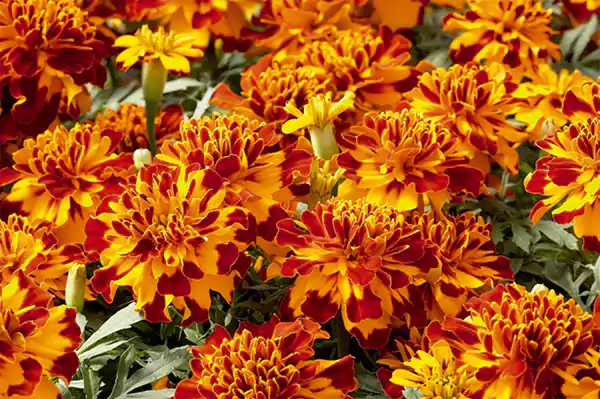 | 21. French-Marigold-Bolero-Mix
|
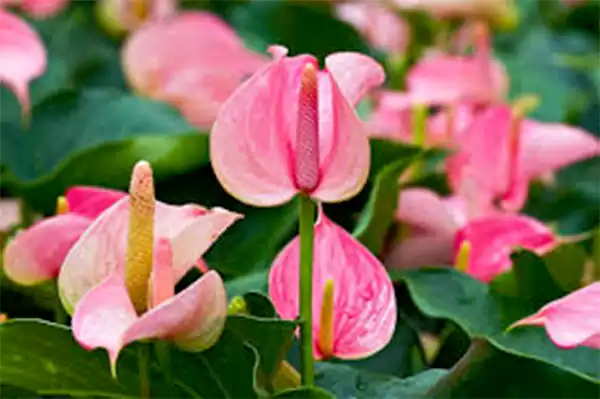 | 22. Flamingo flower
|
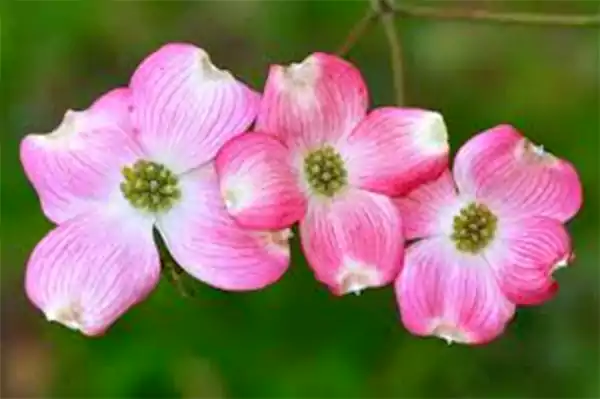 | 23. Flowering Dogwood
|
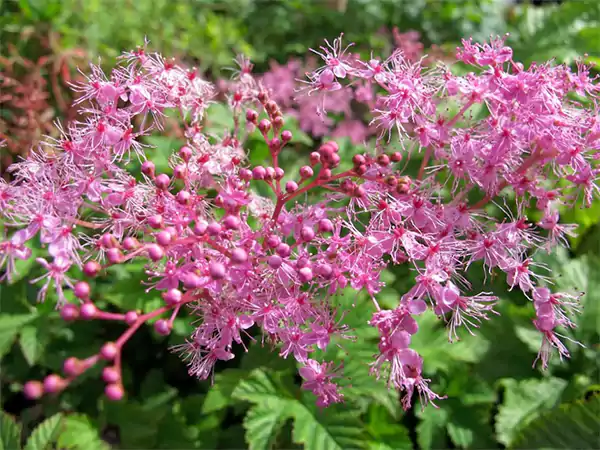 | 24. Filipendula Kahome
|
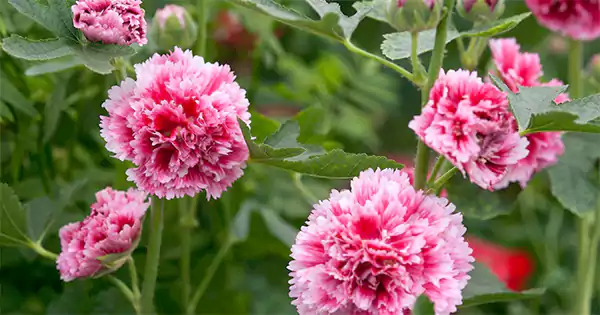 | 25. Fiesta Time Hollyhock
|
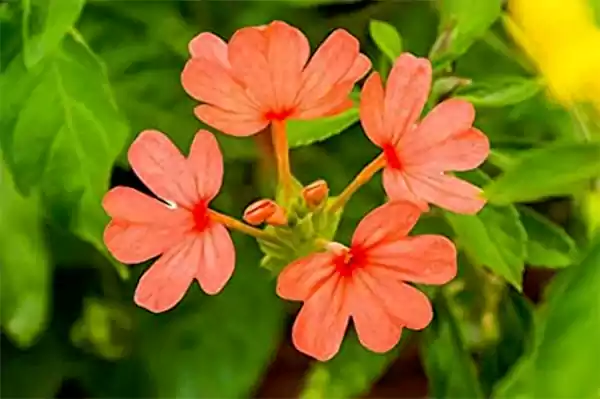 | 26. Firecracker Flower
|
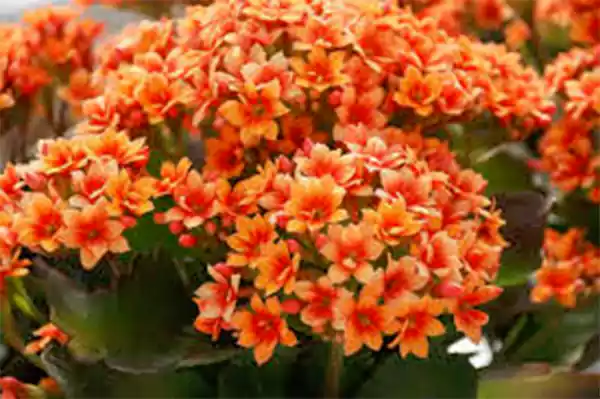 | 27. Flaming Katy
|
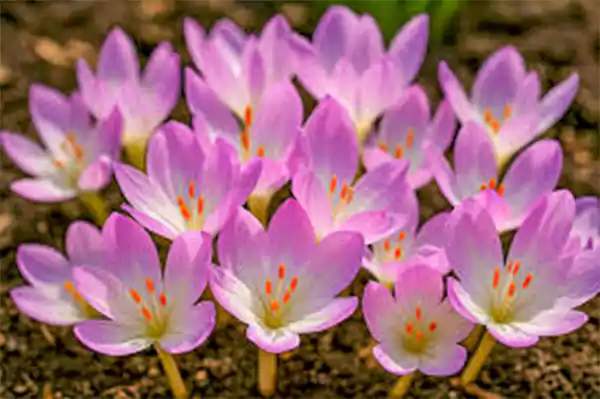 | 28. Fall Crocus
|
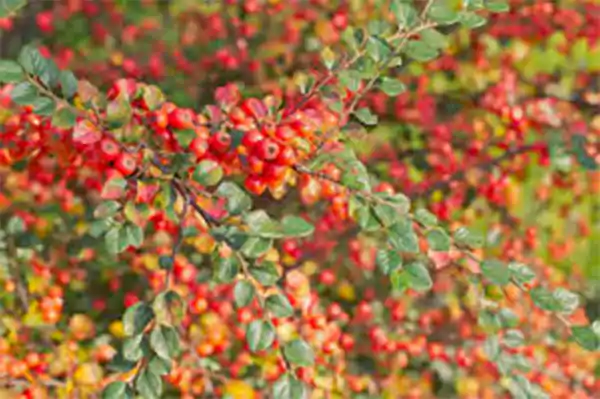 | 29. Firethorn
|
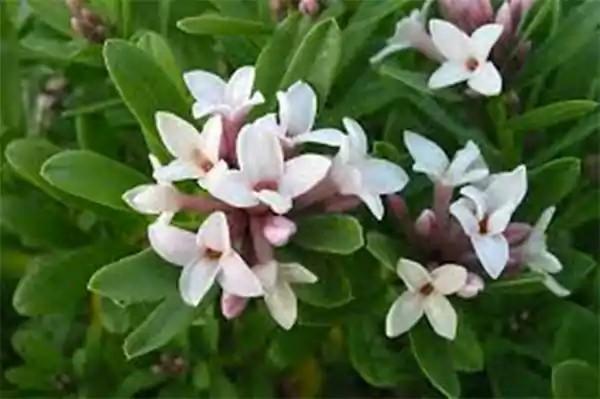 | 30. Fragrant Daphne
|
10 Rare Flowers that Start With Letter F
Here is an extended list of rare flowers that start with f. Explore the delicate, unique blooms that are found very rarely around us.
31. Fairy Slipper Orchid
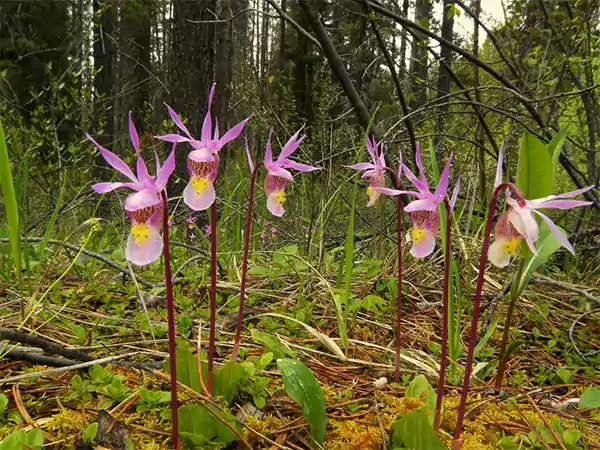
Unique among the other flowers, this type of orchid only bears one flower and leaf, which are dropping downwards, and has a vanilla-like fragrance, which is hard to ignore.
| Botanical Name | Calypso bulbosa |
| Plant Type | Herbaceous perennial |
| Height | Less than 1 foot |
| Native Region | North America, Asia, and Europe |
| Growth Requirements | Prefers complete shade, well-draining acidic soil, and low fertilizer needs. |
32. Fritillary
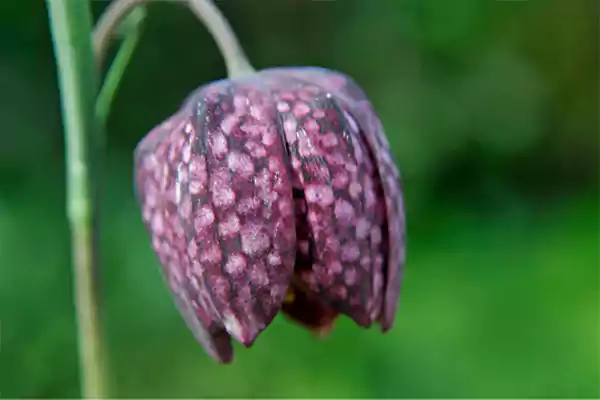
Fritillary features bell-shaped, solitary pink, red, yellow, and orange flowers. This flowering genus has over 100 species of plants under it and is a part of the Liliaceae family, like the shade perennial, toad lily.
This flower that starts with the letter f is a flowering bulb plant and is grown using the same method every year.
| Botanical Name | Fritillaria |
| Plant Type | Herbaceous perennial |
| Height | Up to 4 feet |
| Native Region | North Africa and Europe |
| Growth Requirements | Full sun, well-drained sandy soil, and regular watering in spring |
33. Flannel Flower
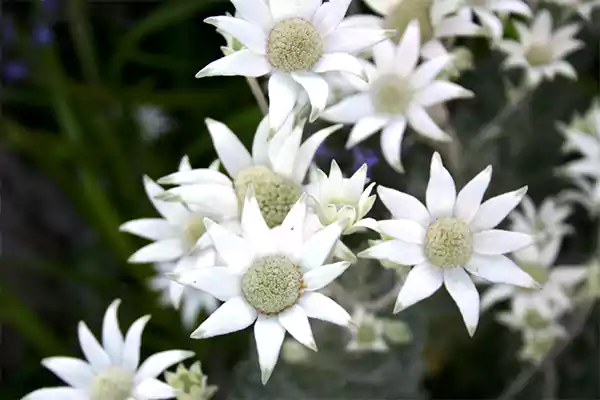
The flannel flower is a perennial flower that gets its name due to its thick flannel-like texture. These white flowers are shaped in the form of stars and are identified by the Mental Health Australia organization as a symbol of resilience and hope.
*Flannel is a warm fabric made from cotton and wool.
| Botanical Name | Actinotus helianthi |
| Plant Type | Perennial shrub |
| Height | Up to 2 feet |
| Native Region | Australia |
| Growth Requirements | Full sun, well-draining sandy soil, and drought-tolerant once established. |
34. Fairy Lantern (White)
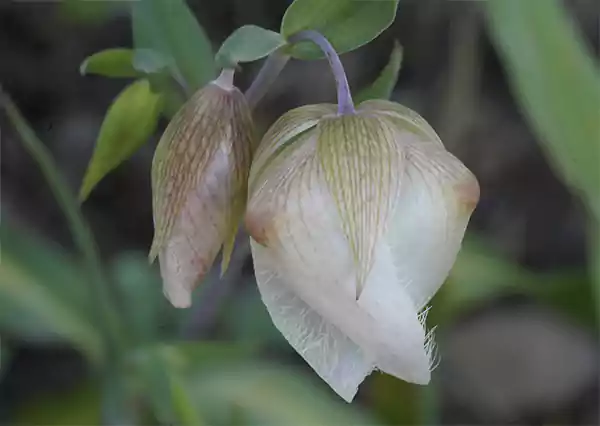
Part of the Thismiaceae family, the white fairy lantern grows globe-like translucent flowers, drooping downwards, resembling a lantern. These perennial flowers love full sun but can also tolerate partial shade, and are grown using bulbs.
| Botanical Name | Calochortus albus |
| Plant Type | Perennial herb |
| Height | Up to 1 feet |
| Native Region | California |
| Growth Requirements | Full sun, well-draining sandy or loamy soil, and generally pest-free. |
35. Ficus Racemosa
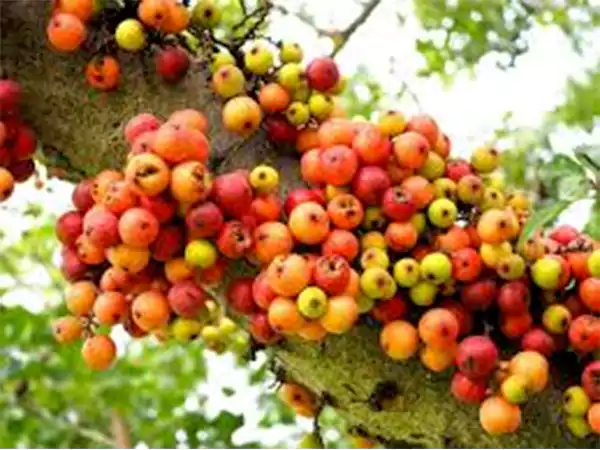
Ficus racemosa is a tropical tree that is known to grow small red pear-shaped fruits called figs, which are often attached to the bark. There are three types of flowers that the tree produces inside the fruit: male, female, and gall flowers.
| Botanical Name | Ficus racemosa |
| Plant Type | Deciduous tree |
| Height | 20-30 feet |
| Native Region | Asia |
| Growth Requirements | Full sun to partial shade, well-draining loamy soil, and use 10-10-10 balanced fertilizer. |
36. False Bird of Paradise
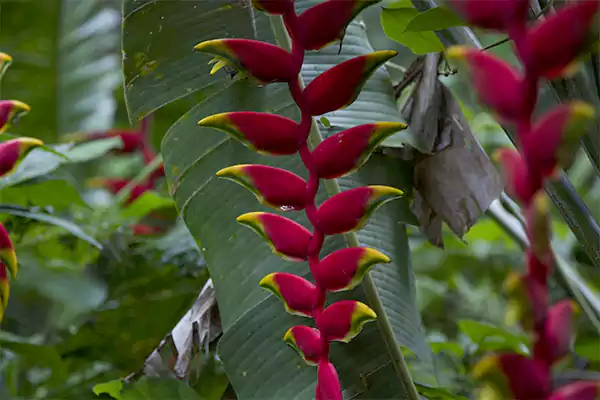
Also known as the lobster’s claws, this herbaceous perennial is one of the most unique plants I have seen. The drooping, claw-like bracts in the color pink with yellow ends are a sight to behold.
Interestingly, other than elevating the outdoor living space, they are also used as cut flowers.
| Botanical Name | Heliconia rostrata |
| Plant Type | Herbaceous perennial |
| Height | Up to 5 feet |
| Native Region | Central and South America |
| Growth Requirements | Full sun to partial shade, well-draining soil, and tropical temperatures, but not drought-tolerant. |
37. Fragrant Olive
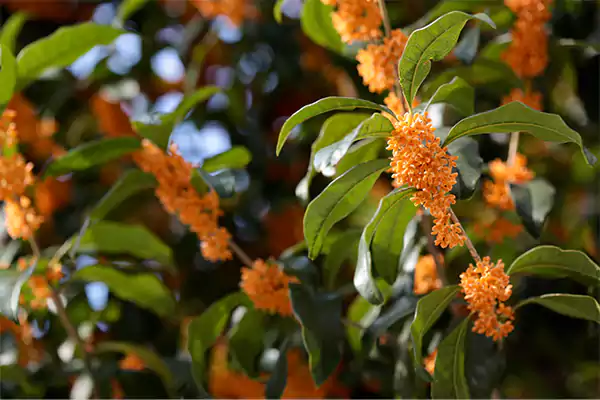
Similar to the different types of jasmine flowers, the fragrant olive also belongs to the Oleaceae family. This small tree is known for its fragrant orange flowers that grow in clusters and reach up to 16 feet high.
| Botanical Name | Osmanthus fragrans |
| Plant Type | Evergreen shrub |
| Height | 10-15 feet |
| Native Region | Southeast Asia |
| Growth Requirements |
|
38. Fringetree
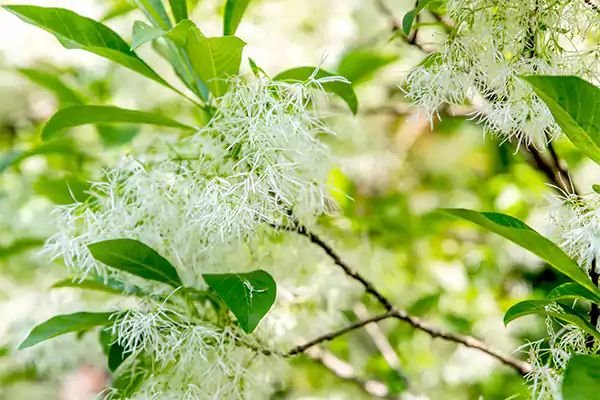
As the name suggests, the deciduous shrub/tree features white fringe-like flowers, which are also known as the “old man’s beard. ” Apart from the unique flowers, the fringetree also features opposite leaves and small fruit that look like black olives.
| Botanical Name | Chionanthus virginicus |
| Plant Type | Deciduous shrub |
| Height | Up to 20 feet |
| Native Region | America |
| Growth Requirements | Full sun to partial shade, moderate watering needs, and sandy or loamy acidic well-draining soil. |
39. Farfugium
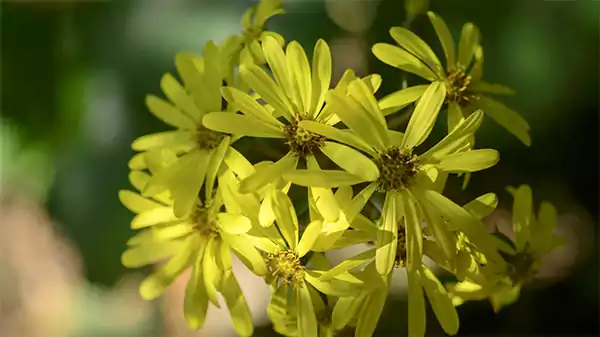
Part of the daisy family, the Farfugium is a perennial plant that is mostly grown for its large and glossy green leaves rather than the daisy-like flowers.
Also called the leopard plant, it is cold-hardy but can die in freezing temperatures.
| Botanical Name | Farfugium japonicum |
| Plant Type | Herbaceous perennial |
| Height | 2-3 feet |
| Native Region | Japan, China, and Korea |
| Growth Requirements | Partial shade to full shade, humus-rich soil, and constant moisture. |
40. Franklinia
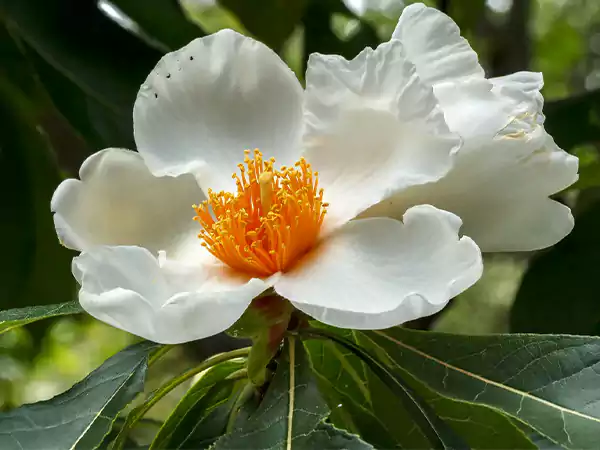
Franklinia has white cup-shaped flowers with yellow centers that grow on a deciduous tree that reaches up to 20 feet tall. These white flowers look similar to the red camellias.
| Botanical Name | Franklinia alatamaha |
| Plant Type | Deciduous shrub/small tree |
| Height | 10-30 feet |
| Native Region | Georgia |
| Growth Requirements | Full sun to partial shade, constant moisture, and stratify the seeds before planting. |
Concluding Remarks
From the common flowers that start with f to the rare and exotic blooms, this list has everything an anthophile dreams of. Upright shrubs and trailing flowers, from the vibrance of red to the calm of white, these flowers have something in store for every one of us.
If you like yourself a colorful and unique garden, plant one or many of these versatile and elegant blooms.
FAQs
What are some perennial flowers that start with f?
Freesia, flame lily, and Fairy lantern are some perennial flowers that start with f.
Are there any rare flowers that start with the letter f?
Yes, Fairy Slipper orchid and Fritillary are rare flowers that start with the letter f.
Is foxglove a rare flower that starts with letter f?
No, foxglove is not a rare flower but a very popular perennial ornamental flower grown widely across the world.
What are some pet-friendly flowers that start with f?
Fuchsia and freesia are recognized as plants that are non-toxic to pets.
What are the deer-resistant flowers that start with f?
Felicia, flame lily, and flannel flowers are considered to be deer-resistant flowers.
Plants beginning with ‘F’– Burncoose Nursery, UK