Finding flowers that start with X is not as easy as it sounds. Very few blooms begin with this uncommon letter; however, the ones that do are true floral gems. From drought-tolerant beauties to stunning orchid varieties, these species prove that with proper care and attention, they can make any landscape breathtaking and scenic .
The flowers that start with X may be rare, but the flowers that start with W are just as overlooked and worth discovering.
In this guide, I will introduce you to some of the rarest yet most notable flowers that start with X, also stating what makes each one of the special.
Quick Answer
Flowers that start with X include Xeranthemum, Xerochrysum (Strawflower), Xerophytic Cactus Flower, Xyris (Yellow-Eyed Grass Flower), Xylobium Orchid, and Xerothamnella Species. Although they are quite rare, they do not fail to make any garden space more appealing.
10 Unique Looking Flowers That Start With X
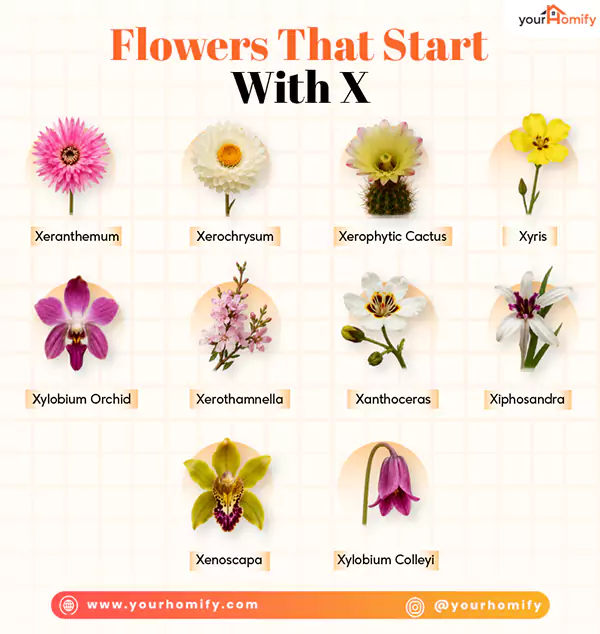
I believed that flowers that start with X are among the rarest in the gardening world, but to my surprise, I found a mix of colorful wildflowers, striking orchids, desert blooms, and many lesser-known blooms from different parts of the world.
Whether you are planning to build an organized garden with an A-Z collection of flowers or simply wish to explore these unique species, here is a list for your reference.
- Xeranthemum
- Xerochrysum
- Xerophytic Cactus Flower
- Xyris
- Xylobium Orchid
- Xerothamnella Species
- Xanthoceras Sorbifolium
- Xiphosandra
- Xenoscapa
- Xylobium Colleyi
Let us explore these blooms in detail in the following section.
1. Xeranthemum
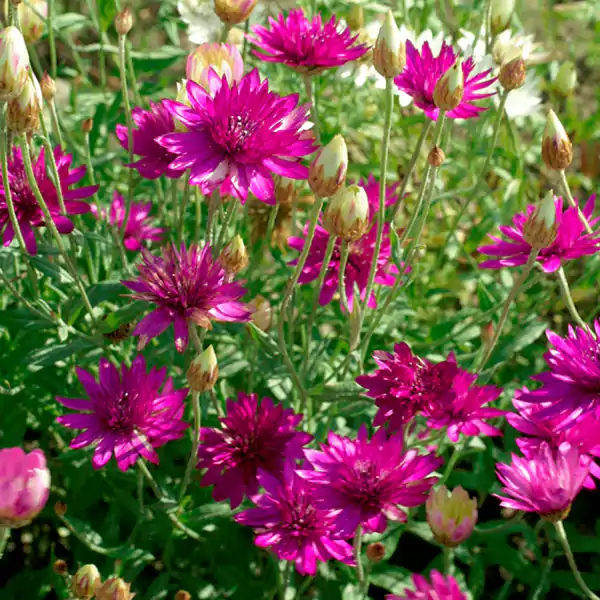
- Botanical Name: Xeranthemum annum
- Flower Type: Annual Flower
- Bloom Season: Summer to Early Fall
- Growing Zones: 2-11 USDA
- Origin: Southern Europe and Western Asia
- Color: Purple, Pink, White
- Height: 12-24 inches tall
- Soil Type: Well-draining, sandy
- Maintenance Level: Low
Xeranthemum, commonly known as annual everlasting or immortelle, is best appreciated for its paper-like blooms that retain their color even after being cut or dried. They can be a great choice for flower arrangements or to enhance the beauty of your front lawn. I like how the bloom has a delicate appearance yet thrives in dry conditions with minimal care.
2. Xerochrysum
- Botanical Name: Xerochrysum bracteatum
- Flower Type: Annual or Short-Lived Perennial
- Bloom Season: Spring through fall
- Growing Zones: 8-11 USDA
- Origin: Australia
- Color: Yellow, Orange, Red, Pink, White
- Height: 12-36 inches tall
- Soil Type: Permeable
- Maintenance Level: Low
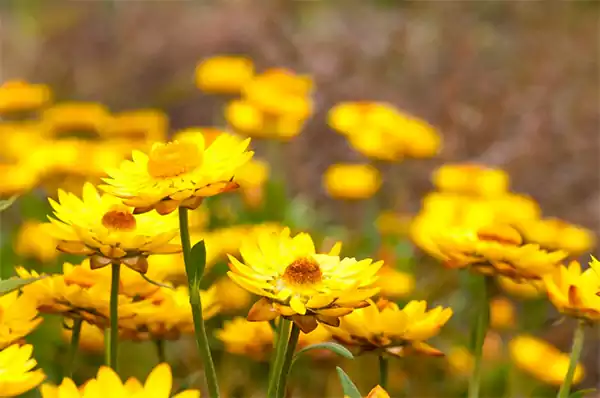
Xerochrysum is famous for its crisp, papery petals and lance-shaped leaves. It is commonly called the “strawflower” and can be grown as a border cover or a container plant. As per the Australian Native Plant Society, it is one of the best fast-growing flowers that start with X and does not demand much attention. This yellow flower can attract beneficial pollinators and support the local ecosystem.
3. Xerophytic Cactus Flower
- Botanical Name: Varies by Species
- Flower Type: Succulent
- Bloom Season: Spring to Summer
- Growing Zones: 9-11 USDA
- Origin: Arid Regions of America
- Color: Yellow, Pink, Red, White, Orange
- Height: Varies by Species
- Soil Type: Sandy, Fast-draining Cactus Mix
- Maintenance Level: Low to Moderate
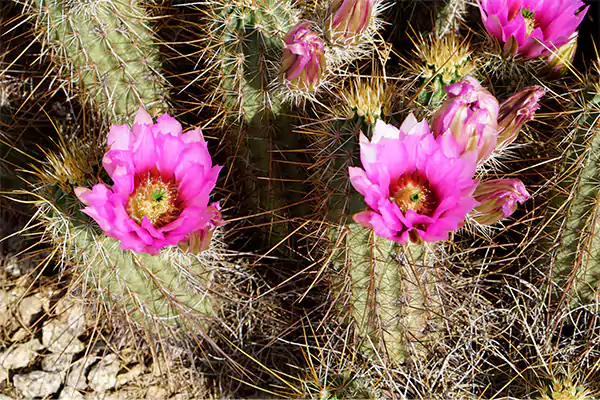
The Xerophytic cactus flower is a striking flower that produces large, colorful flowers and thrives in dry, arid conditions. Some blooms last only a day, making them mesmerizing. This desert plant does not need much moisture or nutrition, so it can be an effortless and low-maintenance addition to any garden space. Choose the planting location wisely, as its roots are deep and invasive and cannot be easily repotted.
4. Xyris
- Botanical Name: Xyris spp.
- Flower Type: Perennial Wildflower
- Bloom Season: Summer to Early Fall
- Growing Zones: 5-10 USDA
- Origin: North and South America, Africa, Asia
- Color: Yellow
- Height: 12-36 inches tall
- Soil Type: Moist
- Maintenance Level: Low to Moderate
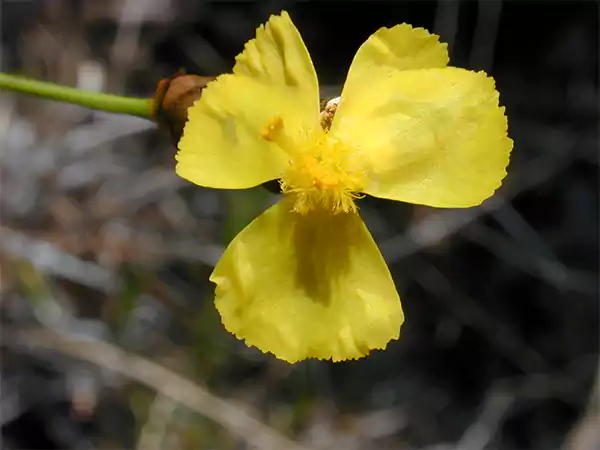
Though the common name of Xyris is Yellow-Eyed Grass, it is not a true grass. Its bright yellow flowers add a dramatic touch to the landscape, and the fact that this delicate-looking blossom requires minimal care makes it all the more special. I like how it can survive in highly acidic and nutrient-poor wetlands, where many other flowers struggle to grow.
5. Xylobium Orchid
- Botanical Name: Xylobium spp.
- Flower Type: Orchid
- Bloom Season: Spring to Summer
- Growing Zones: 10-12 USDA
- Origin: Central and South America
- Color: Yellow, Brown, Green, Cream
- Height: 12-36 inches tall
- Soil Type: Bark mix with excellent drainage
- Maintenance Level: Moderate
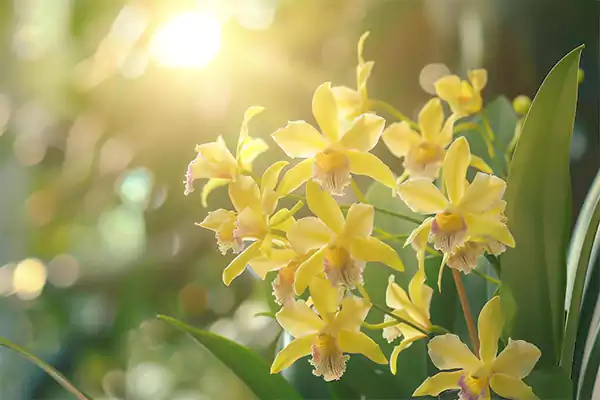
Xylobium Orchids are admired more for their unusual shape and dramatic hues. As per the American Orchid Society, Xylobiums should be grown in partial shade. Their small, clustered flowers may not be showy from a distance, but they play an important role in supporting the native pollinators and enhancing the local ecosystem.
6. Xerothamnella Species
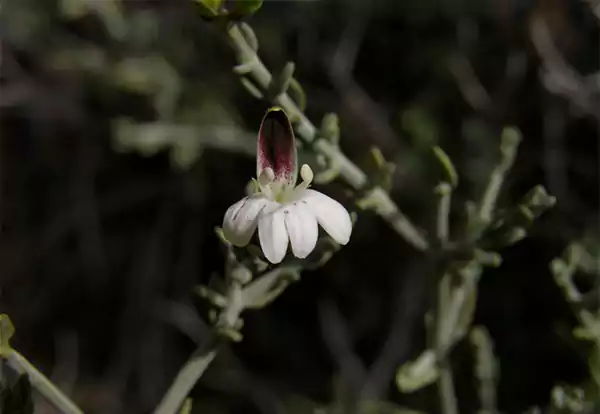
- Botanical Name: Xerothamnella spp.
- Flower Type: Shrub Flower
- Bloom Season: Spring to Summer
- Growing Zones: 9-11 USDA
- Origin: Australia
- Color: White to Cream
- Height: 36-72 inches tall
- Soil Type: Sandy, well-draining
- Maintenance Level: Low
Xerothamnella species can be grown best in some of Australia’s driest areas. It is listed as an endangered bloom under the EPBC Act and usually needs heavy rainfall for optimal development. The genus belongs to the Acanthaceae family and is particularly native to Queensland. Its leaves are small and thick, appearing dark green from above and pale yellow beneath.
7. Xanthoceras sorbifolium
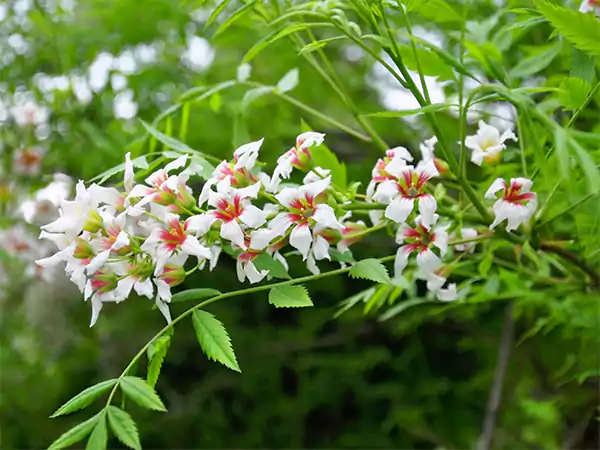
- Botanical Name: Xanthoceras sorbifolium spp
- Flower Type: Flowering shrub
- Bloom Season: Spring
- Growing Zones: 4-8 USDA
- Origin: China
- Color: White flowers with yellow and red centers
- Height: 10-25 feet
- Soil Type: Well-drained, loamy
- Maintenance Level: Low
Xanthoceras sorbifolium, better known as Yellowhorn, produces star-shaped flowers that gradually change color as they mature. The center of the bloom often shifts from yellow to reddish shades, creating a striking two-tone effect. It is a popular spring flower that belongs to the maple family, and its leaves and petals were traditionally boiled to make herbal teas in Southern China.
8. Xiphosandra
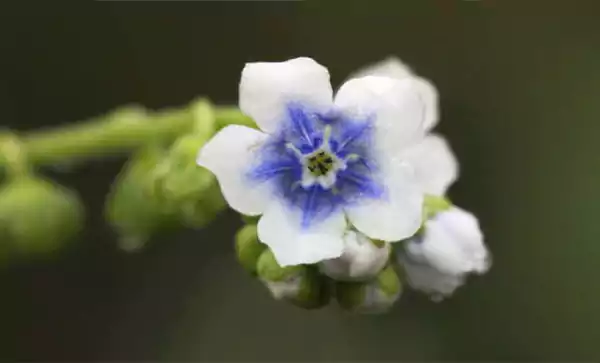
- Botanical Name: Xiphosandra spp.
- Flower Type: Tropical Flowering Plant
- Bloom Season: Spring to Summer
- Growing Zones: 10-12 USDA
- Origin: Tropical America
- Color: White to Pale Green
- Height: 3-8 feet
- Soil Type: Moist, Permeable
- Maintenance Level: Moderate to High
Xiphosandra is a rare flower that is usually not planted in a home garden. It generally features small white flowers with a purple-blue center and is known as one of the best blooms for attracting beneficial pollinators. This flower, which starts with X, is also known to symbolize serenity and mystery. While they are alluring and have mildly fragrant flowers, they are not cultivated as ornamental houseplants due to their unique care requirements.
9. Xenoscapa
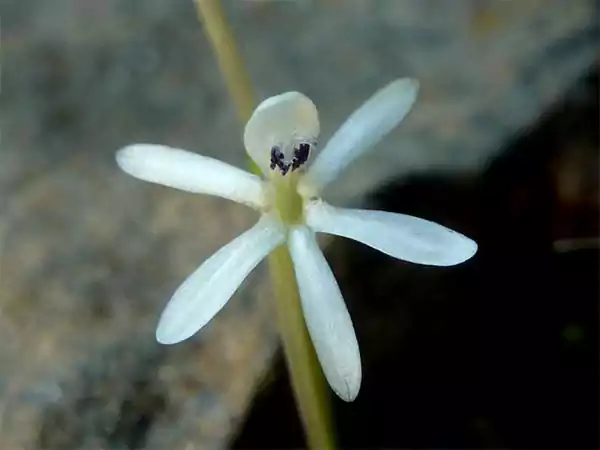
- Botanical Name: Xenoscapa uliginosa
- Flower Type: Bulbous Flowering Plant
- Bloom Season: Spring
- Growing Zones: 8-10 USD
- Origin: South Africa
- Color: Blue to Violet
- Height: 6-12 inches
- Soil Type: well-drained sandy soil
- Maintenance Level: Low to Moderate
According to the Pacific Bulb Society, Xenoscapa belongs to the Iridaceae family and is closely related to Freesia and Crocosmia. Native to South Africa, it is a herbaceous, perennial plant that produces delicate blue-violet blooms. I think this species grows best in rock gardens, where its blossoms can stand out among stones and gravel.
10. Xylobium Colleyi
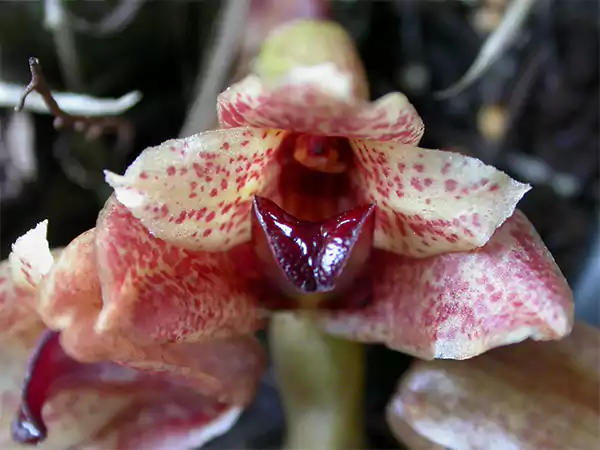
- Botanical Name: Xylobium colleyi
- Flower Type: Orchid
- Bloom Season: Spring to Summer
- Growing Zones: 10-12 USDA
- Origin: South America
- Color: Yellow, Brown, Cream
- Height: 1-3 feet
- Soil Type: Orchid bark mix, permeable soil
- Maintenance Level: Moderate
Xylobium colleyi is an Orchid species known for its wax-like flowers and attracting patterns on the petals. It is mainly planted for its striking colors and unique appearance. Native to the lowlands of Central and South America, colleyi thrives in warm, humid conditions and is often grown by orchid experts.
Conclusion
For me, exploring flowers that start with X was like discovering hidden gems in the world of flora. While all the aforementioned species may not be as common as roses, daisies, or lilies, they have their own distinct characteristics for which they are widely appreciated.
I hope this collection has introduced you to some of the lesser-known yet breathtaking blooms. From orchids to desert plants, these flowers need just a little care to thrive!
Once you’ve discovered these X-letter blooms, round off your alphabetical garden tour with the flowers that start with Y.
FAQs
What is a flower that starts with X?
Xeranthemum, Xerochrysum, Xerophytic Cactus Flower, Xyris, and Xylobium Orchid are some of the best flowers that start with X.
Is there a fruit or vegetable that starts with the letter X?
Xigua and Ximenia are two of the most popular yet rare fruits that start with the letter X and are commonly grown in parts of Africa.
What are the prettiest girl names that start with x?
Xyla, Xenia, and Xesi are some of the prettiest girl names that start with X.
- Xylobium – American Orchid Society
- Xanthoceras sorbifolium – NC State Extension Paper