


Designing a new home is more than just aesthetics. Every colour, pattern, and detail contributes to the overall vibe of the space. While the process of decorating a space feels like a creative adventure, it also feels really rewarding.
As a home decor enthusiast, exploring different interior design styles helped me discover my taste, which varies as per space and mood. I truly believe that there are no rules in home decor; one must experiment and find out what works perfectly for them.
If you are also interested in exploring new design ideas, come along as I share 30 different interior design styles for large and small spaces, along with steps to find out your unique taste.
Quick answer
The different interior design styles are Scandinavian, modern, minimalist, Art Deco, Traditional, bohemian, California Chic, Eclectic, Coastal, Country, Mid Century, Maximalist, French Country, Hollywood Regency, Moroccan, Industrial, Alpine Chic, Shabby Chic, Rustic, Mediterranean, and many more.
How to Identify Your Interior Design Style?
While designing the indoor space is a rewarding process, it may feel like a lot of work, especially if you are just a beginner. Many times, figuring out your design style is the most tedious and confusing task.
Therefore, I have curated some simple and effective steps that will help you choose from a long list of interior design styles:
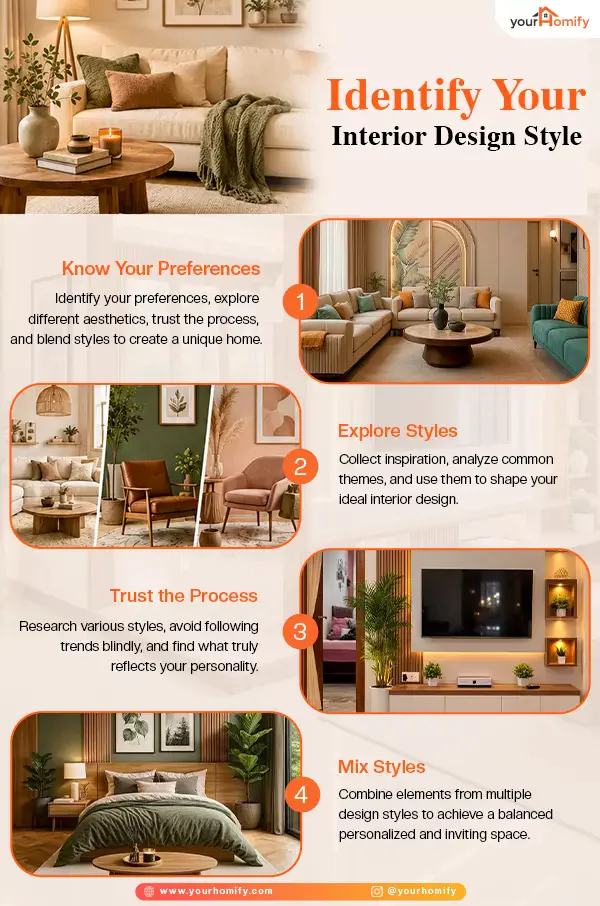
- Identify your style by keeping aside the technical aspects. Document your interests and what kind of colours, patterns, and furniture intrigues you. I highly recommend designing a mood board for better analysis.
- Explore different interior design styles rather than just copying trends. Trends become monotonous and hence can steal the charm away from this process. Look for different styles and work your way around them.
- It takes time to find the perfect style and for it to come together; hence, do not jump to conclusions and trust the process.
- Do not stick to one style, as blending multiple styles often helps achieve the dream decor.
30 Different Interior Design Styles
Now that you know how to identify your style, take a look at these 30 different interior design styles with their unique features for a dream home decor.
1. Scandinavian
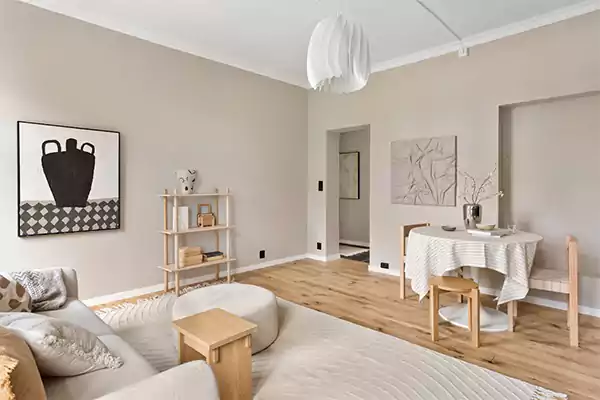
Scandinavian style is one of the most popular interior design styles, which is a treat for homeowners who like to keep it simple. This timeless beauty is a perfect blend of aesthetic and functionality, blending simple neutral colours with textured natural elements.
The most important elements of the Scandinavian home decor style are rugs and pyntekvister, which add a slightly rustic look to the otherwise simple house.
2. Modern
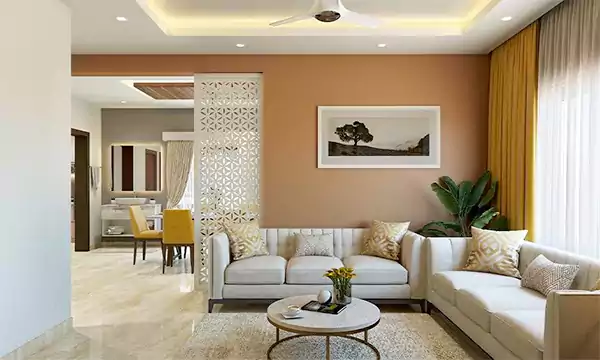
The modern style of interior design originated in the mid-20th century after the Art Deco movement. It utilises clean lines, neutral colours, and natural light to create a simple yet classy indoor space.
Visually, it can look very similar to the Scandinavian style; however, the latter has a cozier vibe with warm undertones, and the modern design gives a cleaner look with a higher upfront cost.
3. Traditional
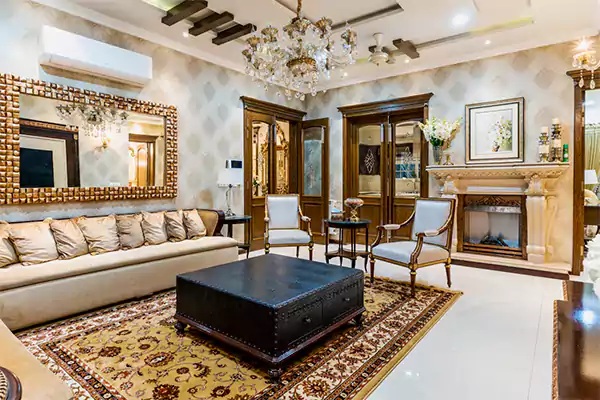
Originating in the 18-19th century, the traditional style of interior design moves away from the trendy, modern designs and brings back the charm of history and culture.
While it varies for every place, the whole essence of this style relies on patterns, bold colours, and wallpaper motifs.
4. Minimalist
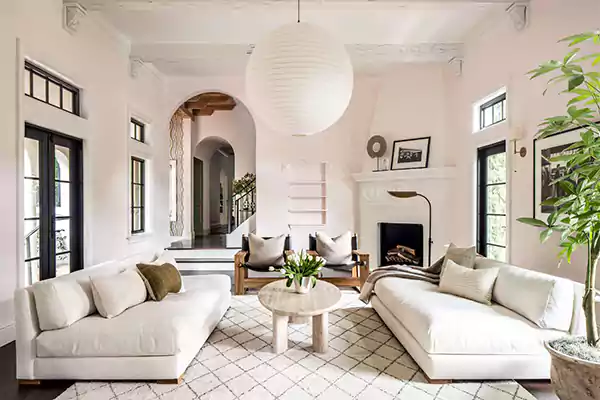
Minimalism is a movement that inspired interior designs with minimal colours and furniture. For people wanting a classy look without putting much effort into designing, the minimal style is the perfect option.
With the use of monochromatic colours and stripping off the excess of any furniture, it created a decluttered space, a sense of freedom and calm, which is often missing in bold colours and rich patterns.
5. Art Deco
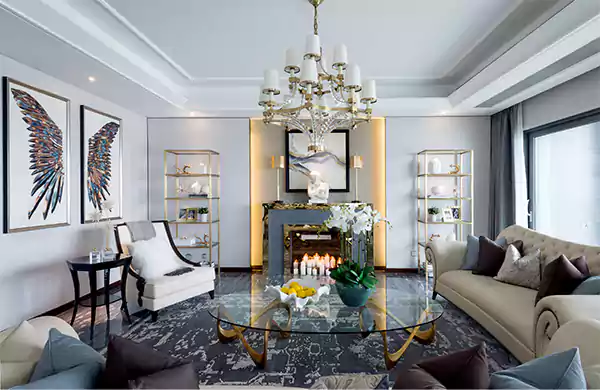
The Art Deco movement originated in France in 1910 and is a perfect blend of comfort and artistic expression. Some of the renowned artists of this movement include Emile-Jacques Ruhlmann, René Lalique, and Jean Dunand.
This use of large-sized furniture, a zigzag pattern, and a chevron pattern with a parquet pattern wood flooring makes the vibe of the space more dramatic and full of life.
6. Bohemian
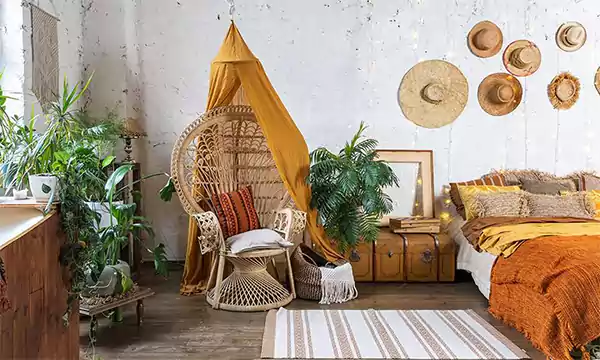
The Boho style of interior design originated in the 1970s and was referred to as “ethno,” which perfectly encapsulates the essence of this style. Contrary to the minimalist style, the boho design features bold colours, dramatic patterns, paintings, and sculptures, which add visual depth.
Boho strictly relies on layering, blending different styles, and integrating natural elements like climbing plants and branches, which makes it look more grounded and homely.
7. California Chic
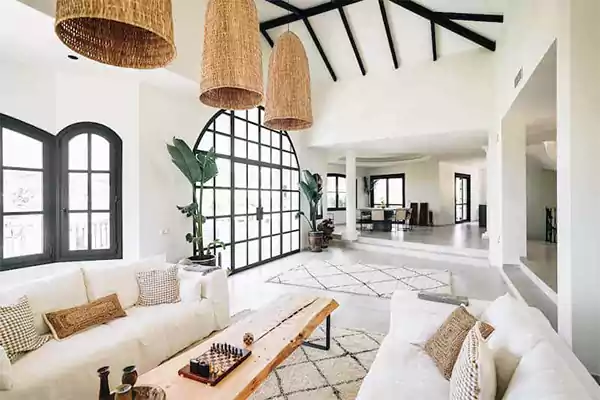
Also referred to as “California Casual”, the California chic interior design style is the perfect blend of coastal aesthetics with modern minimalism. Emerging from Southern California, this style is a blend of calmness and modernity, with neutral colours and wooden furniture spread over a large indoor-outdoor space, enhancing the vibe of the place.
8. Eclectic
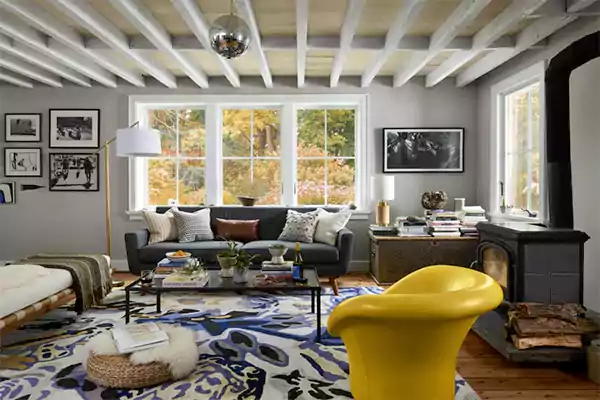
Out of all the different types of interior designs, eclectic is my personal favourite. This style of interior design is known to incorporate the funky elements that instantly catch the eye.
One of the most interesting parts of the eclectic style is that it gives the homeowner the liberty to blend different styles, instead of sticking to one.
I usually also add some indoor plants, which perfectly contrast with the modern additions to the space.
9. Coastal
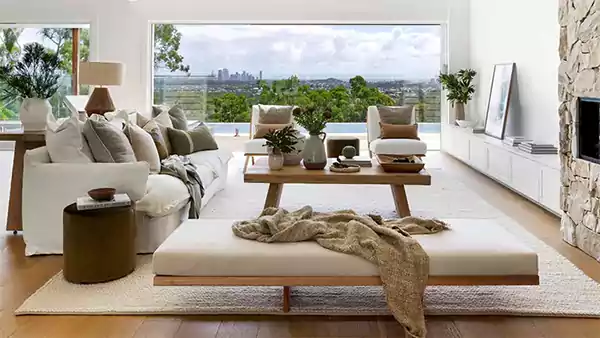
The coastal style of interior design, as the name suggests, incorporates coastal colours like blue, beige, and white. Similar to the vibe of the coast, this interior design style relies on natural light and is generally very spacious.
Using textured throws and rugs is one of the key characteristics of this style of design.
10. Country
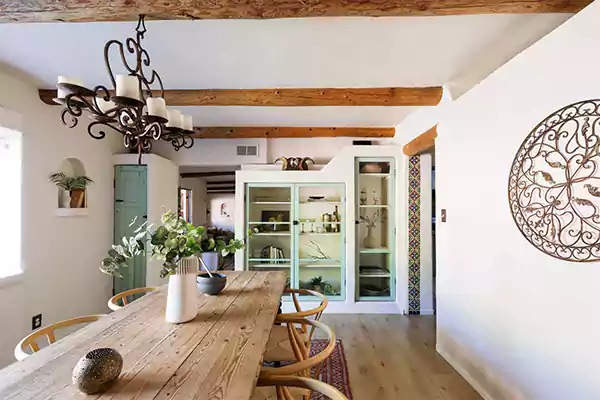
Mimicking the countryside of England in the 19th and 20th centuries, the country as a style of interior decor has gained a lot of popularity in recent times.
The vibe of a country interior is very homely with less clutter, wooden flooring, and interesting decor pieces like antique vases, rugs, and throws. With this kind of decor, one can get a classy and homely look at the same time.
11. Mid Century Modern
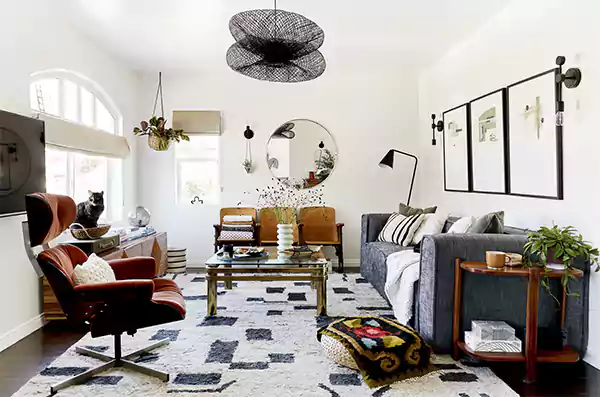
Emerging in the mid-20th century, the mid-century modern came in response to WW2. With its simple, clean lines and a wide floor plan, it blends structure with functionality.
The term was first used by Cara Greenberg and perfectly contrasts the mess and clutter of World War II with the elegant and calm style of the mid-century modern design. Some of the major elements of the design are clean, geometrical shapes and natural materials like teak, rosewood, and oak.
12. Maximalist
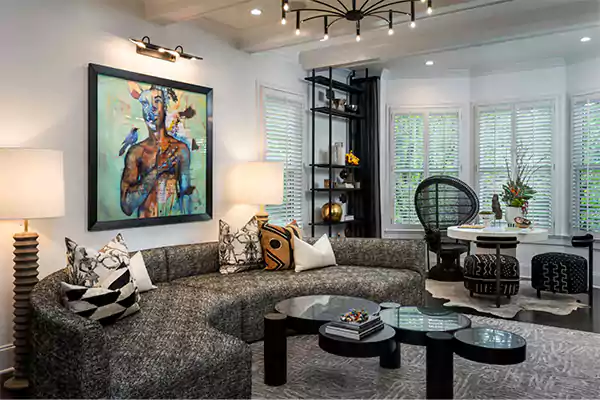
The maximalist style of design is the exact opposite of the minimalist themes. It is a style of loud colours and patterns. If you are a homeowner wanting to move away from sleek lines and neutral colours, the maximalist style is the perfect option for you.
True to its name, it gives the designers the liberty to overdo a certain part. Some of the main elements included contrasting colours, bold wallpapers, and a chandelier that catches the eye at first glance.
13. French Country
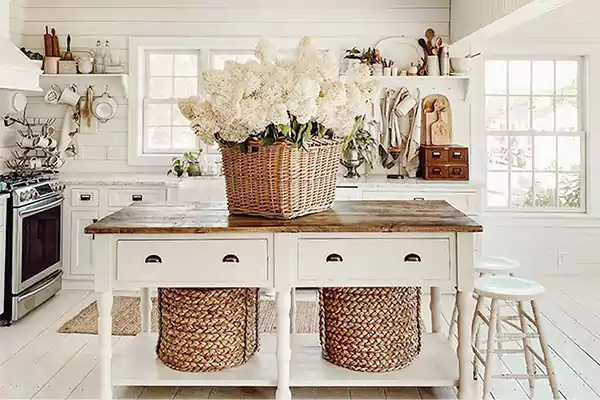
Heavily influenced by the French countryside, the French country aesthetic is all you need to add a homely vibe to your indoor space, but with a hint of rusticity.
One of the most important parts of a French country interior is chandeliers and floral arrangements, whether in terms of designs and motifs or real spring flowers in a vase to add a natural touch. The interior has a more feminine touch that is complemented by the precisely curved lines and a neutral colour pattern with warm undertones.
14. Hollywood Regency
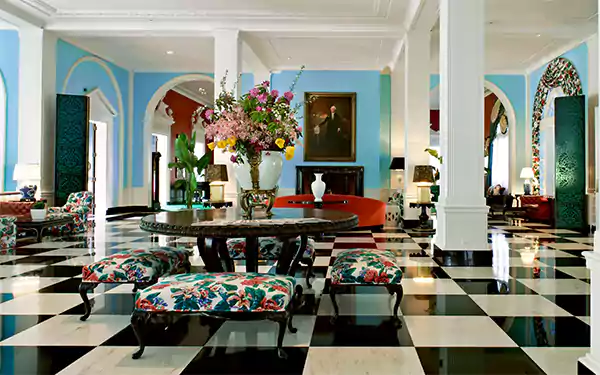
If you want the drama and style of a classic Hollywood movie interior, then this interior design style is all you need. The Hollywood Regency was popularised during the Golden Age of films (1920-50).
With gold detailing and bright, glossy furniture, this American interior design style follows the principles of maximalist style and inculcates dramatic and loud aesthetic elements that look similar to Art Deco.
15. Moroccan
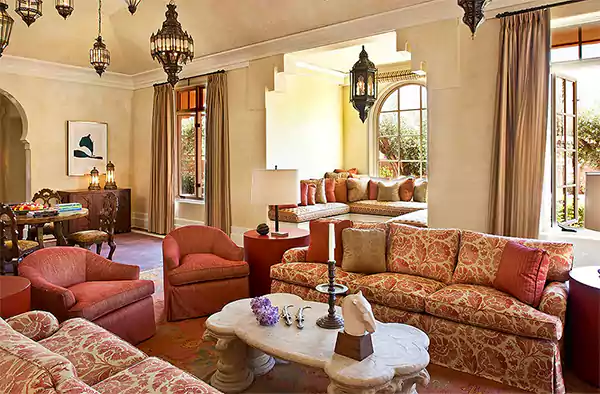
As the name suggests, Moroccan style is deeply rooted in Moroccan culture. Rich in colours and textures, the Moroccan style is a perfect blend of patterns and handcrafted designs, arabesque.
The Moroccan-style design features bold hues, low seating arrangements, and courtyards, which mirror the traditional Moroccan architecture.
16. Industrial
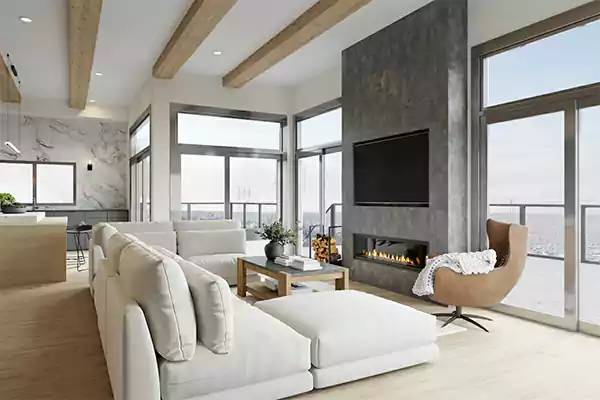
Heavily inspired by the Industrial Revolution, the industrial style features the raw and rugged aesthetics of an industrial setup. With black and grey hues paired up with brick stone walls, high ceilings, and large windows, the industrial interior has a minimalist touch to it.
All the materials are mostly used in their most natural form, such as exposed metal pipes and wooden furniture with leather-based finishes.
17. Alpine Chic
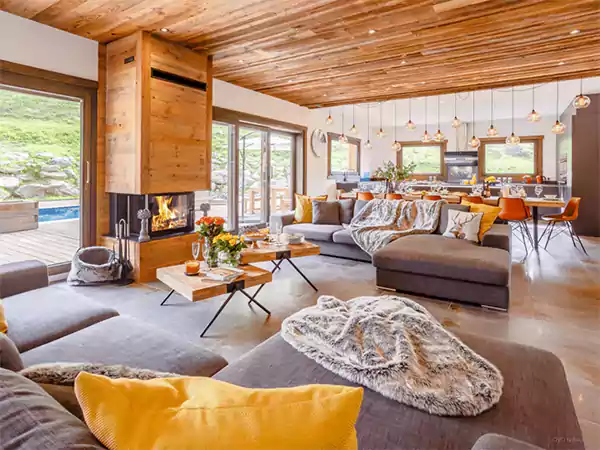
Everyone loves the vibe of a small cozy home in the mountains, and alpine chic offers all that mimics the homes of the Swiss Alps. With the use of natural materials like wood and stone and maximum natural light, the Alpine chic creates a homely comfort but with a touch of luxury.
For added texture, I like to use some wool-based rugs and throws, keeping the colour palette closer to nature, mainly brown and green.
18. Shabby Chic
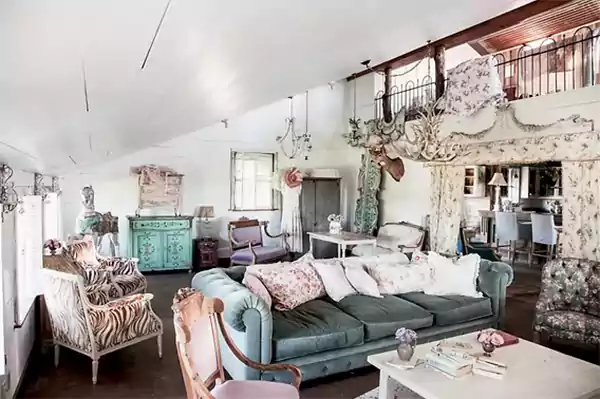
Originating in the 1980s, the term shabby chic was coined by Rachel Ashwell. As the name suggests, this style is a blend of the traditional and the modern style. Some of the main elements of the style are sheep-skinned flooring, rugs, and muted pastel colours.
This type of design is ideal for homeowners who want a touch of sophistication but with a textured and messy finish.
19. Rustic
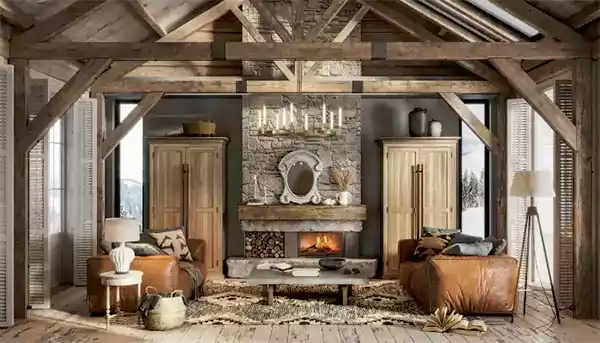
Rustic, true to its name, is a more rugged and earthy style of interior design, which gives a messier look as compared to the modern style of design. Featuring reclaimed wood and handcrafted decor, the rustic style has a very warm and earthy vibe.
Additionally, it uses warm and earthy colours like brown and beige with textured rugs, which add a more rustic charm to the space. Some of the popular types of rustic design are the cottage and industrial designs.
20. Mediterranean
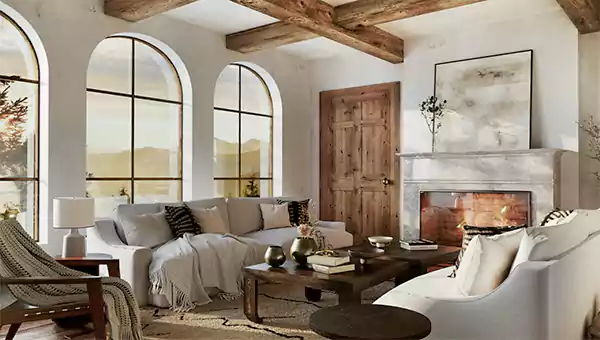
Mirroring the life around the Mediterranean Sea, this style reflects the slow and calm sea life in the urban landscape. Very similar to the coastal interior design, the Mediterranean style focuses on indoor-outdoor style, which means merging both spaces to create a comforting and peaceful living area.
Important elements included a neutral colour palette and the use of minimal furniture to avoid clutter.
21. Modern Farmhouse
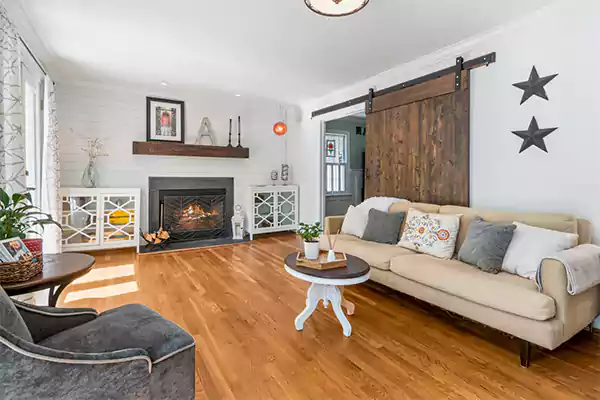
The Modern farmhouse offers the elegance of farmhouse style with modern functionality. Featuring oversized furniture, neutral colours, and large spaces with wooden beams, the modern farmhouse mimics the comfort and class of suburban space without missing the efficiency and needs of a modern lifestyle.
22. Memphis
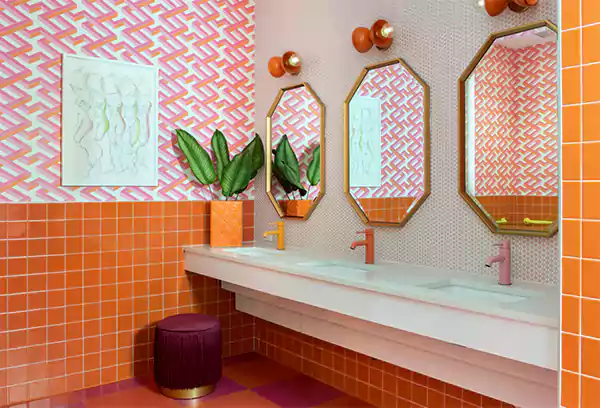
Memphis is a post-modern interior design style that was led by Italian designer Ettore Sottsass and was introduced as a reaction to the minimalism of the 1970s.
This vibrant show of bold hues and patterns feels anything but basic and adds life to the living space. It feels like a pop culture movement with the extensive use of bold patterns and geometrical shapes, which is a delight for Art Deco enthusiasts.
23. Southwestern
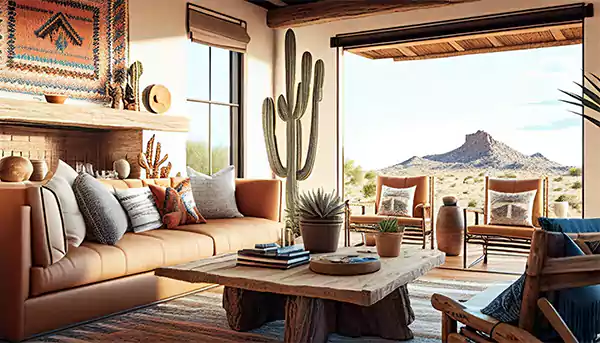
Bring home the charm of the southwestern aesthetic home with this type of interior design, which is an ideal blend of the culture of Southwest America, rich textures, warm and earthy colours, paired with art and craft, acknowledging the history of the cultures.
Like different interior design styles, the southwestern also has plants as an integral element and can also feature different types of cactus and succulents for that touch of nature.
24. Transitional
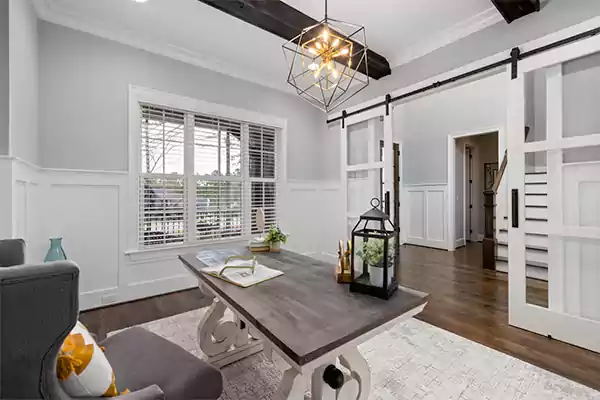
If you are bored with the binary of modern and traditional designs, the transitional design is the one that you need to upgrade your home decor. This is a mix of transitional and modern without feeling overwhelming.
This style can be understood as something that can not be dated but exists as an amalgamation of the old and the new. Started in the 1950s as a response to the trend of minimalism, it features different design periods and can be modified according to one’s own preferences.
25. Tropical
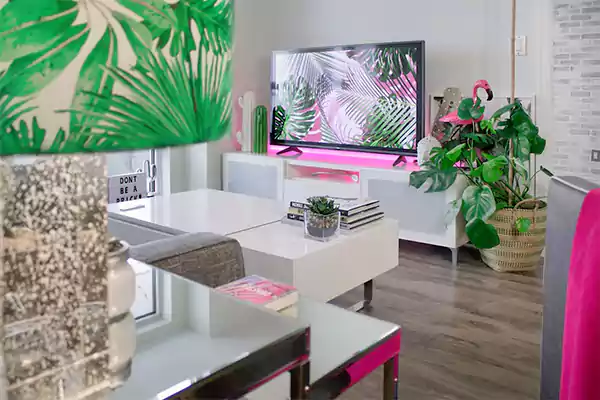
Bring the charm of Island life to your urban house with minimal effort. The tropical design features a lot of seaside colours like green, yellow, and blue with tropical patterns and accessories.
While I prefer using a lot of tropical plants and handcrafted decor pieces made of wood, this design comes together when provided with an open space, which makes it feel more airy and less suffocated, mirroring an island life.
26. Biophilic
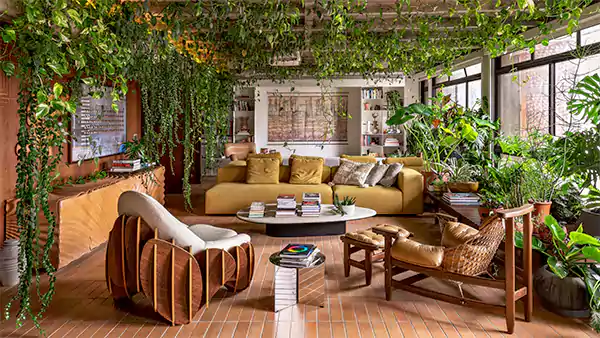
Modern interior does not mean moving away from nature, and biophilic design encapsulates this idea perfectly. Use of natural elements like hanging plants, vines, and wood to integrate nature without making it feel more forced.
With emphasis on natural light, a biophilic home feels modern and grounded, which is calming and comforting both in essence and efficiency.
27. Japandi
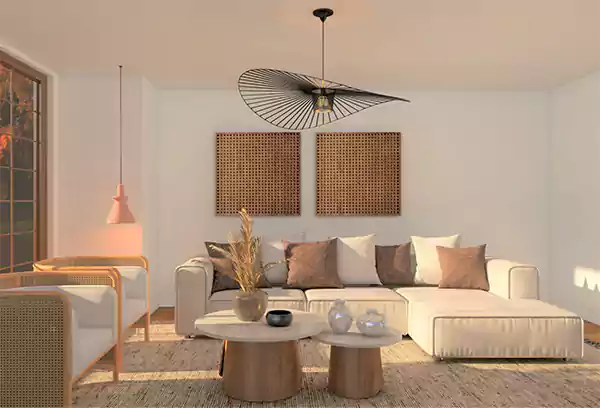
The Japandi style of interior design originated in the 19th century and is a mix of Japanese and Scandinavian styles, which is visible in the way it utilises clean lines, neutral colours, and natural fibres.
Adapting the principles of minimalism, the Japandi style features blank walls, neutral colours like white, beige, and grey, with wood-based furniture. Due to the use of natural elements, it is more sustainable than the other alternatives.
28. Grand Millennial
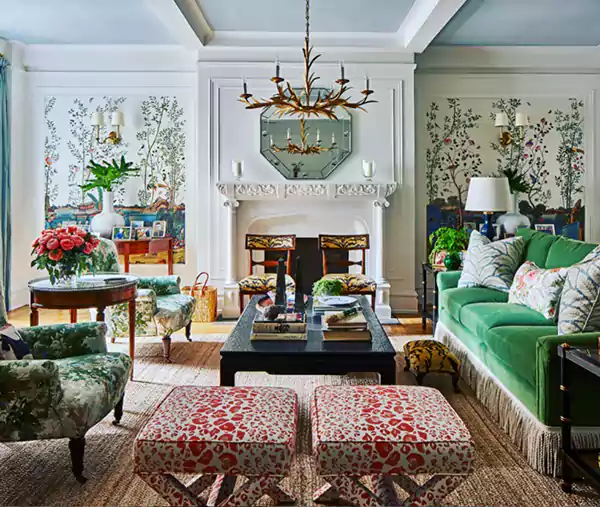
For people born in the 1980s and 90s, the grand millennial style can feel like a breeze of nostalgia. The term was coined by Emma Bazillian in 2019 and is also known as granny chic because it perfectly encapsulates the charm and memories of traditional homes, mainly the grandparents’ home.
With blue and white being the base colours, along with floral wallpapers, the grand millennial offers a touch of home with the charm of classic homes that can be merged with antique decor pieces.
29. Vintage
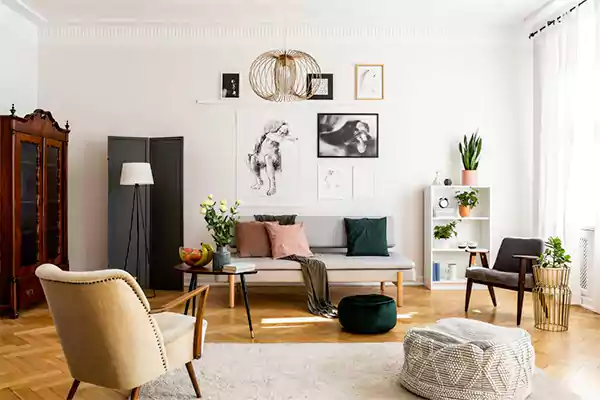
Different from the antique style, vintage design can be understood as an amalgamation of different interior design styles, as vintage design for cultures around the world can be different.
Use warm and deep colours like burgundy, brown, and green with book stands, records, and antique pieces from different cultural histories to evoke a sense of nostalgia.
30. CottageCore
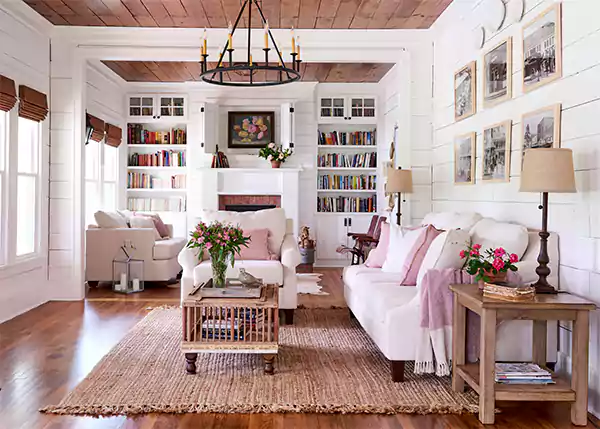
Cottage core, as the name suggests, celebrates the rural lifestyle that is simple and chaos-free. This blend of vintage aesthetic with handcrafted patterns and antique furniture brings forth the charm of the countryside with modern functionality. The use of pastel colours and warm undertones makes the cottagecore aesthetic more prominent and creates a cozy vibe.
Best Interior Design Styles for Small Homes
Styling in small spaces might feel like inviting more clutter and less calm, well, not anymore. Whether it is the minimalist design or the biophilic one, all these styles can be moulded into small spaces, but with a twist.
Here are some smart small spaces interior design styles that will enhance the look of a tiny space without compromising on the aesthetics:
1. Smart Furniture
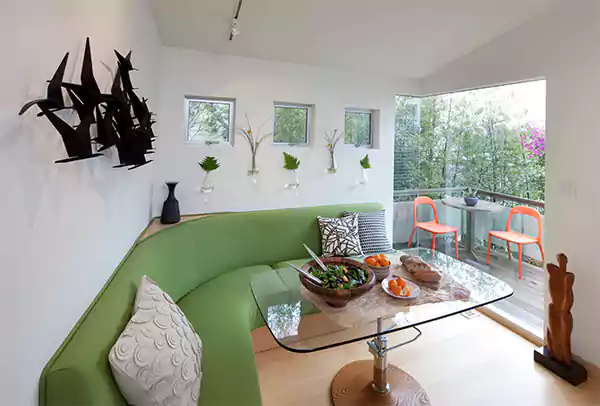
- Make sure you use multi-purpose small furniture that does not cover a lot of area and can be folded into a wall plank.
- This makes the house look less cluttered and also saves money for additional furniture.
- The minimalist style of design offers exactly that with its clean lines and required furniture only.
2. Light Colours and Patterns
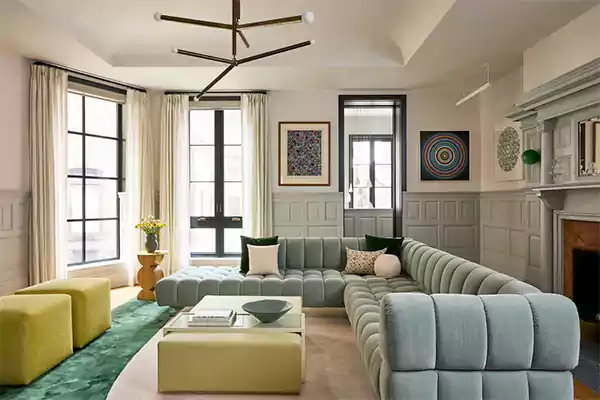
- Whether you choose Scandinavian or the modern design, both feature neutral and cool colours, which are perfect for small homes.
- Dark and loud colours can make the space look smaller, hence choose light colours and ensure there is enough natural light to avoid suffocation.
3. Smart sitting
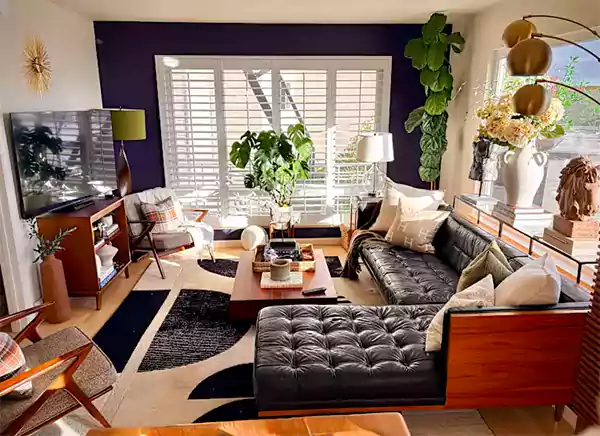
- According to me, the Moroccan style sitting offers a blend of cultural elegance and functionality as it can be used for various purposes, considering it has a low-level sitting.
- Opt for smart sitting furniture that has multiple uses, or go for a minimalist style of furniture that strips off the excess part of the furniture but works as well as others. This will not only save space but also give a classy look to the house.
4. Vertical Storage
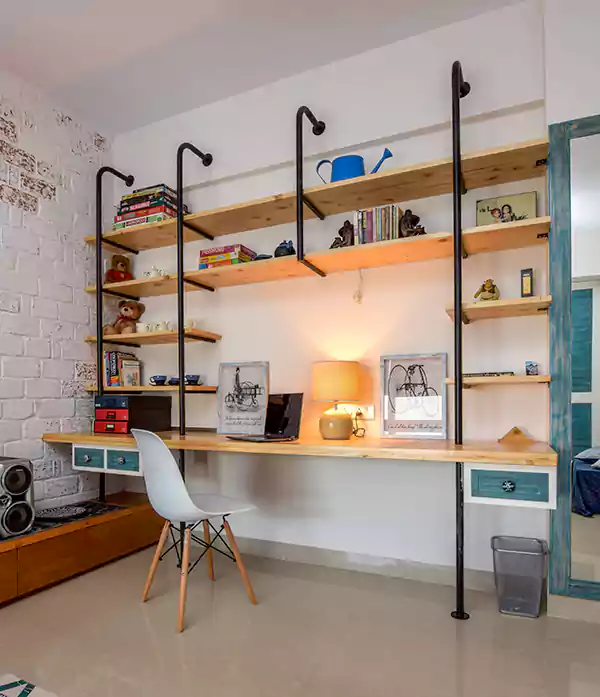
- Modern and Scandinavian interior design styles feature vertical storage as it blends the modern aesthetics with functionality, which works for small spaces, as the clutter-free patterns of these designs will prevent the space from looking messy.
- Make sure the floor-to-ceiling storage is utilised perfectly and saves space for movement; this will ensure a more spacious area free of congested furniture.
Concluding Remarks
Interior design is more than just aesthetics; it is like giving your house a personality. For me, this process taught me the value of small details and how to optimize space efficiently.
The best way to figure out your style is by experimenting and mixing and matching different designs. Whether it is the minimalism of the Scandinavian style or the loud and dramatic hues of the boho style, each style has its own advantages and challenges. Choose what works best for you and customise it as per changing trends and preferences.
FAQs
What are the different interior design styles?
The different interior design styles include modern, Scandinavian, minimalist, vintage, boho, cottage core, and many more.
Which is the most sustainable type of interior design style?
Japandi is the most sustainable type of interior design style.
Is Japandi a mix of different types of interior design styles?
Yes, Japandi is a mix of Japanese and Scandinavian interior design styles.
When did the Art Deco movement start?
The Art Deco movement started in 1910 in France.
What are some interior design options for small spaces?
Some efficient interior design styles for small spaces are minimalist, Scandinavian, and modern with a twist of smart sitting, multi-purpose furniture, and more.


Essential Characteristics of Belgian Bluestone Flooring
[…] Moreover, Belgian Bluestone is often favored for its ability to harmonize with different materials used in FF&E (Furniture, Fixtures, and Equipment) and millwork, uplifting the overall cohesiveness of a space. This stone can be used in different applications, from entryways to kitchen floors, making it a versatile choice for homeowners searching for a unified look throughout their home. […]