Flowers that start with H have a variety of beautiful shrubs that do not make the garden look empty ever and colorful spring flowers that are a gardener’s delight.
So, if exploring flowers is your vibe, let me take you through 35 flowers that start with H, along with their growth habits and special features.
Quick answer
Flowers that start with H are heavenly bamboo, hebe, hydrangea, heather, honeysuckle, Hamamelis virginiana, hawthorn, heliotrope, hibiscus, harebell, hawkweed, Hypericum, horned pansy, and many more.
List of 35 Flowers That Start With H: From Hyacinth To Hazelnut
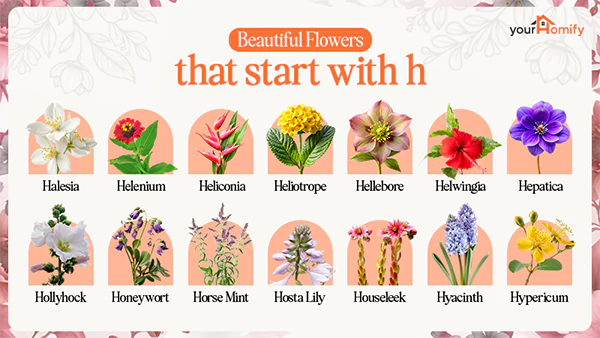
The most famous flowers that start with H are Heavenly Bamboo, Hyacinth, Hellebore, Hazelnut, Hydrangea, and more. Take a look at the 35 Flowers That Start with H.
- Heavenly Bamboo
- Hebe
- Hydrangea
- Heather
- Honeysuckle
- Hamamelis Virginiana
- Hermannia
- Hyptis
- Hawthorn
- Hippophae
- Hesperaloe
- Hakea
- Hazelnut
- Hamelia patens
- Harungana madagascariensis
- Halesia
- Harebell
- Hawkweed
- Houttuynia
- Hypericum
- Horned Pansy
- Hydrastis
- Houstonia
- Hyacinth
- Hydrocleys
- Hemiboea
- Hibiscus
- Hyssop
- Hosta
- Henbane
- Heath
- Heliotropium
- Hellebore
- Hesperis
- Honeywort
16 Shrub Flowers That Start With H: A Well-Structured Garden
Shrubs are woody-stemmed plants that are grown as perennial plants and used to add structure and texture to the garden.
Take a look at the 15 shrub flowers that start with H:
Heavenly Bamboo
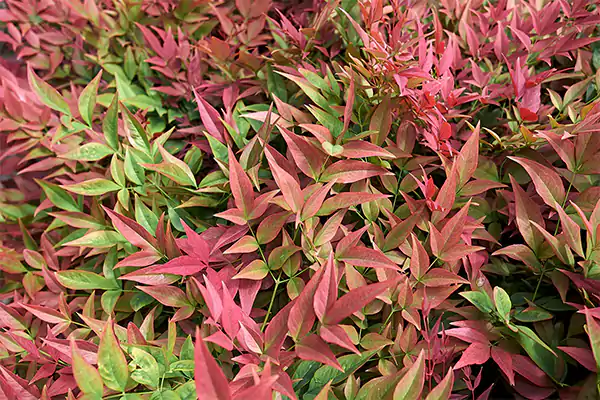
Part of the barberry family, heavenly bamboo is not related to the true bamboo plant as it grows pinkish-green leaves with white flowers.
Beware if you are planning to grow it at home, as it is highly invasive and can affect the neighboring plants’ growth.
| Botanical name | Nandina domestica |
| Native Area | Eastern China |
| Height | Up to 8 feet |
| Growing Requirements |
|
Hebe
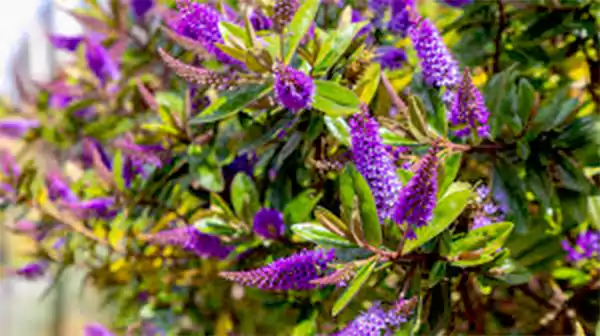
Hebe is an evergreen shrub with spike-like purple flowers, which are most commonly grown as garden borders to enhance the structure of the garden. Apart from being ornamental, Hebe shrubs are also pollinator-friendly.
| Botanical name | Hebe spp. |
| Native Area | New Zealand |
| Height | Up to 6 feet |
| Growing Requirements |
|
Hydrangea
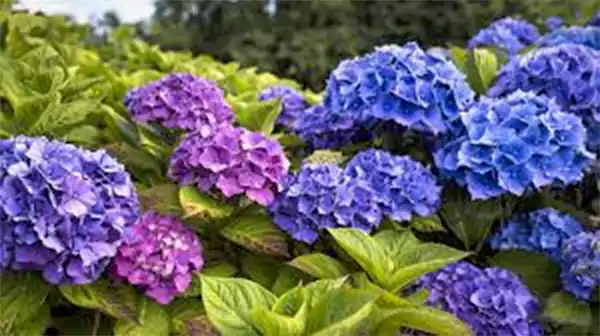
Hydrangea is a fall flower that grows beautiful clusters of small purple and pink flowers with big green leaves. Perfect for ornamental gardening, these flowers are used in flower arrangements as well.
| Botanical name | Hydrangea |
| Native Area | East Asia and North America |
| Height | 3-10 feet |
| Growing Requirements |
|
Heather
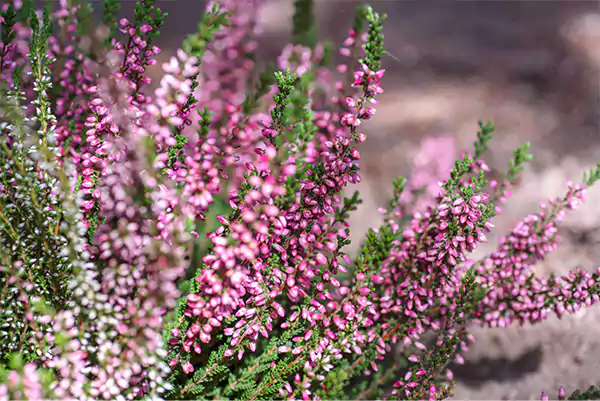
Along with the blueberry bush, the heather flower belongs to the Ericaceae family. Often confused with the heath plant, they are different species, which are from the same family but bloom at different times.
Heather has a cluster of small flowers that bloom in mid-summer, while heath has needle-like flowers that bloom in early spring.
| Botanical name | Calluna vulgaris |
| Native Area | Europe, Asia, and Iceland |
| Height | Up to 2 feet |
| Growing Requirements |
|
Honeysuckle
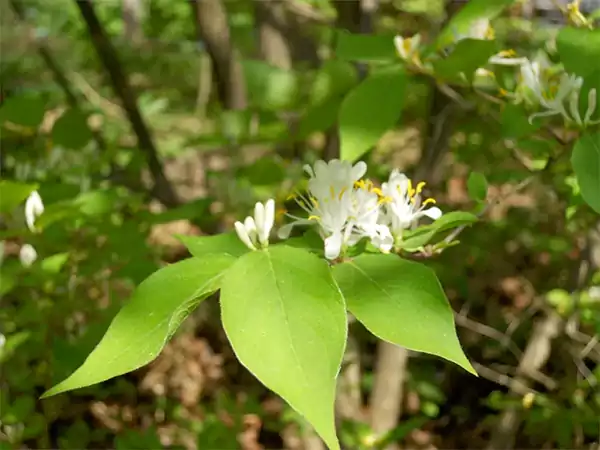
Also known as the June birth flower, the honeysuckle flower is grown in both the form of shrubs and vines. The fragrant yellow flowers are really popular for ornamental purposes and were used by Victorians for medicinal benefits to treat inflammation and fever.
| Botanical name | Lonicera |
| Native Area | Western Europe and Asia |
| Height | 3-5 feet |
| Growing Requirements |
|
Hamamelis Virginiana
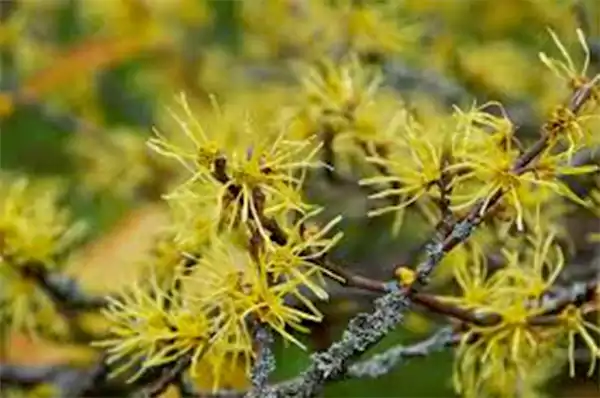
If you are looking for plants with skin benefits, Hamamelis Virginiana is the perfect plant. The thin, strap-like, fragrant flowers bloom in the fall in the color yellow, giving the perfect pop of color to the garden.
| Botanical name | Hamamelis Virginiana |
| Native Area | Eastern North America |
| Height | Up to 20 feet |
| Growing Requirements |
|
Hermannia
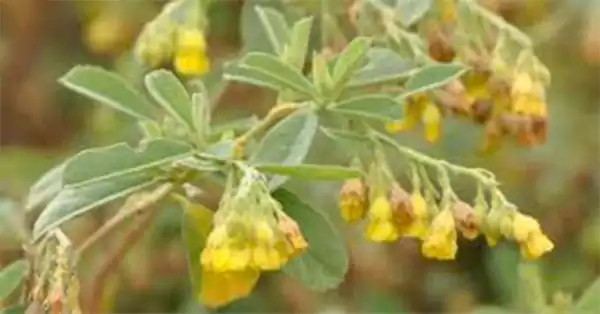
Popularly known as the “doll’s roses,” the Hermannia flowers produce yellow bell-shaped flowers, which are also slightly scented. The contrast of yellow flowers and green foliage is widely grown as a ground cover.
| Botanical name | Hermannia |
| Native Area | South Africa |
| Height | Up to 20 cm |
| Growing Requirements |
|
Hyptis
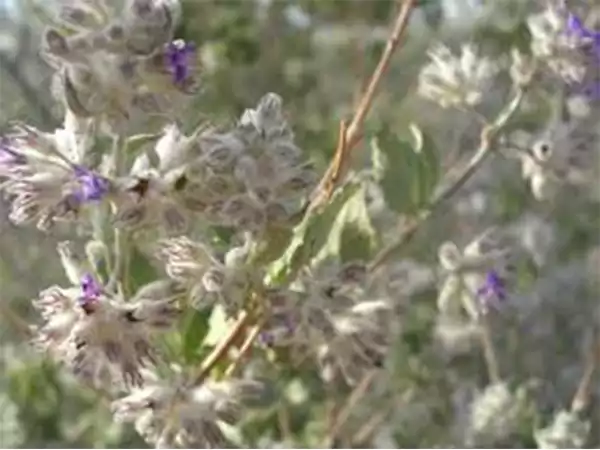
Hyptis is a flowering genus in the mint family, which includes the peppermint plant as well. The shrub varieties grow dense clusters of tubular flowers, which bloom until autumn.
| Botanical name | Hyptis emoryi |
| Native Area | California, Nevada, and Northwestern Mexico |
| Height | 4-6 feet tall |
| Growing Requirements |
|
Hawthorn
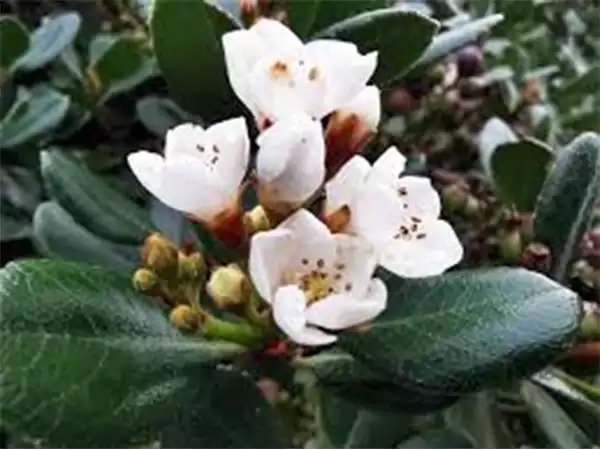
The Indian hawthorn is an evergreen shrub that is infamous for its cluster of white flowers along with big, green, glossy leaves. These bush flowers are best grown in an outdoor garden space and are also listed as cat-safe flowers by the ASPCA.
| Botanical name | Rhaphiolepis indica |
| Native Area | Southern China |
| Height | 6 feet |
| Growing Requirements |
|
Hippophae
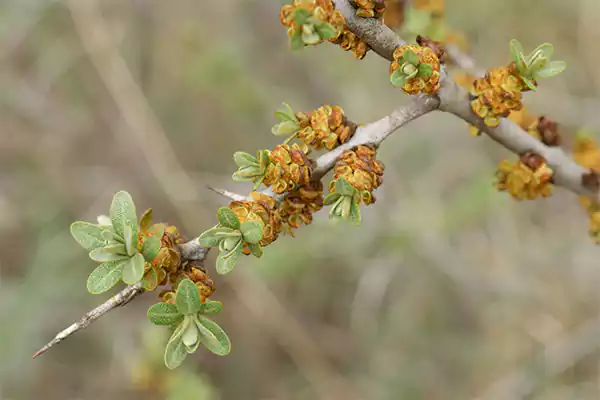
Commonly known as the “sea buckthorn,” Hippophae is a dioecious plant that requires both male and female parts to grow. More than the yellow-green flowers, this shrub/small tree is infamous for the orange berries it produces in the fall.
| Botanical name | Hippophae rhamnoides |
| Native Area | Europe, Central Asia, and China |
| Height | 6-20 feet |
| Growing Requirements |
|
Hesperaloe
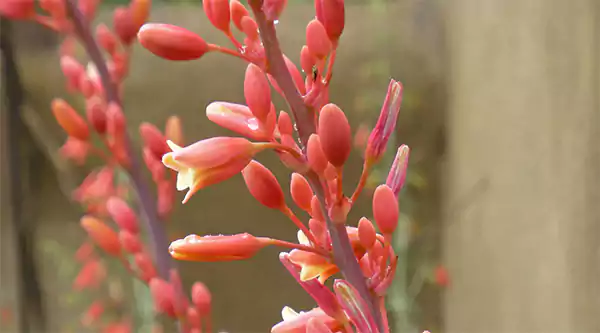
Also known as the red yucca, Hesperaloe is often confused with the true yucca plant because of their similar names. The red yucca is a popular succulent with red tubular flowers and is drought and heat-tolerant.
Due to their low-maintenance nature, they are a great option for beginner gardeners.
| Botanical name | Hesperaloe parviflora |
| Native Area | Northeastern Mexico and West Texas |
| Height | Up to 5 feet |
| Growing Requirements |
|
Hakea
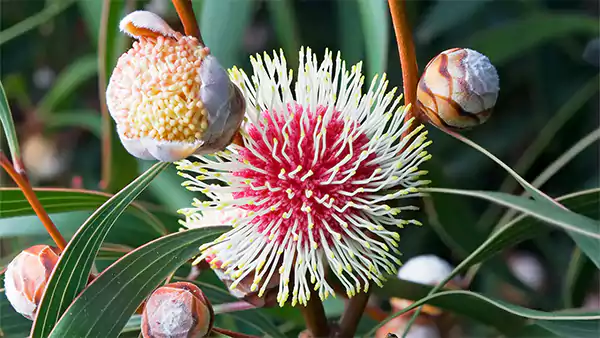
Hakea is a perennial plant with unique flowers shaped in the form of long needles in various colors from white and pink to purple and red. These flowers bloom all year long, depending on the variety.
| Botanical name | Hakea |
| Native Area | Australia |
| Height | 10-20 feet |
| Growing Requirements |
|
Hazelnut
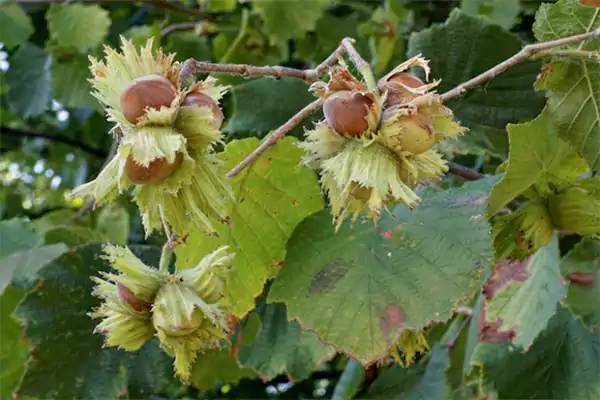
The popular hazelnuts are produced from these monoecious evergreen hazelnut shrubs. The hazelnut shrub, along with nuts, grows white flowers, which bloom in the early spring.
| Botanical name | Corylus americana |
| Native Area | Eastern North America |
| Height | 10-12 feet tall |
| Growing Requirements |
|
Hamelia patens
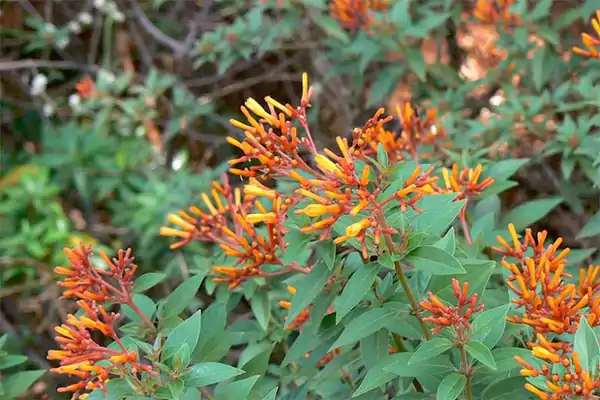
Part of the Madder family, the Hamelia patens shrub features bright orange-yellow tubular flowers, which are home to many pollinating animals like hummingbirds and bees.
These orange flowers and berries that it produces give it the name “firebush.”
| Botanical name | Hamelia patens |
| Native Area | Central and South America |
| Height | Up to 12 feet |
| Growing Requirements |
|
Harungana madagascariensis
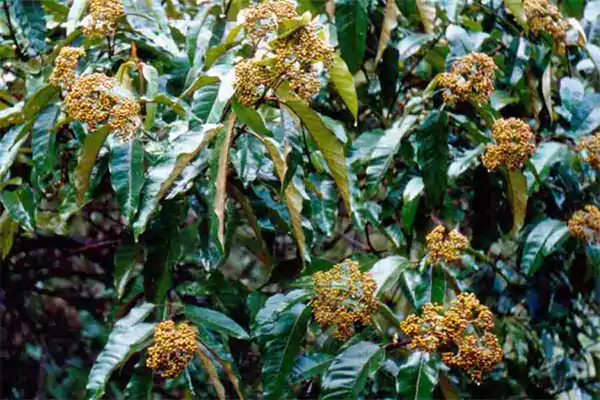
Commonly known as the orange milk tree, harungana is a tropical evergreen shrub and tree that grows white flowers, which are extensively used for skin care instead of retinol.
| Botanical name | Harungana madagascariensis |
| Native Area | Africa, Mauritius, and Madagascar |
| Height | Up to 25 metres |
| Growing Requirements |
|
Halesia
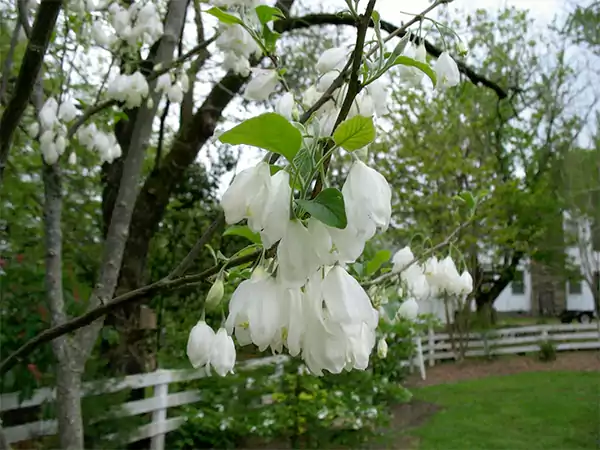
Also known as the silver bell tree, Halesia is a deciduous shrub or small tree that grows small bell-shaped white flowers, which bloom from April to May and are pollinator-friendly and also safe for human consumption.
| Botanical name | Halesia carolina |
| Native Area | Southeastern America |
| Height | Up to 30 feet |
| Growing Requirements |
|
14 Herbaceous Flowers That Start With An H: For a Colourful Space
Herbaceous flowers are soft-stemmed plants that typically bloom from spring to summer and then die in the fall. While they need to be replanted again, the color and fragrance these flowers provide are worth every effort.
Here are 14 herbaceous flowers that start with the letter H:
Harebell
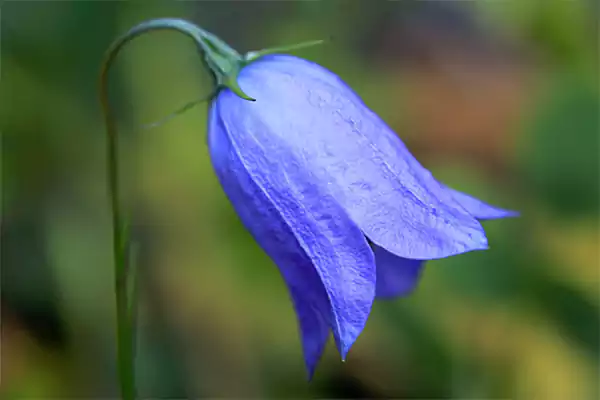
Also known as the “bluebell flowers,” harebell produces bell-shaped flowers in the color violet, has a high vitamin C content, and is used for culinary purposes as well.
| Botanical name | Campanula rotundifolia |
| Native Area | North America, Europe, and Northern Asia |
| Height | 1-2 feet |
| Growing Requirements |
|
Hawkweed
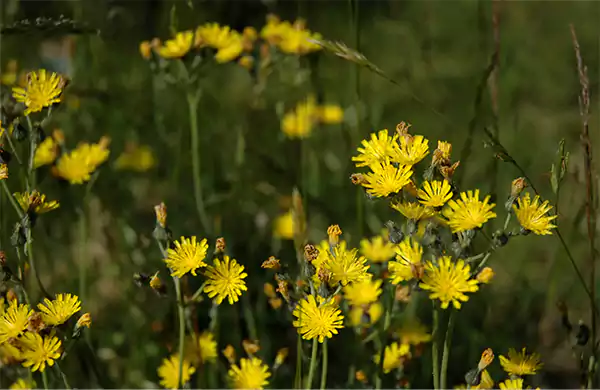
Part of the Asteraceae family, like the aster flowers, hawkweed is named so because it was historically used by hawks to restore vision. They grow either yellow or orange flowers, which produce toxic seeds and are invasive, impacting the health of the surrounding plants.
| Botanical name | Hieracium |
| Native Area | Europe and Asia |
| Height | Up to 3 feet |
| Growing Requirements |
|
Houttuynia
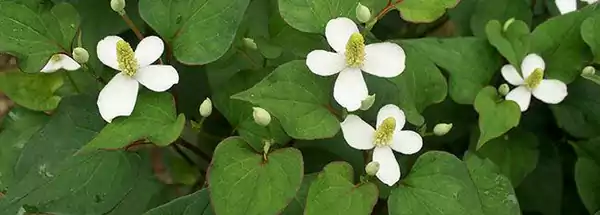
Also known as the chameleon plant, houttuynia has white flowers and big heart-shaped leaves, which turn pinkish on their edges under intense sunlight. Although this color-changing feature is great to have at home, it is not advised to grow this plant at home, as it is highly invasive and is difficult to get rid of once planted.
Indoor Planting Tip
Instead of the Houttuynia, I grow the salvia plant, which also changes color under intense heat, and they are pretty low-maintenance and elevate the garden space better than ever!
| Botanical name | Houttuynia cordata |
| Native Area | Southeast Asia |
| Height | 1-2 feet |
| Growing Requirements |
|
Hypericum
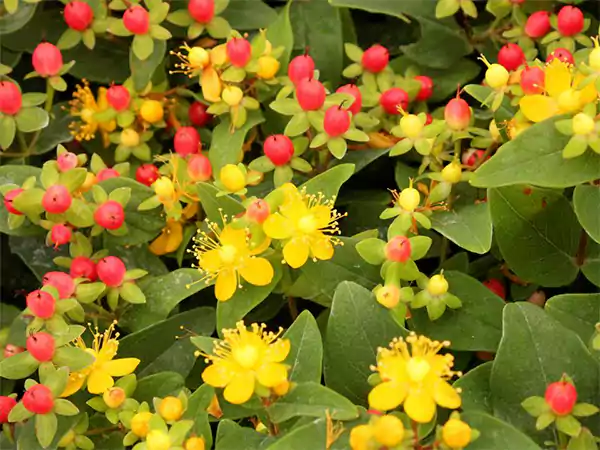
Also known as St. John’s wort, hypericum is a perennial plant that produces star-shaped yellow flowers and red berries, which are toxic and are only used for ornamental purposes.
Historically, hypericum was used to cure depression, which was also validated by the NCBI through their clinical trials.
Scientific claims made by research portals should not be inculcated in real life without medical supervision.
| Botanical name | Hypericum spp |
| Native Area | Europe, Central Asia, and North Africa |
| Height | Up to 5 feet |
| Growing Requirements |
|
Horned Pansy
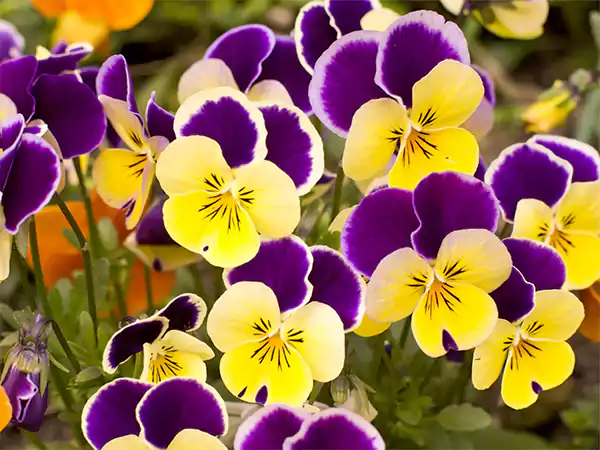
The horned pansy in Victorian times symbolized remembrance and thinking. These 3-petal flowers are popularly used as ornamental plants indoors.
Additionally, ensure not to plant flowers like peonies, daylilies, or sunflowers with horned pansies, as they have different growth requirements.
| Botanical name | Viola cornuta |
| Native Area | Northern Spain and Southern France |
| Height | 6-10 inches |
| Growing Requirements |
|
Hydrastis
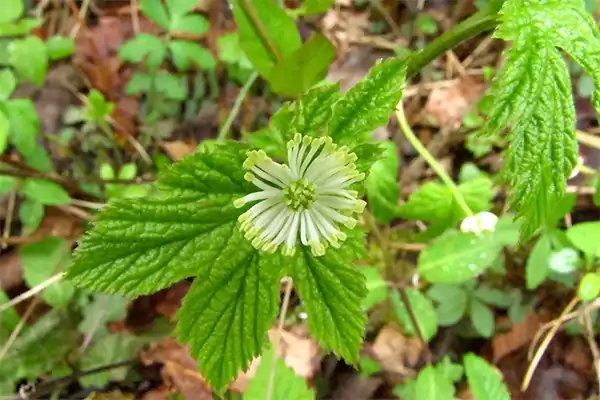
Similar to the Ranunculus flower, Hydrastis also belongs to the buttercup family. Unlike most of the flowers, this perennial flower does not have petals but thin sepals that fall off at the time of blooming and 3 green leaves.
| Botanical name | Hydrastis canadensis |
| Native Area | Eastern North America |
| Height | Up to 1 foot |
| Growing Requirements |
|
Houstonia
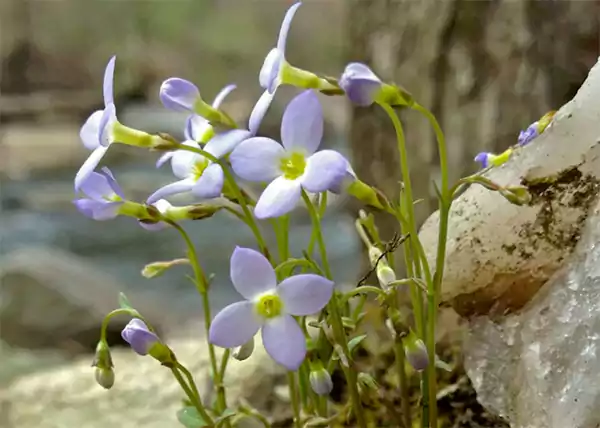
The Houstonia is a wildflower, much like the coneflower, which is also known as the “Quaker ladies” because of the pale blue flowers that are similar to the color worn by the Quaker women in the 1600s.
| Botanical name | Houstonia caerulea |
| Native Area | Eastern America |
| Height | 3-8 inches |
| Growing Requirements |
|
Hyacinth
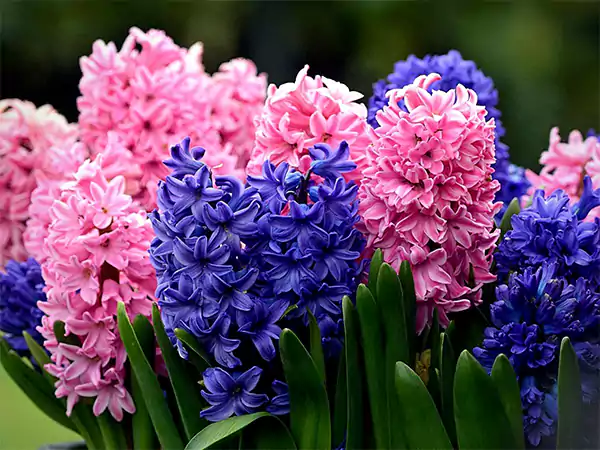
Hyacinths are my favorite spring flowers, not only because they produce fresh and elegant, colorful blooms, but also because their fragrance is sweet and captivating.
According to the ASPCA, hyacinth is considered toxic for pets and should not be ingested by pets or humans, but apart from this, the Easter flower was used in making the fragrance Chanel 19.
| Botanical name | Hyacinthus Orientalis |
| Native Area | Eastern Mediterranean |
| Height | 6-12 inches |
| Growing Requirements |
|
Hydrocleys
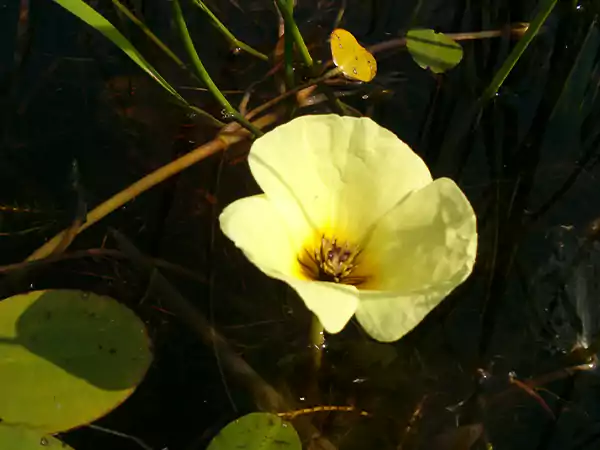
Commonly known as water poppies, Hydrocleys are not related to the poppy flower, which is an August birth flower. They share similar names due to their similar appearance.
Majorly grown in ponds, the water poppy features glossy green leaves and yellow cup-shaped flowers, which are also grown as water plants indoors.
Bonus Care Tip
Bring your water poppy indoors when the temperature drops below 20°C, as these plants are not frost-hardy and require hot weather to grow.
| Botanical name | Hydrocleys nymphoides |
| Native Area | South and Central America |
| Height | Up to 30 cm (less than 1 foot) |
| Growing Requirements |
|
Hemiboea
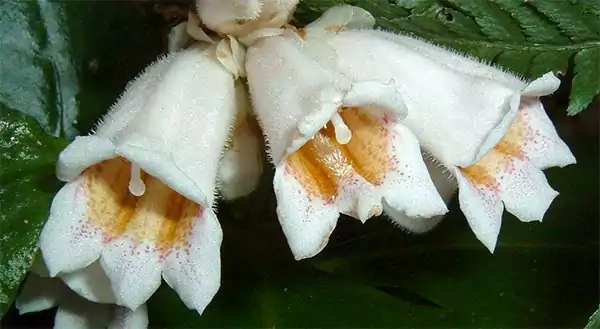
Also commonly called the False Sinningia, the Hemiboea is a flowering genus in the Gesneriaceae family. This deer-resistant flower features glossy green leaves and white tubular flowers that resemble the gloxinia flower.
| Botanical name | Hemiboea |
| Native Area | China |
| Height | 1-2 feet |
| Growing Requirements |
|
Hibiscus
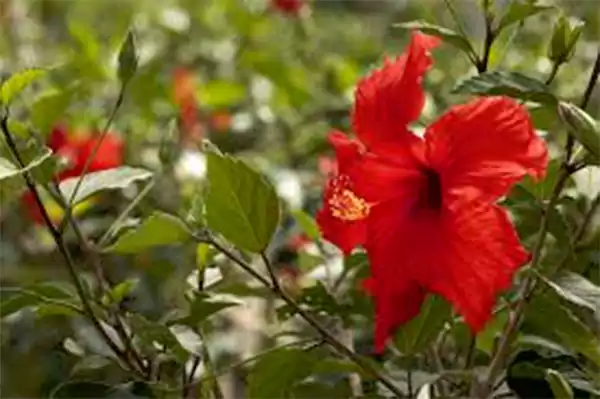
Hibiscus is one of the most beautiful blooms, which mostly lasts up to 2 days. The large pink or red flowers with a stamen popping out—this tropical flower is edible, and the flower extracts are used to make jelly and jam.
Additionally, hibiscus is the state flower of Hawaii.
| Botanical name | Hibiscus × rosa-sinensis |
| Native Area | Different for every variety |
| Height | 4-10 feet |
| Growing Requirements |
|
Hyssop
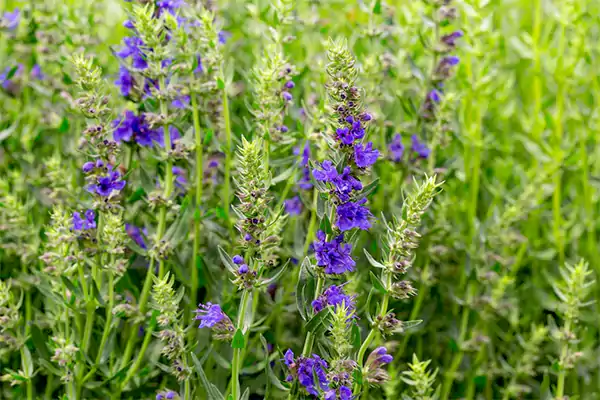
Often confused with the anise hyssop flower, the hyssop flower is a herbaceous perennial plant that grows with vertical blue spikes of flowers that are known to be a pollination magnet.
The hyssop flower is popularly used in aromatherapy, and the word is used in the Bible, as it is associated with the idea of cleansing.
| Botanical name | Hyssopus officinalis L. |
| Native Area | Southern Europe and the Middle East |
| Height | 2-4 feet |
| Growing Requirements |
|
Hosta
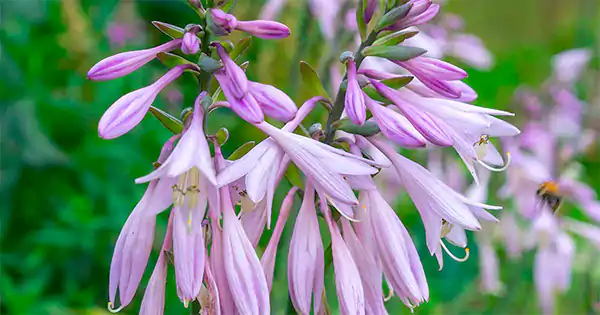
Hosta plants are shade perennials that are extensively popular for their large green leaves, which have a vein-like design on them. While the leaves steal most of the show, the lavender-colored, fragrant, trumpet-shaped flowers are also hard to ignore.
| Botanical name | Hosta spp. |
| Native Area | East Asia |
| Height | Up to 4 feet |
| Growing Requirements |
|
Henbane
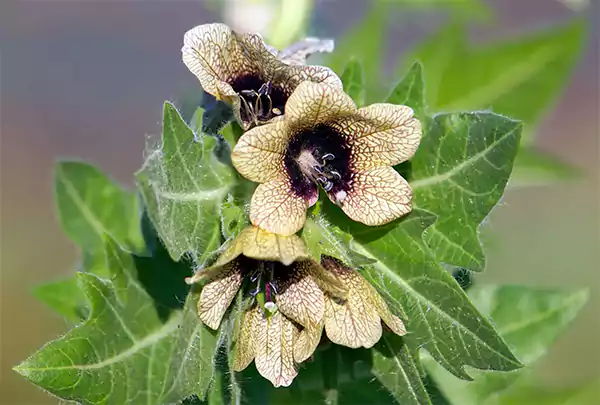
Henbane is a toxic weed with trumpet-shaped flowers and big, distinctive leaves that have a bright pink center. Historically, these flowers were used for witchcraft.
While the flowers look quite appealing, they are toxic in nature and should be handled while wearing gloves.
According to the Janesville Medical Animal Centre,henbane is considered a toxic plant for animals.
| Botanical name | Hyoscyamus niger |
| Native Area | Mediterranean regions |
| Height | 1-3 feet |
| Growing Requirements |
|
5 Purple Flowers That Start With H
Purple flowers are a symbol of royalty and luxury, and they also look elegant in a garden space.
Here are 5 purple plants that start with H:
Heath
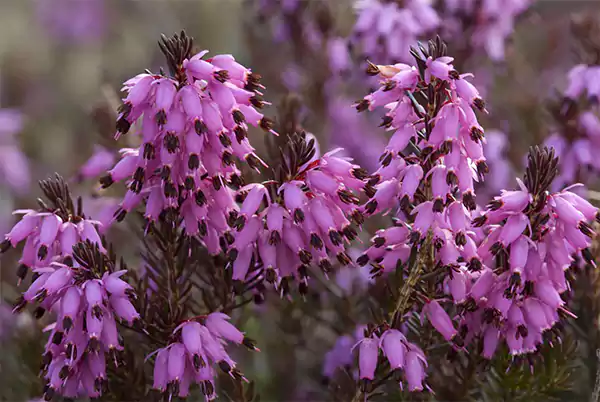
The heath plant belongs to the Ericaceae family, like the blueberry bush, and is often confused with the ground-covering shrub ‘heather.’ While both plants share similar growth habits, they are different.
Heath flowers can be identified by their needle-like purple flowers that bloom in late winter.
| Botanical name | Calluna vulgaris |
| Native Area | Europe |
| Height | 1-2 feet |
| Growing Requirements |
|
Heliotropium
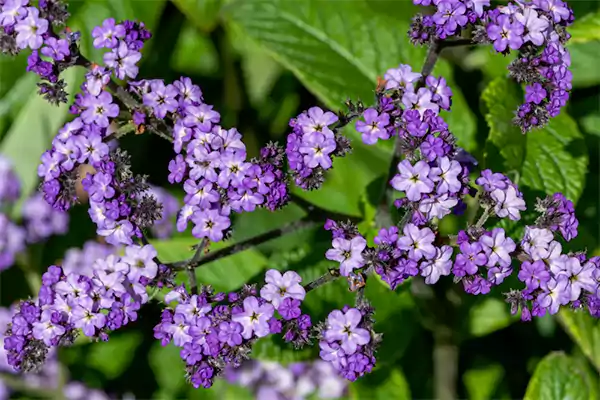
One of my favorite flowers, heliotropium, is an evergreen shrub that produces clusters of small purple flowers with a sweet, vanilla-like scent.
I have been growing this plant indoors, and it has not disappointed me ever.
| Botanical name | Heliotropium |
| Native Area | Asia and Africa |
| Height | 1-3 feet |
| Growing Requirements |
|
Hellebore
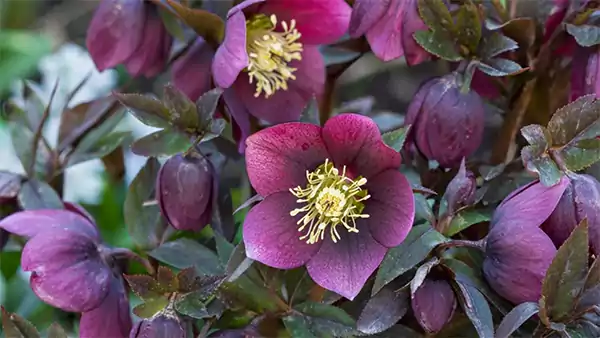
Hellebore is also known as the Christmas rose, as it blooms in late winter. While most flowers die back in the fall, this one can help add color to your garden even in dormancy.
Care Tip
The hellebore plant contains some caustic compounds, which make it toxic; therefore, wear gloves while handling the plant.
| Botanical name | Helleborus |
| Native Area | Europe and Asia |
| Height | 1-2 feet tall |
| Growing Requirements |
|
Hesperis
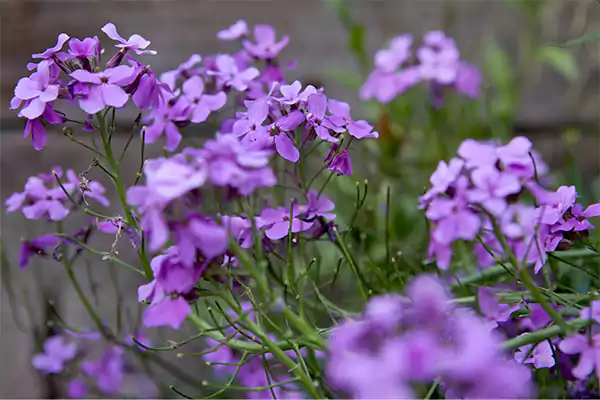
Commonly known as dame’s rocket, this perennial flower is often confused with the summer flower phlox. For the new gardeners wanting to grow a simple but elegant flower, hesperis and its self-seeding qualities will come to your rescue.
| Botanical name | Hesperis matronalis |
| Native Area | Europe and West Asia |
| Height | 1-3 feet |
| Growing Requirements |
|
Honeywort
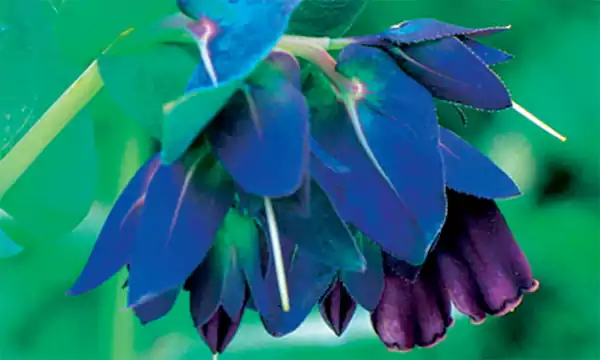
Honeywort plant is a spectacular display of blue and purple bell-shaped flowers. With their big green leaves and pollinator-friendly flowers, these blooms are perfect to be planted both outdoors in lawns and indoors in small containers.
| Botanical name | Cerinthe |
| Native Area | Mediterranean regions |
| Height | Up to 1 foot tall |
| Growing Requirements |
|
Concluding Remarks
‘The more, the merrier’ is the perfect phrase for the flowers that start with the letter H. Whether it is the beauty of shrubs you want in your garden or the colors of spring, these blooms are all accommodating and versatile.
These flowers that start with H offer the best comprehensive list of all kinds of flowers.
FAQs
What are the perennial flowers that start with H?
Harebell, hawkweed, and hyacinth are some perennial flowers that start with an H.
Is honeysuckle a shrub flower that starts with H?
Yes, wide varieties of honeysuckle are shrubs, while some are climbing vines too.
What are some toxic flowers that start with H?
Hellebore and henbane are examples of toxic flowers that start with H.
What are the purple flowers that start with the letter H?
Some purple flowers that start with H are heath, honeywort, and hellebore.
What are the cat-safe flowers that start with H?
Hawthorn and hibiscus are cat-safe flowers that start with the letter H.
Plants beginning with ‘H’—Burncoose Nurseries, UK