

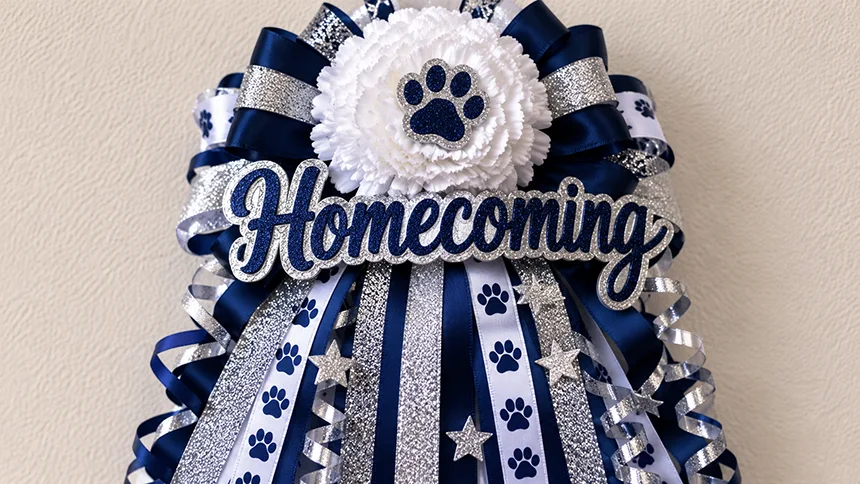
Have you ever seen students wearing large, colorful flowers decorated with ribbons, bells, and personalized charms during homecoming celebrations? These eye-catching accessories are called homecoming mums. It is a decorative floral accessory traditionally worn by students during homecoming celebrations, particularly in Texas.
But what makes this tradition unique, and where did it begin? Let’s explore everything you need to know about homecoming mums, including their history, cost, and how to make your own DIY version.
Quick Answer:
A homecoming mum is a large, decorative wearable art piece that represents the school spirit during the homecoming season. It is specifically popular in Texas and is made using artificial flowers, ribbons, trinkets, mini charms, and letter stickers. The tradition started around 1911 at the University of Missouri and eventually became one of the most recognized celebrations in Texas.
What is a Homecoming Mum?
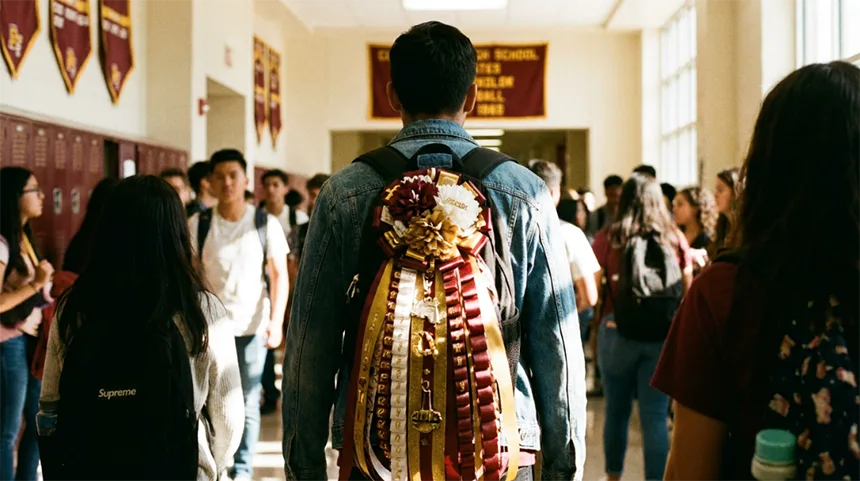
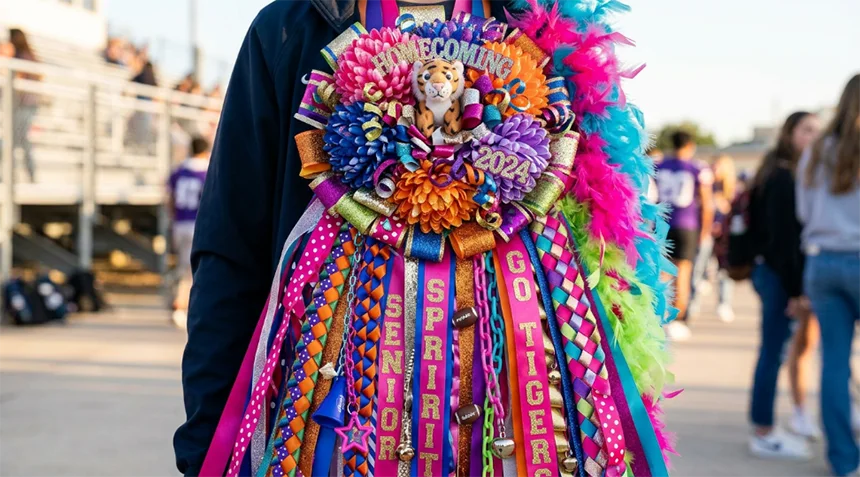
A homecoming mum is a large, decorative, flower-shaped accessory traditionally worn by high school students in the United States, especially in Texas, during a celebration called homecoming. It is usually made from an artificial chrysanthemum (also called a mum), decorative ribbons, bells, glitter, charms, and some LED lights.
In Texas, homecoming mums have become a major accessory. These are worn to represent school spirit, friendship, and affection during convocation ceremonies.
It is believed that the bigger and more personalized the mum, the more eye-catching it is. Although the concept started with real chrysanthemums, most modern homecoming mums now use artificial flowers because they last longer and go well with heavy decorations.
History of Texas Homecoming Mums: Where the Traditions Started
The original homecoming mum tradition began around 1911 at the University of Missouri, where students started wearing a single real chrysanthemum pinned to their clothes as a corsage to show school spirit, especially during homecoming games.
What began as a simple flower corsage eventually became one of Texas’s most renowned and widely appreciated high school traditions. Chrysanthemums were a natural choice because they bloom in autumn, the same season as American football and homecoming festivities. The tradition eventually spread to other colleges and high schools, including those in Texas.
During an economic recession, store-bought mums became expensive, so mothers and students started making them on their own at home. The tradition started with using a single real flower pinned to a jacket. It later evolved into more elaborate designs. People started using ribbons, bows, bells, decorative trinkets, and other details.
Today, modern mums have LED lights, glitter, photographs, customized message cards, and multiple flowers. Students started designing homecoming mums around their personalities, interests, hobbies, sports, and school activities.
What Flowers Are Used for Homecoming Mums?
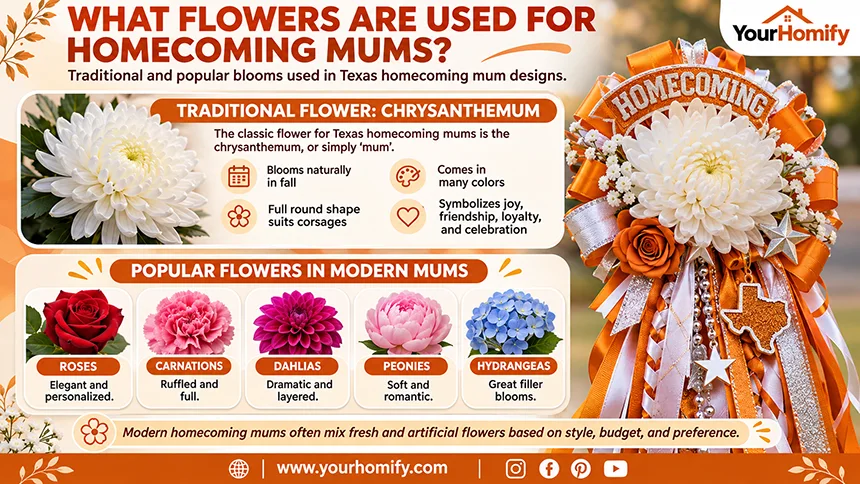
The traditional flower used for Texas homecoming mums is the chrysanthemum, commonly called a mum. It is the flower that gave this beloved tradition its name! However, over the years, homecoming mums have evolved, and today’s designs use a variety of fresh and artificial flowers, depending on the style, budget, and personal preferences.
Chrysanthemums are the original and most traditional flower used in homecoming mums because:
- They naturally bloom during the fall homecoming season.
- They are available in different color shades.
- The full, round shape of the bloom makes them ideal for corsages.
- They are known to symbolize joy, friendship, loyalty, and celebration.
Some of the popular flowers used in modern homecoming mums are:
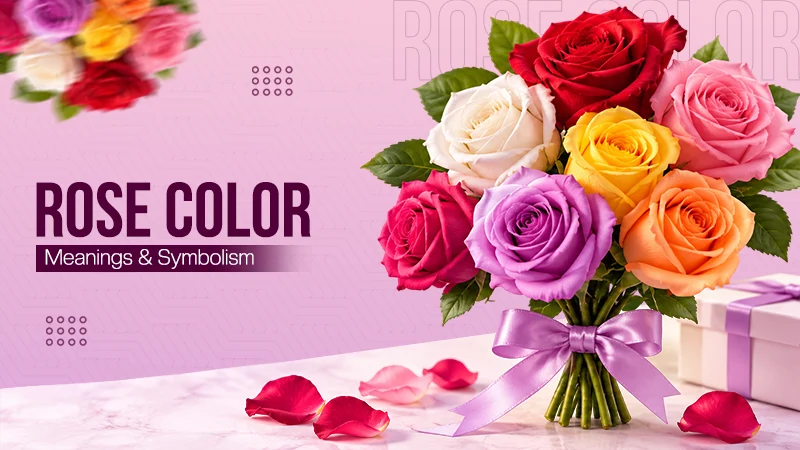
- Roses: Roses add a romantic and elegant appearance. They are often used in personalized or themed mum designs.
- Carnations: Their ruffled petals provide fullness and texture. They are a decorative alternative to traditional chrysanthemums.
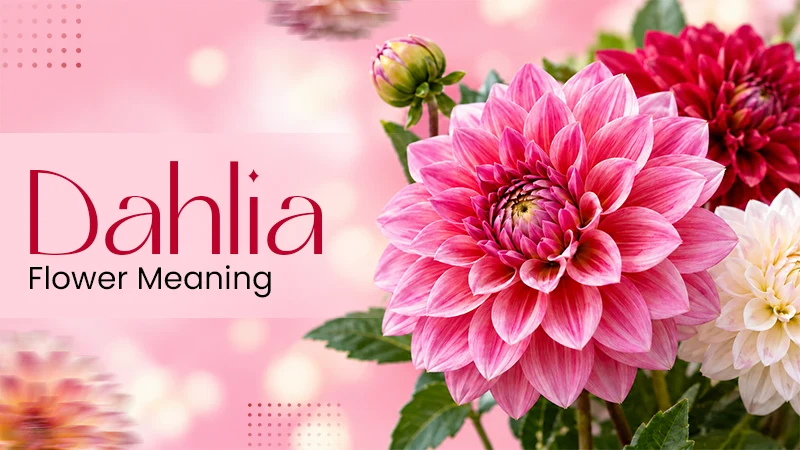
- Dahlias: Dahlias offer a dramatic, layered appearance. These are usually added to create stunning floral arrangements.
- Peonies: Peonies have a soft and romantic look. They can be used as complementary blooms to add texture to floral designs.
- Hydrangeas: If you wish to add filler elements to your homecoming mums, hydrangeas are the best.
Recommended Product
View all products
Common Name Dinner Plate Dahlia Maintenance Moderate to High Native Region Mexico and Central America Average Height 3-4 feet Plant Type Tuberous Perennial Average Width 2-3 feet Dinner plate dahlias are commonly called giant dahlias or super dahlias. The popular varieties include 'Café au Lait', 'Emory Paul', 'Kelvin Floodlight', and 'American Dream'. Key Features of Dinner Plate Dahlia: The most defining feature of the dinner plate dahlia is the enormous flower, which reaches at least 8 inches (ca. 20 cm). They have a vibrant color range, including deep reds, sunny yellows, soft pinks, lovely purples, and peaceful whites, along with two-toned options. These blossoms have intricate petal formations, ranging from broad and flat to tightly packed, loosely rolled, or twisted. To support the humongous flowers, they have strong, sturdy, and tall (3-4 feet) stems. These long-lasting blooms shower the garden with colors and elegance from mid-summer through the first frost. They thrive in full sun and well-drained soil. Care Guide, Advantages, and Disadvantages of Dinner Plate Dahlia Hardiness Zones : ne 8-11, in zones 3-7 treated as annuals. Light Exposure : At least 6-8 hours of direct sunlight daily. Soil Type : Well-drained, loamy or rich soil with a pH of 6.0 to 7.0. Water Needs : Water deeply 2-3 times a week. Additional Tips : Plant 24-36 inches apart for airflow.Staking is essential to keep them from breaking.Use a low-nitrogen, high-phosphorus/potassium fertilizer monthly. Advantages Massive blooms create a dramatic, stunning, eye-catching point in the garden. Excellent for cutting and making large, gorgeous bouquets and centrepieces. They are relatively easy to grow if their basic requirements or needs are fulfilled. Attracts pollinators and works well in containers. Disadvantages Due to its weight, blooms can droop or get damaged by wind or heavy rain. Requires study support to prevent them from falling or breaking. High-maintenance as it requires regular staking, disbudding, and watering. Requires fertilizers and protection from pests.
Recommended Product
View all products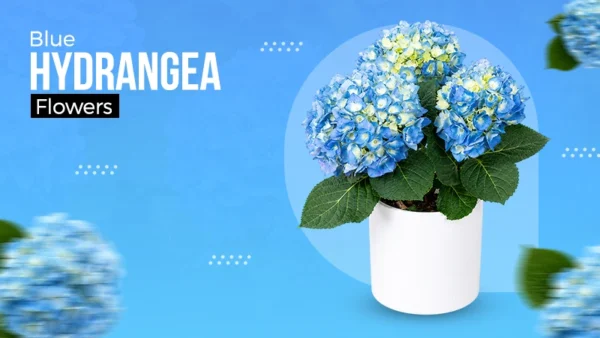
Overview and Description of Blue Hydrangea Common Name French hydrangea, Lacecap hydrangea, and Mophead hydrangea Maintenance Low Native Region Japan, China, Korea, and Southeast Asia Average Height 2-6 feet Plant Type Shrubs Average Width 3-6 feet Scientifically known as the Hydrangea macrophylla, the blue hydrangea flower is a deciduous shrub that produces small blue flowers from late spring to midsummer. Popularly used in flower arrangements, these ornamental blooms get their unique colour from acidic soil with low phosphorus content and are popular in container gardening indoors. They are associated with the idea of apology and regret. Key features and benefits of the blue hydrangea The blue hydrangea flowers thrive in cool temperatures, with an ideal range of 60°F-70°F. Associated with a Japanese Legend, the blue hydrangea is linked to the ideas of forgiveness and apology. The unique colour of the flowers can be achieved by planting them in acidic soil with low to moderate phosphorus levels, as alkaline soil produces pink blooms. Easy to grow indoors, these flowers are fit for any garden style, from balcony gardens to patios and lawns, with partial sunlight. Popularly used in cut flower arrangements, the vase life of blue hydrangea is up to 2 weeks with proper care. Care guide of blue hydrangea Growing Zone: USDA zones 5-9 Water Needs: Moderate Soil Type: Well-draining sandy, loamy soil with acidic pH (5.2-5.5) Sunlight Exposure: Partial sunlight Growth Rate: Fast Advantages These blue flowers are easy to grow for beginners. Due to its great ornamental value, the blue hydrangea flowers are used in cut flower arrangements for special occasions. This deciduous shrub is extremely versatile and can be grown easily in any garden style. Blue hydrangea has a fast growth rate. Disadvantages The blue hydrangea flowers are susceptible to pest infestation. While considered low-maintenance, they have precise sunlight needs and are intolerant of full sun, which can cause premature wilting. The blue colour can be tricky to produce as it depends on the soil pH and phosphorus levels. Blue hydrangea are not pet-safe flowers.
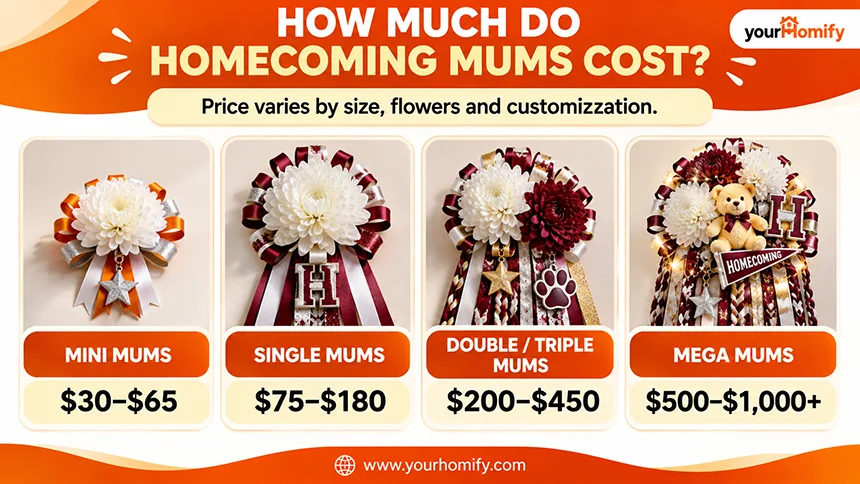
Pricing Breakdown Depending on the Mum Type:
- Mini Mums: These are best for younger children and can cost around $30 – $65. If you are looking for a subtle statement look, mini mums are an ideal choice.
- Single Mums: You can buy these for $75-$180. These offer a traditional, classic look featuring one large chrysanthemum flower along with ribbons and bows.
- Double/Triple Mums: Nothing is subtle about a homecoming mum with double or triple blooms. You can buy these for $200 to $450. They feature braids and trinkets that make them look extremely stunning.
- Mega Mums: Costing around $500 to $1000+, mega mums are massive homecoming pieces that include four or more flowers, LED lights, personalized message cards, and sometimes even small stuffed toys.
Pricing of the homecoming mums can vary depending on how intricate the design is, where you live, and the number of flowers you are using.
How To Make a Homecoming Mum?
To make your own homecoming mum, you need to gather a few basic materials, and before starting, it is important to finalize the size, theme, colors, and budget.
Supplies Needed
- 1 large artificial chrysanthemum (mum flower)
- A sturdy cardboard piece
- Hot glue gun and glue sticks
- Wide ribbon (2-3 inches)
- Skinny ribbon (⅜ – 1 inch)
- Curling ribbon
- School-color ribbons
- Glitter letter stickers
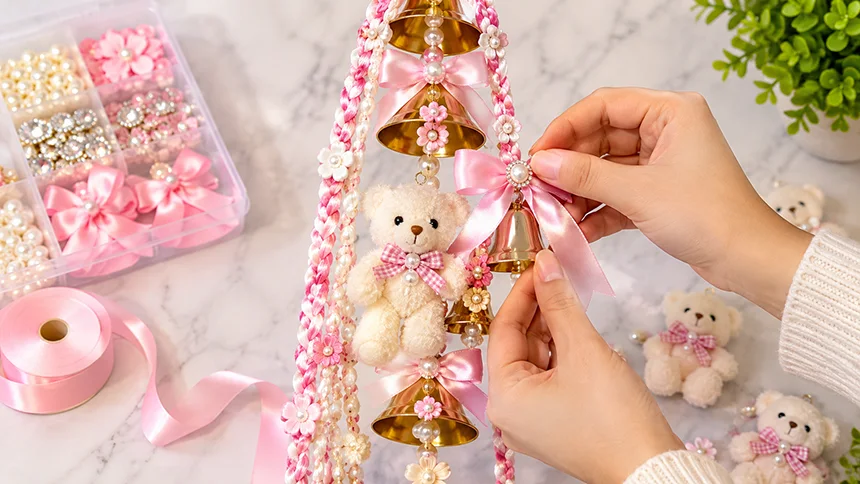
- Mini bells or stuffed toy charms
- Scissors
Here are the steps that you can follow to make your personalized mum.
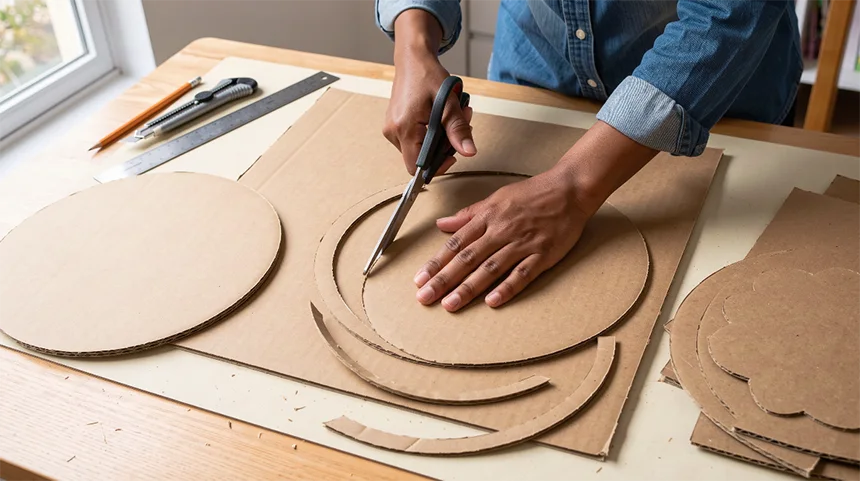
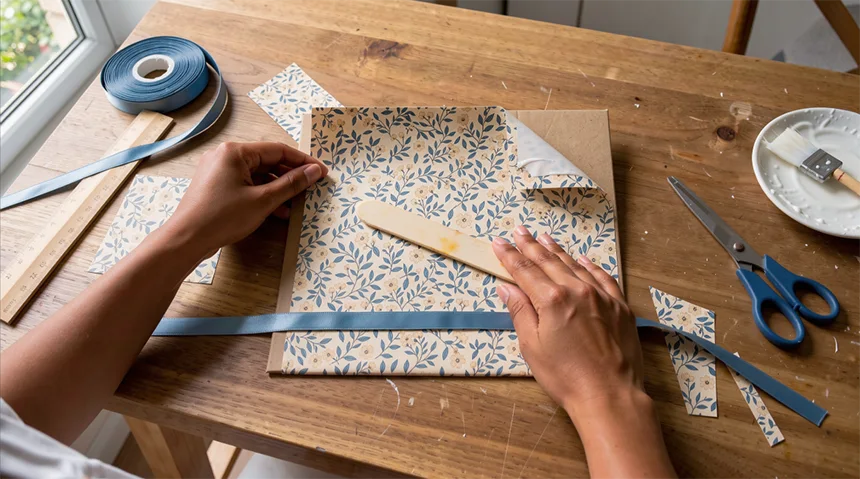
- Cut a circle or any desired shape from sturdy cardboard to prepare the mum backing. Make it approximately 5-7 inches wide for a traditional homecoming mum.

- Cover the front with ribbon or decorative paper.

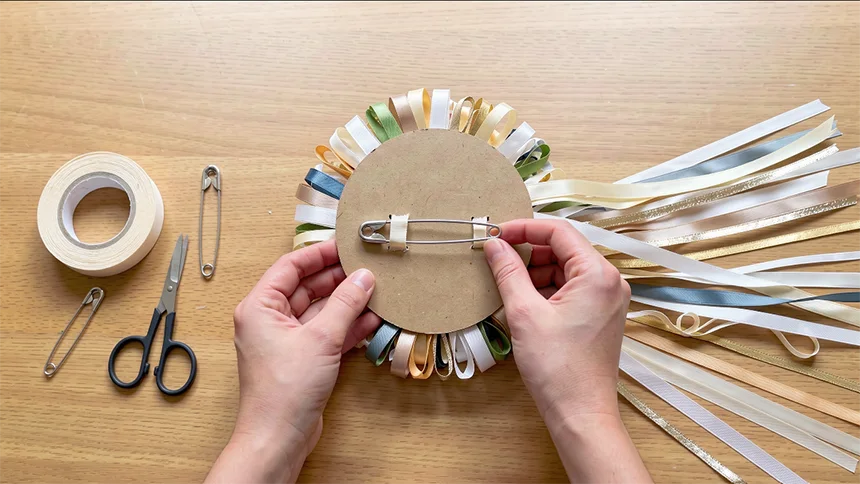
- Attach a safety pin or a hook to the back so that the mum is wearable.

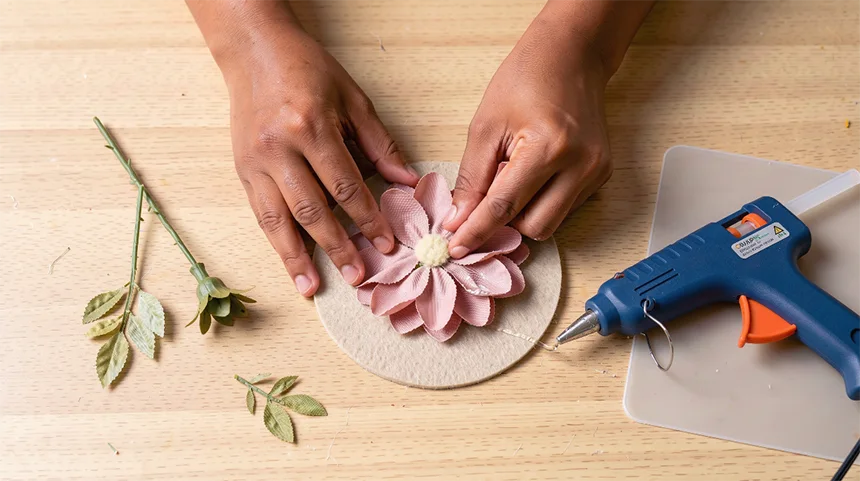
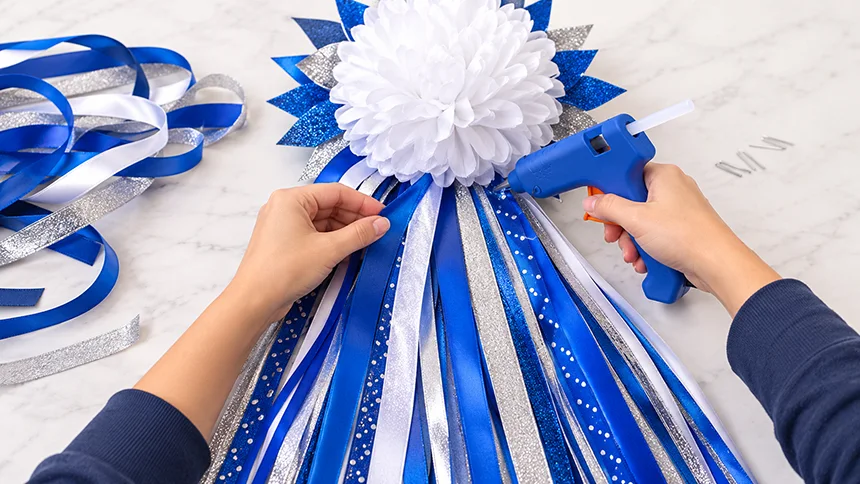
- Remove the plastic stem from the artificial flower, add hot glue to the back of the flower, press it firmly onto the center of the backing, and hold until the glue sets.
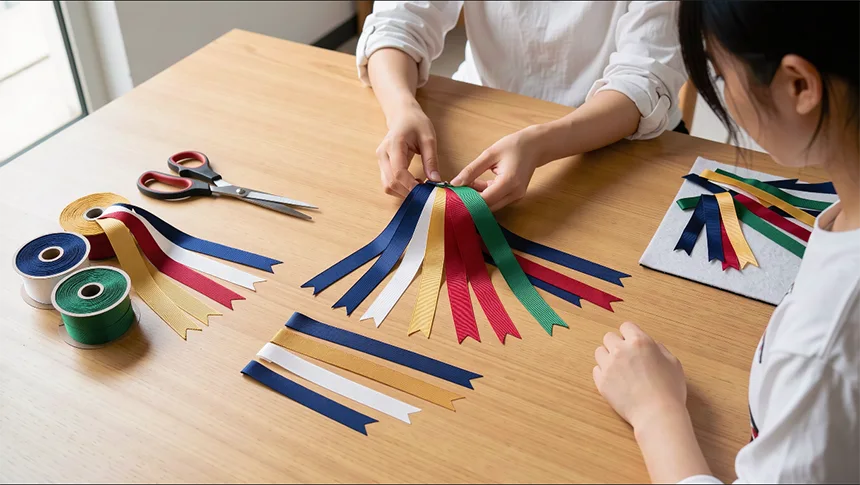
- Choose 3-5 school-color ribbons, cut them into different lengths, and start by layering different colors. You can also cut the ends of the ribbon in a V shape or any other angle.

- For a fuller look, attach at least 15-20 ribbons. You can either paste them using a glue gun or staple them.
- Start adding decorative materials like braids, bows, and stuffed bear charms to make it look blingy.
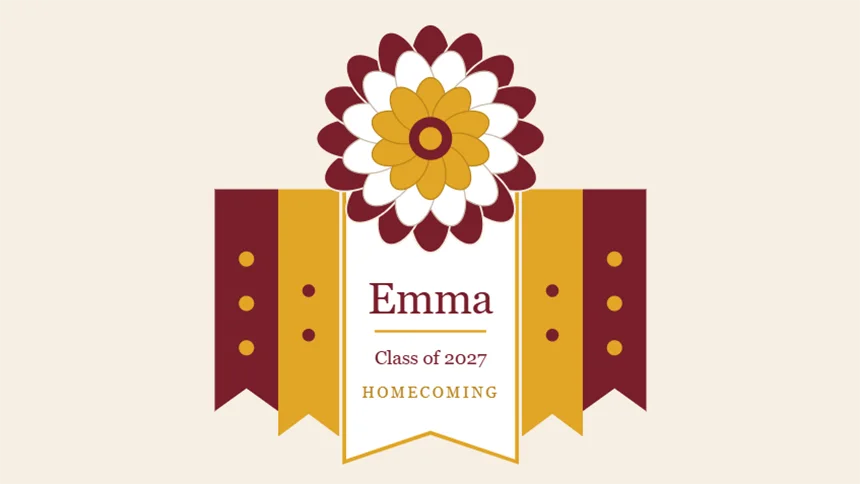
- You can also add your name, school name, or graduation year to make it even more event-specific. Add glitter letters or small messages on cards to make it even more memorable.
- Finish by checking that all the ribbons and other decorative materials are securely attached to the cardboard base, and it’s done.
Final Words
Making a homecoming mum is a fun and creative experience. It is amazing how you can use different ribbons, flowers, and other decorative items to create something beautiful and meaningful. In the end, you can say that a mum’s homecoming is more than just a decorative flower or accessory. It is a way to celebrate one of the most exciting school traditions. Understanding what it actually is helps you appreciate the history, tradition, and excitement behind this unique celebration.
FAQs
What is the purpose of a homecoming mum?
The main purpose of homecoming mum is to show high school spirit, affection, and status. Many people traditionally used it for gifting, representing affection. It was frequently exchanged between friends, parents, or couples.
How do girls wear homecoming mums?
Girls usually prefer wearing homecoming mums on the front of their bodies, while boys prefer flexing it by wearing small ones on the shoulder. Most modern mums now have a ribbon loop attached so that the homecoming mum can easily hang on the chest.
How much do homecoming mums cost?
Homecoming mums typically range from $75 to over $500. The price range of a custom-made mum can vary depending on the materials you use and the size. Sometimes, prices tend to increase as the supply of the raw materials also costs more.
What is a boy’s homecoming mum called?
A boy’s homecoming mum is called a homecoming garter. Unlike girls who wear these in front, boys prefer wearing these around their shoulders. It features small chrysanthemums tied to an elastic band with mini ribbons hanging down.
- How Homecoming Mums Became a Texas Tradition – Texas Highway