

Bells of Ireland flowers stand out for their unique features, symbolic meaning, and versatility in floral designs. Not only do they embody themes of luck, prosperity, and growth, but their vivid color and distinctive shape also allow for creative expression in a variety of arrangements. This makes them a cherished choice for weddings and important events.
These flowers can blend in with the common, colorful flowers while also being able to stand out as a focal point in modern aesthetics. This article covers what bells Ireland flowers mean, their history, how to grow them, and where to use them.
Quick Answer
Bells Ireland flowers are native to Western Asia, and they are used as a structural filler in dried bouquets and arrangements. These flowers are seen as a symbol of good luck, prosperity, and good fortune. To grow them, direct sunlight, sandy, loamy, and well-drained soil, and biweekly watering are required during their growing stages.
What is a Bells of Ireland Flower?
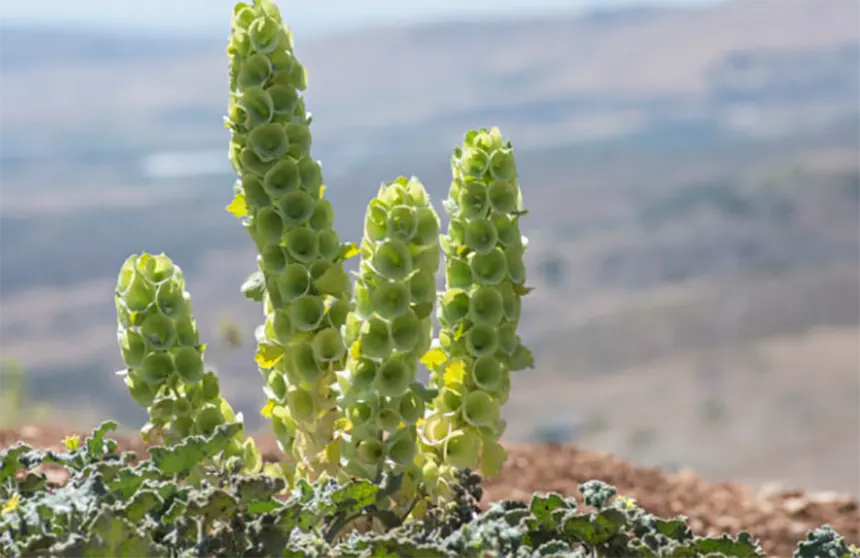
Bells of Ireland, also known as Moluccella laevis or shellflower, is a cool-season annual flowering plant that belongs to the mint family, Lamiaceae. This flower is native to Western Asia, including Turkey, Syria, and the Caucasus region. The flowers are a vibrant apple-green and look like bells, and they are actually calyces rather than petals. Inside each green calyx is a tiny, fragrant, two-lipped white flower. The plant has a distinct aroma that is fresh, and it can be described as a mix of grass, vanilla, mint, and soap.
These flowers are seen as a prized possession by florists as a structural filler in fresh and dried bouquets because they add vertical height and a striking green contrast when put next to pastel and bright blooms. They are often associated with Celtic symbols and used on St. Patrick’s Day. These flowers are also representative of good luck, prosperity, and abundance.
Plant Classification and Botanical Profile of Bells of Ireland Flower
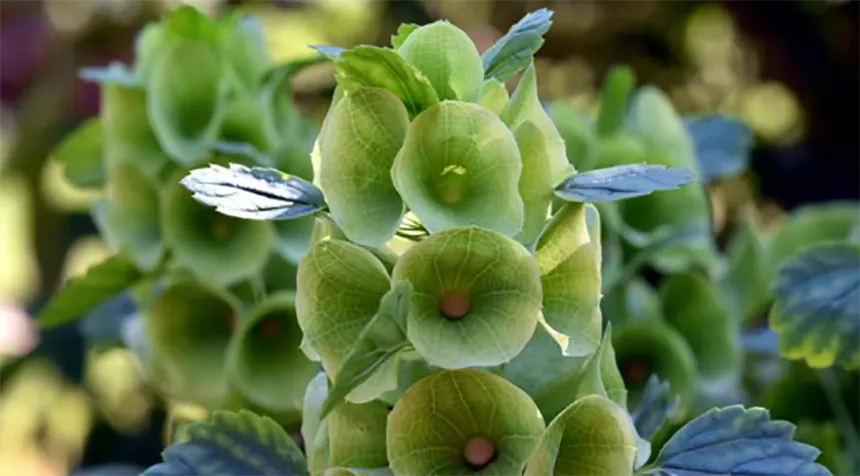
The Bells of Ireland flowers have square stems that bear tiny, sharp prickles, paired with rounded to triangular, almost pale-green leaves. An erect, upright branch of this plant grows about 60 to 90 cm tall with a spread of about 30 to 45 cm. These annual green plants have rounded or kidney-shaped stem leaves, and they thrive in a cool or temperate climate. Bells of Ireland flowers prefer full sun and well-drained, sandy and loamy soil with a neutral to slightly acidic pH. According to the University of Missouri, these flowers grow from July till September.
They are generally resistant to major pests, deer, and rabbits and are widely used by florists, as they last about 7 to 10 days in water. Shellflowers were studied in modern pharmacognosy for potential antibacterial and anti-inflammatory properties. They are not toxic to cats and dogs.
| Botanical Features | Details |
| Kingdom | Plantae |
| Clade | Tracheophytes |
| Clade | Angiosperms |
| Clade | Eudicots |
| Clade | Asterids |
| Order | Lamiales |
| Family | Lamiaceae (Mint Family) |
| Genus | Moluccella |
| Species | Moluccella laevis L. |
| Hardiness Zone | 2-11 USDA |
| Bloom Time | Summer/Fall |
Meaning and Historical Background of Bells of Ireland Flower
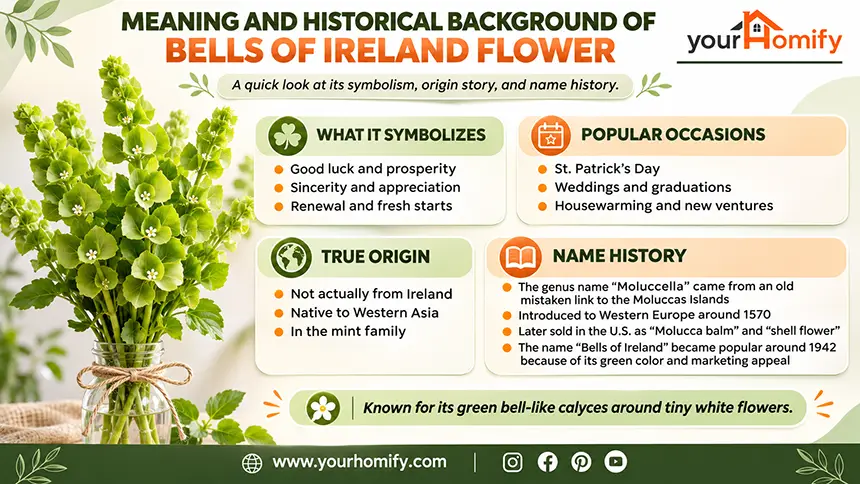
The Bells of Ireland flowers are widely recognized as a symbol of good luck, prosperity, and good fortune from the time of Victorian floristry. In various floral traditions, it also represents sincerity, appreciation, and renewal. Due to its association with good luck and its vibrant green color, this flower is a classic for St. Patrick’s Day, weddings, graduations, new business ventures, and as housewarming gifts.
According to North Carolina State University, in 1973, Carl Linnaeus misattributed its origin and named this genus Moluccella under the false belief that it originated in the Moluccas Islands, or the Spice Islands, in Indonesia, when it is actually native to western Asian countries such as Turkey, Syria, Lebanon, and the Caucasus region. In these regions, the plant has been valued for its botanical and aromatic properties within the mint family. The plant was brought to Western Europe around 1570 and initially cultivated in places like Belgium and valued for its use in early perfumery and in gardens as a regular plant.
This plant was marketed in the United States during the late 19th and early 20th centuries under names like “Molucca balm” and “shell flower.” It finally got the name “Bells of Ireland” around 1942, when seed companies like Bodgers and Vaughan listed it under moniker-driven names largely driven by its green color as a marketing appeal.
How to Grow Bells of Ireland Flower?
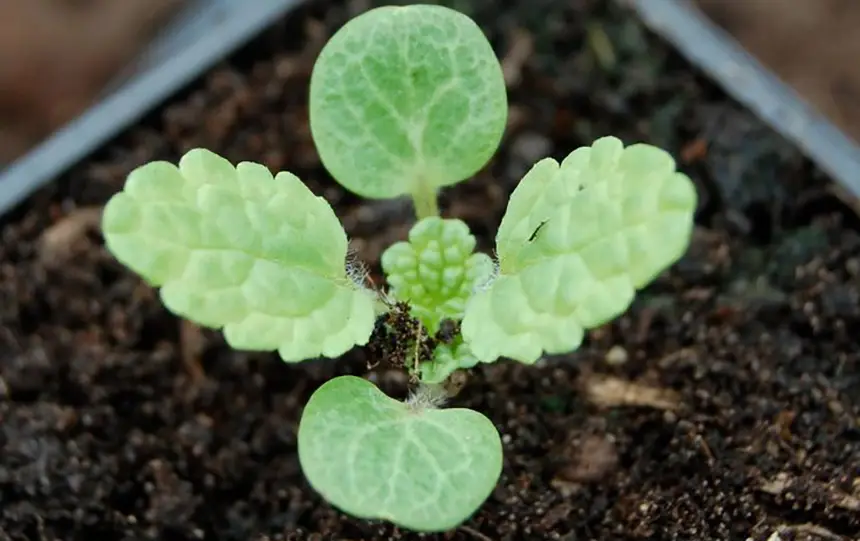
Bells of Ireland flowers can be grown through two methods: seeds and transplantation. The former method of using seeds to grow these flowers requires acclimating the seeds to cold temperatures, sowing them, and managing their germination conditions. The latter method begins with similar steps after the seeds are put into a deep tray, and then they are managed outdoors.
I was able to grow these flowers using the aforementioned steps, so let me explain them to you in detail.
1. Planting through Seeds
To plant shellflowers from seed, prepare the soil first, chill the seeds, and sow them. Thereafter, press the seeds gently and water them properly. Keep a watch on the environmental conditions, especially around the germination period, to get the best results.
Step 1: Prepare the Soil
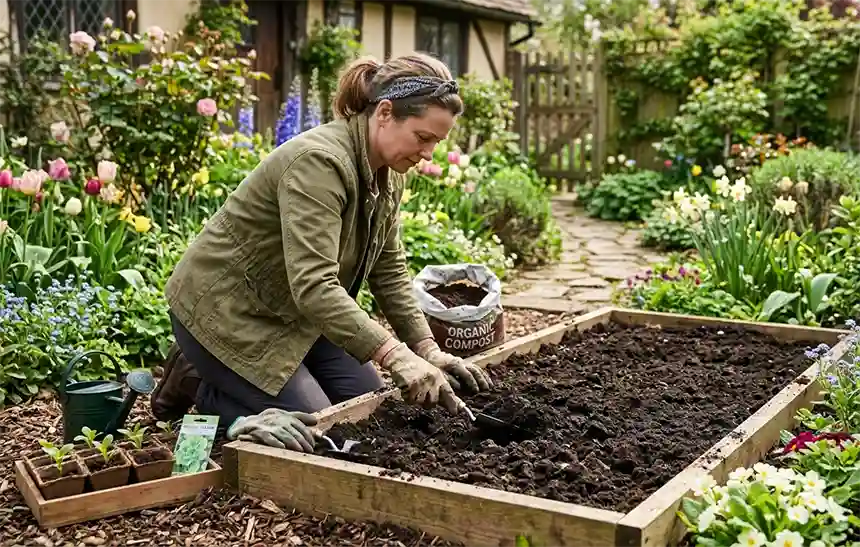
The soil should be a moist, well-draining seed-starting mix or loamy.
Step 2: Chilling the Seeds
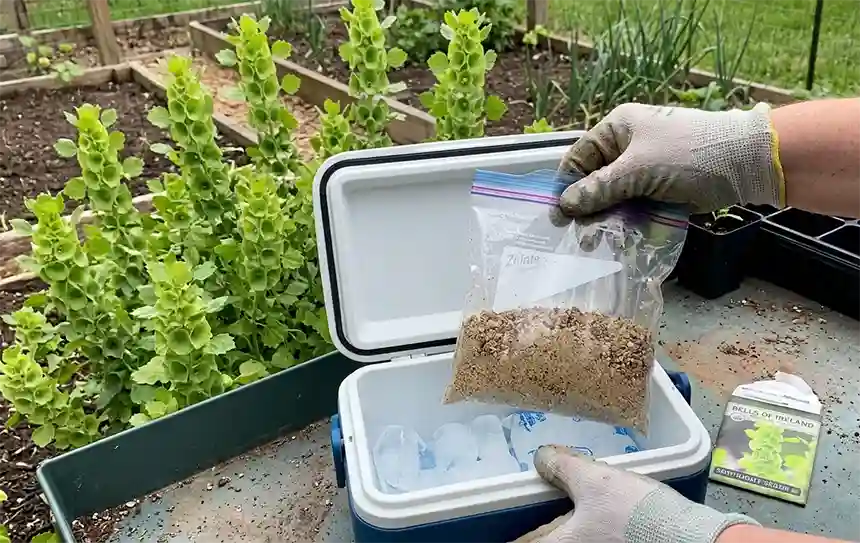
Place your seed packet into the refrigerator or freezer for about 1-2 weeks to break seed dormancy and mimic cool weather conditions. You can also pre-sprout them by placing the chilled seeds on a damp paper towel inside a sealed plastic bag or container.
Step 3: Sowing the Seeds
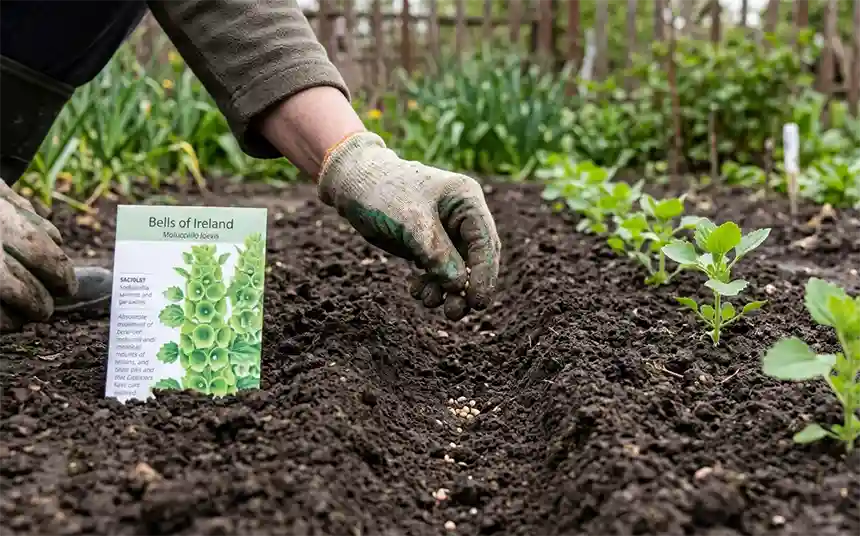
Sow the seeds directly into the garden bed, terrace pot, or grow bag.
Step 4: Press the Seeds Lightly into the Surface
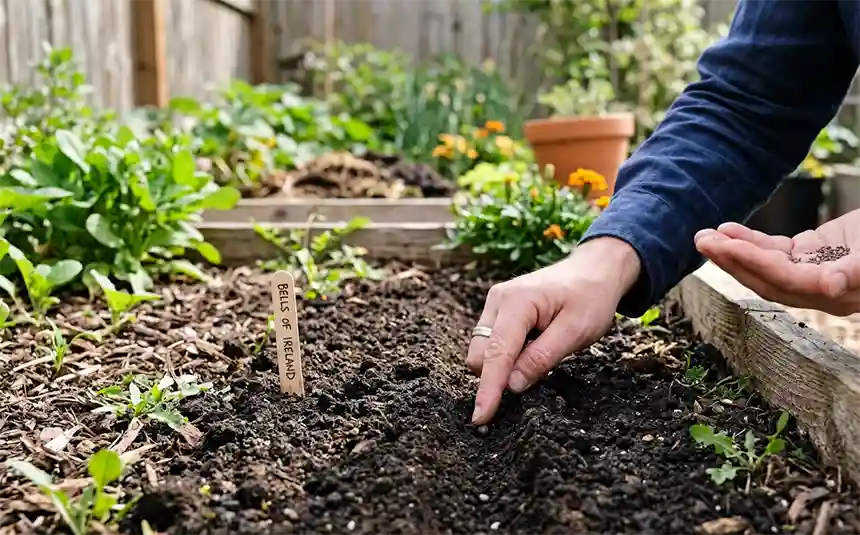
Do not bury the seeds deeply, as bells of Ireland flowers need light to germinate. Press them gently onto the moist surface. If pressed, use a thin layer of fine soil or vermiculite.
Step 5: Water Them Gently
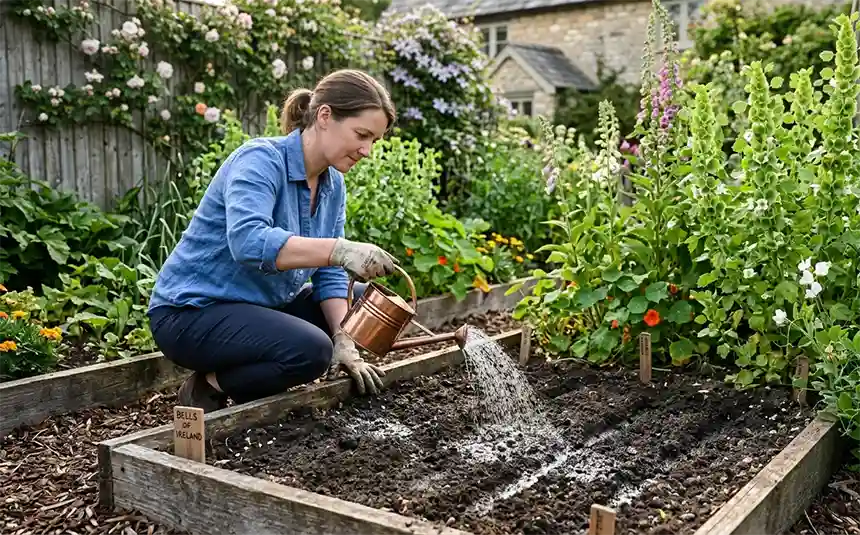
Mist the seeds gently with water so they do not get washed away. Ensure that the soil is never waterlogged.
Step 6: Managing Germination Conditions
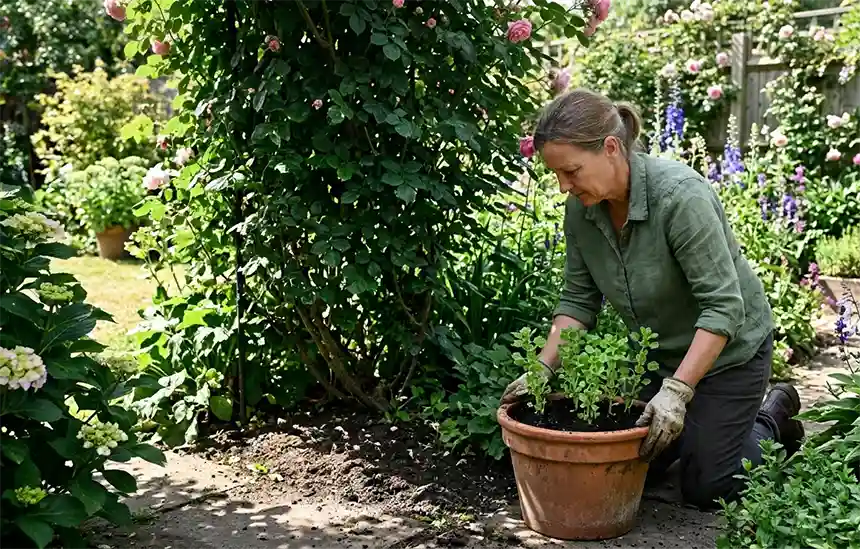
The process of germination takes about 12 to 28 days, and it is crucial to maintain a cool to moderate temperature between 60 and 68℉.
2. Transplanting
To grow these flowers through transplantation, plant the seeds into the trays, maintain moderate temperatures by placing them in a cool and well-lit spot, and then transplant them outside in a good location with proper spacing.
Step 1: Plant the Seeds into Deep Trays
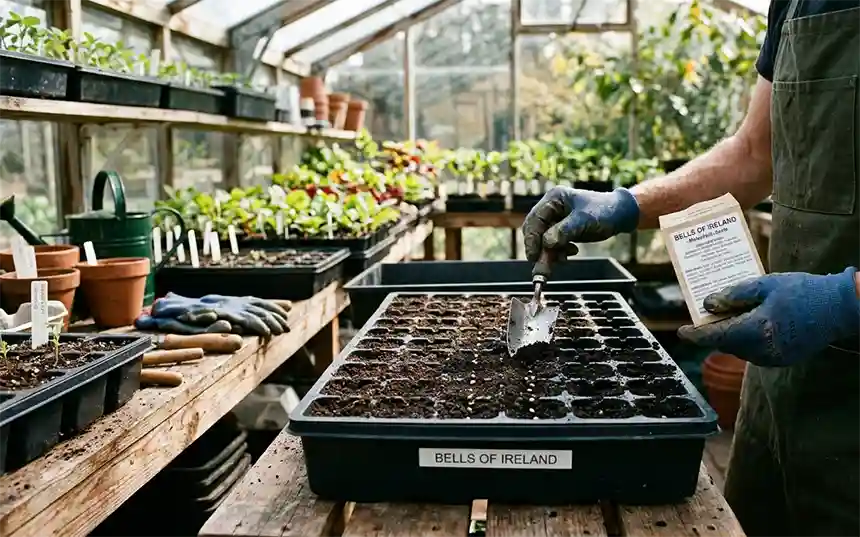
Sow the seeds into pots, pellets, or multi-cell trays, and avoid using shallow ones because bells of Ireland have a fragile taproot that does not perform well when disturbed.
Step 2: Maintain a Moist Environment

Keep the soil consistently moist at moderate temperatures between 55 and 65℉.
Step 3: Place Them in a Cool and Bright Place
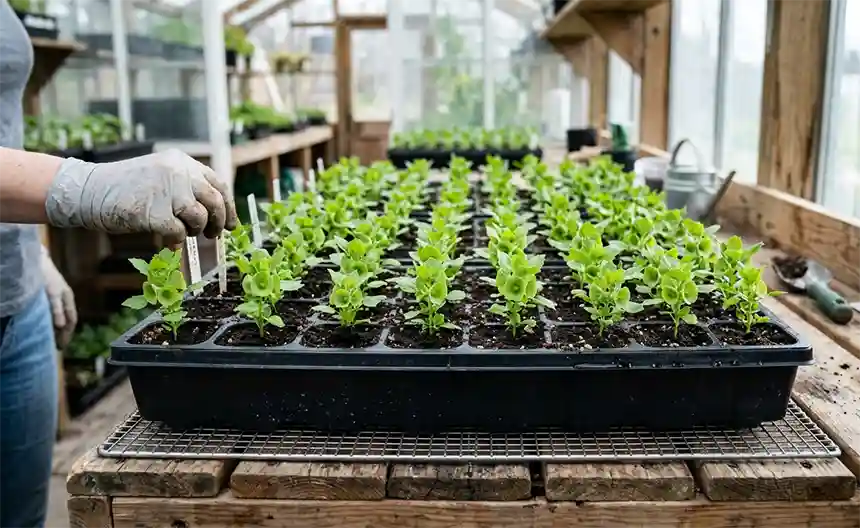
Place the seedlings under bright lights or near a cool and sunny window once they have sprouted.
Step 4: Transplanting Outdoors
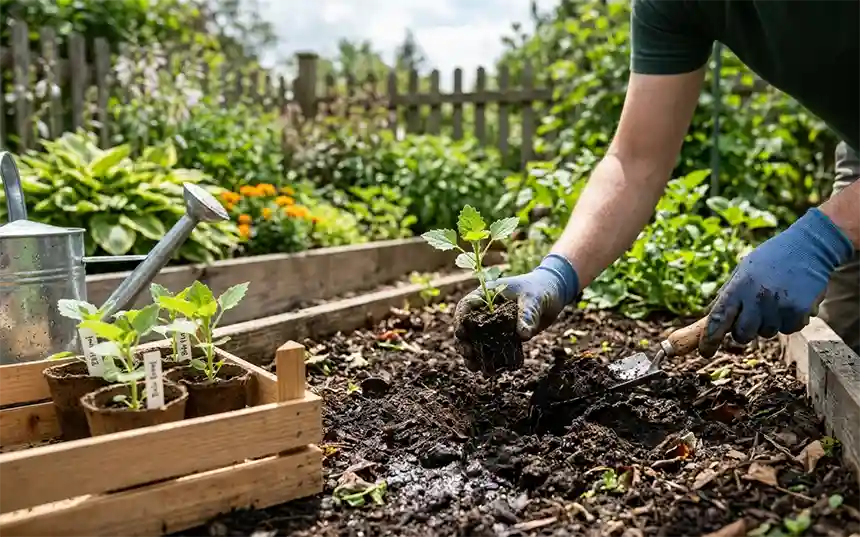
It is suggested to transplant outdoors during late spring, after the last frost, and when the seedlings have developed 2-3 sets of leaves.
Step 5: Location and Spacing
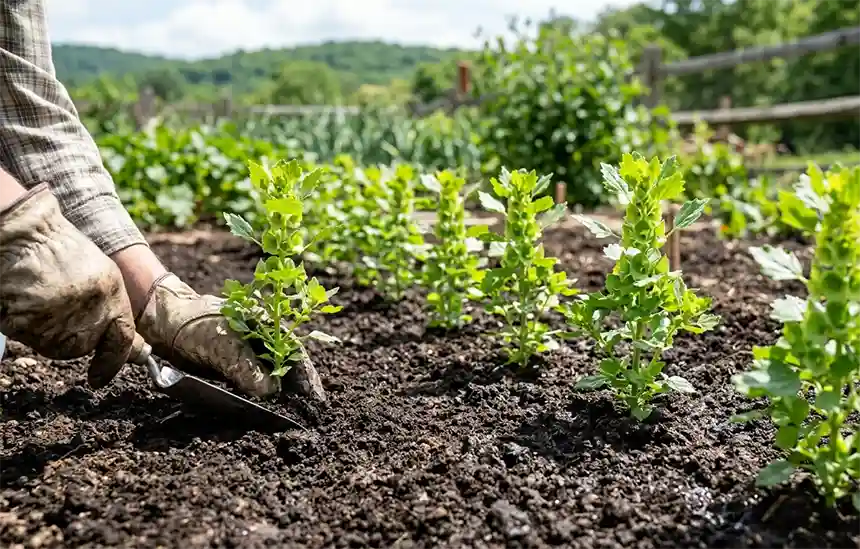
Pick a spot in full sun with rich, loose, well-draining soil. Space the plants 12-18 inches apart for proper growth.
Ideal Growing Conditions for Bells of Ireland Flower
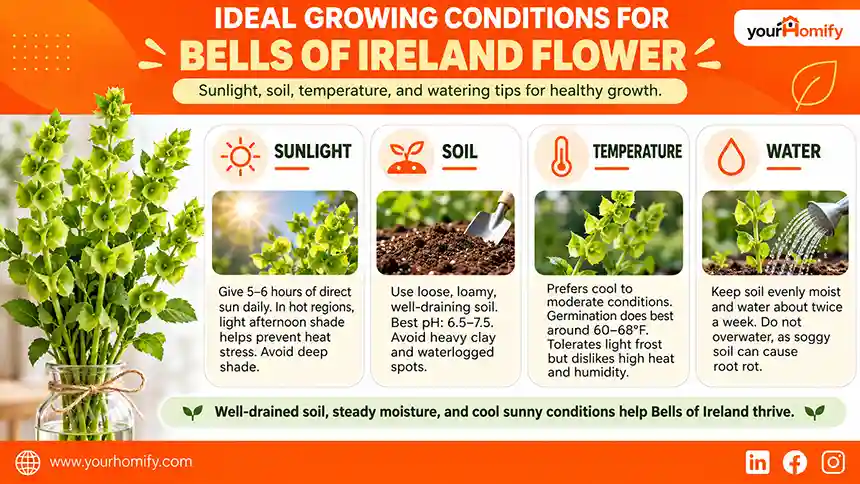
To grow Bells of Ireland flowers, it is important to keep factors like sunlight, soil, temperature, water, and fertilizers in mind. These are some of the basic requirements that might seem like a small deal but actually affect the plant more seriously than people realize.
Let me tell you the exact details to keep in mind regarding these components.
- Sunlight: Bells of Ireland require full sun, so provide 5 to 6 hours of direct sunlight daily for strong, upright stems and abundant calyxes. Put them in partial shade or in a lightly shaded area if the weather is too hot or in warm regions, since it helps protect the plant from heat stress and prevents premature wilting or decline. Avoid deeply shaded areas because too little light causes the plants to become tall, weak, and poorly branched.
- Soil: According to RHS, these flowers prefer loose, loamy, and porous soil, which helps ensure good root health. The suggested pH level is neutral to slightly alkaline, ranging from 6.5 to 7.5. This type of soil also helps with sharp drainage because standing water or wet soil causes root rot, crown rot, and fungal diseases. Avoid heavy clay or waterlogged areas.
- Temperature: Bells of Ireland flowers cannot tolerate high heat and humidity, as it causes the plants to die off early. Since they are considered half-hardy annuals, they can tolerate a light frost. The ideal temperature for seed germination is between 60℉ and 68℉, and for the daytime, the temperature should be somewhere between cool and moderate, so generally between 80℉ and 86℉.
- Water: The plant should be watered twice a week for proper growth and to maintain good moisture levels in the soil, and it is suggested to avoid overwatering, as it can lead to root rot. These flowers require consistently moist soil, so pay special attention during dry spells, specifically during the growing and blooming period.
Care and Maintenance Tips for Bells of Ireland Flowers
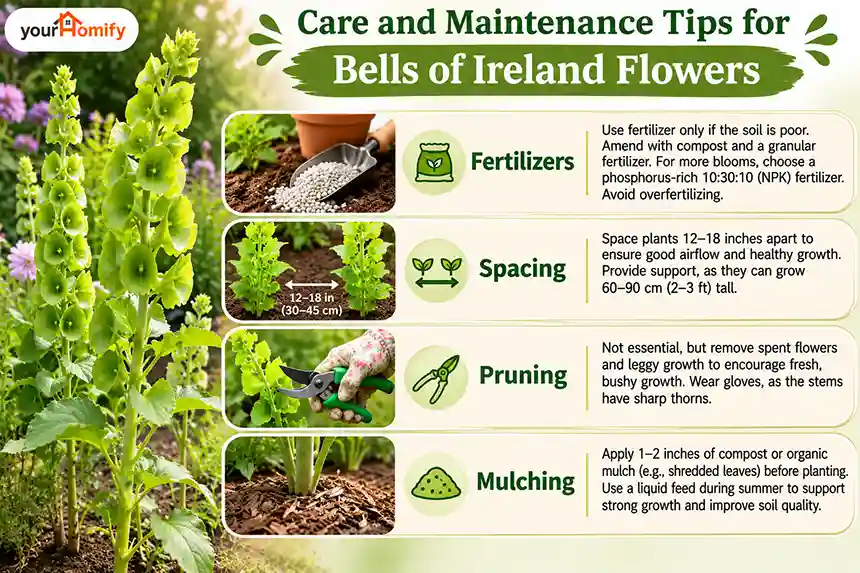
Some of the care and maintenance tips that I have used for my bells of Ireland flowers include taking care of spacing between the plants, pruning, mulching, and fertilization. These are some of my favorite hacks to follow in order to get the best blooms, so let me tell you exactly how I maintain my flowers.
- Fertilizers: Bells of Ireland flowers need fertilizers only if they are growing in very poor soil. Amending the bed with compost and adding a granular fertilizer is usually enough in such cases. If you wish for more blooms, add a phosphorus-rich fertilizer with a 10:30:10 NPK ratio. Avoid overfertilization, as it can lead to yellowing leaves, wilted foliage, and underdeveloped blooms.
- Spacing: Space Bells of Ireland flowers 12-18 inches apart. Since this is also the size of their spread, at least 12 inches of space is crucial so that there is no restricted airflow and therefore no chance of stunted growth for the plant. Support will be necessary as the plants can grow up to 60 to 90 cm tall.
- Pruning: Pruning is not essential, but it is good to regularly get rid of spent flowers or leggy growth in order to encourage fresh growth and bushy foliage. It is mostly required when you put the flowers in a vase, so be sure to put on gloves so that there is no risk of injury while dealing with the sharp thorns on the stems.
- Mulching: Mulch the soil with 1-2 inches of compost before planting. Drench the plants with liquid feed in the summer season to support strong growth. Alternatively, you can add an organic mulch of shredded leaves to the bed, as it also allows a natural look and improves the quality of the soil.
Common Pests and Diseases in Bells of Ireland Flowers
Some of the pests and diseases that I witnessed attacking my plants are aphids, Botrytis (Gray Mold), spider mites, Cercospora Leaf Spot, thrips, and fungus gnats. Here are some of the common symptoms I noticed and how I dealt with them:
| Pests/Diseases | Signs and Symptoms | Treatment |
1. Aphids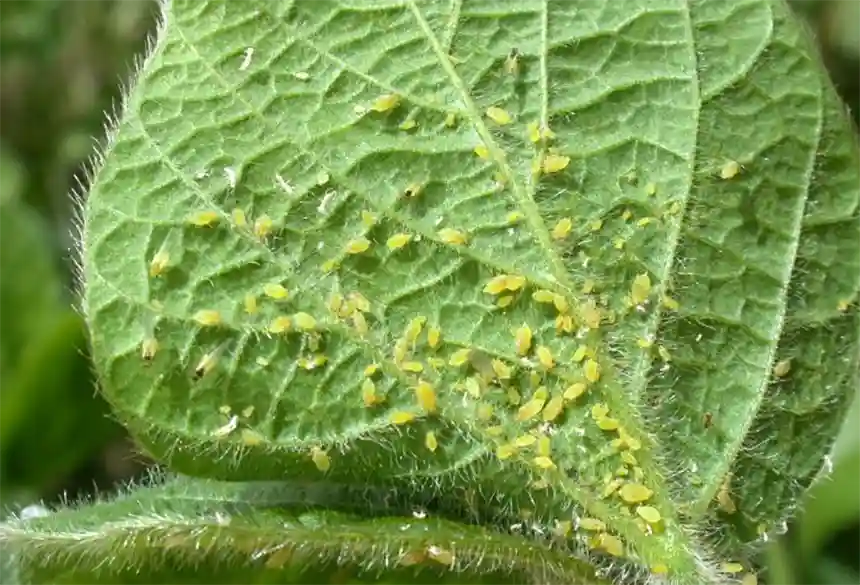 | Clusters of green insects on stem tips and inside the calyces. Heavy infestation causes chlorosis and stunted growth. Sticky honeydew on the plant that leads to an ant infestation, giving way to sooty mold and distorted growth. | Apply insecticidal soap or neem oil. Dislodge the aphids with water, targeting all the areas covered by them. |
2. Botrytis (Gray Mold)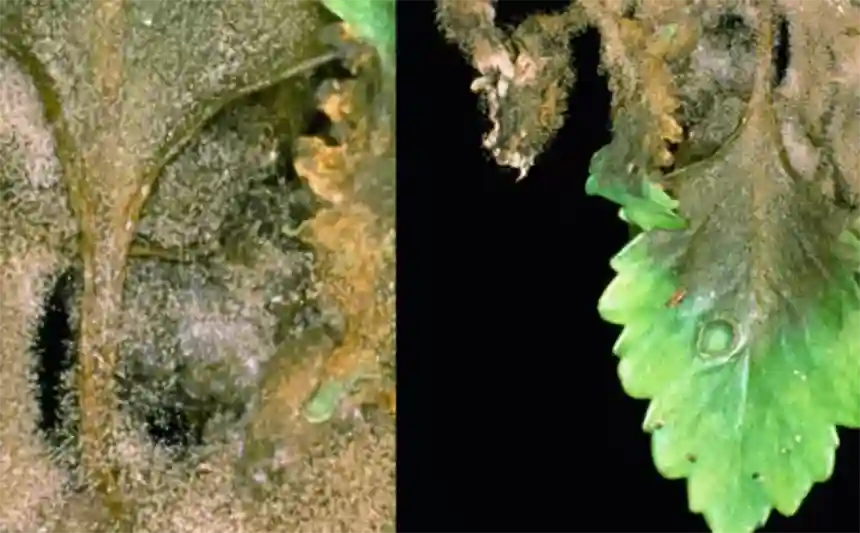 | Caused by the fungus Botrytis cinerea, infected plants turn brown or yellow, with damp-looking flowers. Tiny gray-brown spots appear on the leaves, stems, and petals, and they enlarge over time. Wilting and drooping of the plant, along with a gray, fuzzy mold on flowers. | Use fungicide sprays in cases of severe infection. Remove infected and dead plant materials and practice crop rotation to prevent the buildup of fungal spores in the soil. |
3. Spider Mites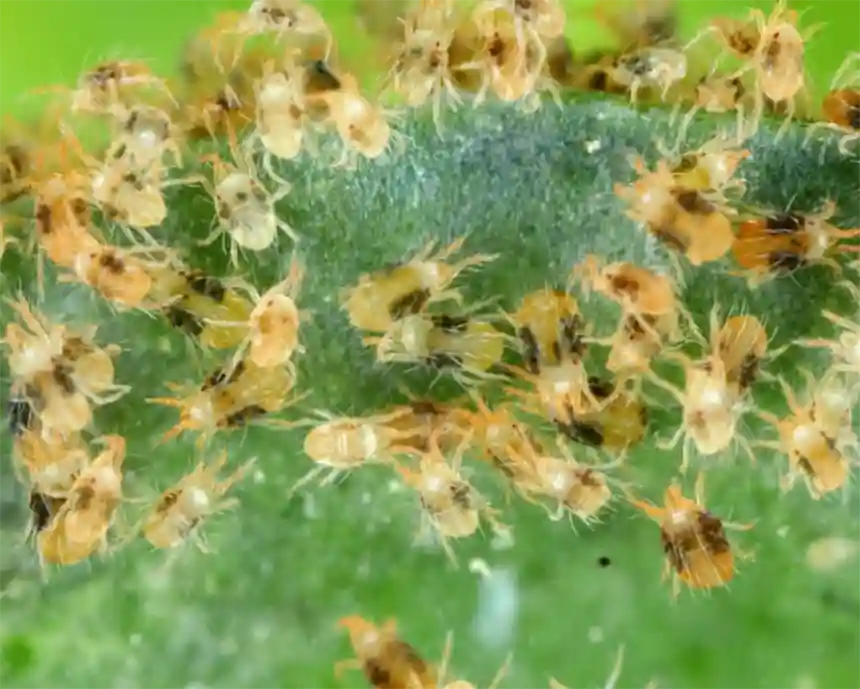 | Webs on infested plants that result in chlorosis and desiccation. | Use insecticidal soaps. Targeted water spraying on the infested parts of the plant. |
4. Cercospora Leaf Spot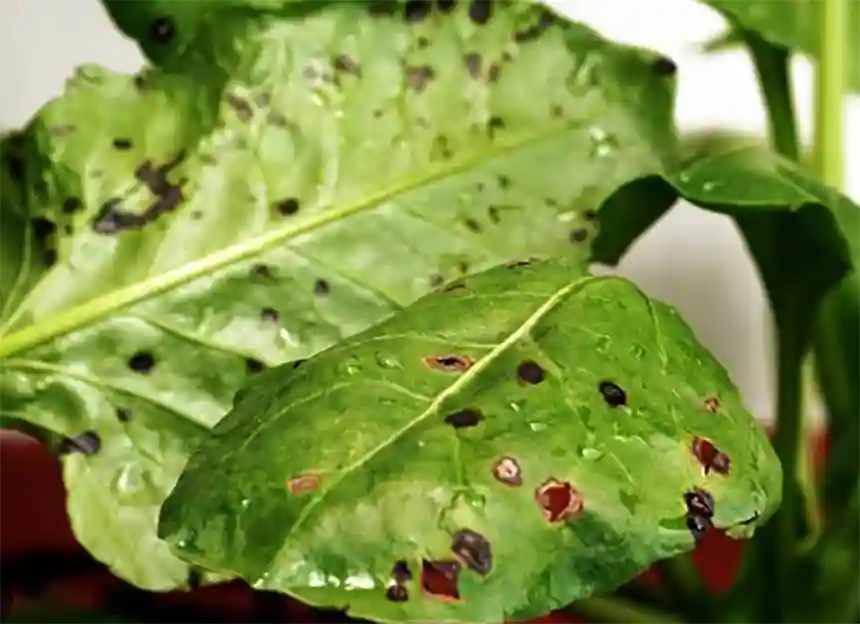 | Small, brown spots on leaves that grow over time into concentric rings. The foliage weakens and dies down eventually in cases of severe infections. | Apply a copper-based fungicide. Remove and discard the infected leaves. |
5. Thrips and Fungus Gnats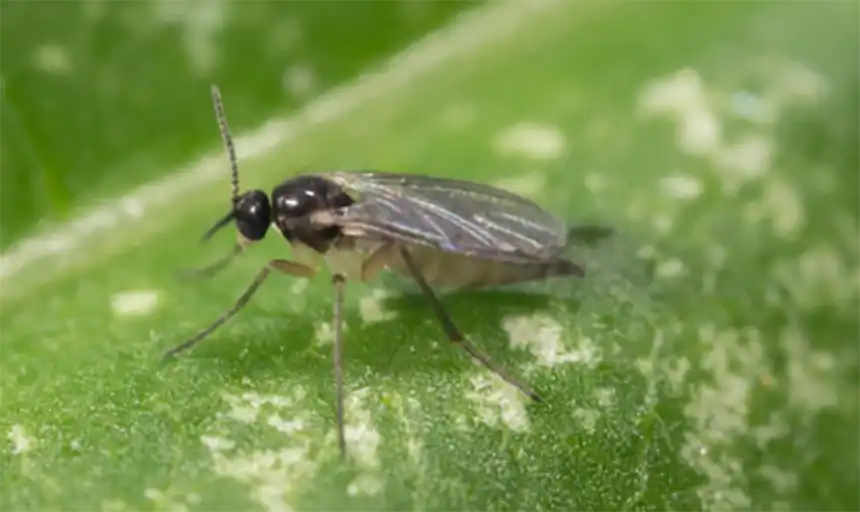 | Stunted growth, reduced yields, and deformed flowers/fruits. Silver streaks on leaves and flowers, along with discoloration of leaves. | Use insecticides to control the infestation. Plant insect-repelling plants such as garlic, basil, catnip, and chives. |
Using Bells of Ireland in Bouquets and Arrangements
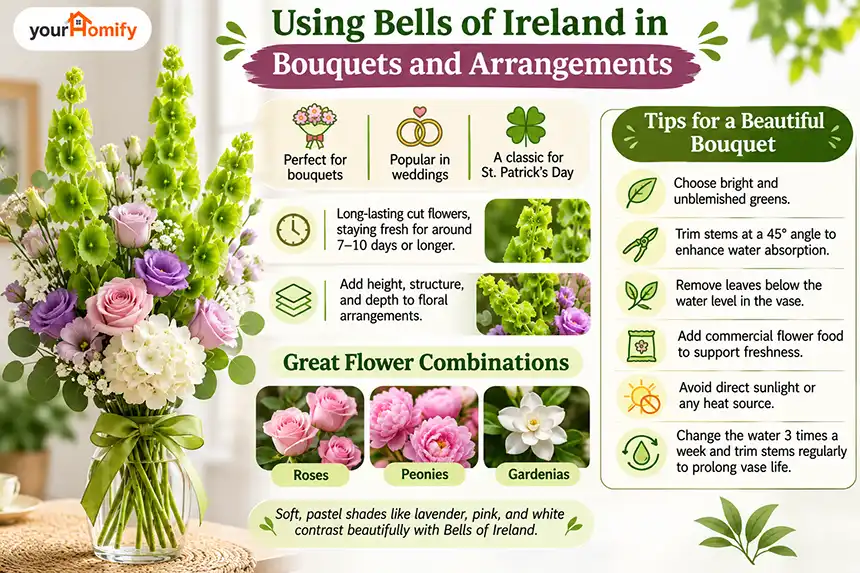
Bells of Ireland are one of the longest-lasting cut green flowers, lasting around 7-10 days or longer. They can be paired with a number of other flowers in a bouquet, usually used in weddings, housewarming arrangements, and St. Patrick’s Day. For bouquets and arrangements, these flowers act as a structural backbone around which flower arranging is done to add depth and contrast.
These flowers are added to floral displays due to their height and structure, their unique color complementing most flowers beautifully, and to create a lush garden-style look. Since the flowers are a symbol of luck and prosperity, this adds to the reasons for using bells of Ireland silk flowers and bell of Ireland artificial flowers in faux bouquets as well. These flowers add a touch of sophistication and a splash of vibrant green that complements both traditional and contemporary arrangements.
Soft, pastel colors like lavender, pink, and white contrast beautifully against these flowers. Therefore, roses, peonies, and gardenias are great options to create a beautiful arrangement as a beginner. Use them sparingly in minimalist arrangements to create a statement, modern, and elegant look that highlights the shape and flower colors.
Here are some of the common things to keep in mind while creating a bouquet by yourself using Bells of Ireland flowers:
- Look for bright and unblemished greens
- Trim the stems at a 45° angle to enhance water absorption
- Remove leaves sitting below the water level in the vase.
- Add commercial flower food to help the plant grow.
- Avoid placing them under direct sunlight or near any heat source.
- Change the water 3 times a week and practice trimming the plant regularly to prolong its vase life.
Final Thoughts
Bells of Ireland flowers are captivating flowers that look exquisite in floral arrangements such as bridal bouquets, centerpieces on a table, and art installations. These flowers are highly adaptable in floral designs while elevating the look due to their bell-shaped blooms that reflect longevity and luck.
These flowers are easy to grow and take care of with proper nutrients and the right environment. Use them to add a natural touch to your home or workplace to enjoy freshness and beauty.
FAQs
What is the symbolic meaning of the Bells Ireland Flowers?
These flowers primarily symbolize good luck, fortune, renewal, rebirth, gratitude, and hope. Due to these auspicious symbolic meanings, they are often used to celebrate weddings, milestones, and even on St. Patrick’s Day.
Are Bells of Ireland flowers difficult to grow?
Bells of Ireland flowers are tough to start from seed, but they are relatively easy to grow and take off once they are established. This is because they require a cold temperature and light to germinate, which in itself is a slow process.
Do these flowers come back every year?
No, they do not come back every year as perennials, as they are a hardy annual type. They act as perennials only in warm climates.
Are Bells of Ireland an annual or a perennial plant?
Shellflowers are commonly considered hardy annuals. They are a cool-season annual in most regions. The original plant dies off when summer heat gets to it or at the end of the growing season.
How tall do these flowers grow?
These flowers generally grow 2-3 feet tall, and since the flower part of the plant is heavy, the stem tends to snap or flop during bad weather conditions. This is why they require plant support or flower netting.
- Moluccella laevis (Bells of Ireland, Lady-in-the-Bathtub, Molucca Balm, Shell Flowers) – North Carolina State University
- Moluccella laevis | Bells of Ireland – RHS
- Ring in St. Patrick’s Day with Bells of Ireland – University of Missouri