I have always enjoyed growing varieties of flowers for my garden, both indoors and outdoors, and flowers that start with M offer a comprehensive list of unique blooms that make your garden glow like never before.
From bright upright shrubs like magnolia to cascading vines like mandevilla, this list of flowers offers variety, style, and comfort.
Come along and explore these versatile blooms for the coming spring with their growth habits, unique features, and interesting insights, and elevate your outdoor space.
Quick answer
The flowers that start with M are morning glory, marigold, moss rose, Moluccella laevis, marguerite daisy, marvel of Peru, melampodium, Matucana, monarda, and many more.
List of 25 Flowers That Start With M
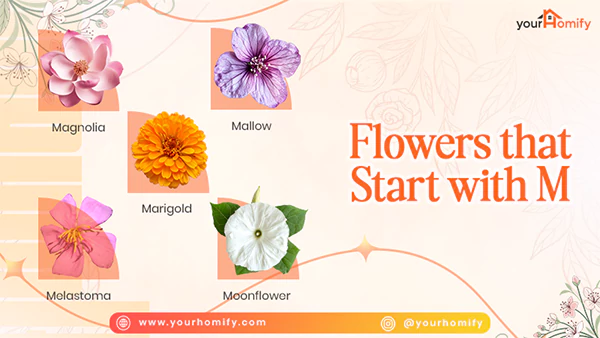
Flowers that start with M are morning glory, marigold, moss rose, marvel of peru, mums, monarda, moonflower, and many more that can be planted with flowers that start with D or can be used in flower arrangements.
Take a look at the list of 25 flowers that start with M:
Here Is A List Of Flowers That Start With M
- Morning Glory
- Marigold
- Moss Rose
- Moluccella laevis
- Marguerite Daisy
- Marvel of Peru
- Melampodium
- Matucana
- Monarda
- Mums
- Magnolia
- Mahonia
- Mandevilla
- Mina-Lobata
- Meadow Bistort
- Mexican Sunflower
- Moonflower
- Motherwort
- Moonrise Peony
- Mallow
- Middlemist Red Camellia
- Mimosa Pudica
- Maranta Leuconeura
- Monkey Face Orchid
- Monotropa uniflora
10 Annual Flowers That Start With M: A Colourful Growing Season
Annual flowers are a one-time show and need to be replanted every year in spring.
Take a look at the 10 annual flowers that start with M:
Morning Glory
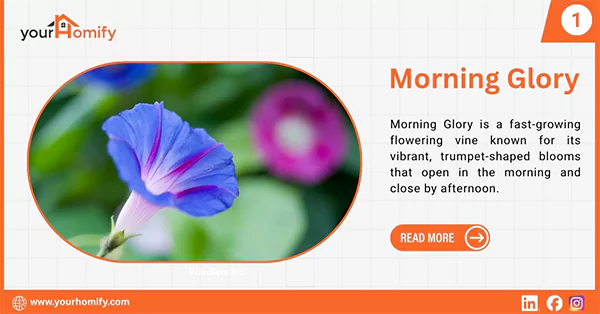
Along with the Aster flowers, morning glory flowers are the September birth flowers. The trumpet-shaped flowers and heart-shaped leaves are a typical gardener’s delight that open in the morning and close by afternoon, giving justice to its name.
| Botanical name | Ipomoea purpurea |
| Native Area | Central America, South America, and Mexico |
| Hardiness | USDA zones 9-11 |
| Temperature | 15-30°C |
| Plant Type | Herbaceous vine |
| Care Guide |
|
Marigold
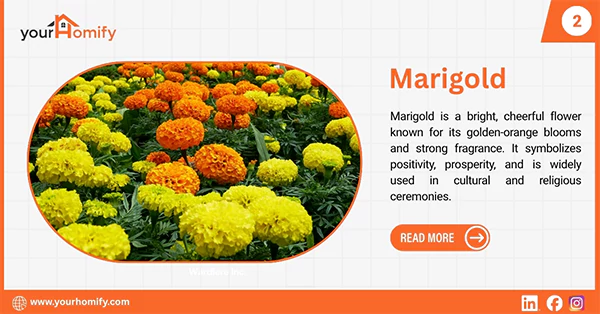
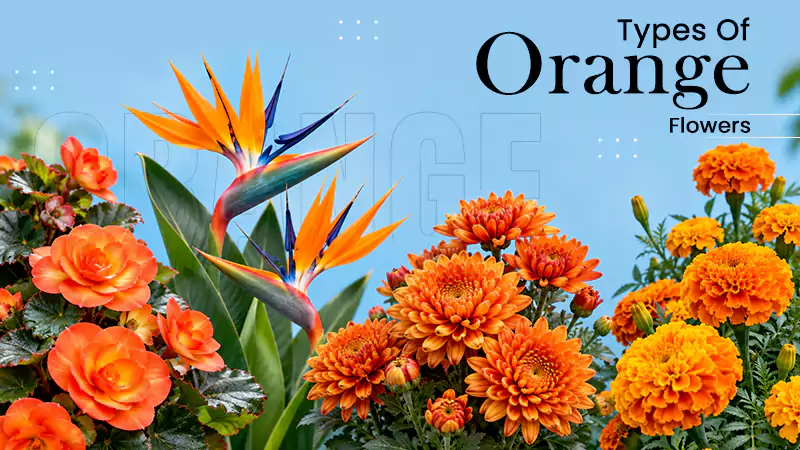
Marigolds are the primary October birth flower, which is a flowering genus in the Asteraceae family. Producing flowers in yellow and orange colors, this herbaceous plant is renowned for being used in auspicious festivities in India.
One of the best pest-repellant plants, the fragrance of these orange flowers naturally repels pests, making care easier.
| Botanical name | Tagetes spp. |
| Native Area | Central and South America |
| Hardiness | USDA zones 2-11 |
| Temperature | 15-24°C |
| Plant Type | Herbaceous |
| Care Guide |
|
Moss Rose
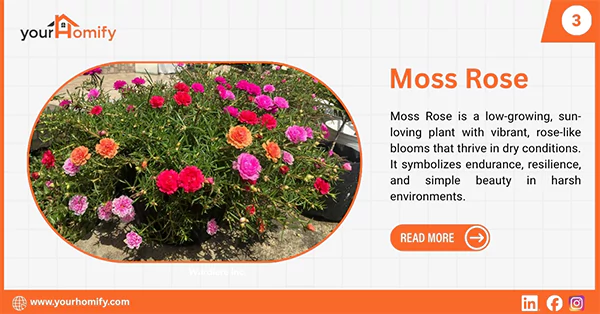
The true rose, which is the June birth flower, is in no way related to the moss rose. Their similar-looking blooms can create confusion, but the latter is a semi-succulent plant that blooms in the colors pink, red, yellow, and orange.
| Botanical name | Portulaca grandiflora |
| Native Area | America |
| Hardiness | USDA zones 2-11 |
| Temperature | 18-35°C |
| Plant Type | Herbaceous ground cover |
| Care Guide |
|
Moluccella laevis
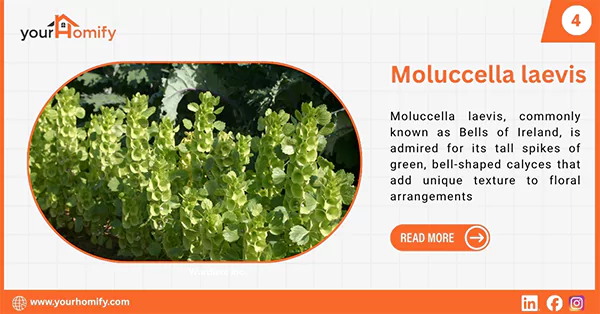
Commonly known as the bell of Ireland, Moluccella is an herbaceous annual plant that is ideal for vertical gardening, featuring green cup-shaped calyces and gorgeous white flowers.
Did you know?
The Bell of Ireland is associated with the symbol of good luck.
| Botanical name | Moluccella laevis |
| Native Area | Turkey, Western Asia, and Syria |
| Hardiness | USDA zones 2-11 |
| Temperature | 15-26°C |
| Plant Type | Herbaceous annual |
| Care Guide |
|
Marguerite Daisy
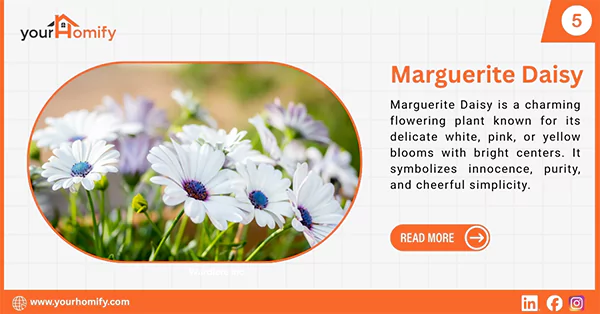
The marguerite daisy is a short-lived perennial grown as an annual in colder climates. These daisy-like blooms are associated with the idea of beauty and love and are used in flower arrangements due to their elegant foliage.
| Botanical name | Argyranthemum frutescens |
| Native Area | Spain |
| Hardiness | USDA zones 4-11 |
| Temperature | 18-24°C |
| Plant Type | Herbaceous annual |
| Care Guide |
|
Marvel of Peru
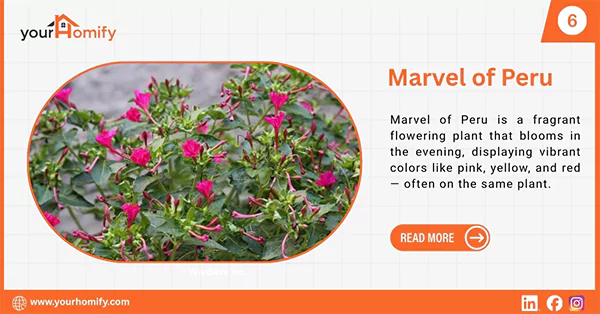
A scientist named Joseph Pitton de Tournefort called the marvel of Peru “the beauty of the night.”This is because their herbaceous flowers bloom in the late afternoon or evening and close in the morning.
Their sweet fragrance fills the garden at night, creating a serene environment.
| Botanical name | Mirabilis jalapa |
| Native Area | Tropical South America |
| Hardiness | USDA zones 9-11 |
| Temperature | 18°C |
| Plant Type | Herbaceous annual (in colder climates) |
| Care Guide |
|
Melampodium
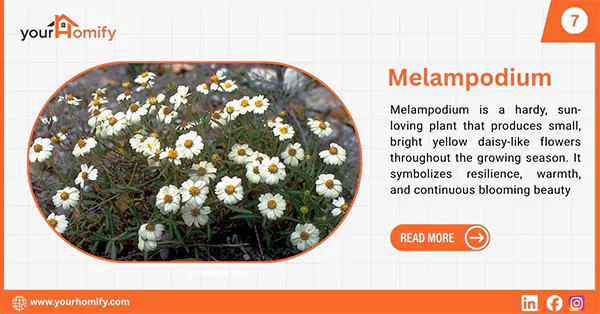
Commonly known as the butter daisy, melampodium is a herbaceous, low-growing plant from the daisy family, like the zinnias. With small daisy-like flowers in the colors white and yellow, this flower is perfect as an indoor plant or ground cover.
| Botanical name | Melampodium divaricatum |
| Native Area | America |
| Hardiness | USDA zones 8a-11b |
| Temperature | 18-29°C |
| Plant Type | Herbaceous annual |
| Care Guide |
|
Matucana
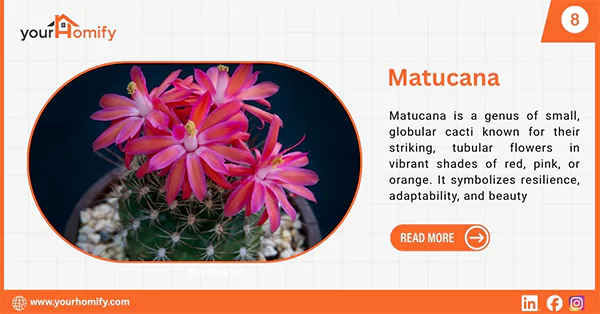
Joining the list of unique types of cactus is Matucana. This cactus genus features the Peruvian cactus, which grows beautiful pink and red flowers.
Do not confuse the Lophophora cactus with Matucana, as growing the former plant is illegal, as stated by the United Plant Savers organization.
| Botanical name | Matucana |
| Native Area | Peru |
| Hardiness | USDA zones 9a-11b |
| Temperature | 8-10°C |
| Plant Type | Succulent annual |
| Care Guide |
|
Monarda
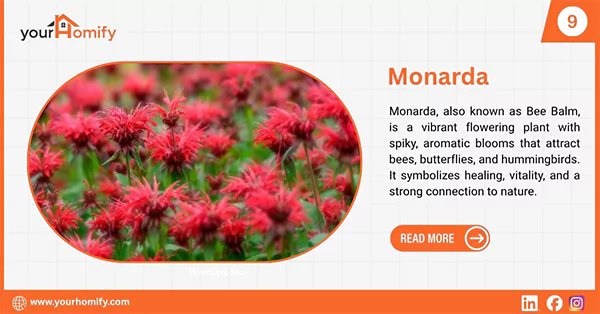
Featuring pom-pom-like flowers, monarda is a summer flower that grows up to 4 feet and is a popular choice for garden borders. The red, pink, and white flowers with a citrusy scent are a sight to behold.
Gardener’s Tip
Pair them with coneflowers and black-eyed Susans for the best contrast.
| Botanical name | Monarda spp. |
| Native Area | North America |
| Hardiness | USDA zones 4-9 |
| Temperature | 13-20°C |
| Plant Type | Herbaceous |
| Care Guide |
|
Mums
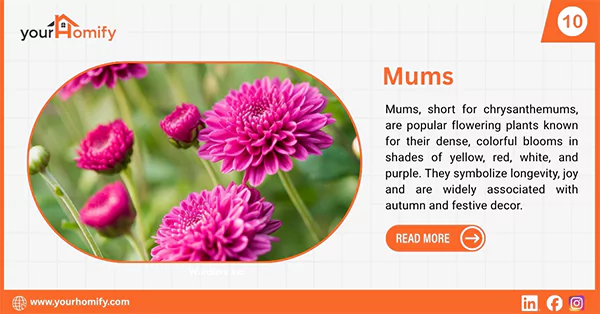
Chrysanthemums are the right choice for flowers in corsages, as their round, pom-pom-like flowers have been used in flower arrangements for weddings for a long time.
Florist mums are treated as annuals because they cannot survive winters.
| Botanical name | Chrysanthemum spp. |
| Native Area | Asia and Northeast Europe |
| Hardiness | USDA zones 5-9 |
| Temperature | 13-21°C |
| Plant Type | Herbaceous annual |
| Care Guide |
|
10 Perennial Flowers That Start With a M: One-Time Investment
Perennial flowers are gardeners’ favorites, as they die back in the fall and come back on their own in the winter, which requires minimal effort.
Here are 10 perennial flowers that start with the letter M:
Magnolia
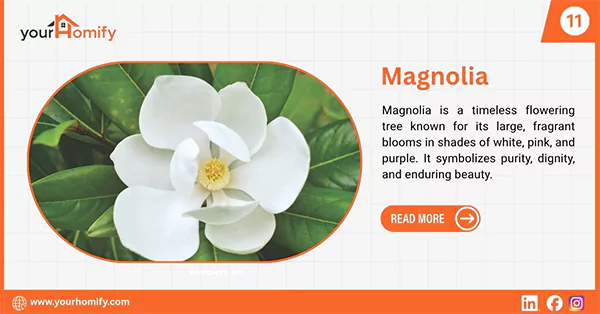
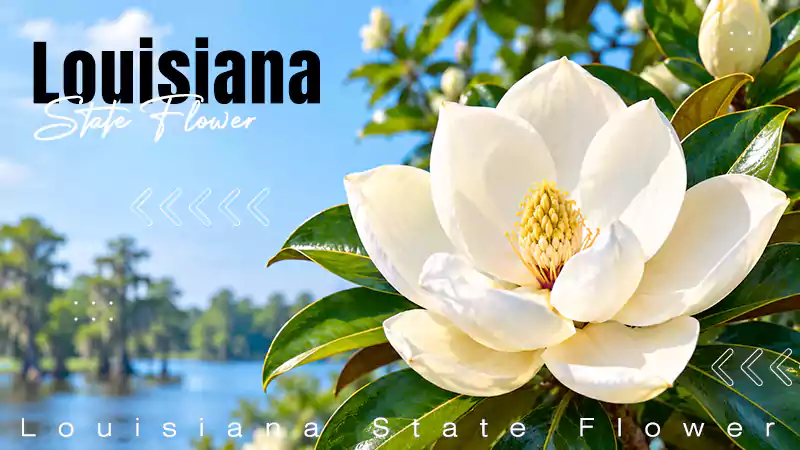
Magnolia is a genus consisting of flowering deciduous trees that produce white and pink cup-shaped flowers, which essentially do not have petals or sepals.
Along with being a pest and deer-resistant flower, these perennial flowers are believed to have existed for more than 100 years and can grow up to 120 feet tall.
| Botanical name | Magnolia |
| Native Area | Asia and North America |
| Hardiness | USDA zones 4-9 |
| Temperature | 15-24°C |
| Plant Type | Deciduous shrubs/small trees |
| Care Guide |
|
Mahonia
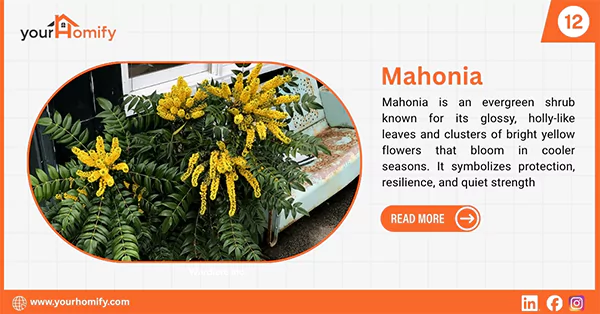
Mahonia is one of the best winter garden plants; while most of the flowers go dormant in winter, these yellow cup-shaped flowers fill the bleak corner of your garden perfectly. They are great pollinators, so the garden’s health is maintained throughout.
| Botanical name | Mahonia spp. |
| Native Area | North and Central America |
| Hardiness | USDA zones 5-9 |
| Temperature | 10-15°C |
| Plant Type | Evergreen Shrubs |
| Care Guide |
|
Mandevilla
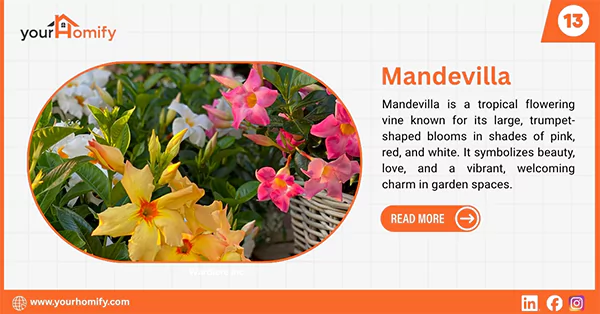
Botanically recognized as a flowering genus in the Apocynaceae family, growing the Mandevilla plant ensures a display of exotic trumpet-shaped flowers that can be added to the house decor as an indoor plant.
Mandevilla is a toxic plant; wear gloves while handling and keep it away from pets and children.
| Botanical name | Mandevilla spp. |
| Native Area | South America |
| Hardiness | USDA zones 9-11 |
| Temperature | 18-29°C |
| Plant Type | Evergreen vine |
| Care Guide |
|
Mina-Lobata
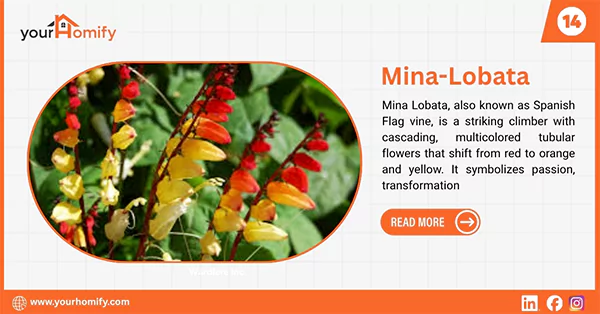
Rightly called the firecracker vine, the red and yellow flowers of the Mina lobata represent a fire-like effect. Part of the morning glory family, this climbing vine is not considered a cat-safe flower.
| Botanical name | Ipomoea lobata |
| Native Area | Mexico |
| Hardiness | USDA zones 9-11 |
| Temperature | 5°C |
| Plant Type | Herbaceous plant |
| Care Guide |
|
Meadow Bistort
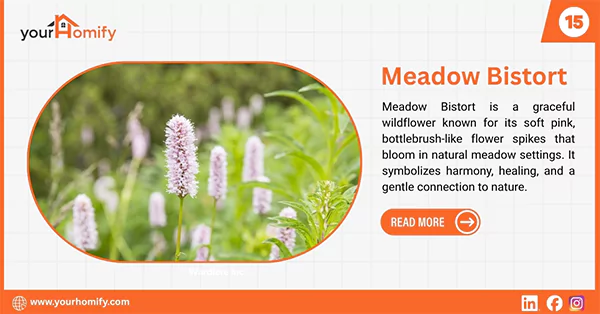
Meadow bistort is a typical ornamental flower with a brush-like appearance in pale pink and red, and it prefers wet soils in meadows; hence, the name perfectly aligns with its habitat.
| Botanical name | Bistorta officinalis |
| Native Area | Northern Europe, Siberia, and Asia |
| Hardiness | USDA zones 4-7 |
| Temperature | 25°C |
| Plant Type | Herbaceous perennial |
| Care Guide |
|
Mexican Sunflower
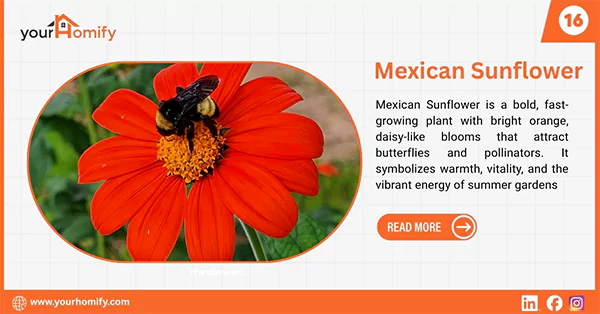
Native to Mexico, these daisy-like flowers, which are great at pollinating, resemble true sunflowers but are not. On the contrary, these herbaceous plants are drought-tolerant, unlike annual sunflowers.
| Botanical name | Tithonia diversifolia |
| Native Area | Central America |
| Hardiness | USDA zones 2-11 |
| Temperature | 21°C |
| Plant Type | Perennial shrub |
| Care Guide |
|
Moonflower
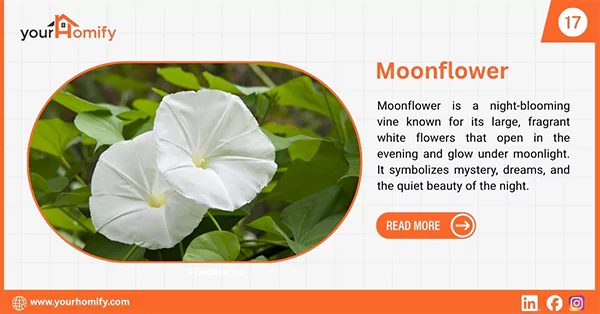
Also known as the night-blooming morning glory, the moonflower is a climbing vine featuring trumpet-shaped flowers that are toxic for both animals and humans.
Fun Fact
The moonflower is not related to the Datura inoxia, which also shares the same name. Inoxia is a toxic plant with similar white cup-shaped flowers, but it is a flowering shrub.
| Botanical name | Ipomoea alba |
| Native Area | America |
| Hardiness | USDA zones 10-12 |
| Temperature | 21-29°C |
| Plant Type | Flowering vine |
| Care Guide |
|
Motherwort
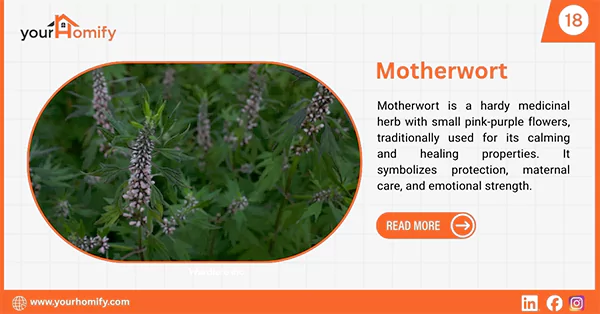
Motherwort flowers belong to the mint family, which features spike-like purple flowers that have a bitter scent. This plant has been historically used for its medicinal benefits.
Did you know?
According to the NCBI, Chinese motherwort has been used to treat many gynaecological disorders.
| Botanical name | Leonurus cardiaca |
| Native Area | Europe and Asia |
| Hardiness | USDA zones 4-8 |
| Temperature | 18-29°C |
| Plant Type | Herbaceous perennial |
| Care Guide |
|
Moonrise Peony
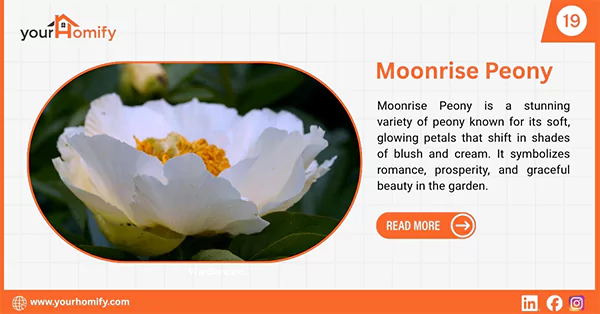
Related to the November birth flower, peony, the moonrise hybrid of the flower resembles a full glowing moon with a yellow center that looks exquisite when planted indoors.
However, I would advise planting them outdoors to meet the adequate requirements.
| Botanical name | Paeonia ‘Moonrise’ |
| Native Area | America |
| Hardiness | USDA zones 3-8 |
| Temperature | 13-21°C |
| Plant Type | Herbaceous perennial |
| Care Guide |
|
Mallow
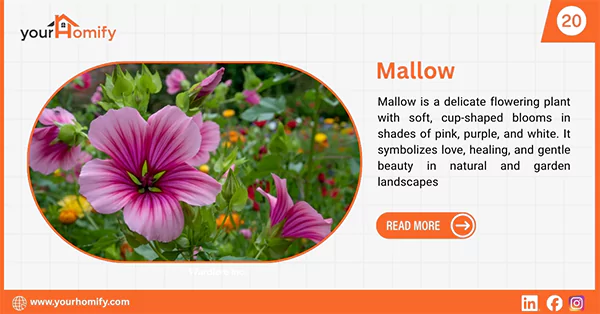
Mostly grown in clusters of 5-petaled flowers, mallows are the ideal spring flowers that add a pop of color to your garden. Additionally, they are edible too and are used in salads and other dishes.
According to the Cats Protection Organization, UK, mallows are listed among the cat-safe flowers.
| Botanical name | Malva sylvestris |
| Native Area | Europe, North America, and Asia |
| Hardiness | USDA zones 4-8 |
| Temperature | 15-24°C |
| Plant Type | Herbaceous perennial |
| Care Guide |
|
List of 5 Rare Flowers That Start With the Letter M
Rare flowers grow in selective areas and usually escape the list due to their unavailability.
But not here, as I have shared 5 names of flowers that start with M that are rare to find for gardening purposes:
Middlemist Red Camellia
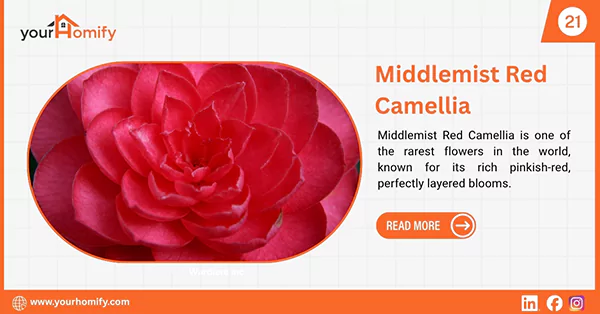
The Middlemist’s Red camellia is one of the rarest flowers in the world and has only 2 flowers across the world, in the UK and New Zealand, far from its native region, China.
According to Yahoo, the scarcity of the flower might be a challenge for home gardeners wanting to grow one at home.
| Botanical name | Camellia japonica ‘Middlemist’s Red.’ |
| Native Area | China |
| Hardiness | USDA zones 7-9 |
| Temperature | 15-21°C |
| Plant Type | Evergreen shrub |
| Care Guide |
|
Mimosa Pudica
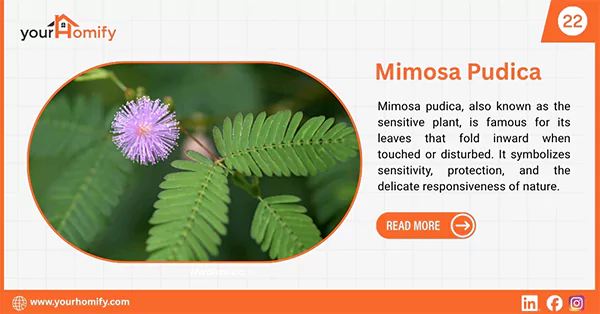
Popularly known as the “sensitive plant,” both the leaves and the pincushion-like flowers of the plant curl up when being touched, and this is usually a defense mechanism and is reversed within seconds.
| Botanical name | Mimosa pudica |
| Native Area | Central and South America |
| Hardiness | USDA zones 10-12 |
| Temperature | 18-24°C |
| Plant Type | Herbaceous shrub |
| Care Guide |
|
Maranta Leuconeura
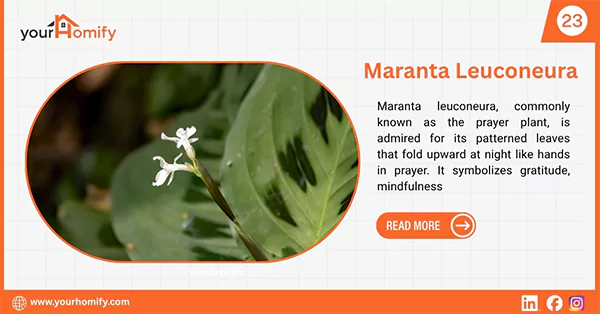
Also known as the prayer plant, as its leaves fold up at night, resembling folded hands. Although this plant is really popular for balcony gardens indoors, the blooming of the flowers is a rare occasion and an indication of good health.
Learn how to grow a prayer plant and explore the “rare blooms” yourself.
| Botanical name | Maranta Leuconeura |
| Native Area | Brazil |
| Hardiness | USDA zones 11-12 |
| Temperature | 15-27 °C |
| Plant Type | Evergreen perennial |
| Care Guide |
|
Monkey Face Orchid
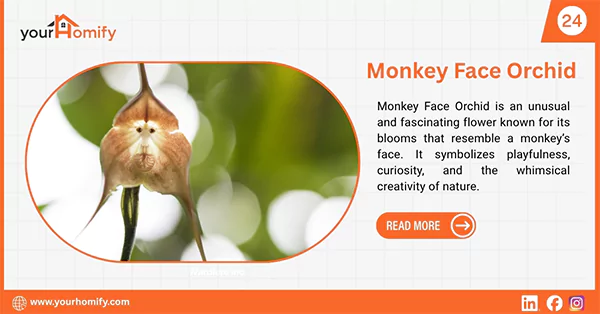
Apart from being rare, the monkey-face orchid is also unique, with its flowers resembling the face of a monkey, which is interesting to bring home.
However, note that these flowers require precise attention to mimic their real native habitat; avoid them if you are a beginner.
| Botanical name | Dracula simia |
| Native Area | Ecuador and Peru |
| Hardiness | USDA zones 10-11 |
| Temperature | 13-24°C |
| Plant Type | Herbaceous perennial |
| Care Guide |
|
Monotropa uniflora
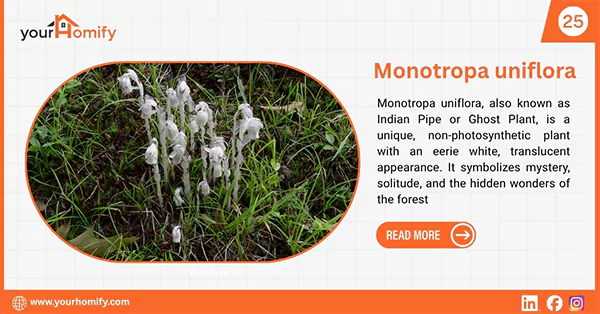
The Monotropa uniflora is a rare flower that grows with white bell-shaped flowers that turn black as they mature. It is not advised to plant them at home because they rely on Russula fungi to grow, which is difficult to provide indoors.
| Botanical name | Monotropa uniflora L. |
| Native Area | North America |
| Hardiness | USDA zones 3-8 |
| Temperature | 18-29°C |
| Plant Type | Perennial wildflower |
| Care Guide |
|
Concluding Remarks
From annual and perennial flowers to the rare flowers that start with M, each bloom has a unique attribute that is waiting to be planted in your garden.
Select from these 25 flowers and elevate the garden space now!
My final advice to gardeners growing these blooms would be to be mindful of the following care tips for the best results:
- Place plants in adequate sunlight; not all of them need direct sun exposure.
- The soil must be well-drained to avoid waterlogging.
- Do not go overboard with the fertilizers; follow the prescribed dosage.
- Bonus tip: Plan your gardening calendar and plant companion flowers together, as some blooms do not perform well beside one another.
Once you’ve explored these M-letter blooms, keep the alphabet going with our guide to the flowers that start with N.
FAQs
What are some annual flowers that start with M?
Morning glory, marigold, moss rose, and marvel of Peru are some annual flowers that start with M.
What are the evergreen shrubs that start with M?
Mahonia and Middlemist Red Camellia are evergreen shrubs that start with the letter M.
Are there any rare flowers that start with letter M?
Yes, Mimosa pudica and monkey-face orchid are rare M-letter flowers.
Can I grow the Monotropa uniflora flower at home?
Monotropa uniflora grows relying on a fungus and hence is advised against growing at home.
What are some toxic flowers that start with the letter M?
Mandevilla and moonflower are some toxic flowers that start with M.
Plants beginning with ‘M’—Burncoose Nurseries UK