


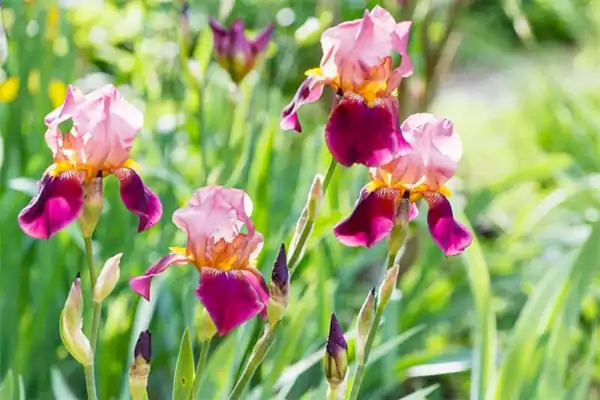
The Iris flower symbolizes wisdom, hope, courage, and admiration while offering gardeners an impressive range of shapes and colors to choose from. Native to the temperate regions of the Northern Hemisphere, this bloom carries deep historical significance.
So, let’s uncover the iris flower types, color, meaning, and symbolism, along with its complete care guide and some of my tried and tested ways to treat the pests.
Quick Answer
The iris flower is a popular perennial flower known for its elegant, colorful blooms and sword-shaped leaves. It belongs to the Iris genus and comes in shades of pink, purple, blue, white, yellow, and orange. The flower is linked to wisdom, hope, and admiration. It grows best in full sunlight and permeable soil with moderate watering.
Overview of the Iris Flower
The Iris flower is a perennial flowering plant known for its showy blooms and rich symbolism. It is named after the Greek goddess of the rainbow and comes in an impressive range of colors. Due to its visual appeal, it is widely grown in gardens, borders, or near water streams.
Mostly admired for their easy-care nature, Iris flowers have remained a favorite among gardeners and novice plant lovers for centuries. I feel that the bold colors over the complex design of the blooms make them one of the most eye-catching flowering plants in any landscape.
Did You Know?
The Iris was officially designated as the state flower of Tennessee in 1973 by the 88th General Assembly. Though a particular color of the bloom was not chosen, purple irises were the commonly accepted ones because of their wide availability.
Botanical Classification of the Bloom
One of the first things I notice about an Iris flower is its striking structure. The genus typically features three upright petals called standards and three drooping petals known as falls, creating an elegant shape.
Its sword-like leaves and sturdy stems add to its overall beauty, making Iris a standout plant in gardens and landscapes. Moving ahead, let us quickly take a look at its taxonomic classification.
| Aspects | Details |
| Kingdom | Plantae |
| Clade | Embryophytes |
| Clade | Tracheophytes |
| Clade | Spermatophytes |
| Clade | Angiosperms |
| Clade | Monocots |
| Order | Asparagales |
| Family | Iridaceae |
| Genus | Iris |
| Botanical Name | Iris spp. |
The Iradaceae family contains around 80 genera and more than 1800 flowering plant species. Members of this family are widely recognized for their decorative flowers and are found in many parts of the world. As per the United States Department of Agriculture, it is illegal to dig or pick Irises on any national forest land.
History and Origin of the Iris Flower
According to Greek mythology, Iris was a messenger who was sent by the gods to communicate with mortals. Legends speak about her beauty and golden wings, saying that she used to travel on a rainbow and wherever she used to set her foot, a flower used to grow.
- The flower was initially cultivated in ancient Egyptian gardens and was highly valued for its beauty and symbolism.
- Ancient Greeks used to plant the white iris flower on the graves of women, believing the goddess Iris would guide their souls to the afterlife.
- As per the Historic Iris Preservation Society, between 1910 and 1920, new varieties of the bloom started appearing in different color ranges and sizes.
- During the Middle Ages, irises became popular throughout European monasteries and castle gardens. It inspired the famous fleur-de-lis, a symbol closely associated with the French monarchy.
- For many centuries, Iris rhizomes were used in perfumes, medicines, and traditional remedies. Greek scholars like Pedanius Dioscorides used the flower petals to make herbal teas and syrups to treat cold, cough, and inflammation.
The species has been celebrated in art, literature, and floral design for generations. One of the most famous examples is the painting by Vincent Van Gogh, through which he wanted to showcase the breathtaking beauty of the flower.
Iris Flower Meaning and Symbolism
The iris flower’s meaning is associated with hope, wisdom, trust, and faith, making it one of the most meaningful flowers in your home garden. The tall stems, elegant blooms, and wide range of colors have helped the species become a symbol of inspiration and strength.
Across different cultures and generations, the bloom is admired not only for its striking beauty but also for the rich meaning that it carries. Let us quickly explore each of them one by one.
| Iris Flower Color | Image | Symbolism |
| Purple Iris Flower | 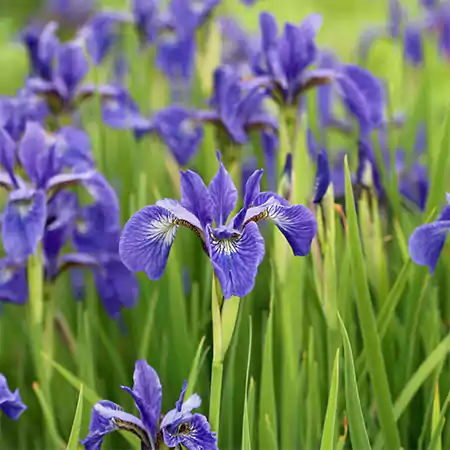 | Wisdom, royalty, admiration, and respect. |
| Blue Iris Flower | 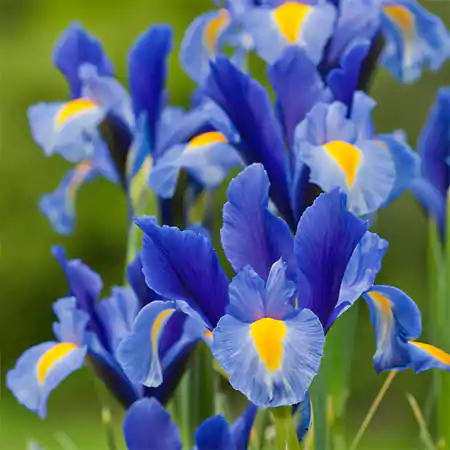 | Faith, trust, hope, and calmness. |
| Black Iris Flower | 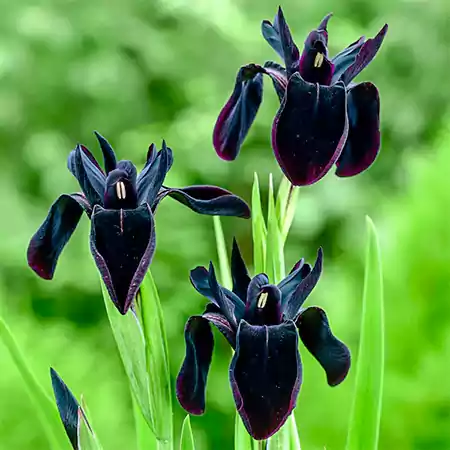 | Mystery, rebellion, elegance, and understated power. |
| White Iris Flower | 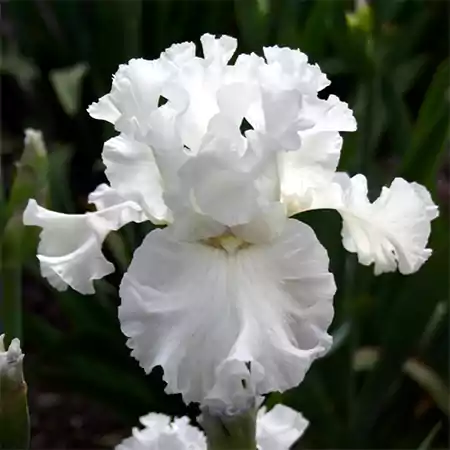 | Purity, innocence, honesty, and spiritual connection. |
| Yellow Iris Flower | 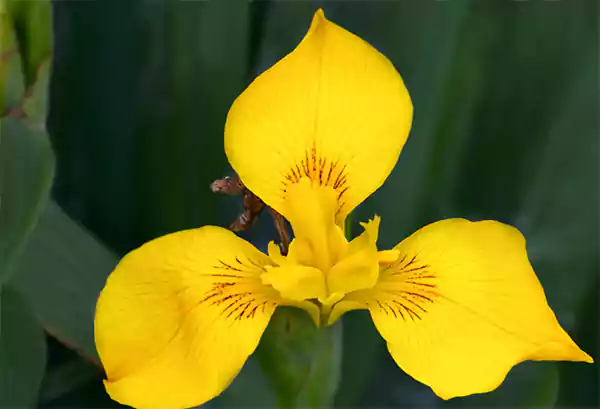 | Happiness, friendship, joy, and positive energy. |
During the Victorian era, an Iris flower was often given to express admiration, faith, and heartfelt compliments. It was popularly known as the friendship flower. To date, the bloom is used to celebrate achievements, encourage loved ones, and express hope during challenging times.
The flowers carry a beautiful blend of meaning and symbolism. Whether it is linked to hope, wisdom, courage, or faith, its message remains uplifting and positive. Its deep and symbolic meaning is one reason it continues to be cherished around the world.
Different Types of Iris Flowers
There are around 300 Iris species in the world. Some of the most popular ones are Bearded Iris, Yellow Flag Iris, Japanese Iris, Dutch Iris, and wide dwarf varieties. Given below are some astonishing yet easy-to-care-for Iris flowers that you can definitely add to your home garden.
1. Bearded Iris
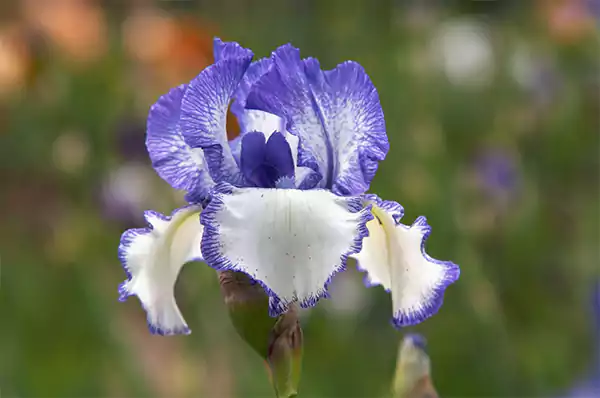
- Botanical Name: Iris germanica
- Hardiness Zone: 3-10 USDA
- Native Range: Mediterranean region and Southern Europe
Bearded Iris is a flowering perennial known for its large, colorful blooms. It comes in shades of purple, blue, and pink. I find this flower especially eye-catching because of its upright, ruffled petals. This iris flower is sometimes also called the German bearded iris, grows best in full sunlight, and tends to add a dramatic touch to any garden space.
2. Dwarf Crested Iris
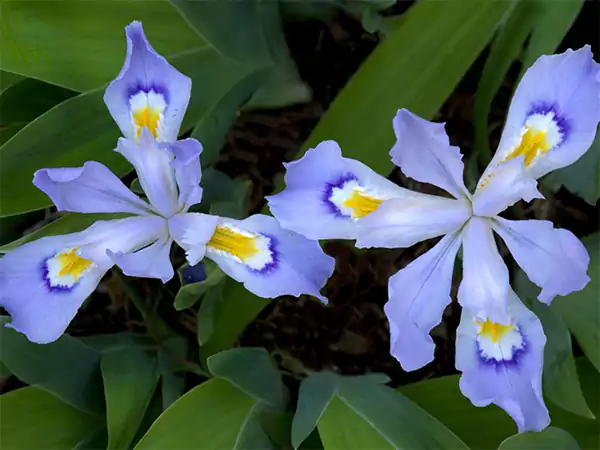
- Botanical Name: Iris crestata
- Hardiness Zone: 4-8 USDA
- Native Range: Eastern United States
According to the Ohio Department of Natural Resources, the Dwarf Crested Iris is a small, low-growing wildflower with delicate lavender-blue blooms and sword-shaped leaves. It grows up to 6 inches tall and spreads slowly to form a colorful ground cover. Similar to the bearded Iris, you can propagate this species through rhizomes.
3. Dutch Iris
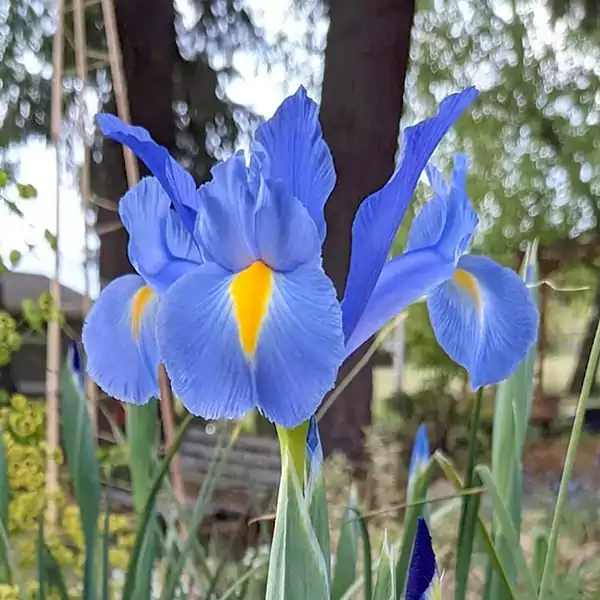
- Botanical Name: Iris hollandica
- Hardiness Zone: 6-9 USDA
- Native Range: Not specified
Dutch Iris is a graceful flowering plant known for its orchid-like blooms in shades of blue, purple, yellow, and sometimes even white. Due to their long vase life, they are popularly used as cut flowers. They tend to bring instant vibrancy to cottage gardens, rock gardens, or border covers.
4. Japanese Iris
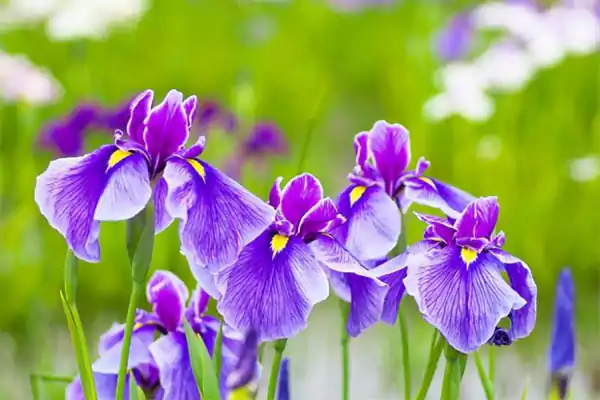
- Botanical Name: Iris ensata
- Hardiness Zone: 4-9 USDA
- Native Range: Eastern Asia, Kazakhstan
Japanese Iris is a stunning, moisture-loving bloom that grows up to 8-10 inches. It is found in shades of purple, blue, pink, white, and violet, creating a dramatic display in any grassland. This Iris flower type is among the largest of all the species and has been cultivated in Japan for centuries as a symbol of beauty, purity, and perseverance.
5. Louisiana Iris
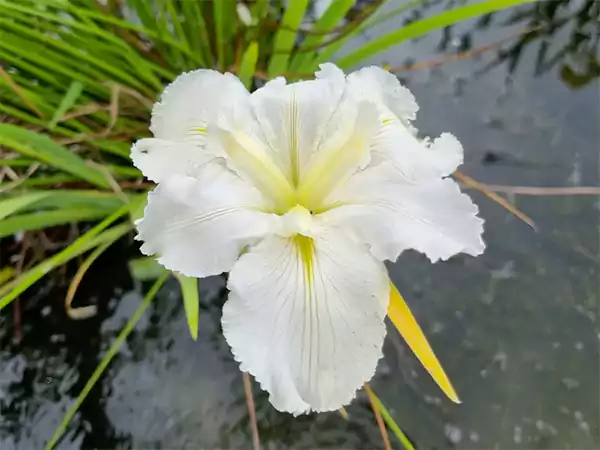
- Botanical Name: Iris x
- Hardiness Zone: Varies by type
- Native Range: Midwest and Southern United States
Louisiana Iris is a vibrant iris variety known for its bold hues and ability to survive in wetlands. The plant grows in dense clumps of tall, grass-like leaves and blooms in late spring to early summer. Native to the wetlands of the Southern United States, the Louisiana group consists of 5 different cultivars found in distinct geographic locations, as they all have unique environmental preferences.
Ideal Growing Conditions Needed for the Bloom
For optimal development, Iris flowers need abundant sunlight, permeable soil, moderate watering, and a nutrient-rich plant food once a month. Let us quickly understand the ideal growing conditions needed for the plant to flourish in detail.
- Sunlight Requirement: Most iris varieties bloom best in full sun. Planting them in a location that receives at least 6 hours of bright, direct sunlight can result in a healthier growth rate.
- Soil Requirements: Well-draining soil is one of the most important factors for successful iris growth. Ensure that the soil’s pH level is maintained between 6.0 and 7.0. Sandy or loamy soil is best to prevent the rhizomes from rotting.
- Watering Needs: Irises prefer consistent moisture during the active growing stages. It dislikes overly wet soil; therefore, water only when the top 2 inches of the soil feels dry. Adjust the frequency once the plant is fully established.
- Temperature and Climate: The ideal temperature range for irises is from 15 °C to 24 °C. It grows best in mild to warm conditions. Some species, such as the Siberian Iris and Northern Blue Flag, can withstand cooler climatic conditions.
- Air Circulation and Spacing: Good airflow helps keep iris plants healthy and reduces the risk of fungal diseases. Avoid overcrowding the plants, sow the seeds at least 6 to 12 inches apart from each other, and remove any dead foliage you notice.
When I provide iris flowers with plenty of sunshine, well-draining soil, and moderate watering, they reward me with stunning blooms. The fact that these hardy perennials do not demand much attention and have very basic growing needs makes them a popular ornamental bloom.
Maintenance and Care Tips for the Iris Flower
Once established, the iris flower requires only basic care to stay healthy and flower reliably. A few simple maintenance practices throughout the year can keep the plant vigorous, colorful, and blooming season after season.
- Provide Plenty of Sunlight: Plant them in a location with at least 6-8 hours of direct sunlight.
- Water Wisely: Moderate watering works best for the bloom. Make sure that you do not make the soil soggy and adjust the frequency, allowing the soil to dry up.
- Fertilize Sparingly: Irises are not heavy feeders. Apply a balanced, low-nitrogen fertilizer in early spring.
- Remove Spent Flowers: Deadheading droopy flowers keeps the overall plants tidy and allows them to focus their energy on growth. Cut off the faded blooms and remove the leaves that have turned yellow to encourage new growth.
- Trim or Prune When Necessary: Remove dead, damaged, or diseased leaves as needed. Cut back the foliage during fall before it naturally dies. Keep the base of the plant clean and remove any kind of debris.
- Mulch Carefully: This helps in retaining the moisture of the plant. Apply a light layer around the plants, but keep it away from the exposed rhizomes, as this can drain the plant of essential nutrients.
Pests, Diseases, and Common Mistakes to Avoid
While looking for ways to protect my Irises from pests, I noticed that many gardeners were dealing with the same issues. After exploring different methods and learning from personal experiences, I have put together some of the most common iris pest problems along with tried and tested solutions that can help keep these blooms healthy and thriving.
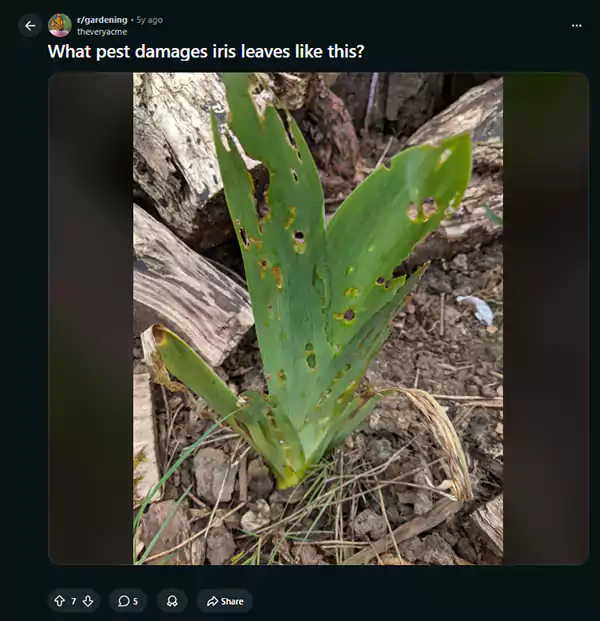
| Pest | Cause/Signs | Solutions |
| Iris Borer | Pinkish-white larvae tunnel into the leaves and rhizomes, causing root rot and stunted growth. | I start by removing dead and damaged leaves or rhizomes. Clean any kind of debris near the plant, especially in the fall. |
| Spider Mites | It is a type of bacterial and fungal disease that sucks plant juices, leading to yellowing leaves. | Increase humidity, rinse the leaves with rubbing alcohol and apply horticultural oils if needed. |
| Slugs and Snails | These usually feed on leaves and flower buds, leaving holes on the foliage surface. | I remove them manually. You can use traps or wash them off with a strong water stream. |
| Aphids | Small sap-sucking insects that weaken plants and can result in a stunted growth rate. | Spray with water, use insecticidal soaps, or introduce the plant to pest-eating ladybugs. |
| Root Knot Nematodes | These are microscopic worms that damage roots and stunt the growth of the plant. | Improve soil health, isolate heavily infected plants to prevent the spread and use organic plant food. |
Quick Tip
Regularly inspecting iris leaves, flowers, and rhizomes can help catch pest problems early. Healthy, well-spaced plants with good air circulation are naturally more resistant to pest infestation.
Concluding Remarks
As I explore the iris flower, I can easily see why it has remained a garden favorite for centuries. From its striking blooms and rich symbolism to its easy-care nature and wide range of colors, the iris offers something for every plant lover.
Whether you wish to grow it for its beauty, meaning, or pollinator attraction qualities, this timeless flower never fails to make a lasting impression. The iris flower has continued to captivate people with its charm since mythological times. Even today, these blooms are the first choice to add to any garden space to bring vibrancy and a fresh zeal.
FAQs
What do Iris flowers symbolize?
Different shades of the iris flowers are known to symbolize distinct emotions. Overall, the bloom is associated with purity, elegance, toughness, and friendship.
Why is Yellow Iris Illegal?
Yellow iris is illegal to buy, sell, or transport in many states because it is an aggressive, fast-spreading invasive aqautic plant. It can completely take over the ecosystem, depleting other plants of all the necessary nutrition.
Do irises come back every year?
Yes, Irises are hardy, long-lived perennials. Every year, they multiply and bloom. Some common examples are Japanese iris, Siberian iris, and Bearded iris.
Do irises need sun or shade?
Most of the irises prefer growing in abundant sunlight. For optimal development a minimum of 6-8 hours of bright direct light is necessary, though some species can even thrive in partial shade.
Can I plant Iris flower in October?
Yes, you can plant the iris flower in October. The late-season time is the best for the bloom, as it helps them to establish their roots. Make sure that you are planting them at least 6-8 weeks before the frost season.
- Louisiana Iris – NC State Extention Research Paper
- Japanese Iris – NC State Extention Research Paper
- Iris Brief History – University of Missouri
- Iris Plant Profile – Chicago Botanic Garden

41 Types of Orange Flowers: Names, Meanings & Pictures
[…] Iris plants are 1.6 to 2.6 feet tall; the flower bloom size is under 6 inches, and they have 2 to 3 petals. The peak bloom season is spring and summer. This flower is found in various colors other than orange like, black, blue, pink, cream, golden, purple, red, and white. The black iris flower contrasts well with the orange ones in a flower bouquet. […]
Cat Safe Flowers: 18 Non-Toxic Flowers for Cats
[…] Iris contains an enzyme called pentacyclic terpenoids, including zeorin, missourin, and missouriensin. However, the enzyme is available in the plant, but the concentration is high in the rhizomes. Even a small amount can cause severe issues. You will get symptoms like salivation, drooling, lethargy, vomiting, and diarrhea. […]