Are you looking for some flowers that start with A? From the colorful blooms of Aster and Amaryllis to the delicate flowers of Alyssum and Anemone, there are plenty of beautiful varieties to explore. Some are popular garden flowers, while others are flowering shrubs, trees, wildflowers, and perennials.
I have compiled over 50 varieties of flowers that start with A here, with their native region, USDA zones, and growing requirements. So whether you need a flower for your garden or just wanna learn and discover unusual flowering plants, this list will help you one way or the other.
Quick Answer
Flowers that start with A include popular flowering varieties like Aster, Amaryllis, Azalea, Anemone, Allium, Alstroemeria, and Alyssum. Other beautiful options include Agapanthus, Aquilegia, Astilbe, and African Daisy. These flowers have different colors, shapes, and sizes, making them the best option for indoor and outdoor gardens.
20 Flowers That Starts With A
Flowers add beauty, color, and charm to any garden or landscape. Exploring them alphabetically is a great way to discover new varieties. Below, I’ve explained 20 beautiful flowers that start with A, along with their botanical names, native regions, growing requirements, and unique characteristics.
1: Acacia
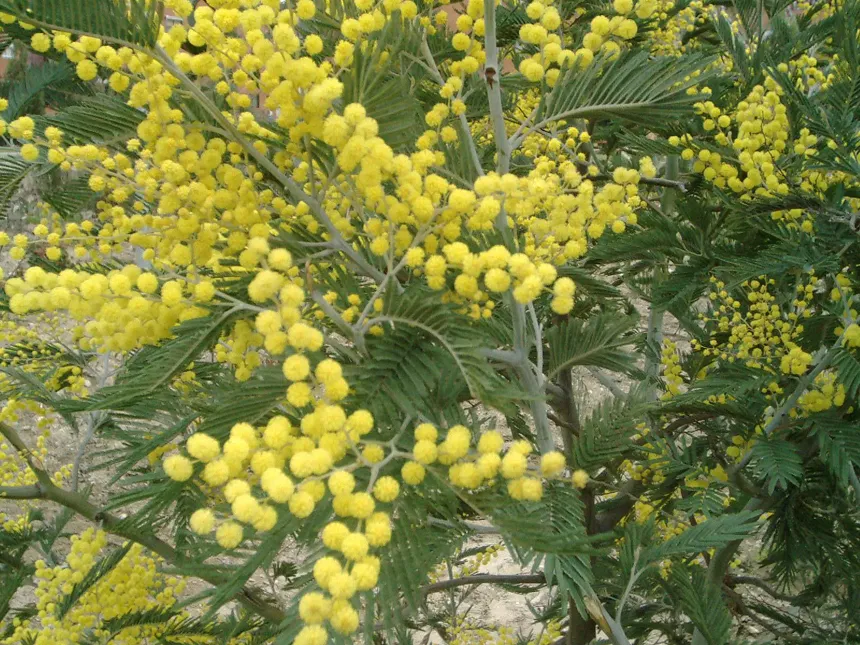
| Native Country: Australia and Africa |
| Botanical Name: Acacia |
| Hardiness Zone: 9-11 USDA |
| Growth Requirements: Thrives in full sun, permeable soil with moderate watering. |
Among the flowers that start with A, Acacia tops the list with its vibrant yellow flowers. These blooms typically grow in a fuzzy-looking cluster form and are known for their mild but sweet fragrance.
2: Acanthus
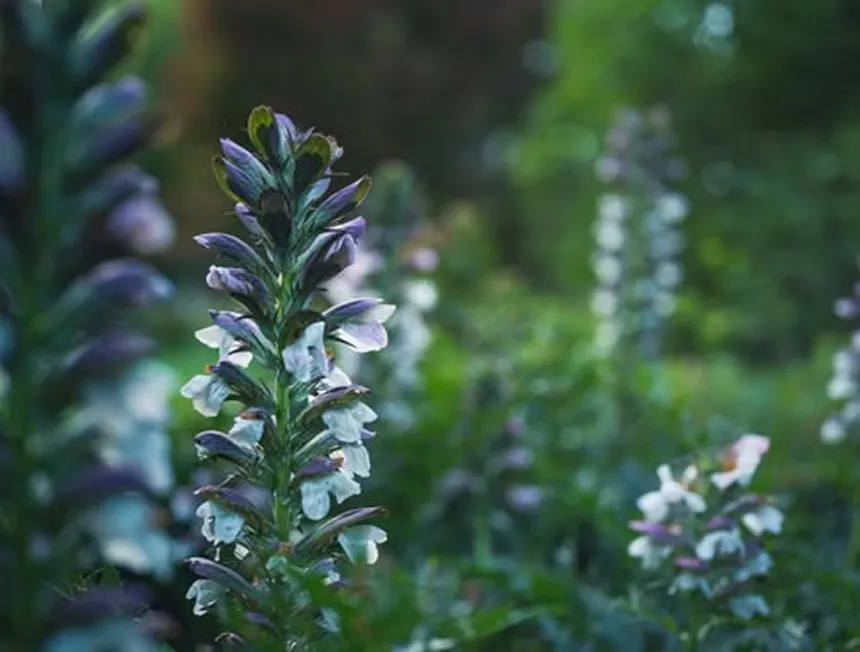
| Native Country: Tropical Africa, Asia, Australia, and Southern Europe |
| Botanical Name: Acanthus Mollis |
| Hardiness Zone: 7-11 USDA |
| Growth Requirements: Prefers growing in partial shade and well-draining soil with water in moderation. |
An Acanthus flower is popularly known as Bear’s Breeches. This flower that starts with A, is notable for its beautiful spikes and elegant purple blooms. Some species of this genus also have large, glossy, and spiky leaves. These tall flowers are generally used for bouquets and other floral arrangements.
3: Achillea
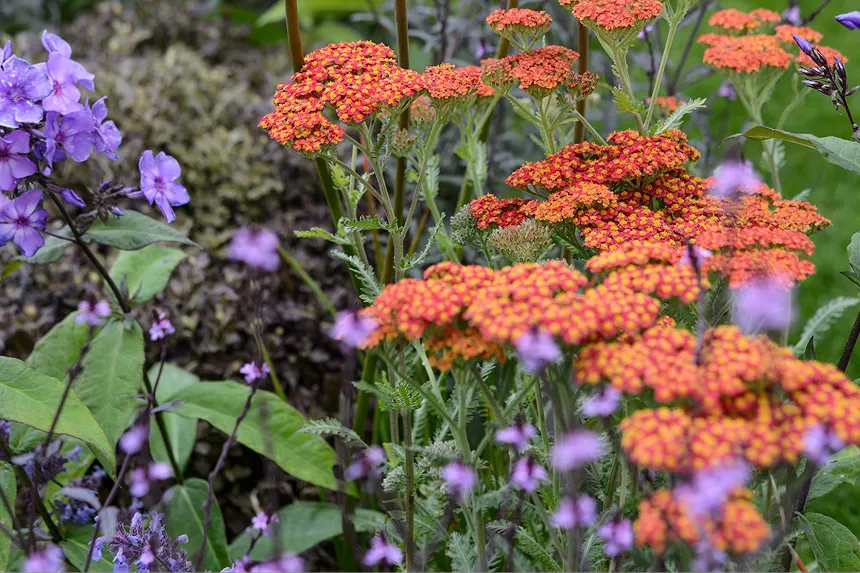
| Native Country: Europe, Asia, and North America |
| Botanical Name: Achillea millefolium |
| Hardiness Zone: 3-5 USDA |
| Growth Requirements: Requires full sun, well-draining soil, and frequent watering during the initial growing days. |
Achillea, a flower that starts with an A, is a genus that belongs to the Asteraceae plant family. It is commonly called Yarrow and has daisy-like flower heads that look insanely vibrant when fully grown. The flower gets its name from Greek Mythology and is often used to ward off evil.
4: Aconite
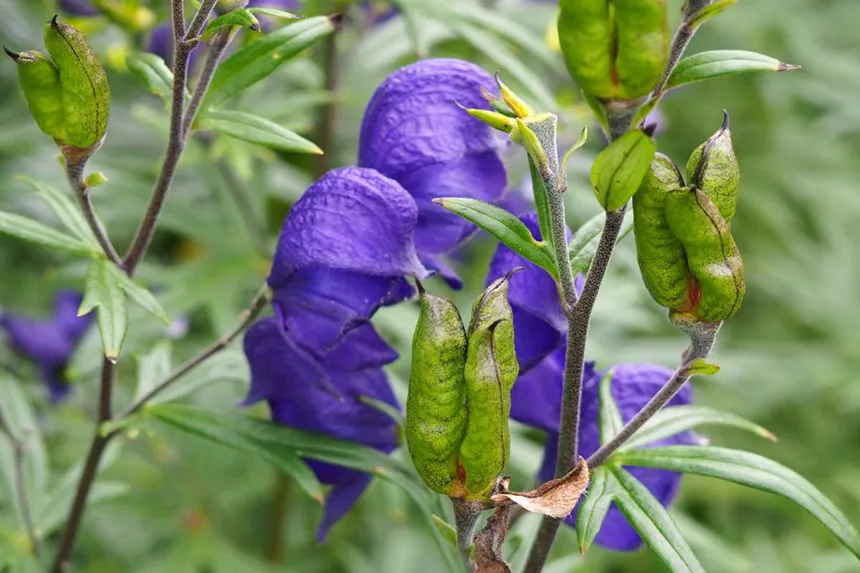
| Native Country: Various regions of the Northern Hemisphere |
| Botanical Name: Aconitum napellus |
| Hardiness Zone: 3-7 USDA |
| Growth Requirements: Thrives in partial shade and humus-rich soil with consistent watering during the growing stage. |
Out of all the flowers that start with A, Aconite is known to be the most poisonous species and must be handled with care. Also known as monkshood, wolfsbane, leopard’s bane, devil’s helmet, or blue rocket, this genus is mostly found in mountainous regions.
Did You Know?
Aconite is also known as the queen of poison; this plant contains aconitine, which is a neurotoxin. This plant can cause respiratory paralysis and heart failure within an hour.
5: Adam’s Needle
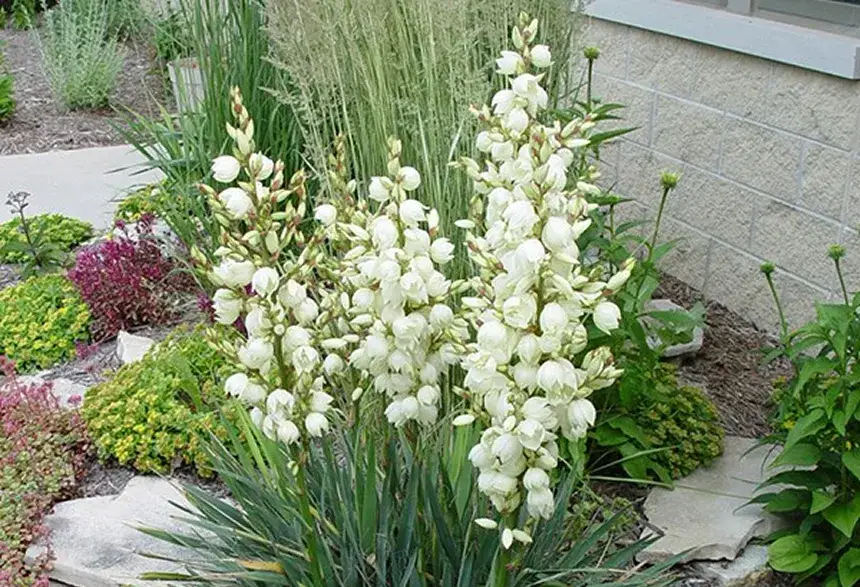
| Native Country: Southeastern United States |
| Botanical Name: Yucca filamentosa |
| Hardiness Zone: 5-12 USDA |
| Growth Requirements: Known for its toughness, it can be grown in different environmental conditions. |
Adam’s Needle is a stunning, bell-shaped flower that is mostly used to create a southwest-themed garden. It is one of the flowers that start with an A and has a slow-growing habit.
The drought-resistant nature of the genus symbolizes resilience and adaptability, and the roots of the plant are used for many medicinal purposes.
6: Almond Blossom
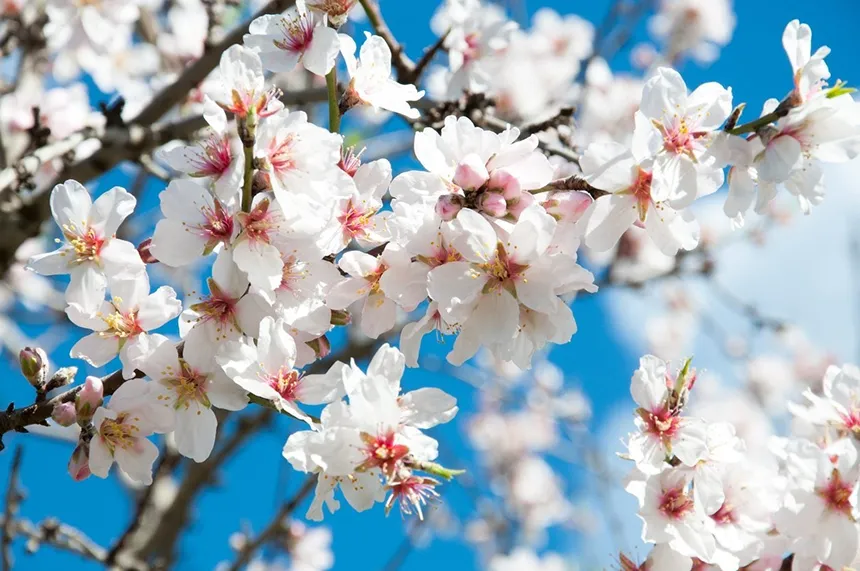
| Native Country: Middle East and Central Asia |
| Botanical Name: Prunus dulcis |
| Hardiness Zone: 4-9 USDA |
| Growth Requirements: Requires full sun exposure, well-draining soil, and is sensitive to overwatering. |
The Almond Blossom is also one of the flowers that start with A and is also known to be the most picture-perfect plant. Featuring delicate pink flowers, this genus indicates the onset of spring, symbolizing hope and new beginnings.
Furthermore, the fragrant flowers of this genus are also used for many culinary practices.
Did You Know?
These flowers were featured in Vincent van Gogh painting, and it signifies hope, new beginnings, and the arrival of spring.
7: Aloe Succotrina
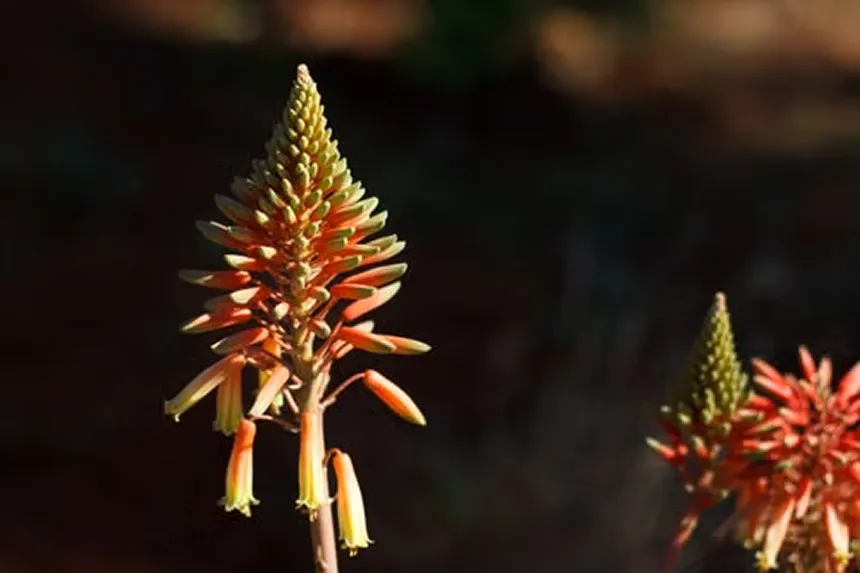
| Native Country: Cape Peninsula, South Africa |
| Botanical Name: Aloe succotrina Lam |
| Hardiness Zone: 9-11 USDA |
| Growth Requirements: Grows best under bright, direct sunlight, well-draining sandy soil, and minimal watering. |
The Aloe Succotrina bears tall spikes with striking red flowers. It is most commonly found in the gardens of the Mediterranean region. The succulent and thorny leaves of the genus confuse it with the common garden Aloe Vera, but both are quite distinct.
Moreover, this flower that starts with A also has many medicinal properties.
8: Alstroemeria
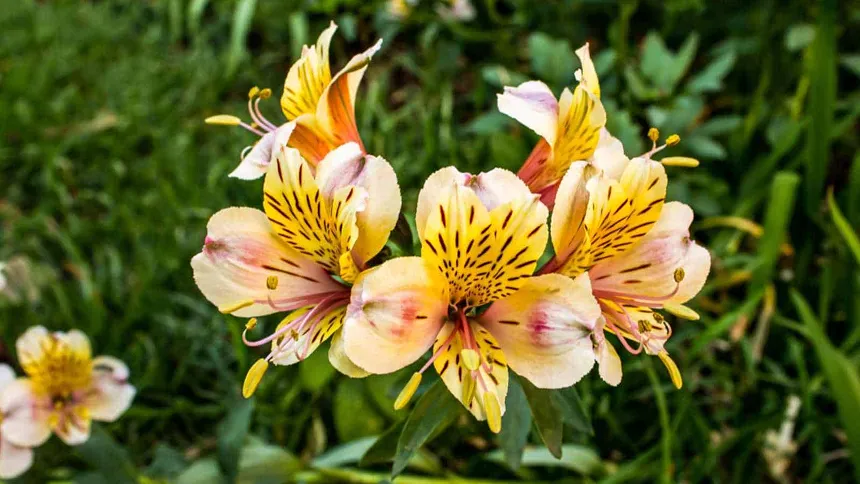
| Native Country: Native to South America, specifically Chile and Brazil |
| Botanical Name: Alstroemeria spp. |
| Hardiness Zone: 7-10 USDA |
| Growth Requirements: Grows best in abundant sunlight, fertile, well-draining soil with regular watering. |
Alstroemeria, also known as the Peruvian Lily or Lily of the Incas, bears trumpet-shaped flowers, and the genus grows from a cluster of tubes. Although the Alstroemeria plants that start with A, resemble lilies, they are not true lilies. Indian Summer and Princess Eliane are the two widely cultivated species of the genus.
9: Alyssum
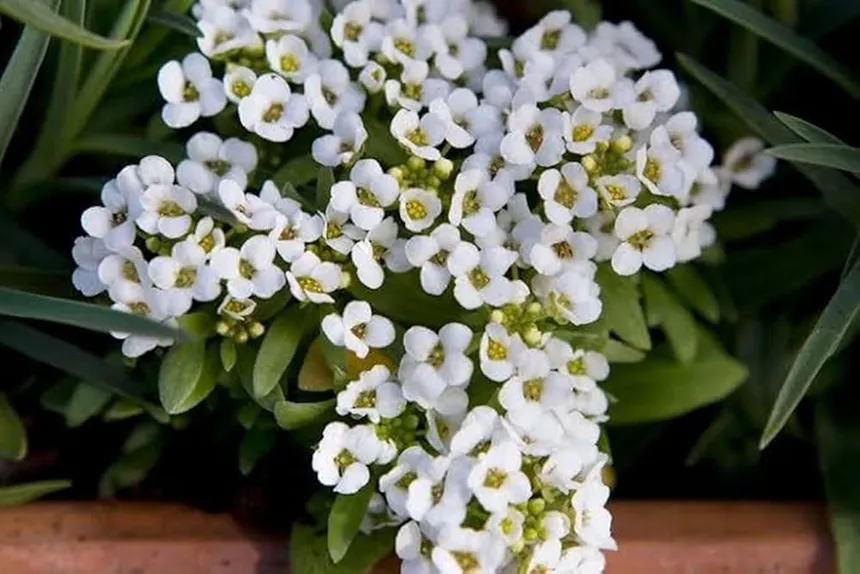
| Native Country: Temperate Europe, Asia, and Northern Africa |
| Botanical Name: Lobularia maritima |
| Hardiness Zone: 5-8 or 9-11 |
| Growth Requirements: It can thrive in full sun/partial shade, permeable soil type with moderate watering. |
When exploring flowers that start with A, Alyssum stands out because of its heavenly appearance. This white flower is an annual species, and the tiny blooms create a carpet-like look on the ground. Although there are several common varieties of the genus, the “New Carpet of Snow” is the most popular of all.
10: Amaranthus Hypochondriacus
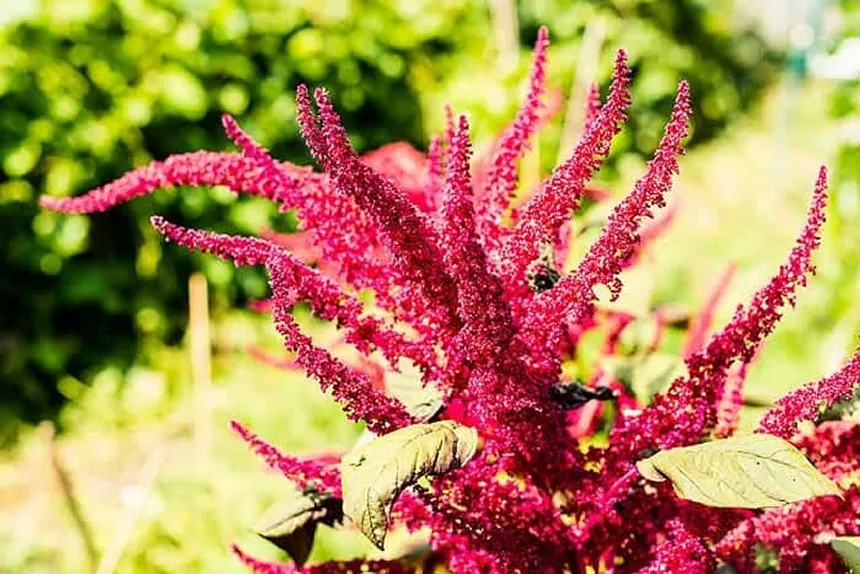
| Native Country: Mexico and Central America |
| Botanical Name: Amaranthus |
| Hardiness Zone: 3-10 USDA |
| Growth Requirements: Requires bright sunlight for a minimum of 6 hours, clayey or sandy soil, with moderate watering only to keep the soil moist. |
The Prince-of-Wales Feather, scientifically known as Amaranthus hypochondriacus, is an ornamental flowering plant that starts with A. It has bold and showy red flowers that can instantly enhance the vibe of any garden space. The leaves of this plant are said to be highly toxic and can cause severe health problems if ingested.
11: Angelica
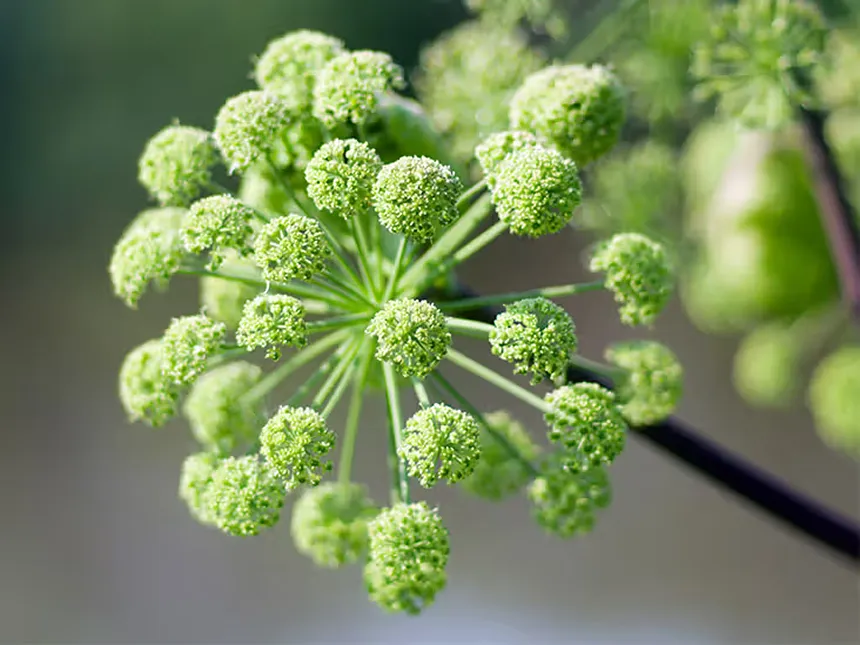
| Native Country: Northern and Eastern Europe, Asia, and North America |
| Botanical Name: Angelica archangelica |
| Hardiness Zone: 4-8 USDA |
| Growth Requirements: Bright, indirect sunlight is best for the genus with an organic-rich, well-draining soil mix and moderate watering. |
Angelica is originally a genus of plants and herbs that are often used to make traditional and herbal medicines. Being a flower starts with A, the roots of the species are used for many culinary practices in many countries. The roots and flowers of the species are specially used to make herbal teas to treat respiratory ailments.
12: Apple Blossom
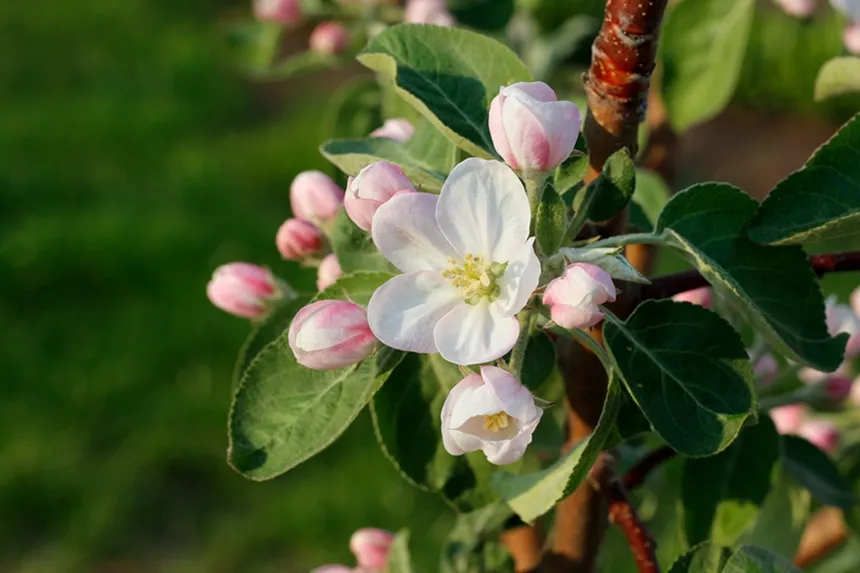
| Native Country: Forests of Kazakhstan, Central Asia |
| Botanical Name: Malus pumila |
| Hardiness Zone: 4-8 USDA |
| Growth Requirements: Grows best in abundant sunlight, does not require much water, and thrives in well-draining soil. |
Apple Blossoms are small to medium-sized flowers. These flowers that start with the letter A, often grow in clusters with 3–4 buds attached to them.
Furthermore, the center bud is commonly called the king bloom, and the captivating fragrance makes it an ideal garden flower. It is often believed that the genus symbolizes promise and good fortune.
13: Arbutus
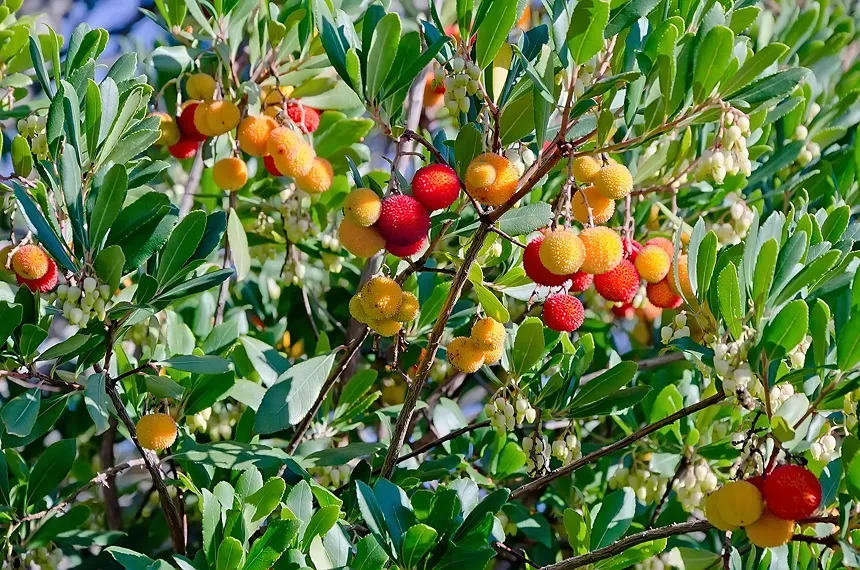
| Native Country: Temperate regions of the Mediterranean, Western Europe, and Western North America. |
| Botanical Name: Arbutus Unedo |
| Hardiness Zone: 7-10 USDA |
| Growth Requirements: Prefer growing in full sun, well-draining soil, with adequate watering during the initial growing stage. |
Arbutus is popularly known as the mini Strawberry Tree. It is not only valued for its glossy green leaves but also for its juicy edible fruits.
The peeling, papery bark of the genus is also an attractive characteristic of the plant. In some parts of Western North America, Arbutus cultivars are popularly grown due to their tall and evergreen nature.
14: Ardisia
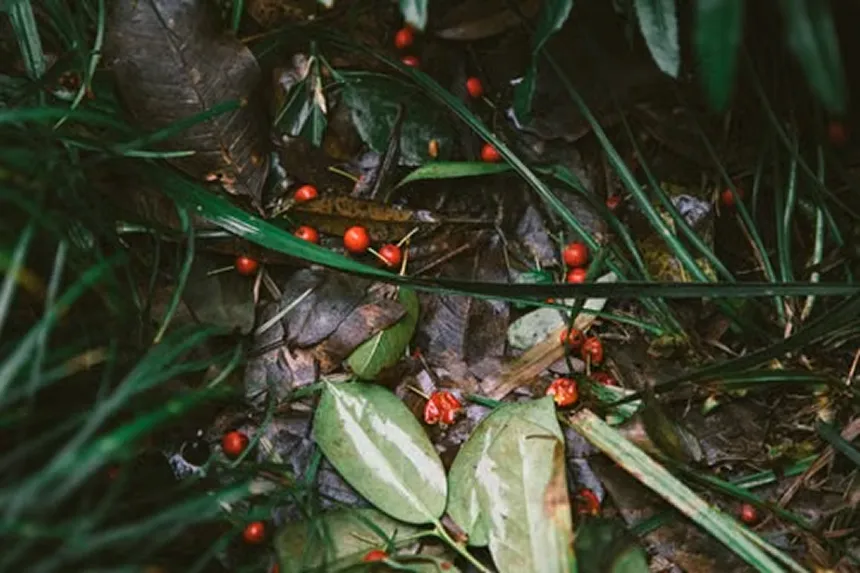
| Native Country: Indian Subcontinent and Southeast Asia |
| Botanical Name: Ardisia solanacea |
| Hardiness Zone: 10-12 USDA |
| Growth Requirements: Plant in a location where it can receive filtered sunlight. Use a permeable potting mix and do not overwater the plant. |
Ardisia, also known as Australian Holly, Christmas Berry, and Coralberry, is a small, upright, and evergreen shrub that is often grown as a houseplant. The genus includes more than 700 cultivars and is mainly used as an ornamental plant.
Additionally, the glossy green leaves and the tiny red berries create a striking contrast, and the plant is said to represent good fortune.
15: Aromatic Aster
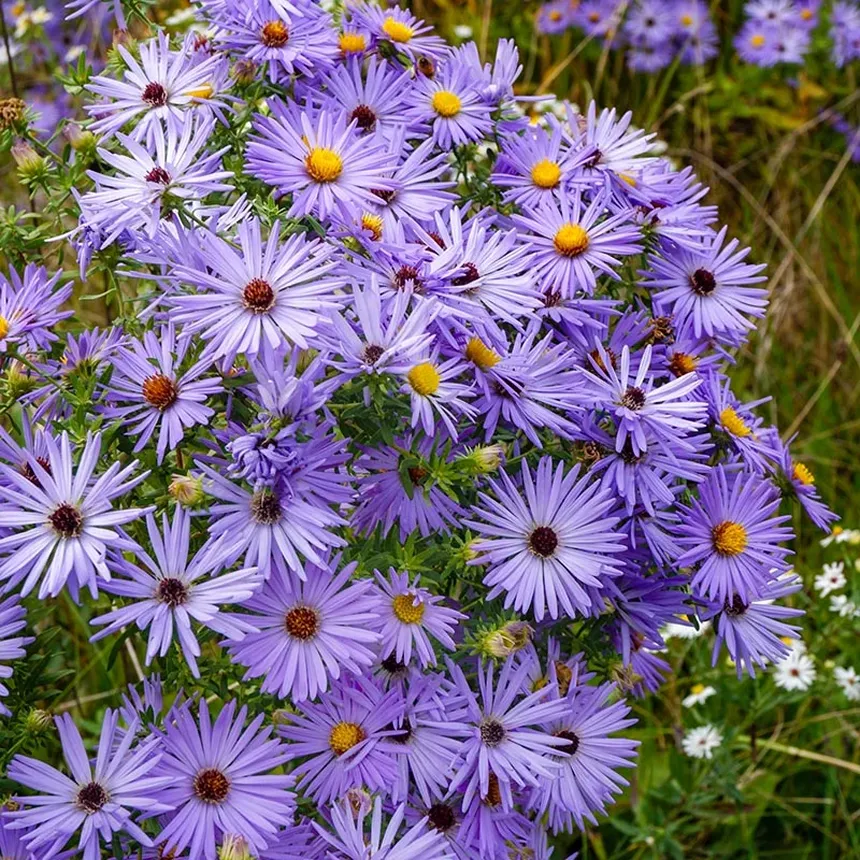
| Native Country: Central United States |
| Botanical Name: Symphyotrichum oblongifolium |
| Hardiness Zone: 3-8 USDA |
| Growth Requirements: Aster prefers growing in full sunlight. It can be planted in various soil types and requires moderate watering to keep the soil moist. |
Aromatic Asters are daisy-like flowers that are bushy and perennial in nature. These are generally in blue or violet colors and are a crucial food source for late-season pollinators.
Specifically used in floral arrangements, the blooms of this plant have a mild, sweet fragrance, making it an eye-catching element in the garden. Being drought-tolerant, this flower that starts with A can be grown in various environmental conditions.
16: Artemisia
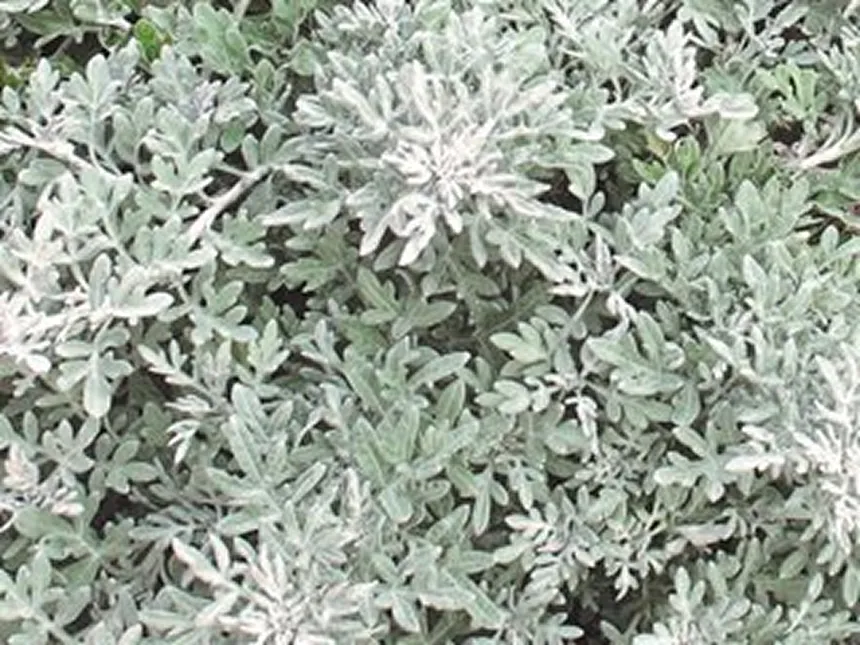
| Native Country: Asia, China, and some parts of Northern Africa |
| Botanical Name: Artemisia vulgaris L. |
| Hardiness Zone: 3-9 USDA |
| Growth Requirements: Requires full sunlight but can also tolerate shade. Well-draining soil with minimal watering works best for them. |
This flower that starts with A, is not a bloom itself. Artemisia is a collective genus covering aromatic shrubs and subshrubs. Found in different habitats, the genus is recognized by its strong and pungent odour.
The soft, feathery leaves make this plant visually appealing, and the spreading nature makes it ideal for filling empty garden spaces.
17: Artichoke thistle
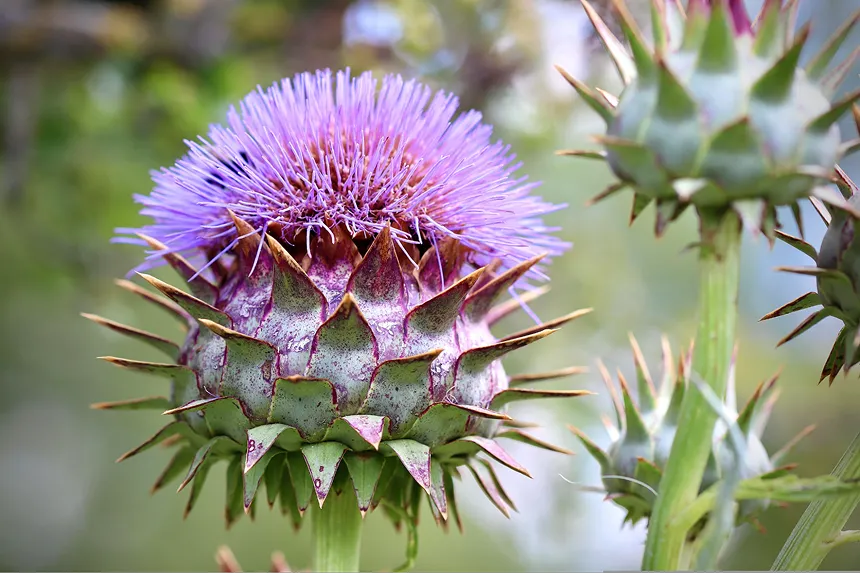
| Native Country: The Mediterranean region, including Southern Europe and northern Africa. |
| Botanical Name: Cynara cardunculus |
| Hardiness Zone: 5-9 USDA |
| Growth Requirements: Prefers growing in warm and dry climatic conditions. Requires less watering and clayey soil to flourish. |
Artichoke Thistle, a flower that starts with an A, is also commonly known as Cardoon. The spiny gray-green leaves and the large purple flower with unique bracts make it an exotic addition to your garden space.
In many specific parts of California and Australia, this bloom is considered a destructive weed. Its unique appearance makes it an ornamental perennial in the garden.
18: Asian Spider Flower
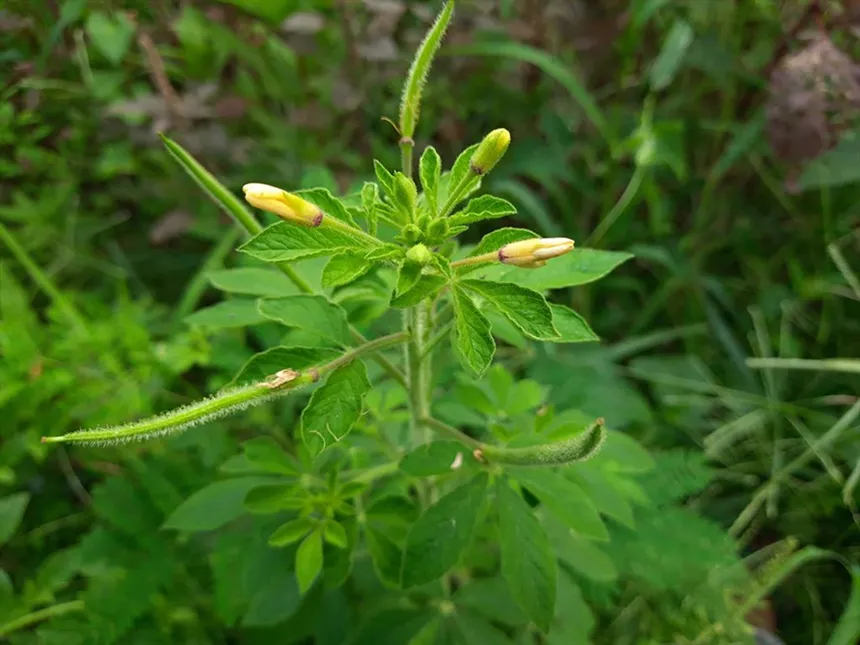
| Native Country: Tropical Asia and Africa |
| Botanical Name: Cleome viscosa |
| Hardiness Zone: 6-9 USDA |
| Growth Requirements: It can tolerate partial shade but grows best in full sunlight. Try planting in a well-draining soil mix and do not overwater. |
The Asian Spider Flower is not only a flower that starts with A, but is also a popular garden plant due to its numerous medicinal benefits. Its feathery textured leaves add a unique flair to the garden, and the yellow blooms add an instant pop of color to any landscape.
19: Astilbe Flowers
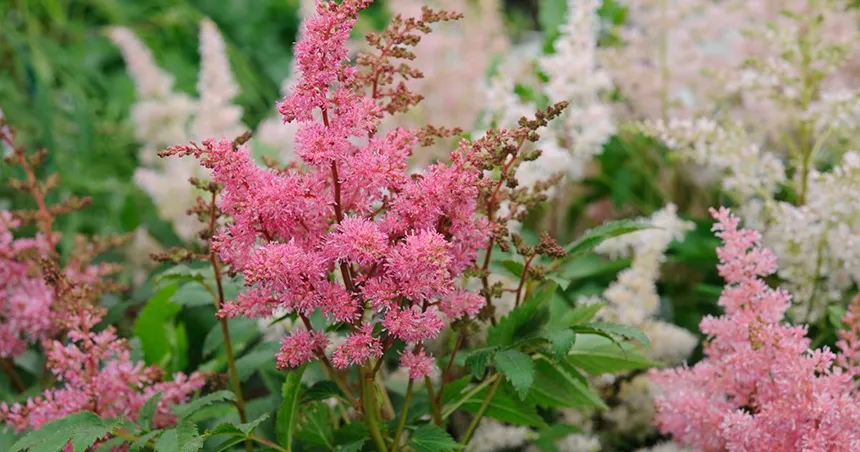
| Native Country: Asia and North America |
| Botanical Name: Astilbe rivularis |
| Hardiness Zone: 3-8 USDA |
| Growth Requirements: Prefers growing in dappled shade, rich and moist soil with an adequate amount of watering. |
Astilbe flowers are known for their upright, plume-like blooms that add an elegant touch to the backyard or front lawn. The dark green leaves and baby pink flowers create a surreal contrast, instantly uplifting the whole vibe of the space.
Due to their growth structure, these are also used for floral arrangements.
20: Astragalus
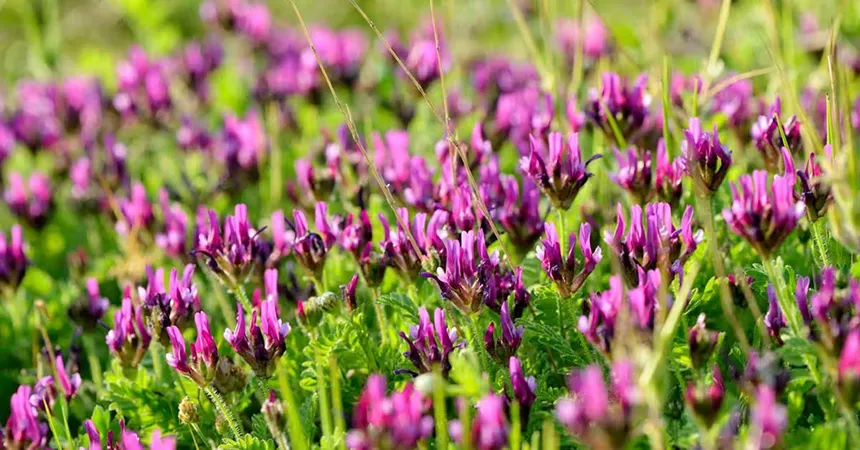
| Native Country: Temperate regions of the Northern Hemisphere |
| Botanical Name: huáng qí or milkvetch |
| Hardiness Zone: 3-9 USDA |
| Growth Requirements: Being a hardy perennial, it can tolerate a variety of climatic conditions. Prefers growing in permeable soil with minimal watering. |
The Astragalus genus belongs to the legume family, and the dried roots of the genus are specially used to make herbal medicines. In many Chinese traditions, the plant is used to treat ailments related to the heart and lungs.
Though it is a type of flowering plant, it encompasses more than 3000 subshrubs also. Furthermore, it also acts as an effective mosquito repellent plant and deters unwanted pests as well.
Explore 20 Interesting Flowers Starting With A
If you’re looking for flowers that start with A to grow in your backyard, there are plenty of beautiful varieties to explore. From the bright yellow blooms of Acacia to the colorful petals of Anemone and Aster, each flower has something unique to offer. Below, I’ve covered 20 flowers along with their botanical names, native regions, USDA hardiness zones, and growing requirements to help you choose the right ones for your garden.
| Serial No | Name | Image | Key Aspects |
| 21: | Adder’s Tongue | 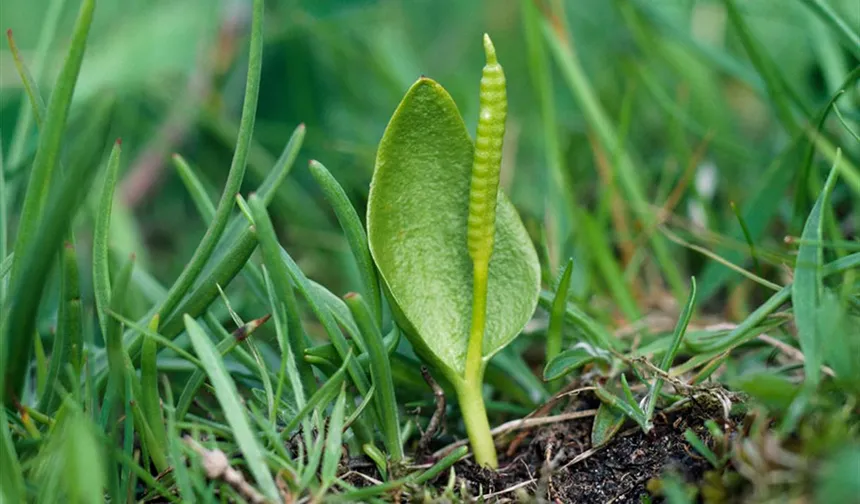 | Native Range: Eastern Canada to North Central & Eastern U.S.A Botanical Name: Erythronium americanum USDA zone: 3 to 8 |
| 22: | African Boxwood | 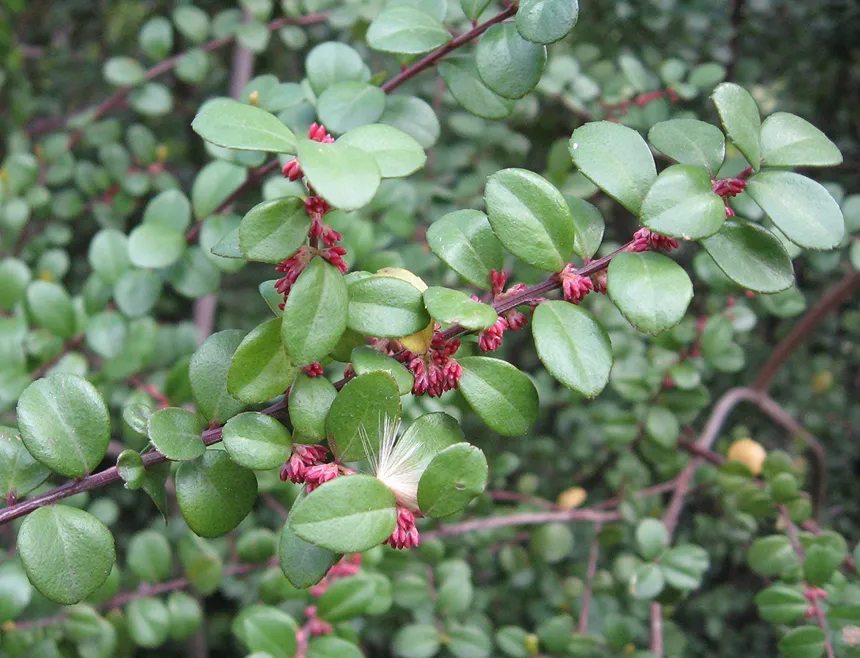 | Native Range: Southern and Eastern Africa, Arabian Peninsula, Azores, South and East Asia. Botanical Name: Myrsine africana USDA zone: 9 to 11 |
| 23: | African Flame Lily | 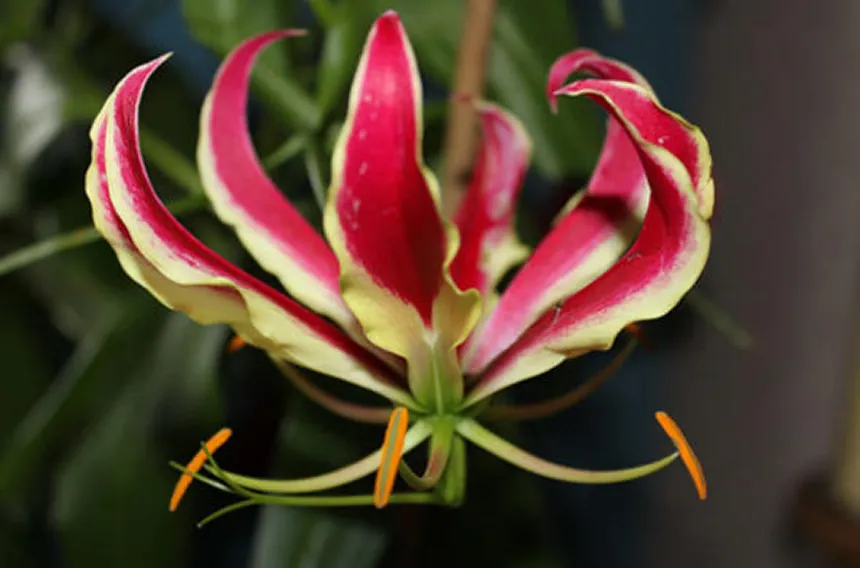 | Native Range: Tropical and southern Africa and temperate and tropical Asia. Botanical Name: Gloriosa superba USDA zone: 8 to 12 |
| 24: | Agapanthus | 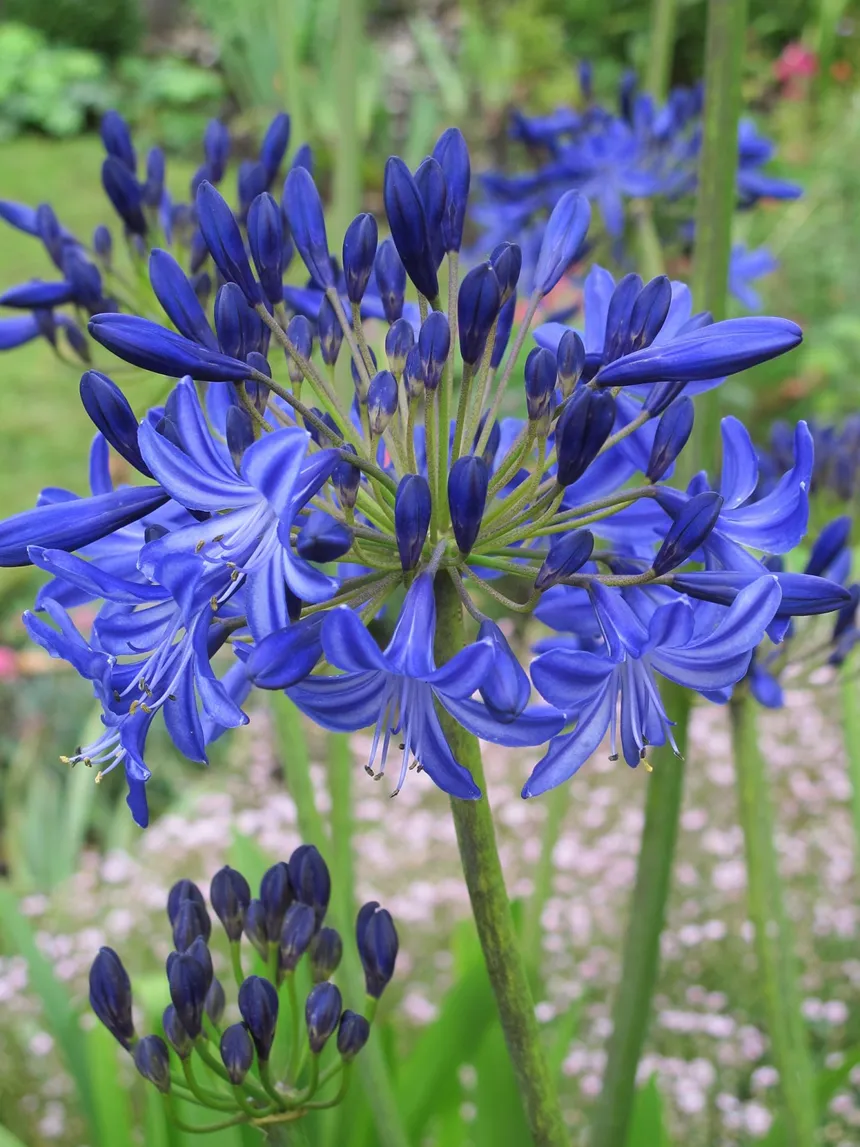 | Native Range: Nile River basin of northeastern Africa Botanical Name: Agapanthus USDA zone: 8 to 10 |
| 25: | Ageratum | 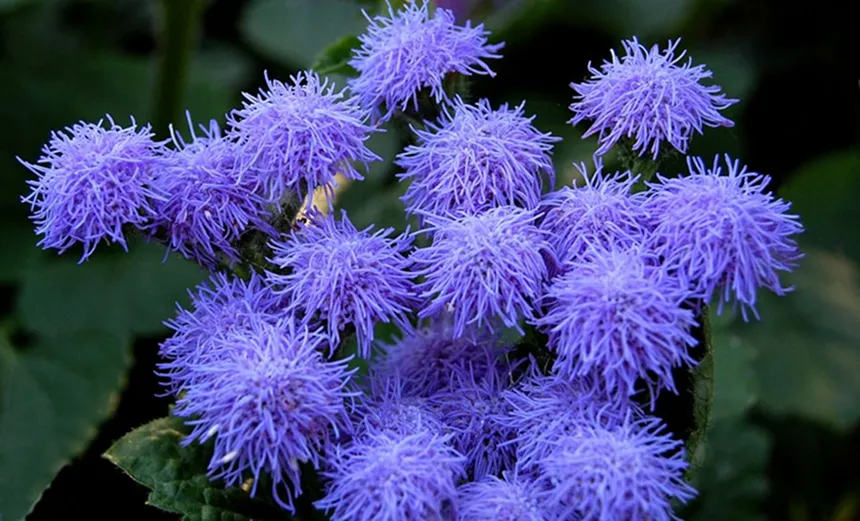 | Native Range: Central America Botanical Name: Ageratum houstonianum USDA zone: 2 to 11 |
| 26: | Allium | 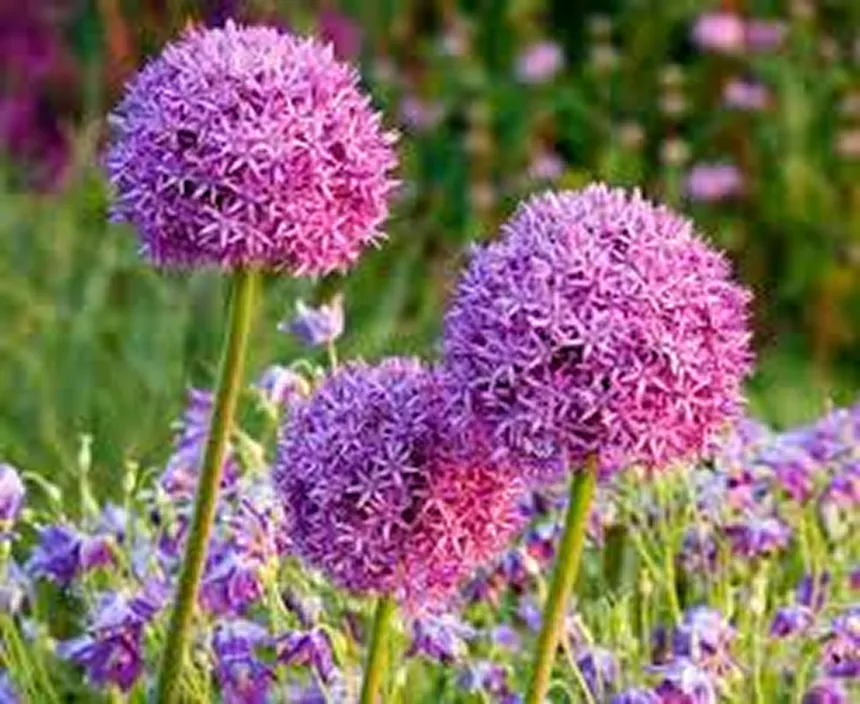 | Native Range: Northern Hemisphere, North America and Eurasia Botanical Name: Allium USDA zone: 4 to 9 |
| 27: | Amaryllis | 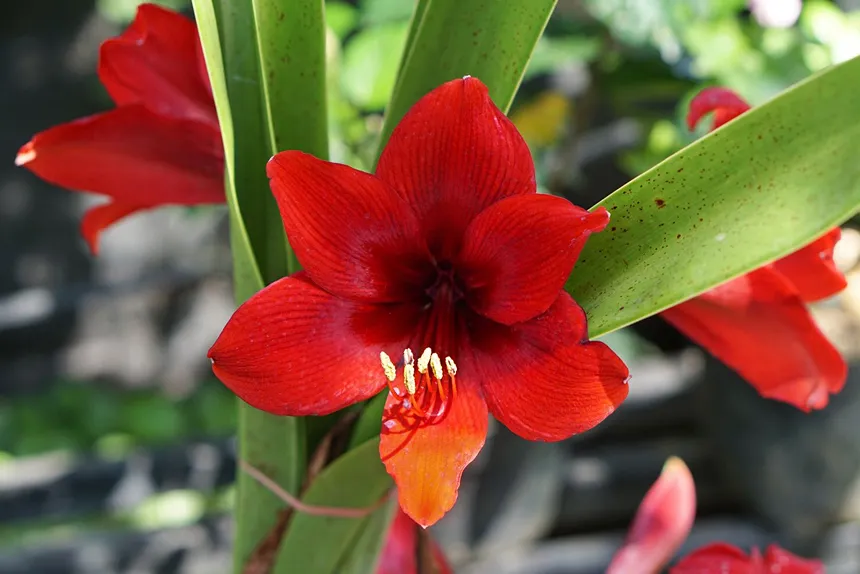 | Native Range: South America Botanical Name: Amaryllis USDA zone: 8 to 10 |
| 28: | Ambrosia | 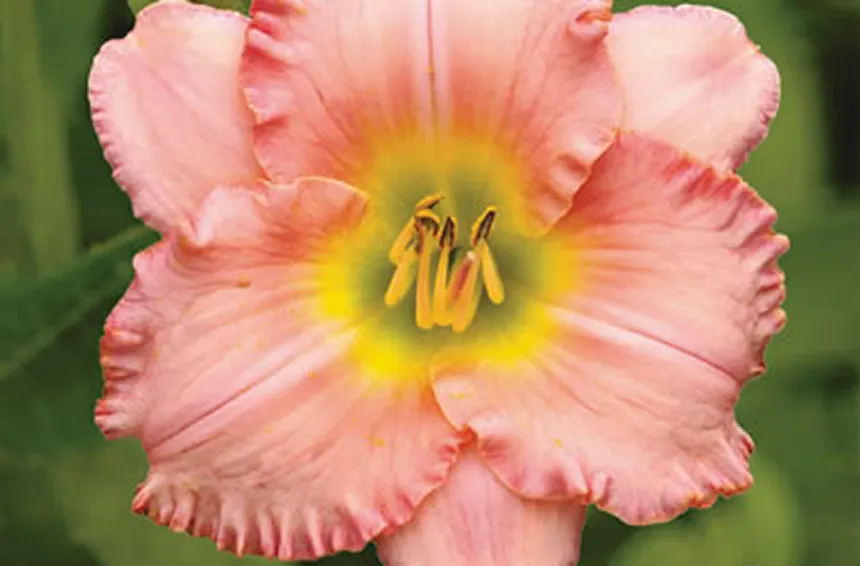 | Native Range: North America Botanical Name: Ambrosia artemisiifolia USDA zone: 9 to 11 |
| 29: | American Ash | 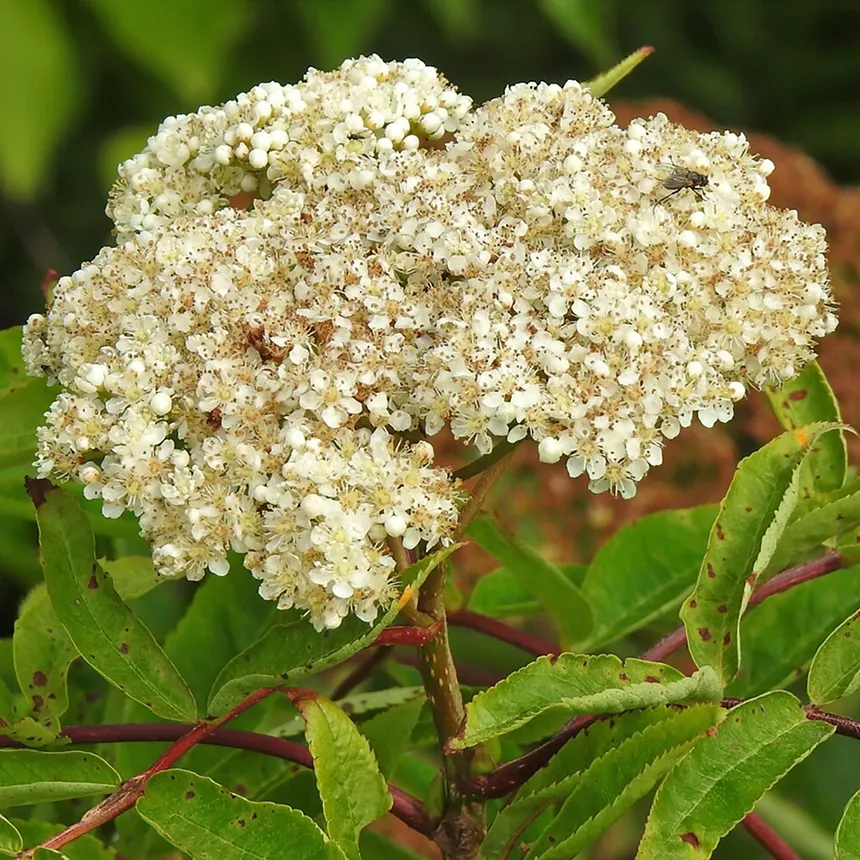 | Native Range: North America and Mexico Botanical Name: Fraxinus americana USDA zone: 4 to 9 |
| 30: | Ammi majus | 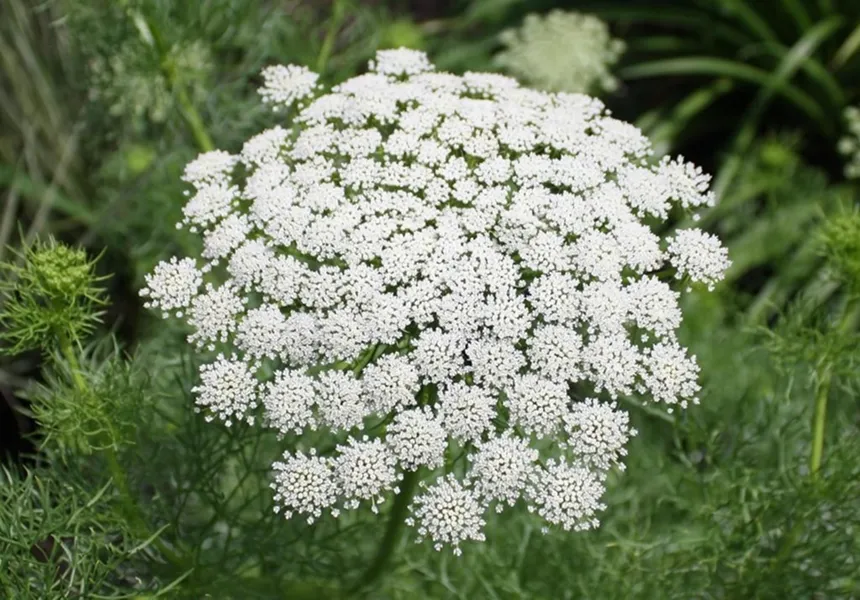 | Native Range: Macaronesia, Medit. to Iran and Arabian Peninsula Botanical Name: Ammi majus USDA zone: 2 to 11 |
| 31: | Amur Adonis | 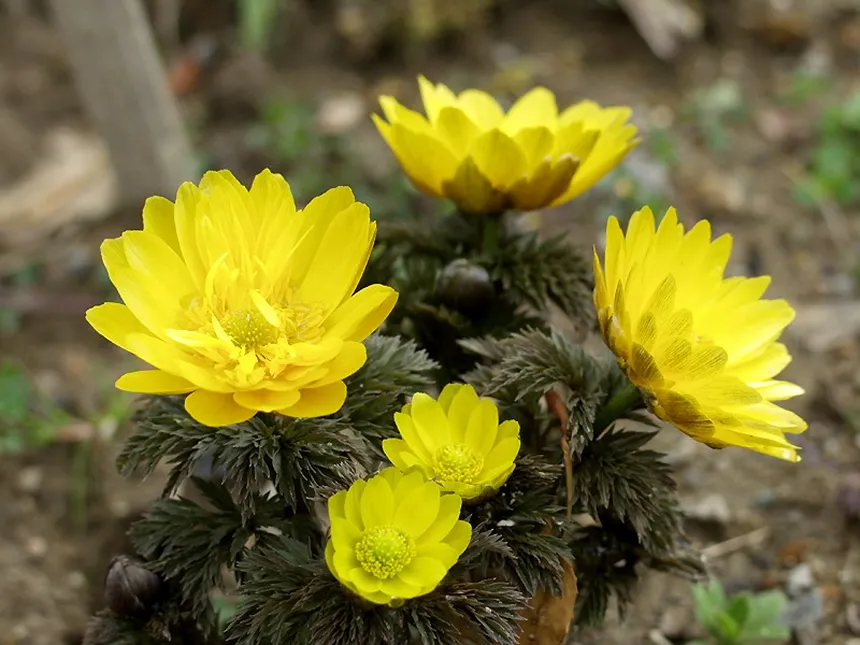 | Native Range: Hills of the Japanese islands and China along the Amur River Botanical Name: Adonis amurensis USDA zone: 3 to 7 |
| 32: | Anemone | 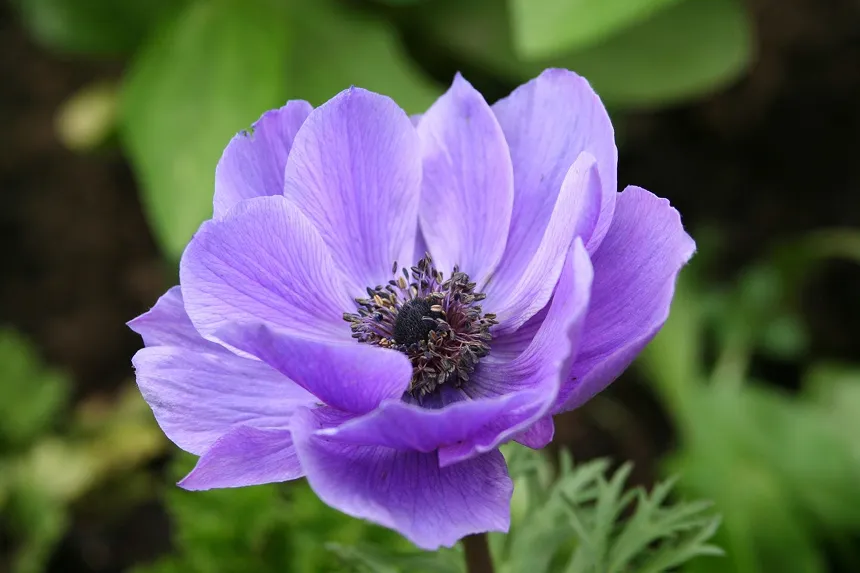 | Native Range: Asia, North America, Africa, South America and Europe Botanical Name: Anemone USDA zone: 4 to 9 |
| 33: | Anthurium | 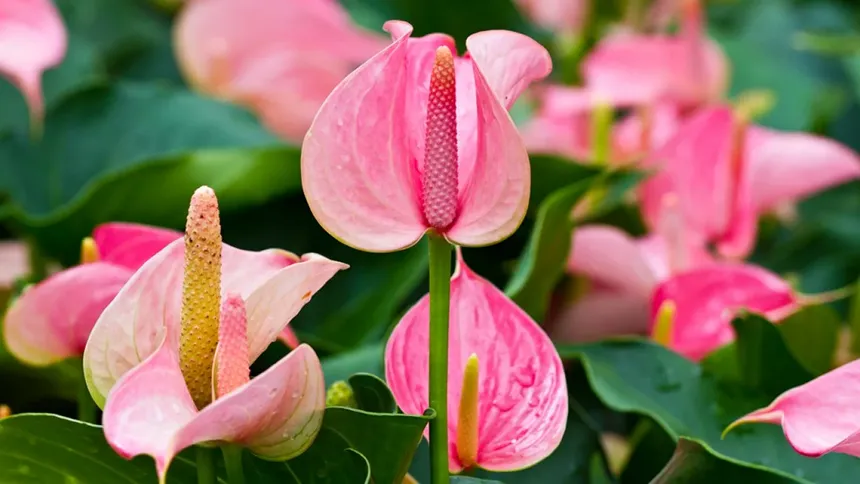 | Native Range: Caribbean, Central America, and South America Botanical Name: Anthurium USDA zone: 11 to 12 |
| 34: | Angelonia | 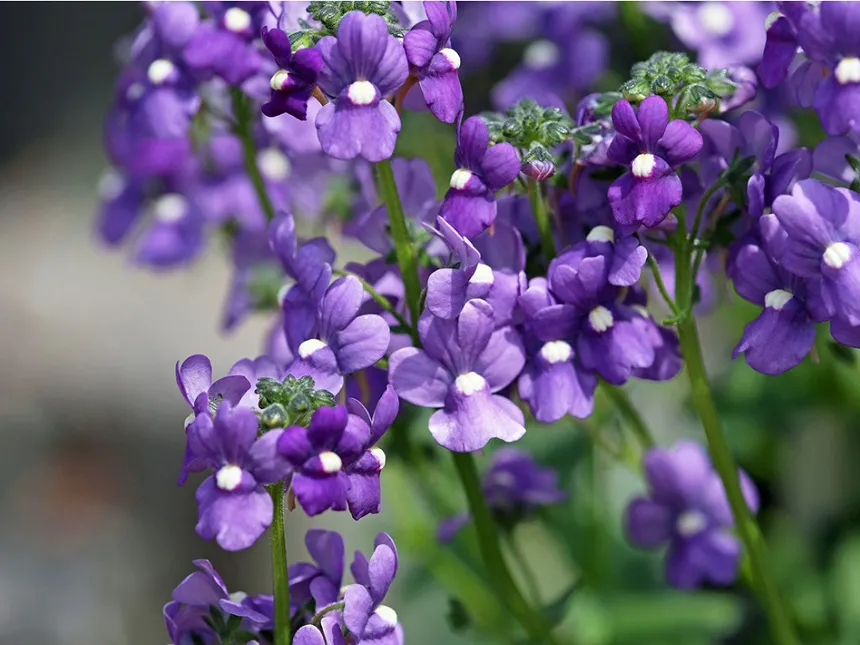 | Native Range: Mexico and the West Indies, Central America and Colombia Botanical Name: Angelonia angustifolia USDA zone: 9 to 11 |
| 35: | Apache Plume | 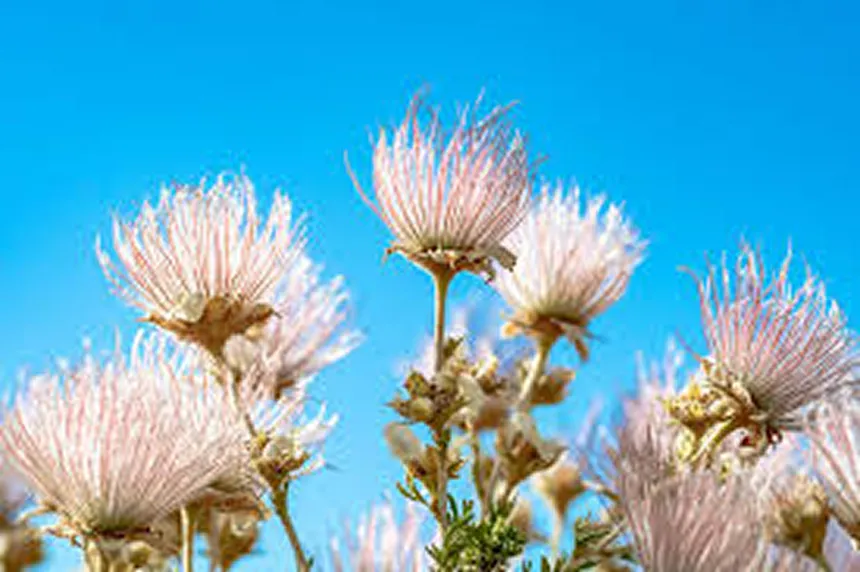 | Native Range: Southwestern U.S. and northern Mexico Botanical Name: Fallugia paradoxa USDA zone: 4 to 9 |
| 36: | Azaleas | 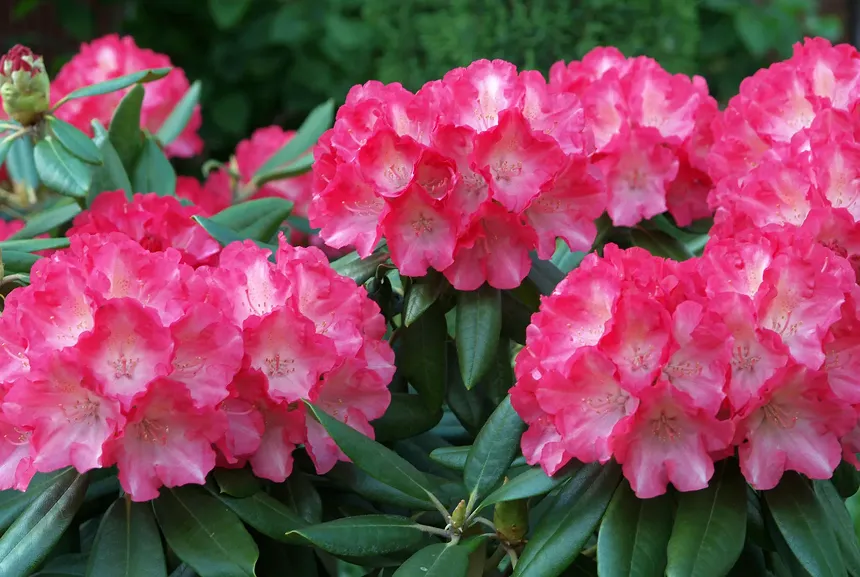 | Native Range: Asia, Europe, North America Botanical Name: Rhododendron spp. USDA zone: 6-8 |
| 37: | African Daisy | 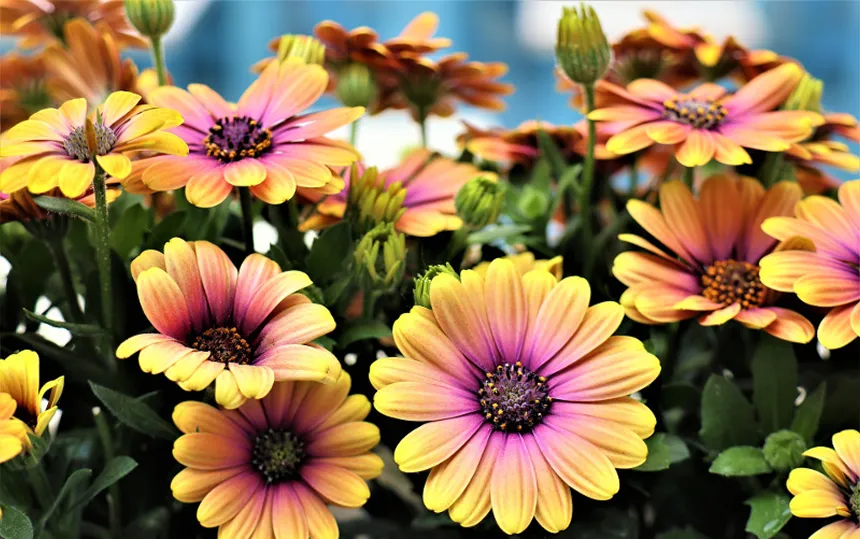 | Native Range: Africa Botanical Name: Arctotis USDA zone: 9 to 11 |
| 38: | Arum | 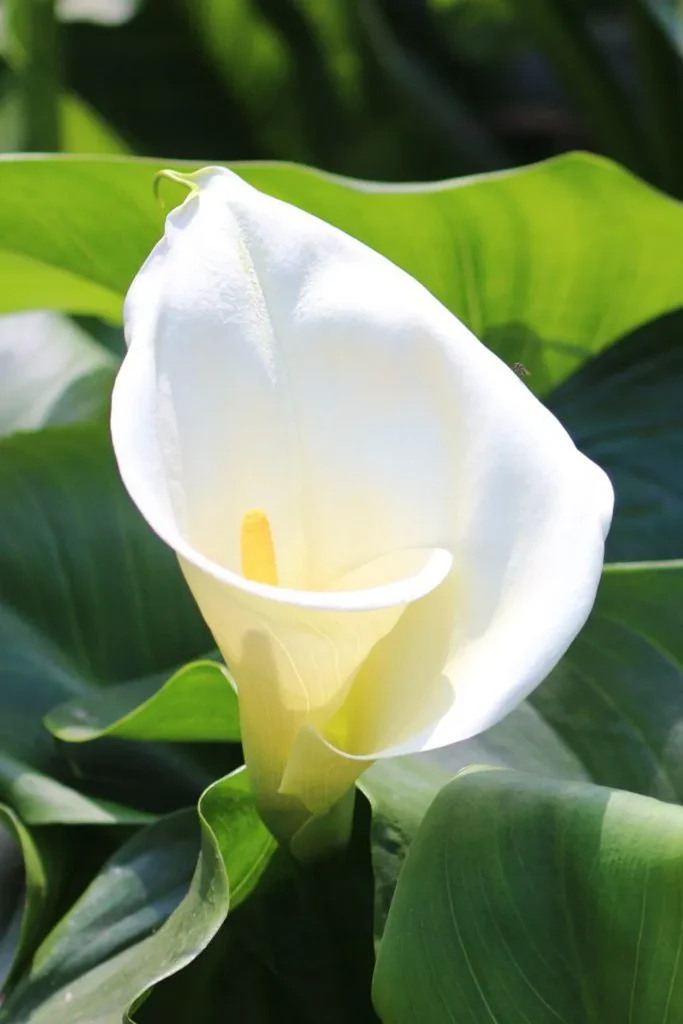 | Native Range: Asia, Europe, Africa Botanical Name: Arum USDA zone: 5 to 9 |
| 39: | Anthericum | 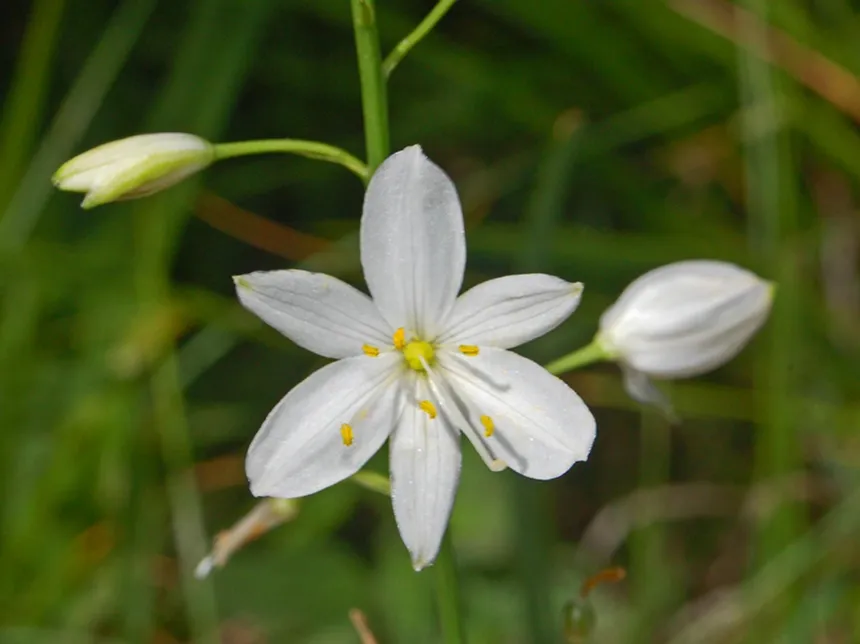 | Native Range: Southern Sweden to Southern Europe and Turkey Botanical Name: Anthericum liliago USDA zone: 4 to 9 |
| 40: | Astrantia | 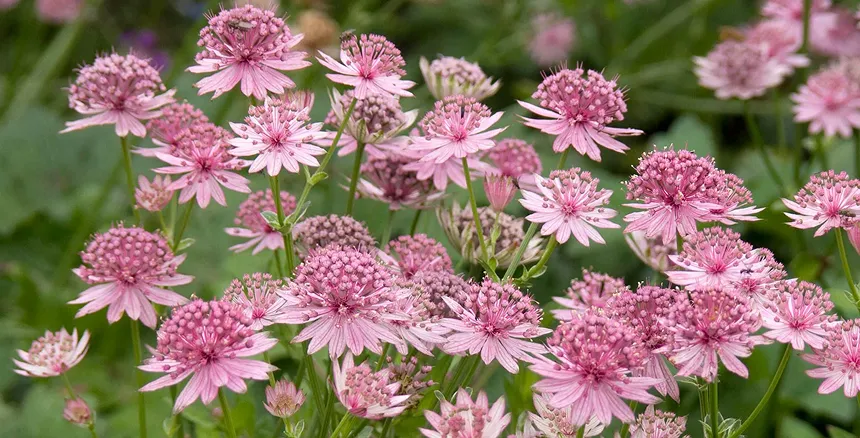 | Native Range: Mountain meadows, grasslands, woodland clearings, and along streams in Europe and western Asia Botanical Name: Astrantia USDA zone: 4 to 7 |
As you can see, the world of flowers that start with an A is rich in variety. All these blooms have their own distinct qualities and evoke different emotions. From bold Amaryllis to delicate Apple Blossoms, there is no limit to the everlasting charm of these flowers.
10 Beautiful Perennial Flowers That Start With A
Below, I’ve covered 10 beautiful perennial flowers that start with A, along with their unique characteristics, blooming seasons, and growing requirements to help you choose the right varieties for your garden.
41: Agastache Foeniculum
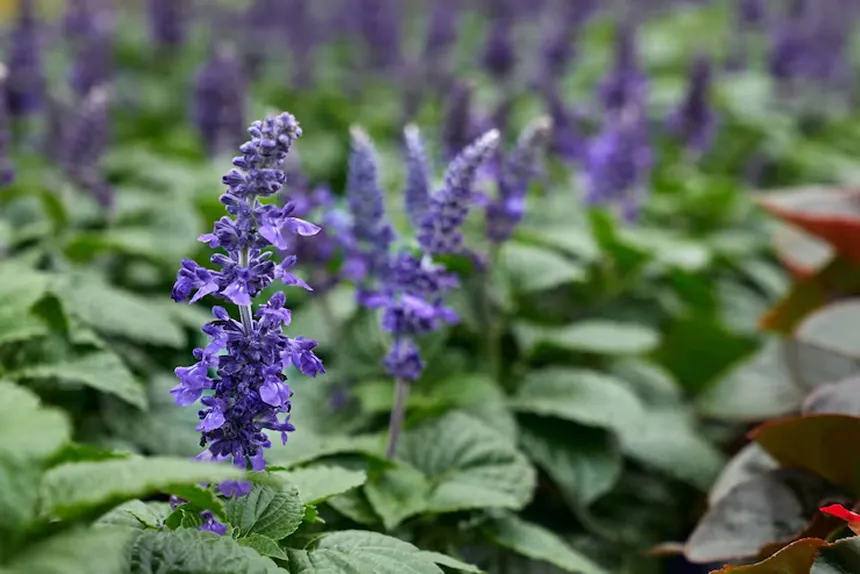
| Common name: Anise Hyssop |
| Native: North America |
| USDA zone: 4 to 8 |
| Growing Requirements: Provide 6 or more hours of full sunlight and 2 to 6 hours of partial shade. Plant in loamy and sandy soil that has good drainage. |
Agastache foeniculum is a herbaceous perennial plant that belongs to the mint family. It produces blue and lavender flowers in the fall and summer season that are edible and lipped or tubular-shaped. The flowers have 2 to 3 petals, and each flower blooms 3 to 6 inches wide. These flowers attract bees, butterflies, and hummingbirds.
42: Amsonia Tabernaemontana
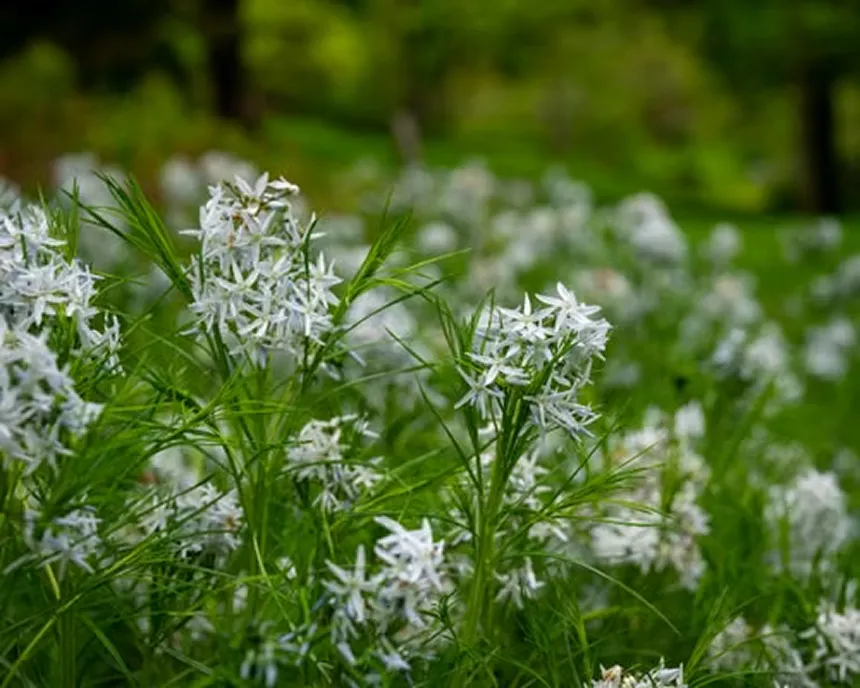
| Common name: Eastern Bluestar, Blue Star Flower |
| Native: Central and Eastern United States |
| USDA zone: 3 to 9 |
| Growing Requirements: Provide 6 plus hours of full sunlight and 2 to 6 hours of partial shade, with well-drained, moist soil; choose clay, loamy, and sandy soil for better results. |
Amsonia tabernaemontana is a herbaceous perennial plant that belongs to the dogbane family. This plant produces star-shaped flowers that are light blue in color and bloom in spring and early summer. The plant grows at least 2 to 3 feet tall, and the flowers also help in pollination by attracting bees, butterflies, and hummingbirds.
Recommended Product
View all products
Common NameBluestar, Blue Dogbane, Threadleaf BluestarMaintenanceLowNative RegionNorth AmericaAverage Height1-3 feetPlant TypeHerbaceous PerennialAverage Width2-3 feet Bluestar, botanically called Amsonia tabernaemontana, earns a spot as a perfect garden member with its early spring blooming, attractive star-shaped light blue flowers, fine-textured willow-like foliage and stunning golden yellow fall colour. Easy to grow in average soil type, the plant supports an extensive range of pollinators. Key Features and Benefits of Amsonia Thanks to the shrub-like habit of Amsonia Blue Star, it is ideal for filling in space in mixed borders, rain gardens, cottage gardens or in mass planting. Amsonia hubrichtii are typically long-lived with thick clump-like, V-shaped form, typically growing 2-4 feet tall. It requires minimal fertiliser to support growth and flowering, and over-fertilising is not preferred as it can cause weak and floppy stems. Amsonia blue ice has a deep tap root system, which makes the plant tolerant to dry spells and well-suited for water-wise gardening. Care Guide, Advantages, and Disadvantages of Amsonia Growing Zone: USDA 3-9 Sunlight Exposure: More than 6 hours of daily sunlight is required to prevent the “floppy” appearance. Water Needs: Regular moisture is needed, especially in the first year. Once established, it is found be to drought tolerant. Soil Type: With well-drained and neutral pH, it is adaptable to various soil types, including sand, loam, and clay. Advantages Generally considered unaffected by deer and rabbits. Shows strong resistance to mostly bacterial and fungal plant diseases. Supports bees, butterflies and hummingbirds with nectar-rich flowers. The fibrous, dense roots bind the soil particles together and prevent erosion, particularly on slopes. Disadvantages Contains a milky sap that can cause skin irritation. In too much shade and nutrient-rich soil, the plant can become floppy. Has relatively short blooming time when compared to its long-season foliage. Grows slowly to reach its full potential, often taking years to become a shrubby plant.
43: Anchusa Aurea
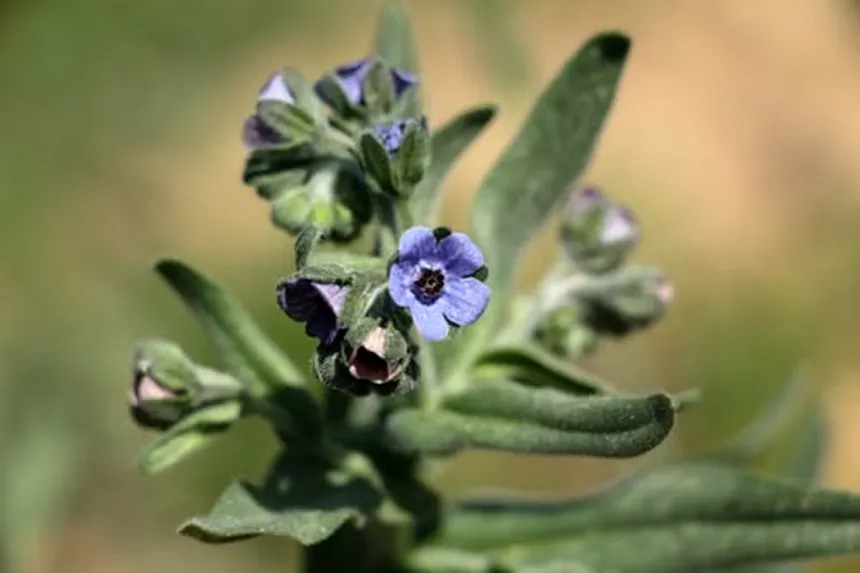
| Common name: Alkanet, Italian Bugloss |
| Native: Europe, Caucasus, Mediterranean region, and Pakistan |
| USDA zone: 3 to 8 |
| Growing Requirements: give 6 plus hours of full sunlight and partial sunlight in the afternoon time. |
Anchusa azurea is a very short-lived herbaceous perennial plant; it belongs to the borage family and produces bright blue to violet-colored, tubular-shaped flowers during late spring and mid-summer season. These plants grow 3 to 5 feet tall and have rough green, and lance shaped leaves. These are edible flowers that are used in decorating salads. The flowers are pollinator-friendly, which means they will make your garden more beautiful.
44: Aquilegia
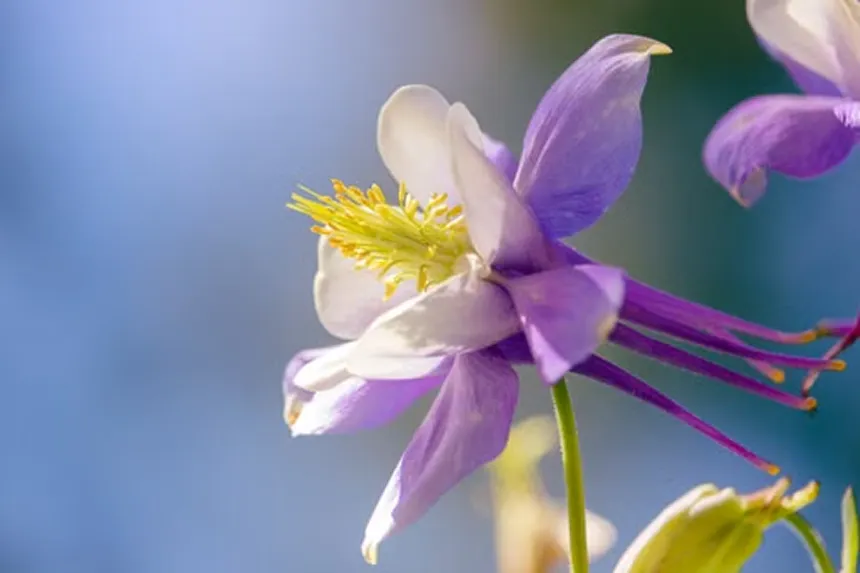
| Common name: Columbine |
| Native: North America, Europe, and Asia |
| USDA zone: 3 to 8 |
| Growing Requirements: This plant needs 2 to 6 hours of partial shade or sunlight with soil that is loamy, sandy, and rocky to ensure it has adequate moisture and has good drainage. |
Aquilegia is a herbaceous perennial plant; it has a short life, and it belongs to the buttercup family. These plants produce bell-shaped, spurred flowers in pink, purple, red, and white colors between mid spring to summer season. The plant grows up to 1 to 4 feet tall and has delicate, green and lobed leaves. These flowers are pollinator friendly and attracts bees, butterflies, and hummingbirds.
45: Armeria Maritima
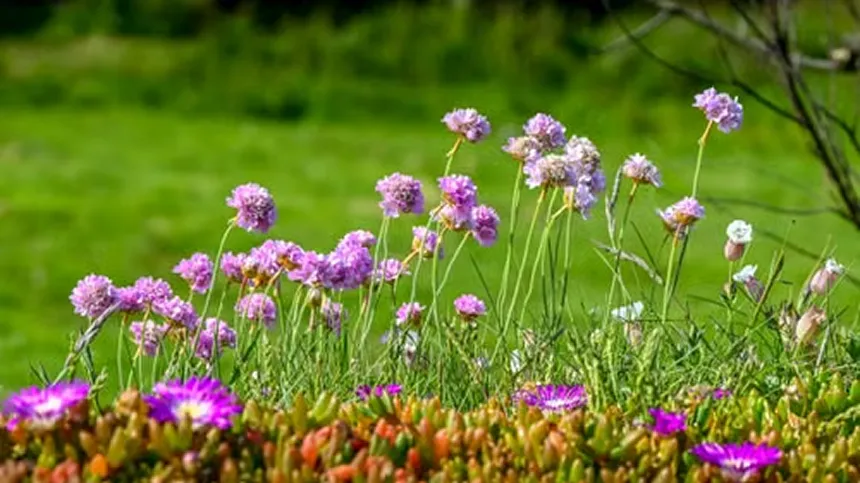
| Common name: Cliff Rose, Common Thrift, Cushion Pink, Maritime Thrift, Sea Pink, Sea Thrift |
| Native: Europe and North America, Greenland |
| USDA zone: 4 to 8 |
| Growing Requirements: 6 or more hours of full sunlight, partial shade for up to 6 hours, dappled sunlight through shade. Ensure it is planted in loamy, sandy, and shallow rocky soil that has good drainage and is well-drained. |
Armeria maritima is an evergreen herbaceous perennial plant that belongs to plumbago family. The plant produces clusters of pink and white flowers between late spring and summer. Sometimes it also blooms in the fall season. The plant grows 6 inches to 2 feet tall, with narrow and grass-like leaves. These flowers attract bees and butterflies.
Did You Know?
This plant has a special gland inside the leaves that produces salt constantly, and sometimes a visible layer of crystal salt gets visible on the ground.
46: Aubrieta Deltoidea
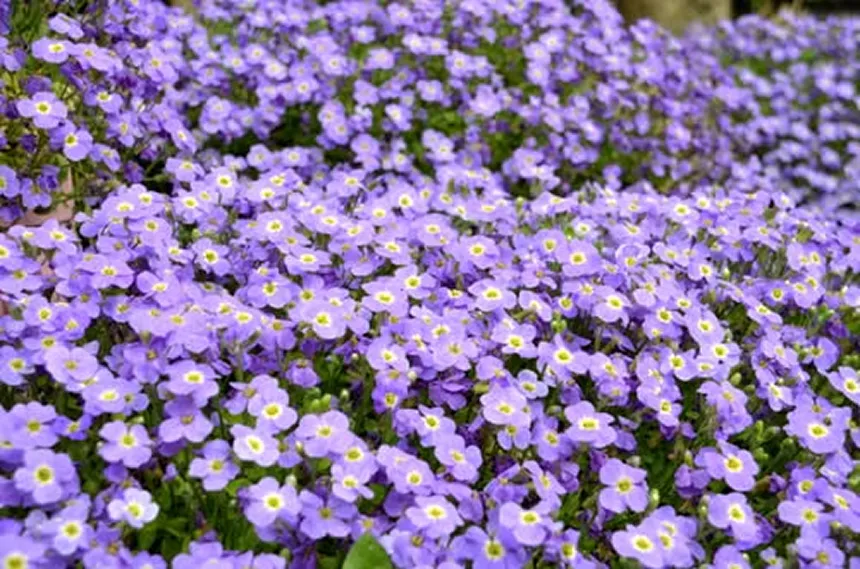
| Common name: Rock Cress, Blue Kisses, Aubrieta |
| Native: Balkans, Southeastern Europe |
| USDA zone: 4 to 8 |
| Growing Requirements: This plant needs 6 or more hours of full sunlight with well-drained chalky, loamy, or sandy soil that has neutral to alkaline PH. |
Aubrieta deltoidea is an evergreen perennial plant that grows low, and it belongs to the mustard family. This plant produces small, four-petaled flowers that are mauve or purple colored. They usually bloom in mid-spring and early summer. The plant grows 4 inches tall and forms a dense mat of grey and green foliage. This plant attracts butterflies and is most suitable for rock gardens and borders.
47: Asclepias Tuberosa
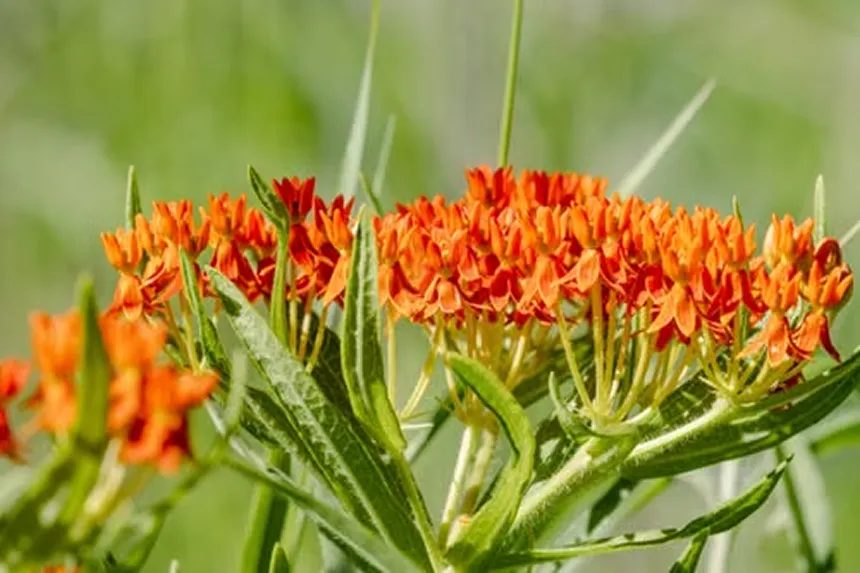
| Common name: Butterfly Weed, Butterfly Milkweed |
| Native: Eastern and Southern North America |
| USDA zone: 3 to 9 |
| Growing Requirements: This plant needs 6 or more hours of full sunlight with well-drained clay, loamy, sandy, and rocky soil that is dry, drought-tolerant, and has moderate salt exposure. |
Asclepias tuberosa belongs to the dogbane family; it is a herbaceous perennial plant that forms clusters of bright orange to yellow flowers in the summer season. The plant reaches 1 to 3 feet long. This plant is pollinator-friendly; the narrow leaves attract monarch caterpillars, and flowers attract butterflies and bees.
48: Arenaria Montana
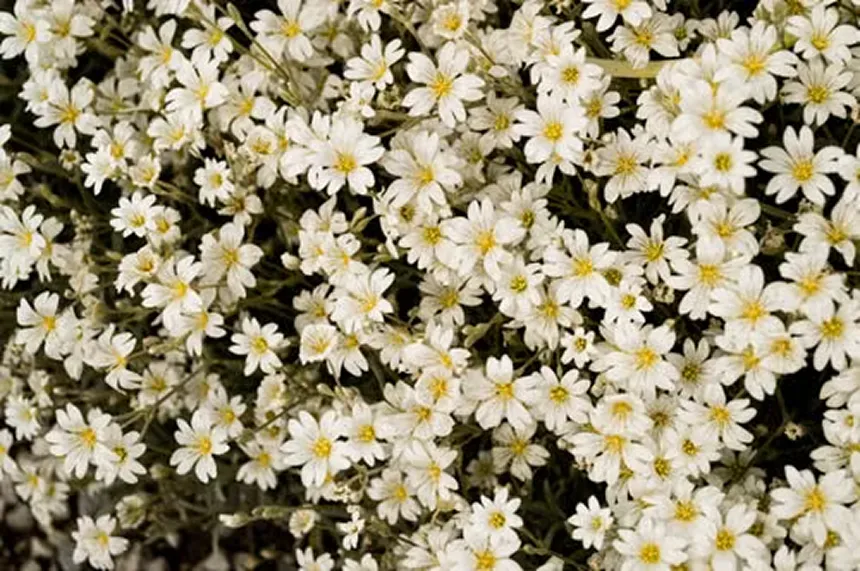
| Common name: Mountain Sandwort, Mountain Daisy |
| Native: France, Morocco, Portugal, and Spain |
| USDA zone: 4 to 8 |
| Growing Requirements: This plant needs 6 plus hours of full sunlight or partial shade. Use well-drained sandy, loamy, or chalky soil that is poor and sandy, as it cannot tolerate waterlogging. |
Arenaria montana is a low growing perennial plant that is part of the Caryophyllaceae family. It produces small, five-petaled flowers that are white in color. They usually bloom in early summer, and the plants reach 4 inches tall. This plant usually grows in rock gardens, borders, or containers.
49: Arabis Alpina
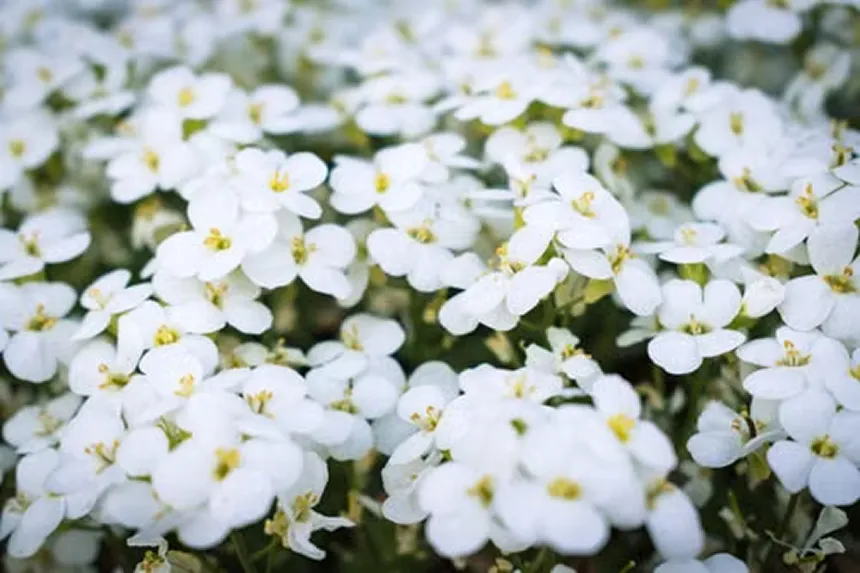
| Common name: Caucasian Rockcress, Garden Rockcress |
| Native: Mediterranean region, Crimea, Turkey, Iran, and Caucasus |
| USDA zone: 4 to 7 |
| Growing Requirements: Provide 6 plus hours of full sunlight, and well-drained, clay, loamy, or sandy soil. This plant prefers gritty and alkaline soil, and it can tolerate dry, rocky, and poor-condition soils. |
Arabis caucasica is a herbaceous perennial plant that belongs to the mustard family. The flowers are small, fragrant, and have four petals. The flowers are usually white or pink in color and bloom during the spring season. The plant grows 6 to 12 inches tall; the leaves are grey and gray and it spreads rapidly. This plant is also pollinator friendly and primarily attracts bees and butterflies.
50: Arisaema Triphyllum
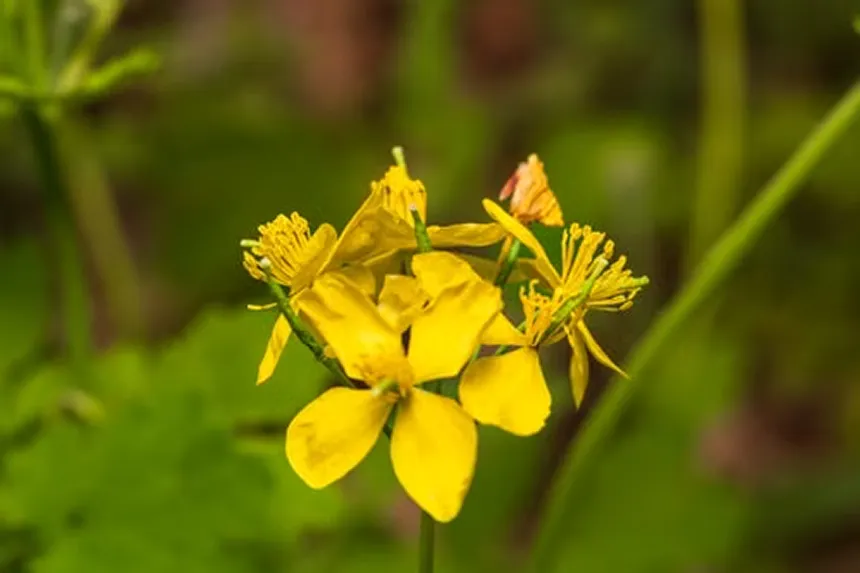
| Common name: Jack-in-the-Pulpit, Indian Turnip |
| Native: Central and Eastern Canada and the United States |
| USDA zone: 4 to 9 |
| Growing Requirements: Provide partial shade for 2 to 6 hours and deep shade for 2 hours. Also ensure the soil is moist and well-drained. This plant likes fertile and organically rich soil. |
Arisaema triphyllum is a herbaceous perennial plant; it produces tiny green and purple flowers that are striped and hood-shaped. The flowers bloom in the spring season and produce berries in the summer season. The plant reaches 1 to 1.25 feet long; it has three-part green leaves.
Conclusion
There is a wide range of flowers that start with A, and most of them have different colors, shapes, and growing habits. Through this guide, I have covered 50 flowers that start with A and their descriptions. If you are planning to make a garden, choose flowers as per the local climate, soil condition, and sunlight availability.
You can choose popular flowers like Aster, Amaryllis, Azalea, and Alstroemeria, or rarely known flowers like Anchusa, Amsonia, and Arisaema. I have also covered a list of flowering trees and shrubs and perennial plants, so if you are looking for unusual varieties or new flowers for the garden, then this can be the right place.
FAQs
What flower represents the letter A?
There are multiple flowers that start with A, including acacia, African daisy, African violet, allium, and alstroemeria. All these flowers have different textures and are found in different colors.
What plant begins with A?
African violet, allium, alstroemeria, anemone, anthurium, aster, astilbe, abelia, acacia, acer, azalea, and apple are common plant, flower, shrub, and tree names starting with A.
What’s a flower that starts with aa?
Aster is a beautiful flower that starts with the letter A. Other examples include Amaryllis, Anemone, Azalea, and Allium. These flowers are known for their attractive colors, unique shapes, and popularity in gardens and floral arrangements.
What are the 10 most popular flowers?
Ten popular flowers starting with A are Aster, Azalea, Amaryllis, Anemone, Allium, Alstroemeria, Alyssum, Agapanthus, African Violet, and Anthurium. These flowers are admired for their vibrant blooms and are commonly grown in gardens, containers, or indoor spaces.
What are 25 common flower names?
25 flower names starting with A include Aster, Azalea, Amaryllis, Anemone, Allium, Alyssum, Alstroemeria, Agapanthus, Anthurium, African Violet, Ageratum, Astilbe, Aquilegia, Abutilon, Achillea, Angelonia, Armeria, Antirrhinum, Amsonia, Aubrieta, Acacia, Adonis, Asclepias, Agastache, and Arctotis.
- Yucca filamentosa– North Carolina Extension Gardner Plant Toolbox