

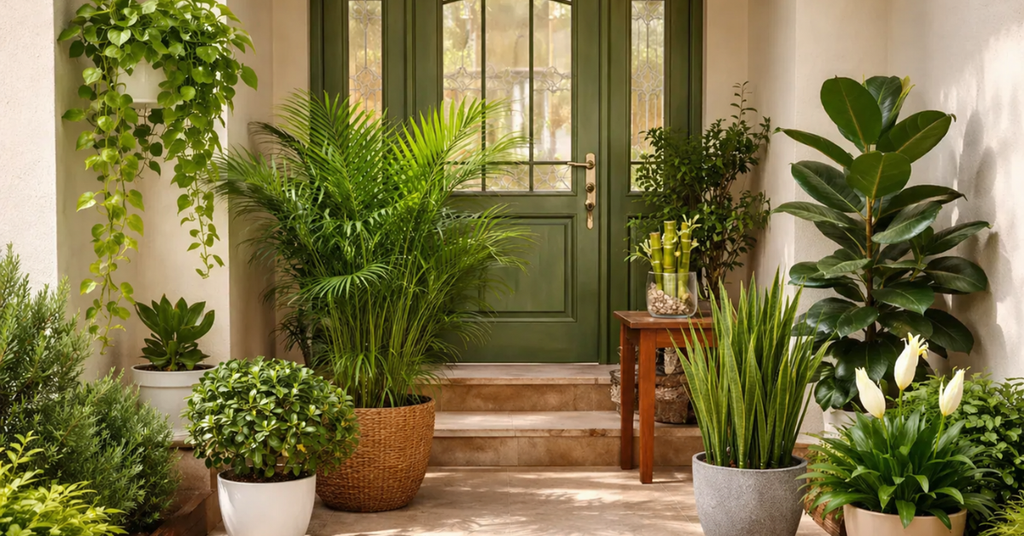
The best plants for a courtyard garden depend on the sunlight, wall shelter, and how much care you want to give them. Courtyards often trap heat or cast shade, so pairing sun lovers, shade foliage, and climbers works well in compact spaces. The cigarette is choosing plants that suit the conditions in your garden. Every courtyard has its own personality. So understanding your space is the 1st step towards creating one that flourishes.
Get to Know Your Courtyard’s Microclimate
Courtyard gardens have been around for thousands of years. Roman villas often featured confined gardens at their heart. Similarly, several Georgian and Victorian homes in Britain hid peaceful courtyards behind their brick façades.
The idea hasn’t changed much. A courtyard is still designed to offer shelter, privacy and a welcome escape from the world outside.
Courtyard gardens frequently have their own microclimate. Brick and stone walls absorb heat during the day and slowly release it after sunset.
That means your patio can stay warmer than the rest of the garden. At the same time, nearby buildings may cast deep shade over certain areas.
This sheltered design has been useful for centuries. Long before greenhouses became common, enclosed walls helped gardeners protect brittle plants from cold winds. Today, they still make it possible to grow species that might struggle in more uncovered spots.
Match Plants to the Available Light
Plants are much happier when they grow where they normally belong.
If your courtyard enjoys at least six hours of sunshine, Mediterranean plants are an excellent choice.
Lavender, rosemary, salvias and ornamental grasses love warm conditions and reward you with fragrance, movement and enough interest for pollinators. Echinacea and gaura also thrive in sunny positions and keep flowering for weeks.
For areas with incomplete shade, look for plants that enjoy a balance of light and shelter. Hydrangeas, Japanese anemones, foxgloves, heucheras, and ferns create a rich mix of flowers and foliage without asking for steady attention.
Don’t see shade as a problem. Some of the most elegant patio gardens are built around it. Hostas, astilbes, pulmonaria, and hardy begonias produce impressive leaves and delicate blooms that brighten darker corners.
During a hot summer, those cool, leafy spaces can become the most comfortable spot in the garden.
Make the Most of Vertical Space
In a courtyard, every wall is an opportunity.
Climbing plants soften hard exteriors and add greenery without taking up valuable floor space. Clematis offers spectacular flowers, climbing roses bring timeless charm, and evergreen jasmine fills sheltered spaces with remarkable fragrance.
Wall planters are another simple way to increase planting space. Herbs such as thyme, oregano and chives grow happily in a holder and stay within easy reach of the kitchen. Hanging baskets filled with trailing flowers or greenery create extra layers that draw the eye upwards.
Courtyards are often defined by their brick, stone or rendered walls. Instead of hiding these features completely, let climbers weave around them. The contrast between traditional stonework and fresh greenery is part of what gives British courtyard gardens their lasting appeal.
Choose Plants That Do More Than One Job
Space is restricted, so every plant should earn its place. Some add colour, others provide fragrance or evergreen structure. Many also support bees, butterflies, and other wildlife.
The best courtyard gardens combine all of these qualities rather than relying on a single burst of summer flowers.
Pair evergreen shrubs with long-flowering perennials and spring bulbs. Then add ornamental grasses for movement and fragrant plants near seating areas. You’ll create a garden that feels interesting throughout the year rather than peaking for just a few weeks.
Think About the Future, Not Just Today
Garden centres are full of plants that look perfectly packed. The trouble starts a few years later, when that “small shrub” decides it’s fated to become king of the courtyard.
Always check the mature height and spread before planting. Condensed hydrangeas, dwarf pittosporums, Japanese maples, and small ornamental trees provide structure without overpowering the space.
Giving each plant enough room also enhances air circulation, making the garden healthier and easier to maintain.
Pick Plants That Can Handle Dry Spells
Sheltered courtyards regularly receive less rainfall than open gardens because surrounding walls block both wind and rain. The result is soil that dries out more quickly, particularly in summer.
Drought-tolerant plants cope well with these conditions once settled. Lavender, sedum, euphorbia, verbena bonariensis, and ornamental grasses continue performing even during warmer weather.
A layer of gravel mulch helps retain moisture, keeps weeds down, and suits the clean lines of a courtyard lawn.
Include Native Plants for Wildlife
A small garden can still make a big difference for local wildlife.
Regional plants have adapted to British conditions over thousands of years, making them reliable and easy to grow. Foxgloves, primroses, field scabious, and cornflowers provide beneficial nectar for bees and butterflies while adding seasonal colour.
Even a handful of native plants can turn a quiet courtyard into a busy stop for pollinating. The visitors probably won’t notice how small your garden is.
Plan for Every Season
A beautiful courtyard should have something to offer every month of the year.
Spring bulbs declare the new season with bright colour. Summer perennials keep the display going through the warmer months. Autumn grasses and asters provide texture and warm tones, while evergreen shrubs hold it all together during winter.
Plants with attractive bark, berries or seed heads also deserve a place. They bring interest long after the flowers have pale and help the garden feel alive in every season.
Keep Your Courtyard Looking Its Best
Choosing the right plants is only the beginning. Regular trimming, watering, feeding and seasonal care keep a courtyard looking balanced and healthy as it matures.
If you’d like expert help, call experienced gardeners in Chiswick. Homeowners rely on them, and they can suggest plants that suit your courtyard’s light, soil and layout.
They will also help with planting, trimming, and ongoing maintenance. It would be much easier to enjoy a booming garden throughout the year without spending every weekend working in it.
Conclusion
The best courtyard gardens are not crowded with the most plants. They’re filled with the right ones.
By working with your courtyard’s singular conditions, you can create a garden that feels welcoming in every season.
Take your time, observe your space, and let it develop normally. Before long, your courtyard won’t just be something you walk through. It will become one of your favourite places.
FAQs
- How do I choose plants when walls block part of the sun?
Map how many years of direct sun vs. bright shade. Each spot gets during the day. Put sun-hungry plants wear polite hits for six or more hours, and plant shade-tolerant foliage like fern in darker corners or under overhangs
- Should I plant directly in the ground or use pots?
Pots and containers let you shift plants as seasonal sun angles change. Men in soil drainage and keep aggressive growers contained. Ground beds work well for permanent focal plants, climbers, or structured borders when drainage and root space are suitable.
- What helps keep courtyard plants healthy with less daily maintenance?
Use vertical space with climbing vines or wall planters and group plants by high-dollar palms or shrubs at the back, medium plants in the middle, and low-growing or trailing plants in front.