


The best flowers to plant in June are heat-loving, drought-tolerant varieties like zinnias, salvias, asters, cosmos, sedums, bee balms, black-eyed susan, coreopsis, blanket flowers, and Shasta daisies. These ten plants thrive in warm soil and bloom through summer into fall.
June is a great month to add warm, earthy color to your garden. While many gardeners start in spring, I wait until June for heat-loving plants, many of which keep blooming all season. The soil is already warmed by now, so it won’t shock new plants; it’s perfect for beginners. Come along as I share 10 June flowers for your summer garden!
Quick answer
Popular flowers to plant in June include salvia, zinnia, asters, sedum, bee balm, cosmos, black-eyed susans, coreopsis, blanket flowers, and Shasta daisies.
10 Flowers to Plant in June for a Summer Garden
The most popular June flower is zinnia, along with salvia, asters, cosmos, and many more, which thrive in warm soil conditions and tolerate dry spells well, even with proper care.
Here is a list of 10 June flowers, which are perfect to elevate your summer garden after a spectacular display of spring flowers.
1. Salvia
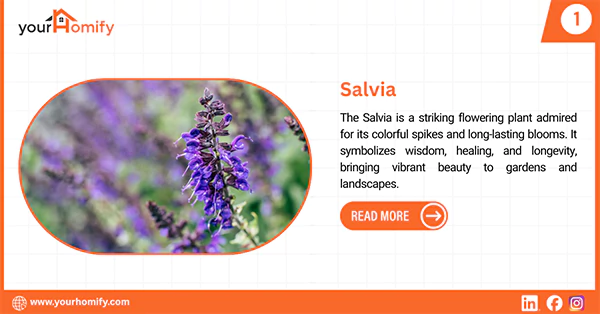
- Botanical Name: Salvia
- Hardiness: USDA zones 4-11
- Native Area: Europe and Central Asia
- Bloom Month: June to October
Salvia is a genus of flowering plants that contains over 200 species of plants. This edible culinary herb is a part of the mint family and is used in cooking for its aroma and flavor.
Best planted in full sun, these spike-like, trumpet-shaped flowers are pollinator-friendly and possess anti-inflammatory properties, as confirmed by the clinical trials of NCBI.
2. Zinnia
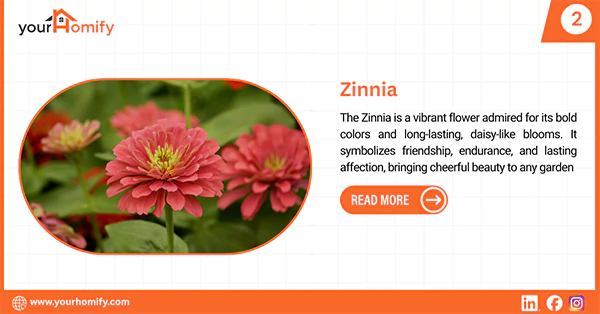
- Botanical Name: Zinnia elegans
- Hardiness: USDA zones 2-11
- Native Area: Mexico
- Bloom Month: June to October
Also known as the friendship flower, zinnia is a summer flower featuring multiple petals and a simple flower design, which is also used in flower arrangements and can last up to 7 days in a vase with proper care.
These Mexican flowers are grown as annuals in warm climates, thrive in full sun with consistent watering, and have a fast-growing growth rate; hence, they are ideal for beginners.
3. Asters
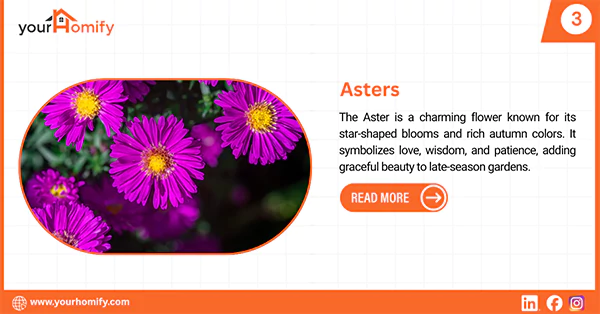
- Botanical Name: Aster spp.
- Hardiness: USDA zones 2-11
- Native Area: Mexico
- Bloom Month: June
Aster is the second-largest plant family, which also includes flowers like sunflowers and daisies. These star-shaped flowers are divided into two parts: one is a central disc, and the other is rays facing outwards.
Apart from being a garden flower, asters are also edible, which makes them ideal as a garnish on salads and soups.
4. Sedum
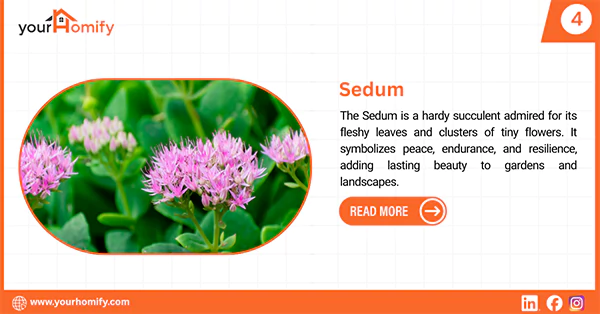
- Botanical Name: Sedum spp.
- Hardiness: USDA zones 3-10
- Native Area: Europe, Asia, and Africa
- Bloom Month: June
Popularly referred to as Stonecrop, Sedum is a plant genus of succulents. Similarly, these late-summer flowers feature clusters of small flowers and thick, fleshy leaves that store water for the plant, which makes it drought-resistant.
Grown best in full sun, some varieties of the plant can also be planted in partial shade in front of ground cover or garden borders, depending on the type.
5. Bee Balm
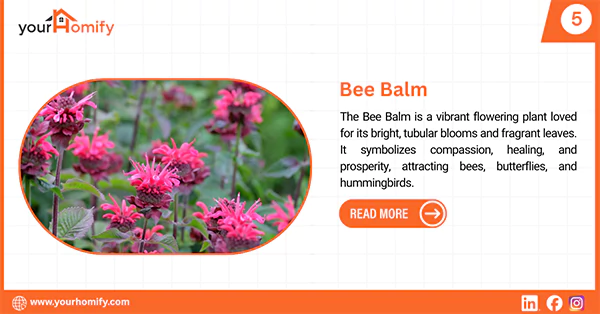
- Botanical Name: Monarda
- Hardiness: USDA zones 3-9
- Native Area: North America
- Bloom Month: June
Bee balm, as the name suggests, is a butterfly and hummingbird magnet that is also a flowering genus growing tubular flowers and an aromatic scent. Part of the mint family, the bee balm flowers grow up to 4 feet tall and are ideal for mixed garden borders paired up with coneflowers or black-eyed Susans.
YourHomify suggestion
The bee balm flowers can self-seed and spread aggressively; hence, prune them regularly to avoid damage to neighboring plants.
6. Cosmos
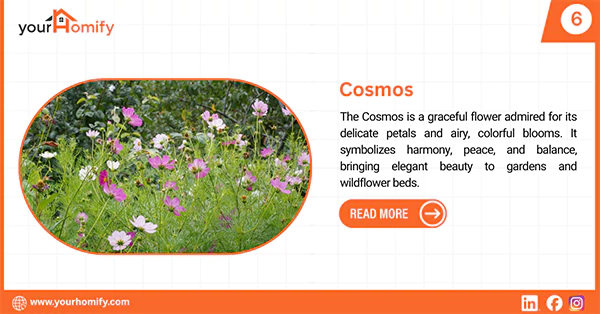
- Botanical Name: Cosmos spp.
- Hardiness: USDA zones 2-11
- Native Area: Mexico and Central America
- Bloom Month: June
Cosmos are my favorite summer flowers, as they add a splash of color in the garden, whether grown outdoors or in balcony gardens. This herbaceous perennial is a flowering genus that is also recognized as the October birth flower, along with marigold.
These drought-tolerant flowers come in multiple colors, are used as indoor decor as well, can last up to 2 weeks in a vase with proper care, and are safe for pets.
YourHomify Suggestion
While cosmos is safe for pets, ingestion can cause gastrointestinal discomfort, which should be examined by a vet only. Avoid home remedies.
7. Black-Eyed Susan
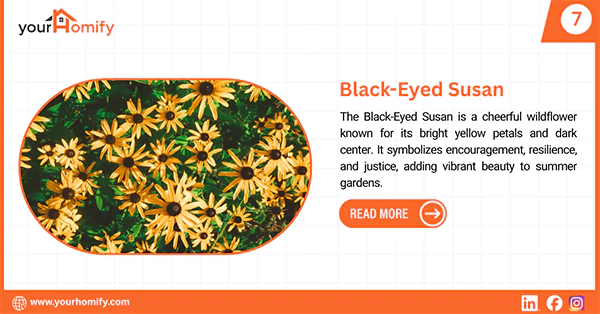
- Botanical Name: Rudbeckia hirta
- Hardiness: USDA zones 3-9
- Native Area: Central and Eastern North America
- Bloom Month: June
Black-eyed susans are a perennial wildflower that is named so due to its black center and yellow petals that closely resemble a sunflower. This wildflower features daisy-like yellow flowers, which are the state flower of Maryland.
8. Coreopsis
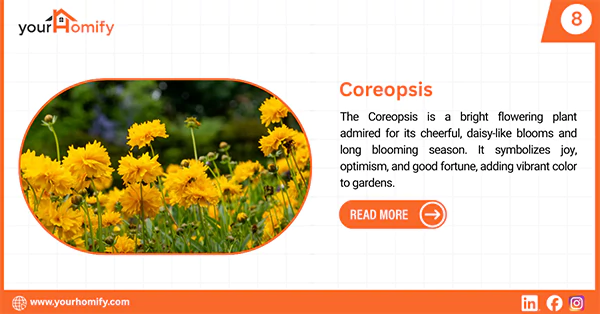
- Botanical Name: Coreopsis
- Hardiness: USDA zones 3-10
- Native Area: North America
- Bloom Month: June
Belonging to the aster family, coreopsis are also known as tickseeds and feature bright yellow flowers. These warm colors perfectly encapsulate the essence of summer, especially when planted near contrasting colored flowers.
Tickseeds are not favored by the deer and rabbits, making their outdoor care hassle-free. They bloom from late summer to early fall but can be aggressive due to their self-seeding ability, hence deadhead on a regular basis.
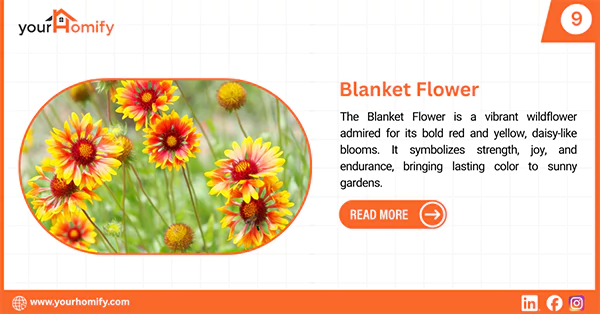
9. Blanket Flower
- Botanical Name: Gaillardia
- Hardiness: USDA zones 3-10
- Native Area: North and South America
- Bloom Month: June
Also referred to as Gaillardia, blanket flower is named so due to its colorful petals, which resemble traditional blankets. The multicolored petals add a perfect splash of colors to the summer garden and also complement any flower arrangement; however, these are short-lived perennials and bloom for 3-5 years.
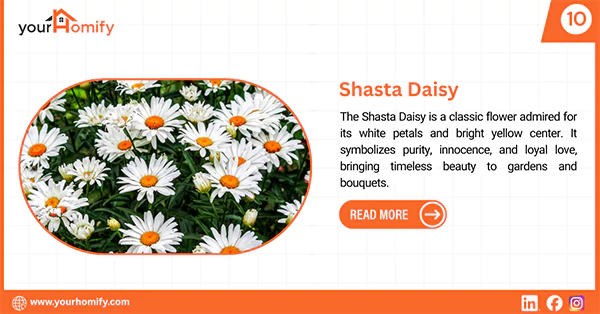
10. Shasta Daisy
- Botanical Name: Leucanthemum x superbum
- Hardiness: USDA zones 5-9
- Native Area: N/A ( it is a hybrid variety)
- Bloom Month: June
The Shasta daisy is a true daisy variety from the aster family featuring white petals and a yellow center. These white flowers bloom till early fall and are a symbol of purity and innocence, which is true for all white flowers.
Note that the Shasta daisy can be mildly toxic to humans and pets and hence handled with care. Otherwise, place them in a flower arrangement in a vase or use them as a centerpiece for your home decor.
Concluding Remarks
June flowers are a perfect beginner’s dream; these plants are heat-loving and drought-tolerant, which makes them fit for the summer months. Zinnia is the most famous summer flower, which is perfect for garden blooms and also flower arrangements, followed by salvia, asters, cosmos, sedum and many more.
This list of 10 June flowers turns the dull garden into vibrant and lively spaces without much effort.
FAQs
Is late June too late to plant flowers?
No, late June is not too late to plant flowers; the soil has warmed perfectly till now and is ideal for root formation.
Do flowers lower cortisol?
Yes, research proves that smelling flowers can lower cortisol levels.
Is June 1st too late to plant flowers?
No, early June is not too late to plant flowers; in fact, the soil is perfectly warm for all heat-loving flowers to establish quickly before fall arrives.
What can I plant in June?
Flowers to plant in June include salvia, zinnia, asters, bee balm, and many more.
What flower can I plant in early June?
Zinnia is a summer flower that can be planted early in June.
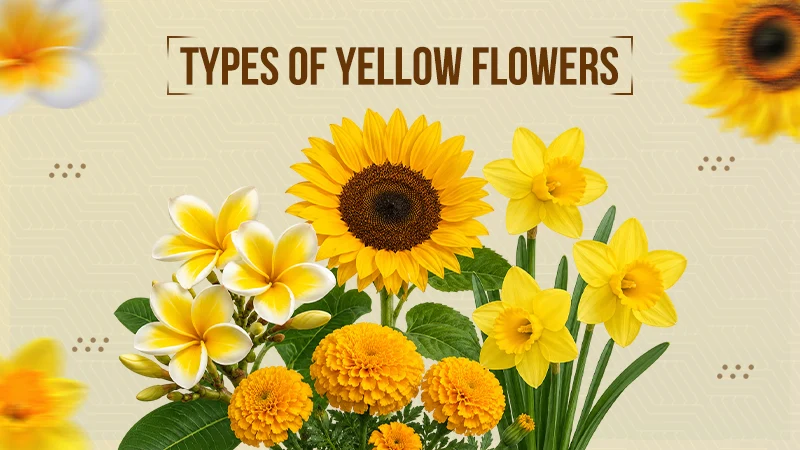

31 Types of Yellow Flowers: Names, Meanings & Pictures
[…] is one of the best flowers to plant in June, if you wish to have a colorful summer garden. What do I like about this flower? — low […]