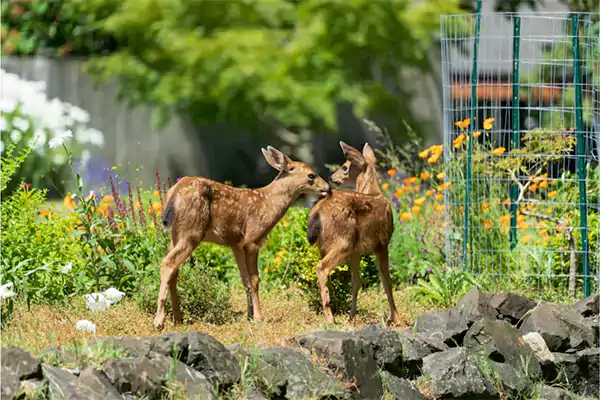
Are you also frustrated by the deer’s pervasiveness and the damage they cause by browsing and rubbing their antlers on your garden plants and flowers? Deer-resistant flowers might be an excellent solution!
This group of mammals, generally found in woody and grassy areas, is attracted to your garden for various reasons, primarily in search of food. Gardens featuring young, tender shoots of plants and flowers draw these herbivores towards them.
Besides, their prevalence also increases in search of shelter, water, and seasonal changes in the environment. The winter compels the deer to stroll through the garden for fruits and nuts-bearing plants.
But do not worry. Take a tour of this article to unveil pro tips on how to deter them away, planting deer-resistant flowers and plants, and finally, the best varieties of flora and fauna that do not attract any sort of herbivores.
Best Deer-Resistant Flowers to Grow
Many organizations, like the New Jersey Agricultural Experiment Station or Montana State University, state that ‘no plants are completely deer-proof’; despite that, there are many plants that flower that are distasteful to these selective feeders.
Here’s a list of flowers that have been observed by horticulturists, gardeners, landscapers, and other plant lovers to be less preferred by deer and other mammals.
1. Lily of the Valley
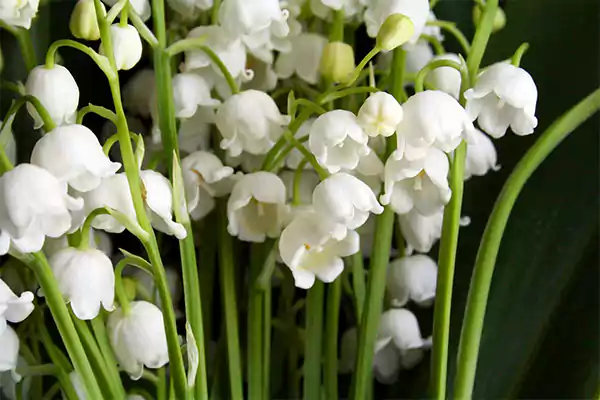
| Botanical Name | Convallaria majalis |
| Hardiness Zone | 3-8 USDA |
| Size | 6-12 inches tall and 9-12 inches wide. |
| Sun Exposure | These are shade plants, preferring partial to full shade. |
| Soil Type | Moist, well-draining mix. |
| Features |
|
2. Common Foxglove
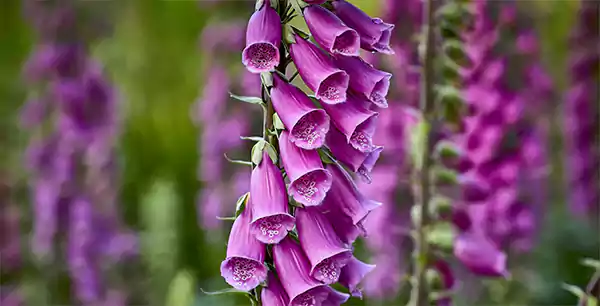
| Botanical Name | Digitalis Purpurea |
| Hardiness Zone | 4-9 USDA |
| Size | 3-5 feet tall and 1-5 feet wide. |
| Sun Exposure | Prefers full sun in colder climates and partial shade in warm regions. |
| Soil Type | Organically rich, moist, and well-draining. |
| Features |
|
3. Monkshood
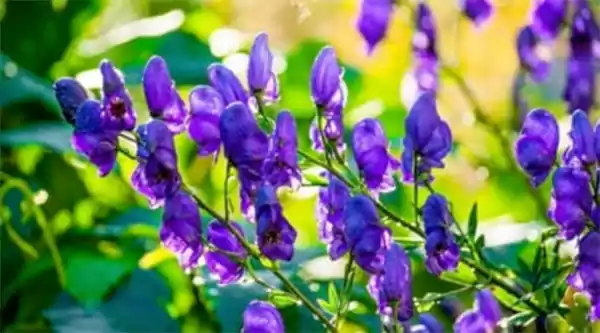
| Botanical Name | Aconitum napellus |
| Hardiness Zone | 3-8 USDA |
| Size | 2-5 feet tall and 1-2 feet wide. |
| Sun Exposure | Prefers partial shade, but can thrive in full sun in cold climates. |
| Soil Type | Rich, moisture-retentive, well-draining. |
| Features |
|
4. Butterfly Milkweed
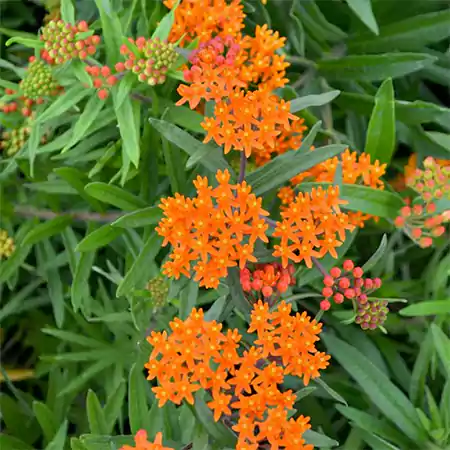
| Botanical Name | Asclepias tuberosa |
| Hardiness Zone | 3-9 USDA |
| Size | 18-24 inches tall and 12-18 inches wide. |
| Sun Exposure | Prefers full sun (6 hours daily) |
| Soil Type | Well-draining sandy or rocky mix. |
| Features |
|
5. Winter Aconite
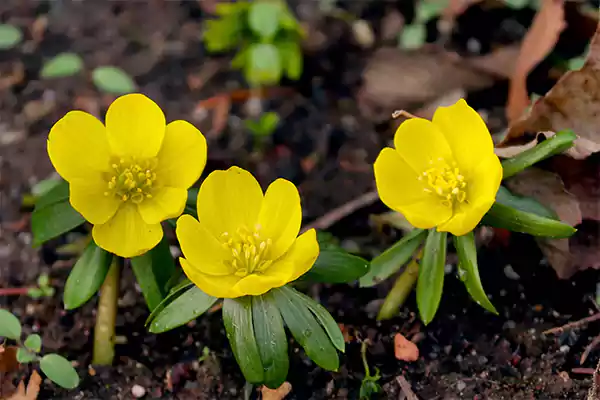
| Botanical Name | Eranthis hyemalis |
| Hardiness Zone | 4-9 USDA |
| Size | 3-6 inches tall and 4-6 inches wide. |
| Sun Exposure | Full sun to partial shade. |
| Soil Type | Rich, well-draining mix with slightly alkaline to neutral pH. |
| Features |
|
6. Poppies
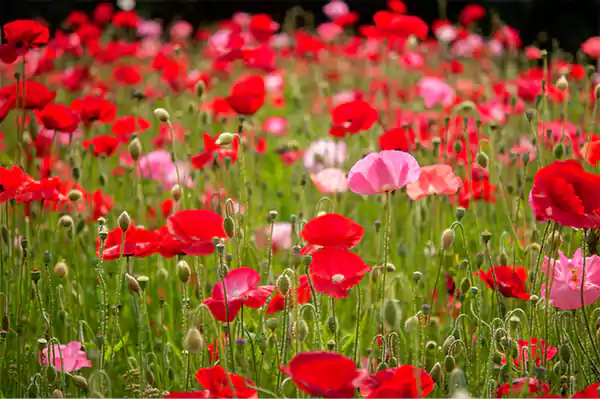
| Botanical Name | Papaver rhoeas |
| Hardiness Zone | 3-9 USDA |
| Size | 30-60 cm tall and 15-30 cm wide. |
| Sun Exposure | Thrives under full sun. |
| Soil Type | Rich, well-drained sandy and loamy soils. |
| Features |
|
7. Rose of Sharon
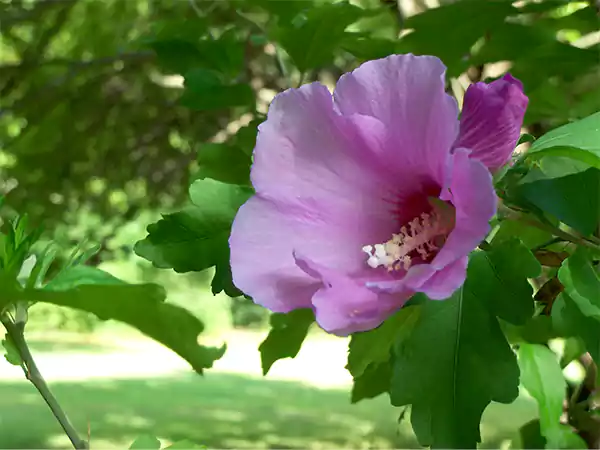
| Botanical Name | Hibiscus syriacus |
| Hardiness Zone | 5-9 USDA |
| Size | 8-12 feet tall and 6-10 feet wide. |
| Sun Exposure | Full sun to partial shade |
| Soil Type | Moist, well-drained mix with rich organic matter. |
| Features |
|
8. Coreopsis
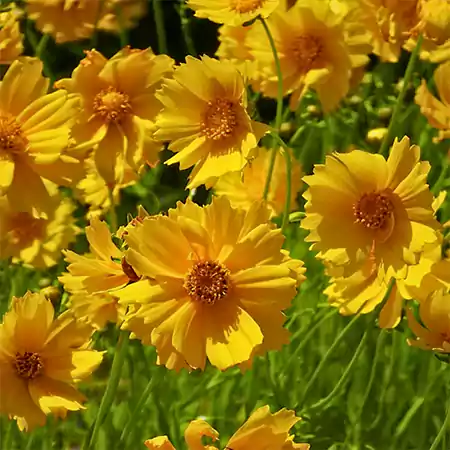
| Botanical Name | Coreopsis verticillata |
| Hardiness Zone | 4-9 USDA |
| Size | 15-120 cm tall and 30-60cm wide. |
| Sun Exposure | Thrives under full sun. |
| Soil Type | Well-drained sandy or rocky soil. |
| Features |
|
9. Peonies
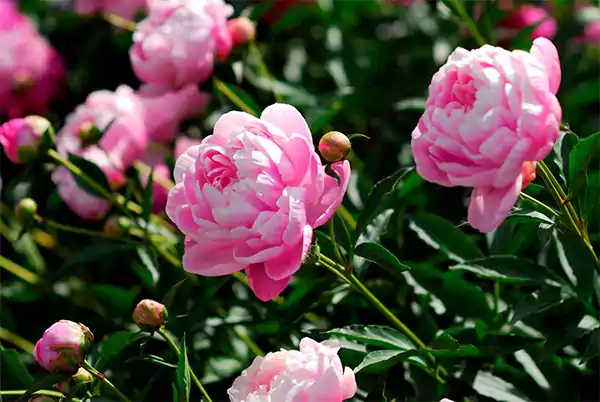
| Botanical Name | Paeonia lactiflora |
| Hardiness Zone | 3-9 USDA |
| Size | 2-7 feet tall and 2-3 feet wide |
| Sun Exposure | Full sun to partial shade. |
| Soil Type | Rich, fertile, well-drained. |
| Features |
|
10. Common Lilac
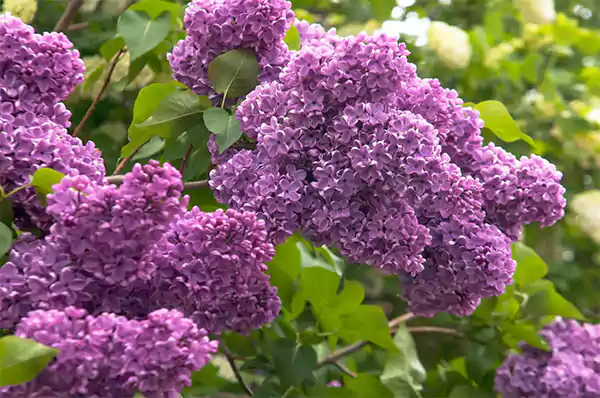
| Botanical Name | Syringa vulgaris |
| Hardiness Zone | 3-7 USDA |
| Size | 8-15 feet tall and 6-12 feet wide. |
| Sun Exposure | Thieves in full sun. |
| Soil Type | Neutral to slightly alkaline well-drained soil. |
| Features |
|
These animal-resistant flowers offer both beauty and resilience. Their ability to withstand browsing predators makes them an ideal choice for gardeners who desire captivating appeal without any worry.
Apart from being resistant to mammals, it offers visual benefits too. Pairing them with other indoor plants creates a lush appeal and transforms your home garden into an inviting retreat.
Pro Tips for Planting Deer or Rabbit-Resistant Plants
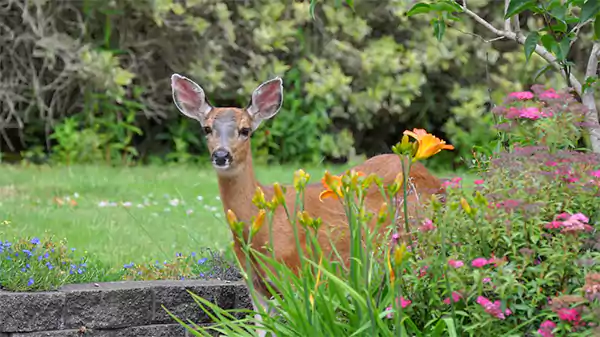
The feeding habits of these mammals are affected by nutritional needs, weather conditions, plant palatability, geographic areas, and previous patterns of movement. Generally, the plants are at stake if any of these conditions are stressing the herd, but you can definitely reduce the risk of damage using certain tips and tricks.
If you want your outdoor living areas and lawns to be free from the occurrence of these mammals and herbivores, adhere to these tips for planting deer-resistant bushes and plants.
- Select Plants that Deter Deer: Many flora and fauna options do not attract these mammals due to various factors, like strong aroma, spiny or fuzzy textured foliage, tough leaves, and toxicity levels.
Also, plants with high water content, like succulents, cactus varieties, and terrarium plants, are less desirable to herbivores.
Quick Insight!
Refer to the Rutgers Deer Resistance Rating System to select plants that a deer typically tends to avoid.
- Strategic Placement: You can prevent them from exploring your gardens further by placing the selected plants in proximity to the entrance gate, which can stop them then and there.
- Companion Planting: Adding several medicinal plants like thyme, garlic, mint, rosemary, or cinnamon trees not only provides you with enriching benefits, but also acts as a natural repellent for mammals and pests.
- Keep Your Plants Rotating: These mammals become familiar with your garden plants and get accustomed to damaging the same ones again and again. Rotation of plants breaks the patterns and prevents them from being too familiar with your setting.
Following these strategies and planting tips will help you craft a space that is less attractive to these herbivores and keep them away from your gardens.
List of Deer-Resistant Garden Plants
Mostly, gardeners and plant lovers plan their gardens in a way that yields them multifaceted benefits. From plants with health benefits, skin benefits, year-round vibrant blooms, lush appearance, or privacy screens, the choices are unlimited.
Besides, adding plants that are also predator-proof allows you to enjoy these benefits while ensuring your greenery remains safe.
Here are some categories of plants that are not only mammal safe, but also elevate your home decor and appeal manyfold.
Deer-Resistant Annuals
Take a look at a few wildlife-proof annuals that add seasonal charm to your gardens without inviting unwanted visitors.
1. Begonia
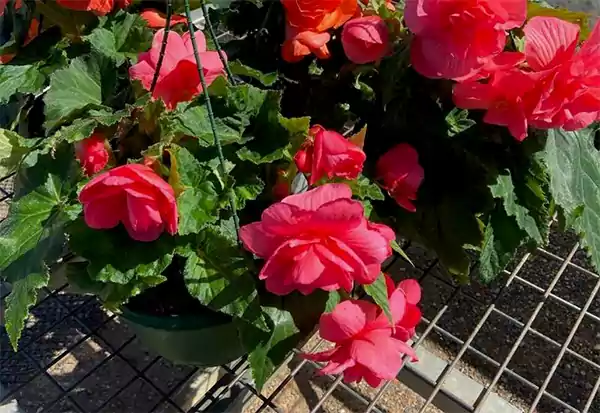
| Botanical Name | Begonia spp. |
| Hardiness Zone | 9-11 USDA |
| Size | 6-18 inches tall and 6-12 inches wide. |
| Sun Exposure | Partial shade to dappled light. |
| Soil Type | Well-draining mix with slightly acidic pH. |
| Features |
|
2. Marigold
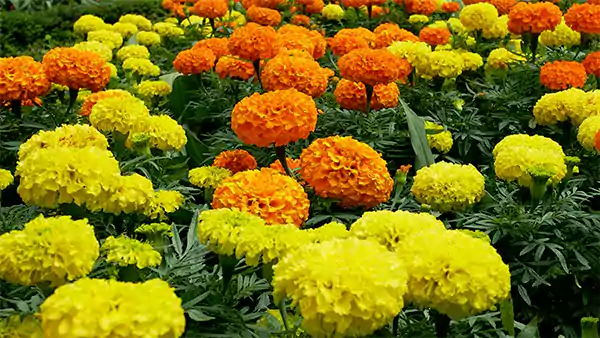
| Botanical Name | Tagetes spp. |
| Hardiness Zone | 2-11 USDA |
| Size | 6-36 inches tall and 6-18 inches wide. |
| Sun Exposure | Prospers under full sun. |
| Soil Type | Well-draining, fertile mix. |
| Features |
|
3. Annual Vinca
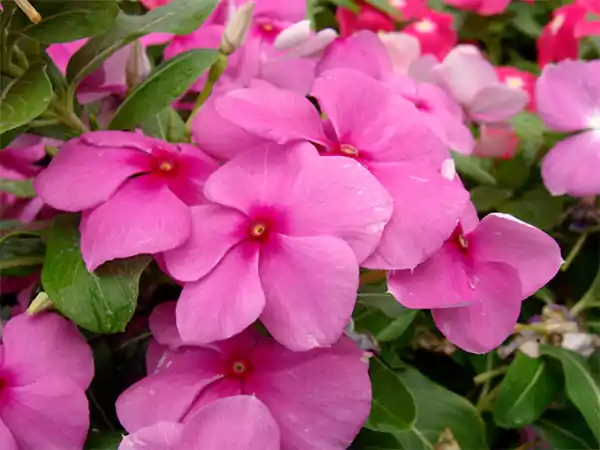
| Botanical Name | Catharanthus roseus |
| Hardiness Zone | 9-11 USDA |
| Size | 6-18 inches tall and 8-12 inches wide |
| Sun Exposure | Full sun to partial shade |
| Soil Type | Well-draining and mildly fertile. |
| Features |
|
4. Zinnia
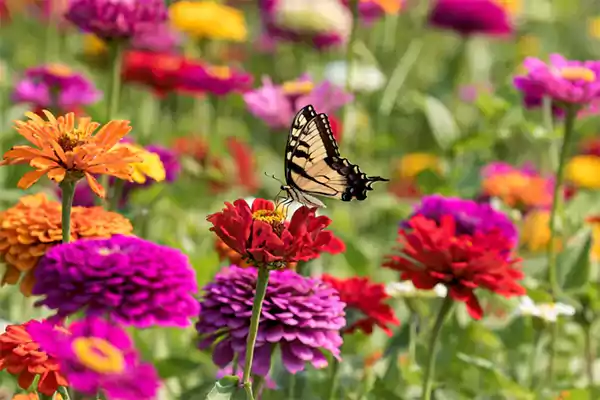
| Botanical Name | Zinnia spp. |
| Hardiness Zone | 2-11 USDA |
| Size | 10-40 inches tall and 12-18 inches wide |
| Sun Exposure | Flourishes under full sun |
| Soil Type | Moderately fertile, & well-draining. |
| Features |
|
5. Cornflower
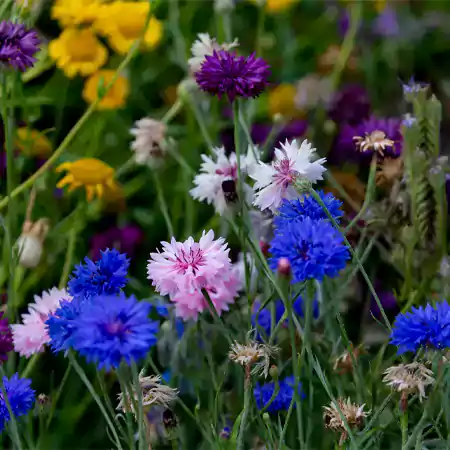
| Botanical Name | Centaurea cyanus |
| Hardiness Zone | 2-11 USDA |
| Size | 12-36 inches tall and 8-12 inches wide |
| Sun Exposure | Bloom best under full sun. |
| Soil Type | Well-draining and mildly fertile. |
| Features |
|
You can choose these vibrant annuals to brighten up your garden while staying out of a predator’s sight.
Deer Resistant Perennials
Take a look at a few deer-resistant perennial plants that are ideal for gardeners looking for low-maintenance and long-lasting appeal.
1. Salvia
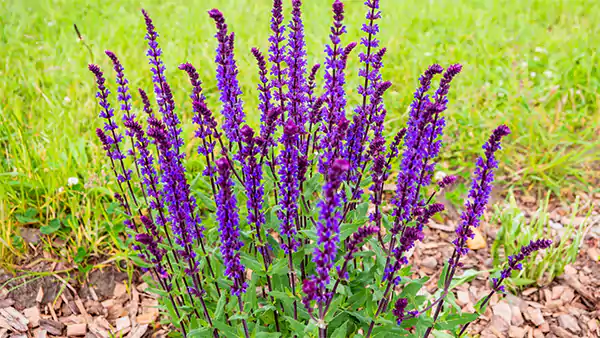
| Botanical Name | Salvia nemorosa |
| Hardiness Zone | 4-9 USDA |
| Size | 18-36 inches tall and 12-24 inches wide. |
| Sun Exposure | Thrives under full sun. |
| Soil Type | Well-draining and fertile. |
| Features |
|
2. Bearded Iris
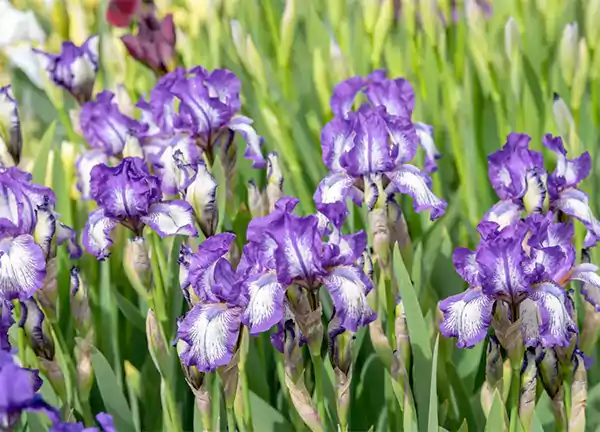
| Botanical Name | Iris germanica |
| Hardiness Zone | 3-9 USDA |
| Size | 1-3 feet tall and 1-2 feet wide. |
| Sun Exposure | Performs best under full sun. |
| Soil Type | Well-draining with slightly acidic to neutral pH. |
| Features |
|
3. Larkspur
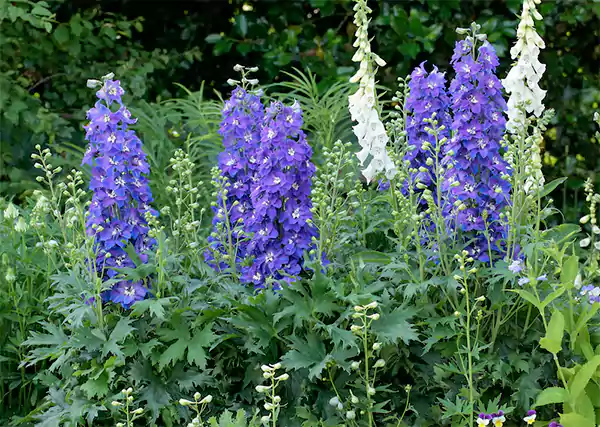
| Botanical Name | Delphinium consolida |
| Hardiness Zone | 2-10 USDA |
| Size | 1-4 feet tall and 1-2 feet wide. |
| Sun Exposure | Full sun to partial shade. |
| Soil Type | Well-draining and moist. |
| Features |
|
4. Coneflower
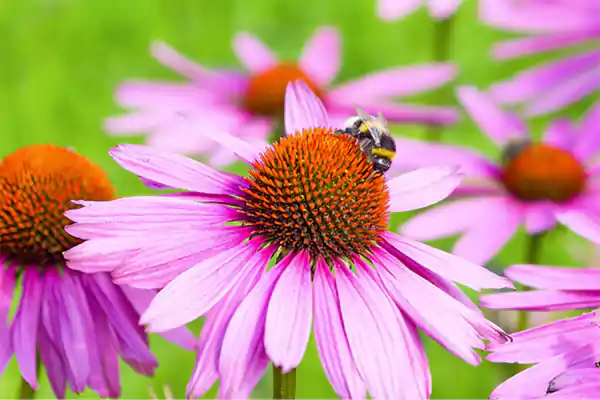
| Botanical Name | Echinacea purpurea |
| Hardiness Zone | 3-9 USDA |
| Size | 2-4 feet tall and 1-2 feet wide. |
| Sun Exposure | Thrives best under full sun |
| Soil Type | Rich, well-draining mix that is high in organic matter. |
| Features |
|
5. Fringed Bleeding Hearts
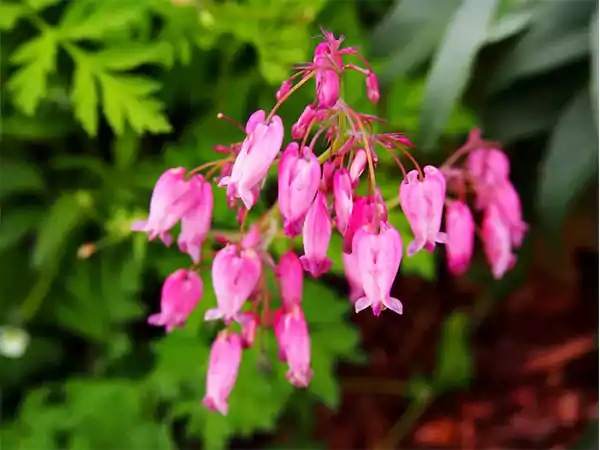
| Botanical Name | Dicentra eximia |
| Hardiness Zone | 3-9 USDA |
| Size | 12-18 inches tall and 12-24 inches wide |
| Sun Exposure | Partial shade to full shade. |
| Soil Type | Moist, well-draining, and humus-rich. |
| Features |
|
By choosing deer-resistant perennials that bloom all summer, you can transform your boring gardens into vibrant tropical retreats.
Deer-Resistance Groundcovers
Groundcover plants are popular for their carpet-like spread in the landscape and for suppressing weeds, conserving soil moisture, and adding a distinct appeal to your garden. Take a look at a few groundcovers that are free from mammal browsing.
1. Astilbe
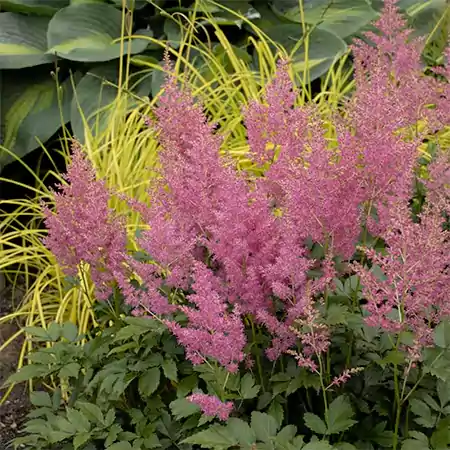
| Botanical Name | Astilbe spp. |
| Hardiness Zone | 3-9 USDA |
| Size | 1-3 feet tall and 1-2 feet wide. |
| Sun Exposure | Partial shade to full shade. |
| Soil Type | Moisture-rich, well-draining soil. |
| Features |
|
2. Bee Balm
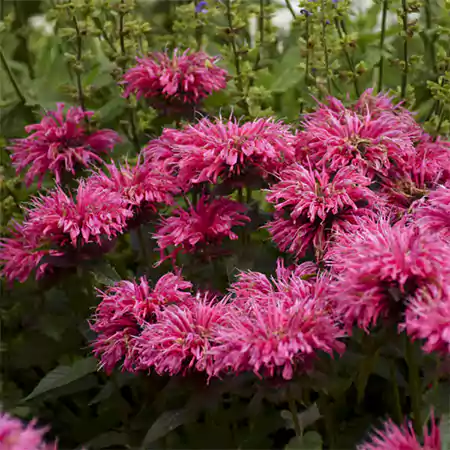
| Botanical Name | Monarda didyma |
| Hardiness Zone | 4-9 USDA |
| Size | 2-4 feet tall and 2-3 feet wide. |
| Sun Exposure | Full sun to partial shade. |
| Soil Type | Moisture-rich, well-draining soil. |
| Features |
|
3. Lamb’s Ear
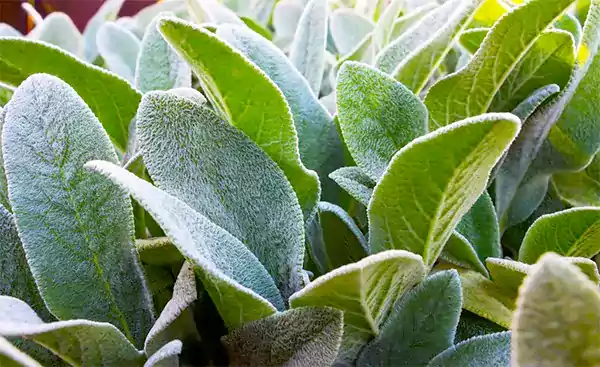
| Botanical Name | Stachys byzantina |
| Hardiness Zone | 4-9 USDA |
| Size | 6-12 inches tall and 12-18 inches wide. |
| Sun Exposure | Full sun to partial shade. |
| Soil Type | Well-draining sandy or loamy soil. |
| Features |
|
4. Creeping Juniper
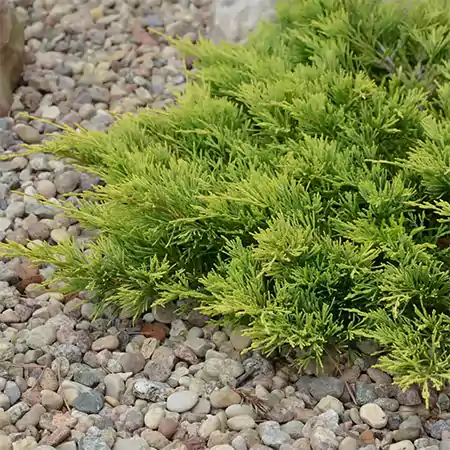
| Botanical Name | Juniperus horizontalis |
| Hardiness Zone | 3-9 USDA |
| Size | 6-18 inches tall and 4-8 feet wide. |
| Sun Exposure | It needs full sun to thrive. |
| Soil Type | Well-draining sandy or loamy soil. |
| Features |
|
5. Pink Muhly Grass
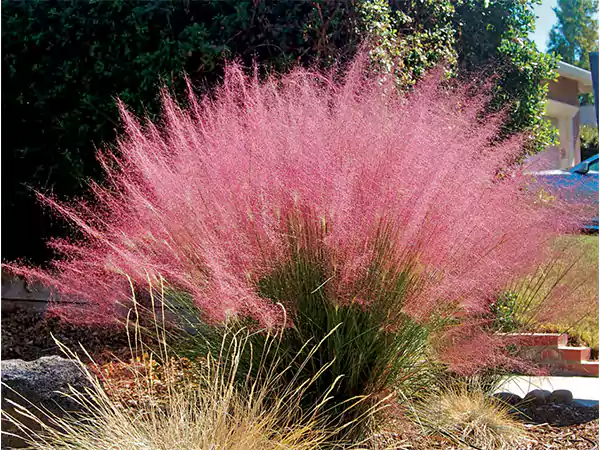
| Botanical Name | Muhlenbergia capillaris |
| Hardiness Zone | 6-9 USDA |
| Size | 2-4 feet tall and 2-3 feet wide. |
| Sun Exposure | Performs best under full sun. |
| Soil Type | Well-draining sandy or loamy soil. |
| Features |
|
Selecting these wildlife-proof groundcovers ensures these plants keep flourishing without being damaged, making your garden appealing and functional.
Deer-Resistant Shrubs
Shrubs bring texture, color, and a year-round display of greens and blooms to the landscapes. Here are a few mammal-proof shrubs that can elevate your garden appeal without the constant worry of damage.
1. Butterfly Bush
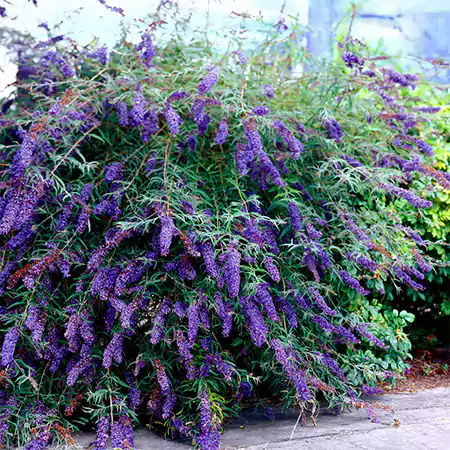
| Botanical Name | Buddleja davidii |
| Hardiness Zone | 5-9 USDA |
| Size | 6-12 feet tall and 4-15 feet wide. |
| Sun Exposure | Flourishes in full sun. |
| Soil Type | Well-draining soil. |
| Features |
|
2. Camellia
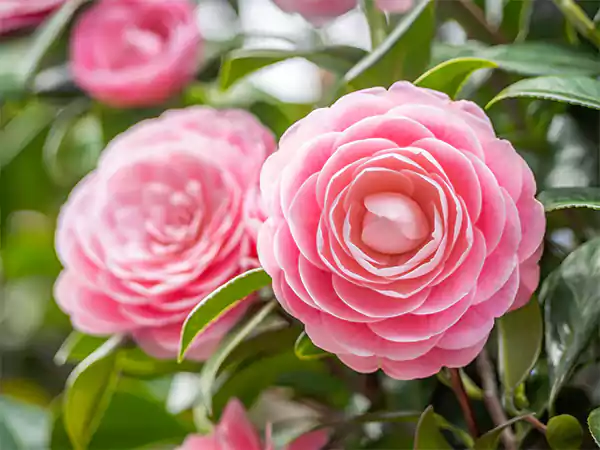
| Botanical Name | Camellia japonica |
| Hardiness Zone | 7-9 USDA |
| Size | 6-12 feet tall and 5-10 feet wide |
| Sun Exposure | Partial shade |
| Soil Type | Moist, organic-rich, well-draining soil with slightly acidic pH. |
| Features |
|
3. Viburnum
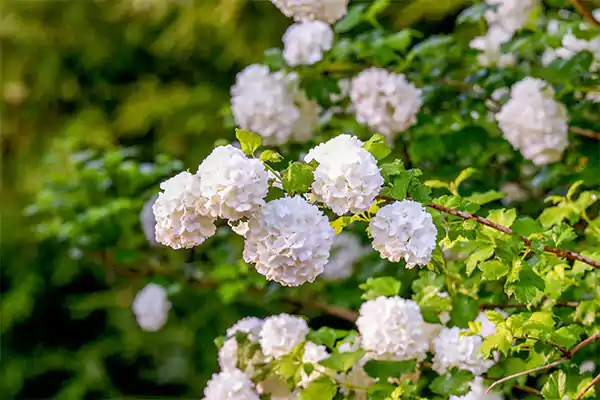
| Botanical Name | Viburnum spp. |
| Hardiness Zone | 3-9 USDA |
| Size | 3-12 feet tall and 3-10 feet wide |
| Sun Exposure | Full sun to partial shade. |
| Soil Type | Well-draining soil. |
| Features |
|
4. Wintergreen Boxwood
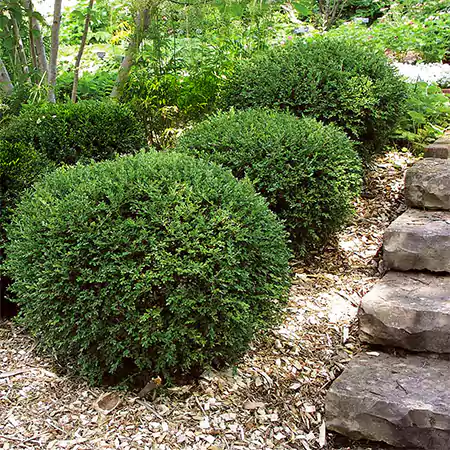
| Botanical Name | Buxus sempervirens |
| Hardiness Zone | 5-9 |
| Size | 2-20 feet tall and 2-8 feet wide. |
| Sun Exposure | Full sun to partial shade. |
| Soil Type | Well-draining, moisture-rich loamy soil. |
| Features |
|
5. Forsythia
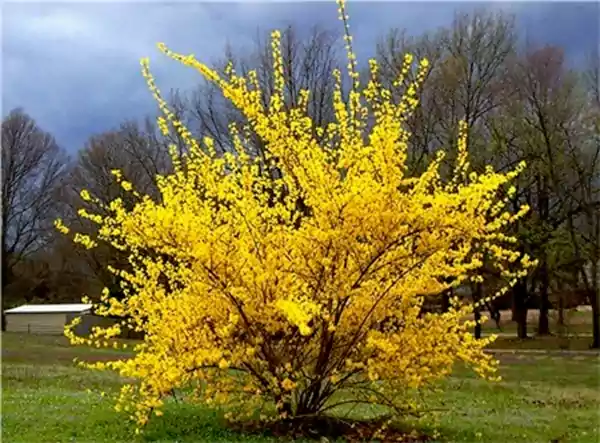
| Botanical Name | Forsythia spp. |
| Hardiness Zone | 5-8 USDA |
| Size | 6-10 feet tall and wide. |
| Sun Exposure | Full sun to partial shade. |
| Soil Type | Well-draining average soil. |
| Features |
|
These shrubs not only secure your garden landscapes, but also add privacy screens, seasonal blooms, textured leaves, and increase the overall curb appeal.
Deer-Resistant Trees
Trees bring height, stature, and long-term appeal to any landscape. Here are a few trees that you can grow without being worried about browsing by predators.
1. Sweet Bay Magnolias
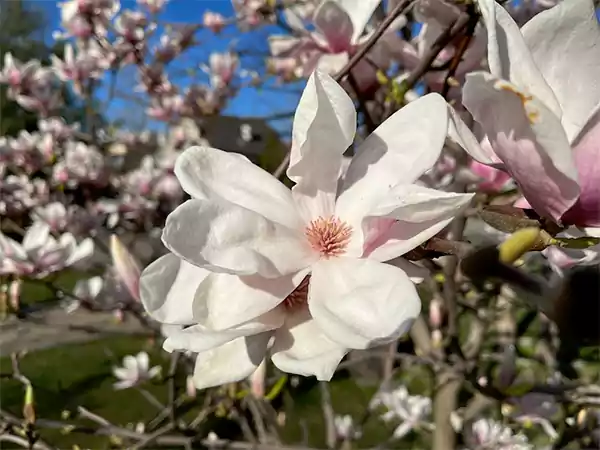
| Botanical Name | Magnolia virginiana |
| Hardiness Zone | 5-9 |
| Size | 10-35 feet tall and 10-20 feet wide. |
| Sun Exposure | Full sun to partial shade |
| Soil Type | Moist, acidic, well-draining soil. |
| Features |
|
2. Ginkgo
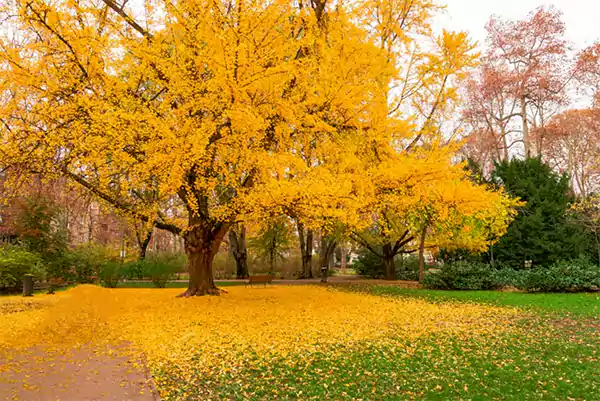
| Botanical Name | Ginkgo biloba |
| Hardiness Zone | 4-9 USDA |
| Size | 40-80 feet tall and 30-40 feet wide. |
| Sun Exposure | Full sun |
| Soil Type | Moist, well-draining soil |
| Features |
|
3. Colorado Blue Spruce
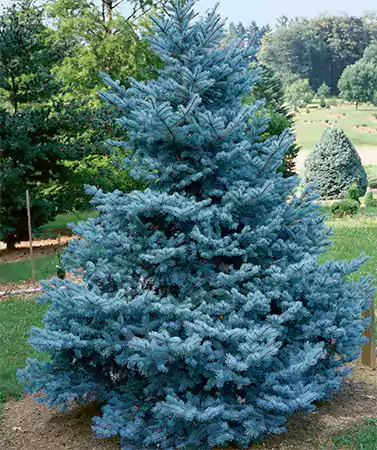
| Botanical Name | Picea pungens |
| Hardiness Zone | 2-7 USDA |
| Size | 30-60 feet tall and 10-20 feet wide |
| Sun Exposure | Full sun |
| Soil Type | Well-draining soil with slightly acidic to neutral pH. |
| Features |
|
4. Arborvitae
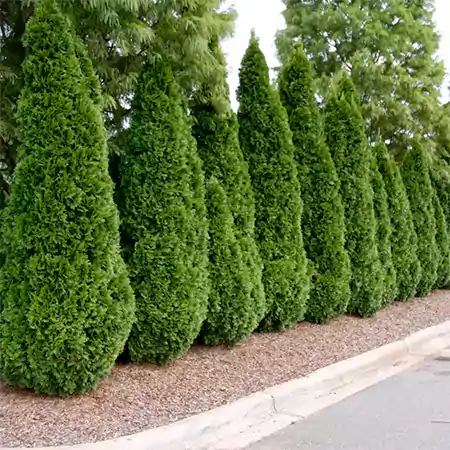
| Botanical Name | Thuja spp. |
| Hardiness Zone | 3-8 USDA |
| Size | 25-30 feet tall and 3-5 feet wide. |
| Sun Exposure | Full sun to dappled shade. |
| Soil Type | Moist, well-draining soil. |
| Features |
|
5. Cryptomeria Radicans
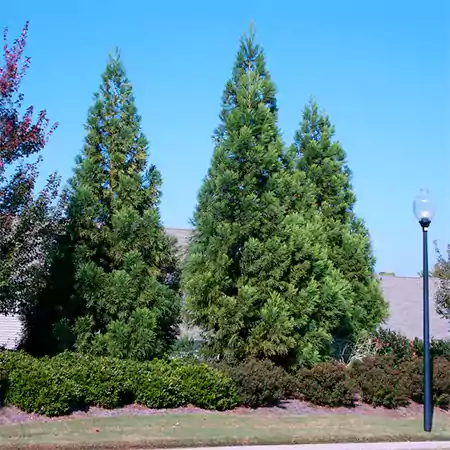
| Botanical Name | Cryptomeria japonica ‘ Radicans’ |
| Hardiness Zone | 5-9 USDA |
| Size | 30-40 feet tall and 15-20 feet wide |
| Sun Exposure | Full sun to partial shade |
| Soil Type | Moist, well-draining soil with slightly acidic pH. |
| Features |
|
By selecting these cultivars, you can craft your outdoor lawns and gardens into an inviting land with no tension of browsing wildlife.
Besides, you can uplift your indoor areas and outdoor balconies with planting vines like Clematis Vine, Passion Flowers, Star Jasmine, or Wisteria that add vertical interest, as well as being naturally unappealing to deer and rabbits.
Expert Tips to Deter Deer from Your Plants
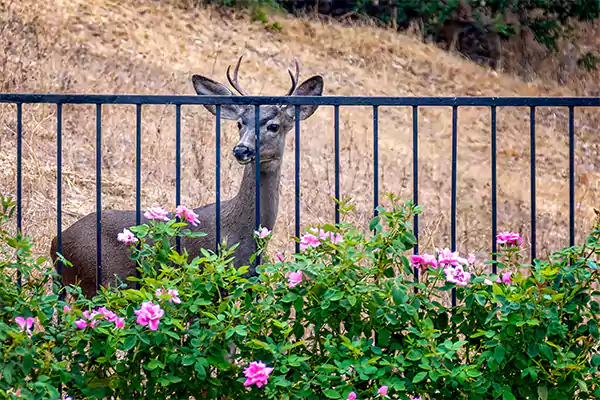
If you are tired of deer and other herbivores browsing through the garden and causing damage, there are several ways to repel them. Their prevalence depends on many factors, like seasonality and the availability of food in their habitat.
They generally feed on leaves, twigs, grasses, fruits, and nuts, especially during the spring when the blooms are at their peak, the young shoots, buds, and leaves attract them.
Here are a few man-made methods, along with pesticides and other repellents, you can use to deter them.
Fencing
An ideal fence should be about 8 feet tall, made of materials like woven wire or deer netting, which prevents them from jumping up. Ensure to install the fence properly with no gaps or holes.
Adding various visual cues, like flags or streamers, acts as a threat and prevents them from even approaching.
Deer Repellents and Fertilizers
Pesticides and repellents are beyond getting rid of fungus and gnats. Many of them are used to deter these selective feeders from your gardens.
Ranging from scent-based repellents, taste-based repellents, and electronic repellents to visual repellents, many options are available to stop them from entering your garden.
Startle Them
A few harmless ways to prevent them from browsing into your gardens are using motion-activated sprinklers, noise makers like wind chimes or bells, motion-activated bright lights, and scarecrows or decoys of predators. They are usually frightened by such noises and lights.
Use Companion Plantings
Many greens are unpalatable to these predators. Be it plants with poisonous compounds, spiny or bristly leaves, fuzzy textures, or strong aromas – planting such varieties near entrances and garden gates can keep these predators away.
Plant Higher
You can try planting the greens at a height unreachable to them. Besides, planting flowers and vegetables in containers on a porch, deck, or creating terrace or balcony gardens can keep these selective feeders away.
Keep Your Garden Clean
Remove all the dirt, debris, fallen fruits, spent blooms, and buds from your garden as these herbivores are attracted to the visible leftovers on the surface.
Also, trimming off the bushes and hedges reduces their chance to hide behind.
Using these methods, you can try to prevent the prevalence of not only deer, but also the small mammals and predators that feed on the greens.
Summary
Summing up, establishing greens that reflect beauty with benefits and harmony with nature at the same time is the key to a flourishing garden.
It becomes easier with deer-resistant flowers and plants, as they not only safeguard your landscape from unwanted browsing but also add texture, blooms, fragrance, and beauty.
Take a tour of this guide to explore plants that deter predators and allow you to enjoy without the constant worry of damage.
FAQs
What attracts the deer to the garden?
Mostly mammals and feeders are attracted to the gardens in search of food, shelter, and water, especially when the food source becomes limited and scarce.
Are deer attracted to Petunias and Geraniums?
No, Petunias and Geraniums are both considered to be predator-proof due to their aroma and texture.
Which is the most unappealing flower for deer?
A few unappealing flowers for them are Foxglove, Lavender, Aconites, Daffodils, and Yarrow.
Are deer-resistant flowers safe for pets?
Most of the mammal-proof plants are non-toxic, but a few, like Foxglove, Monkshood, Lilies, or Butterfly Milkweed, are toxic and can be dangerous for pets and humans.
- Deer-Resistant Plants for Homeowners – Michigan State University
- Ornamentals and Deer: Realities and Landscape Plant Options – Penn State Extension
- Deer Resistant Ornamental Plants for Your Garden – Montana State University
- Deer Resistant Plants – New York Botanical Garden