

There is a specific birth flower for all months, which is decided based on the meaning, the blooming season, and, most importantly, the cultural significance of these flowers. Every month has two flowers as birth flowers; one is the primary traditional one, and the second is the alternative that has been added over time. You can gift any of these flowers to yourself or friends, family, and loved ones to show your affection.
In this post, you will learn about the birth flower for all months, what birth flowers are, their history and origin, and also why there are two birth flowers for every month and how to select a birth flower.
Quick Answer
There are two birth flowers for all months: for January: Carnation; for February: Violet; for March: Daffodil; for April: Daisy; for May: Lily of the Valley; for June: Rose; for July: Larkspur; for August: Gladiolus and Poppy; for September: Aster; for October: Marigold; for November: Chrysanthemum; for December: Holly.
Birth Flowers for All Months: Quick Reference Chart
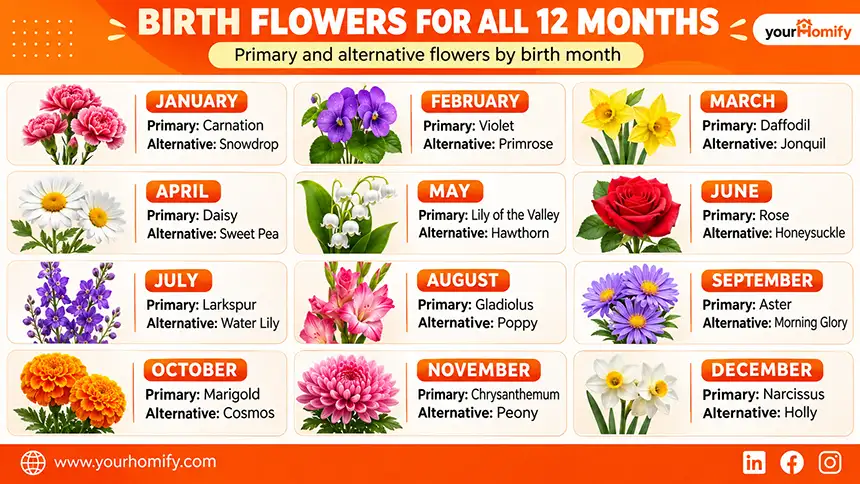
These flowers are not connected to these months randomly; each flower has been chosen based on availability and meaning.
Read the birth month flower chart that presents the primary flower, secondary flower, and their traditional meaning in one place.
| Month | Primary Birth Flower | Secondary Birth Flower | Traditional Meaning |
| January | Carnation | Snowdrop | Love, fascination, and hope |
| February | Violet | Primrose | Modesty, loyalty, and youthfulness |
| March | Daffodil | Jonquil | New beginnings, rebirth, and prosperity |
| April | Daisy | Sweet Pea | Innocence, purity, and gratitude |
| May | Lily of the Valley | Hawthorn | Happiness, sweetness, and hope |
| June | Rose | Honeysuckle | Love, passion, and affection |
| July | Larkspur | Water Lily | Positivity, lightness, and purity |
| August | Gladiolus | Poppy | Strength, remembrance, and peace |
| September | Aster | Morning Glory | Patience, love, and affection |
| October | Marigold | Cosmos | Creativity, passion, and joy |
| November | Chrysanthemum | Peony | Friendship, loyalty, and honesty |
| December | Narcissus | Holly | Rebirth, hope, and protection |
What Is a Birth Flower?
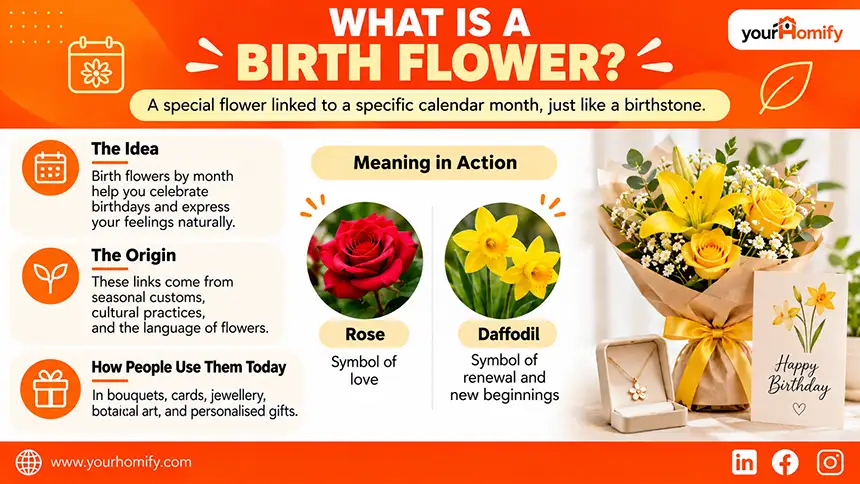
A specific flower has been traditionally associated with a particular calendar month, similar to the birthstone. Birth flowers by month offer ways to celebrate birthdays and communicate your feelings with the help of nature.
These associations come from a seasonal custom, cultural practice, and the flower language. For example, roses are connected with love, whereas daffodils are a symbol of renewal and new beginnings.
Today, people use these birth flowers in different ways, like bouquets, cards, jewellery, botanical illustrations, and also in making personalised gifts.
Birth Flowers by Month and Their Meanings
Each of the birth flowers for each month has some distinctive meaning and characteristics. Take a look at the descriptions of each month’s birth flower and how to use them in thoughtful birthday gifts.
January Birth Flower: Carnation and Snowdrop
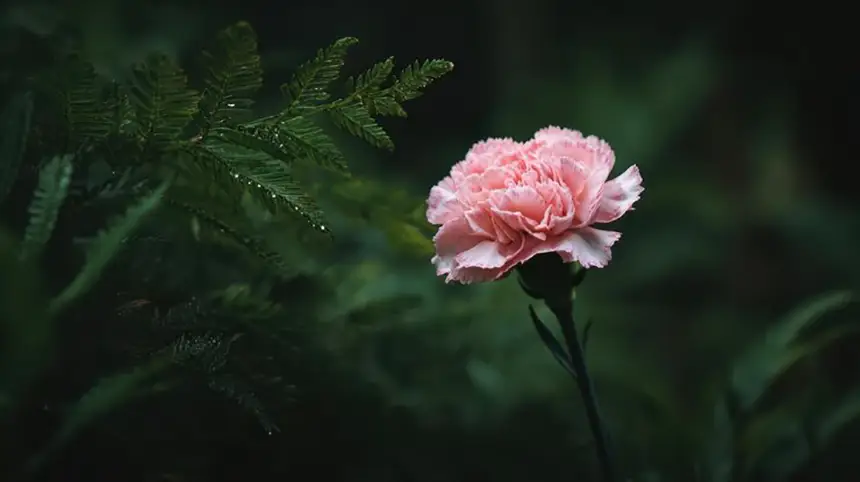
Carnation is the primary birth flower for January; this is recognised by its ruffled petals, slender stems, and different colors. Traditionally, this flower symbolises love, fascination, admiration, and devotion. Pink carnations are often gifted to show gratitude, whereas red carnations symbolise affection.
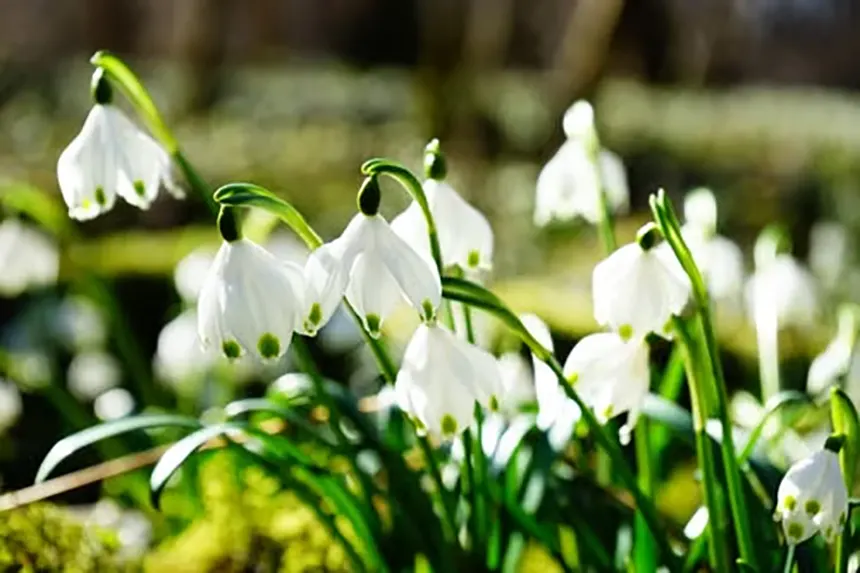
A secondary flower is the Snowdrop, which is a delicate, bell-shaped flower that grows in the cold; this makes it a symbol of hope and perseverance. These flowers express affection and encouragement in winter.
February Birth Flower: Violet and Primrose
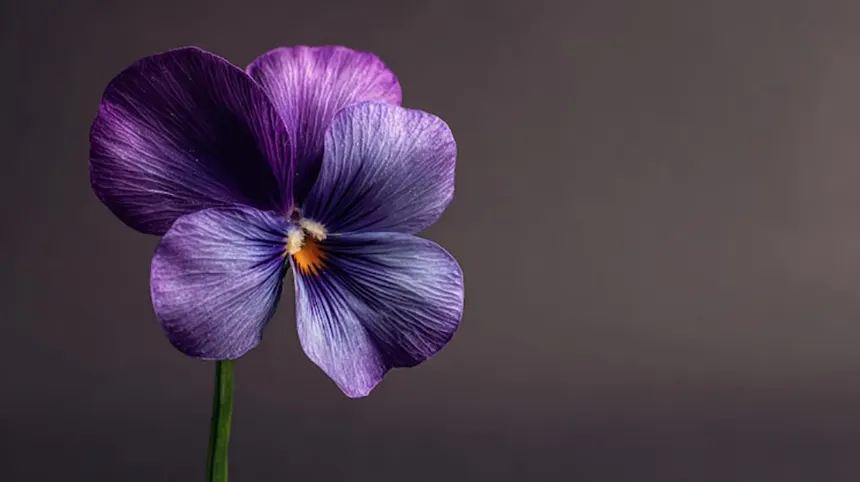
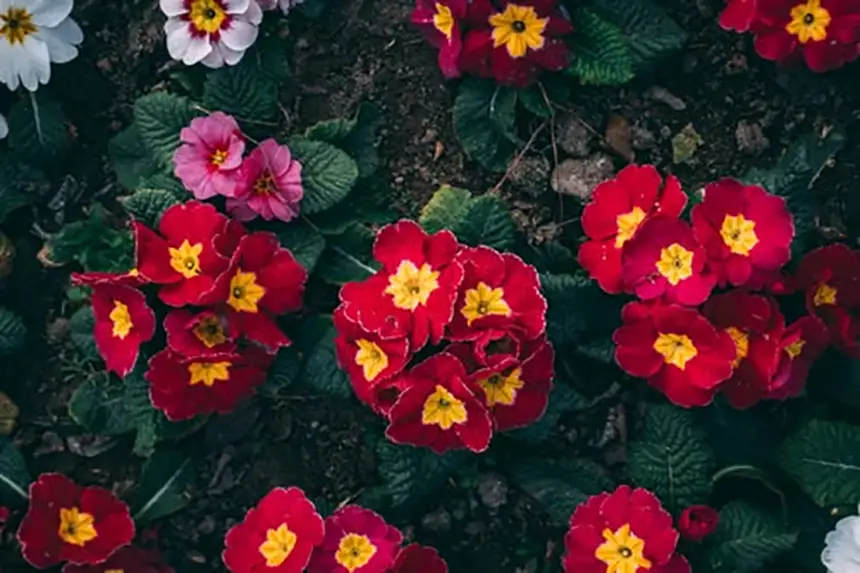
Violet is the primary birth flower for February; this flower produces small blossoms that are distinct from the heart-shaped leaves. These flowers are a symbol of modesty, faithfulness, humility, and loyalty. You can also gift a violet-inspired bouquet and botanical cards; it will be a thoughtful choice.
Whereas primroses are the secondary flowers that are known for their cheerful yellow, pink, and other-colored blooms, they bloom in the early spring and are associated with new beginnings, young love, and youthfulness. Although roses are a very popular choice for expressing love, primrose is used to express affection.
March Birth Flower: Daffodil and Jonquil
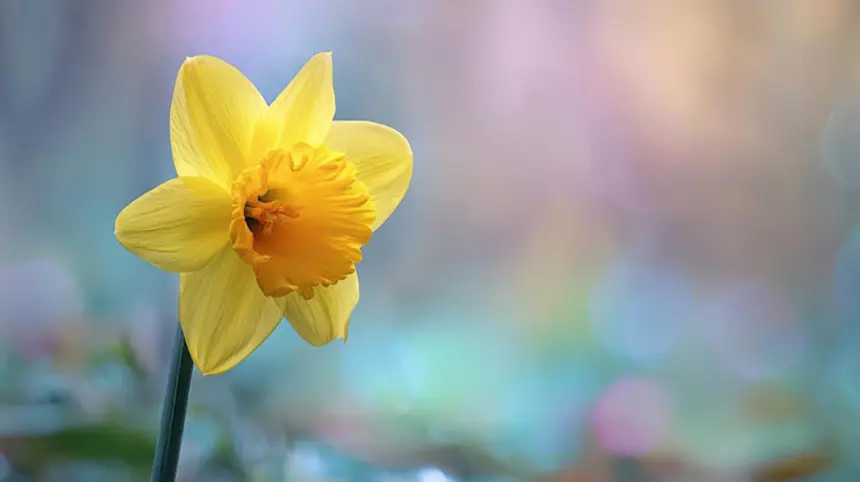
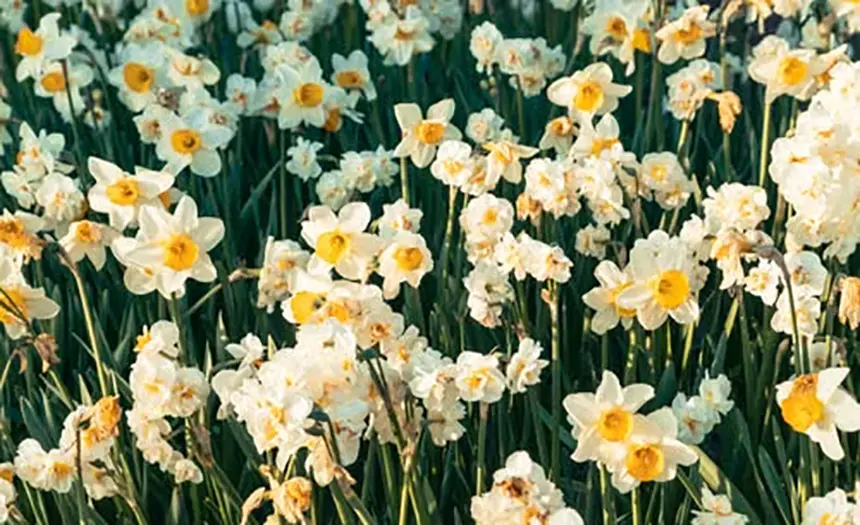
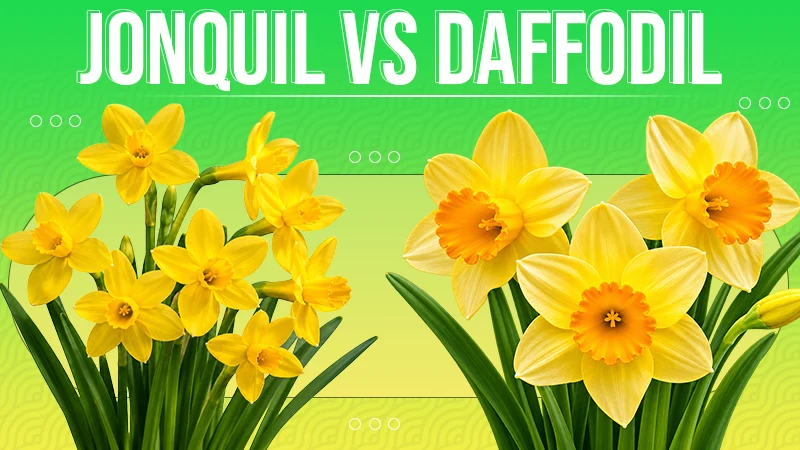
Daffodils are the primary flowers for March; they are recognized by the trumpet-shaped central cup and the surrounding petals that are yellow or white. This flower is a symbol of rebirth, hope, prosperity, and new beginnings, making it the best choice for a fresh start.
Jonquil flowers belong to the fragrant group; they are small in size with slender leaves and are traditionally associated with affection and the arrival of spring. These bouquets will make a cheerful March birthday gift. They will be the best option to wish someone a new chapter of their life.
Flower Fact
Daffodils are perennial bulbs, meaning they can return year after year under suitable growing conditions. This natural cycle of returning growth reinforces their association with renewal and hope.
April Birth Flower: Daisy and Sweetpea

Daisy will be the primary birth flower for april month, they are famous for the white petals and the bright yellow centers. They represent innocence, purity, cheerfulness, and new beginnings.
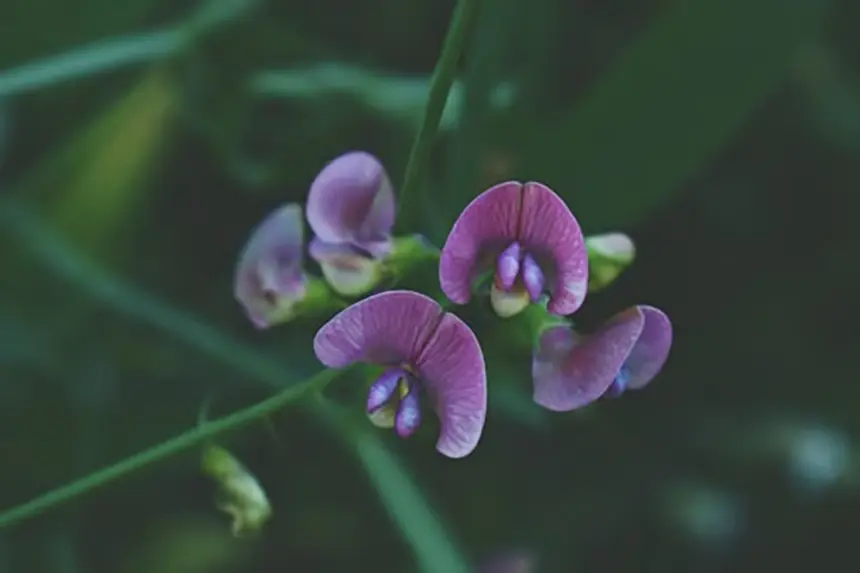
Sweet pea is the alternative flower for April. These are delicate, butterfly-shaped flowers that have a pleasant fragrance. They bloom in multiple shades, including pink, purple, white, and red; this flower symbolises gratitude, pleasure, and affectionate memories.
May Birth Flower: Lily of the Valley and Hawthorn
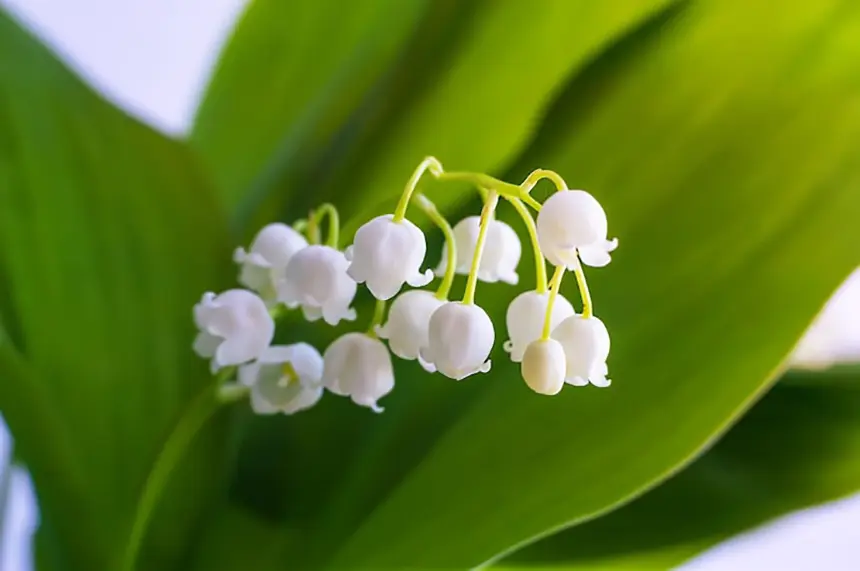
Lily of the valley is the primary birth flower for May; these are small, bell-shaped white flowers that have slender stems and a sweet fragrance with a delicate appearance. It symbolises humility, sweetness, and the return of happiness.
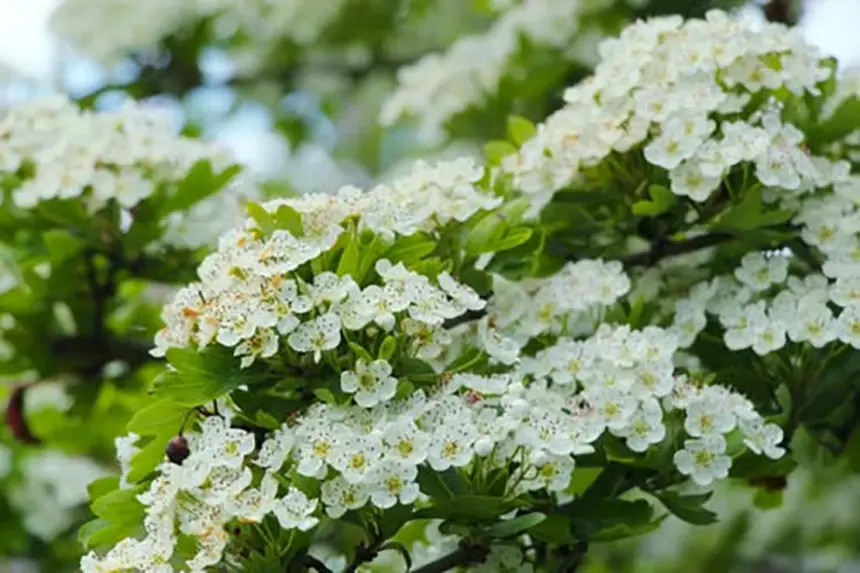
The secondary flower is hawthorn; these are shrubs or small trees that produce clusters of blossoms in spring, which represent hope, happiness, and seasonal renewal. It will be the best option for celebrating meaningful relationships and new beginnings.
June Birth Flower: Rose and Honeysuckle
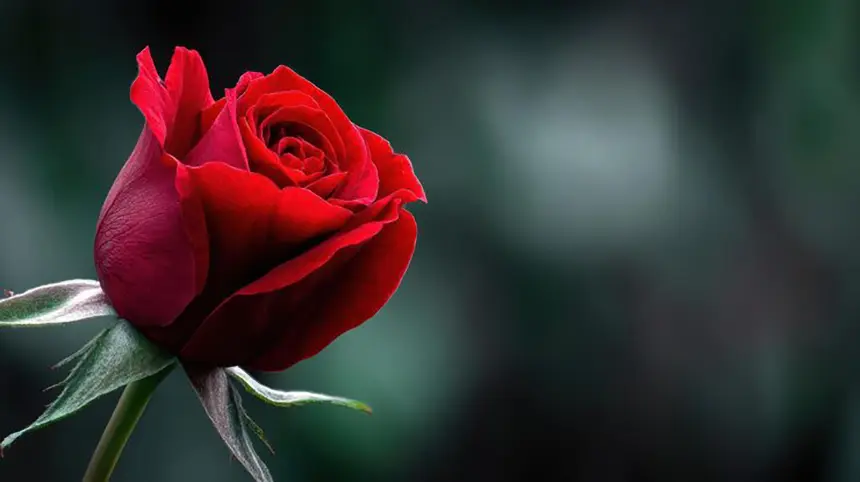
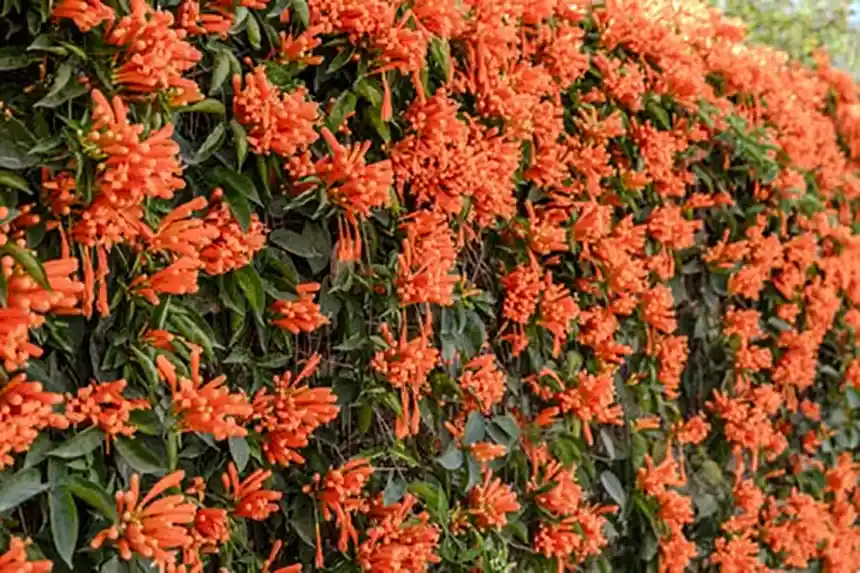
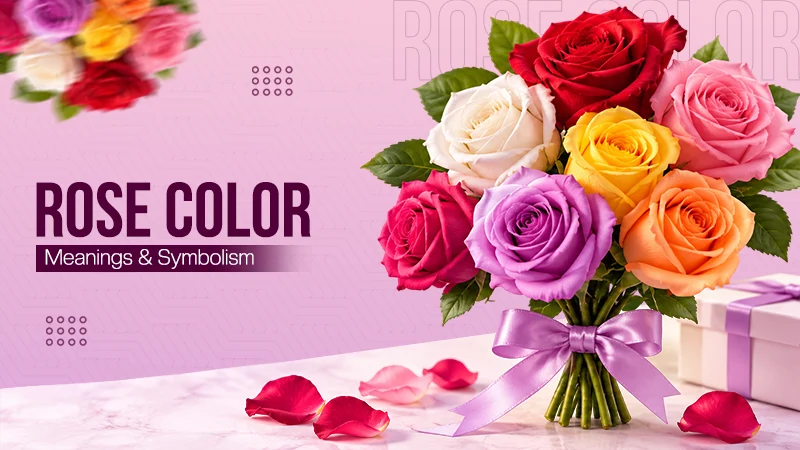
Roses and honeysuckle are the birth flowers for June; roses are layered petal flowers that have high fragrance and an extensive range of colours. These flowers symbolise love, beauty, honour, and devotion; red roses are an indication of romantic love, while pink roses are an indication of gratitude and admiration.
Honeysuckle produces fragrant, tubular blooms that attract pollinators with a sweet scent and a climbing growth habit makes it a symbol of affection, happiness and life long bond. Honeysuckle-inspired artwork offers an alternative for someone who loves gardening.
July Birth Flower: Larkspur and Water Lily
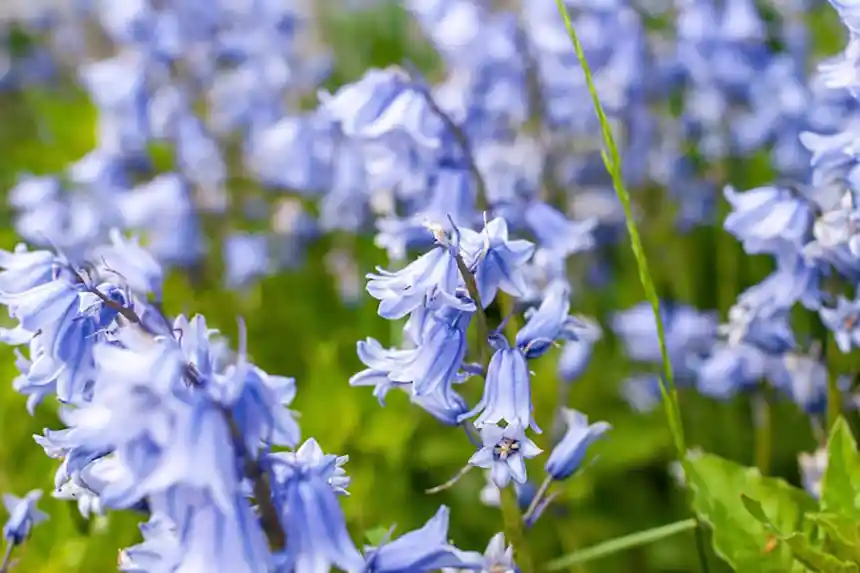
Larkspur is the primary birth flower of July; it is known for its tall spikes that are covered with flowers that often bloom in blue, purple, pink, or white. This flower symbolises positivity, an open heart, and lightness.
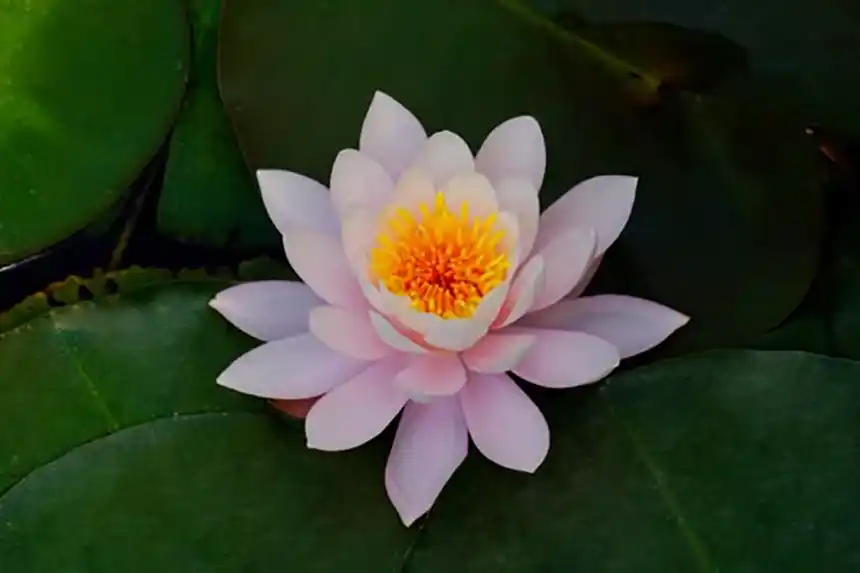
The alternative flower is the water lily, which traditionally symbolises purity, tranquility, and spiritual beauty. Gifting a colorful larkspur bouquet on the birthday can be a cheerful gift; gifting water lily artwork can be the best option for someone who appreciates peaceful natural scenery.
August Birth Flower: Gladiolus and Poppy
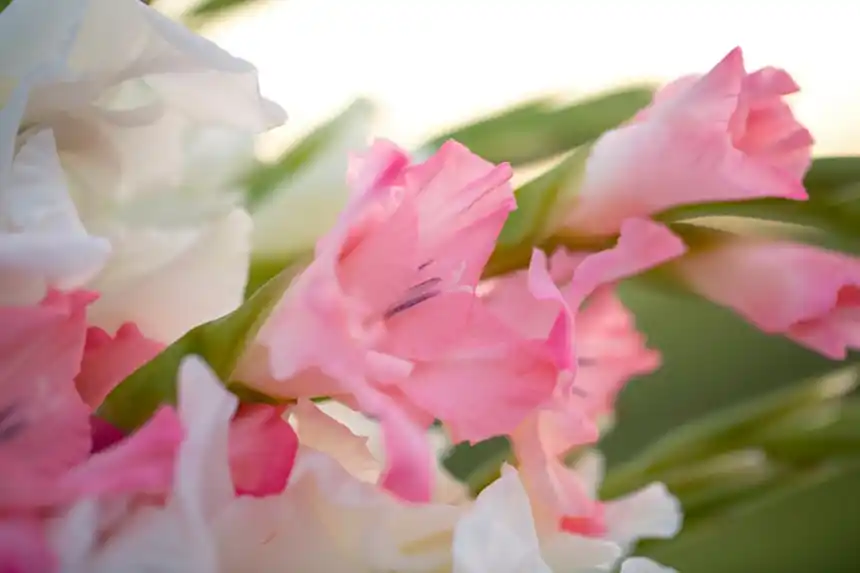
Gladioli are August’s primary birth flowers; they are recognised for their tall stems, sword-shaped leaves, and a row of colourful blossoms. This flower symbolises strength, integrity, honour, and determination.
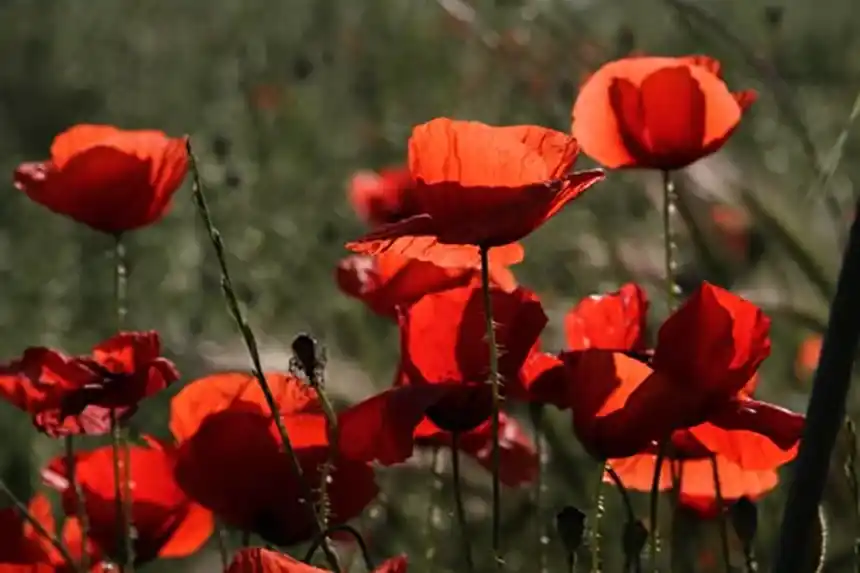
Poppies are the alternative option for August birth flowers. These flowers have delicate petals with a distinctive central structure. This flower is widely associated with remembrance, peace, and consolation, but it can change based on the species and the cultural context. Gifting arrangements can be the best gift for celebrating strength.
September Birth Flower: Aster and Morning Glory
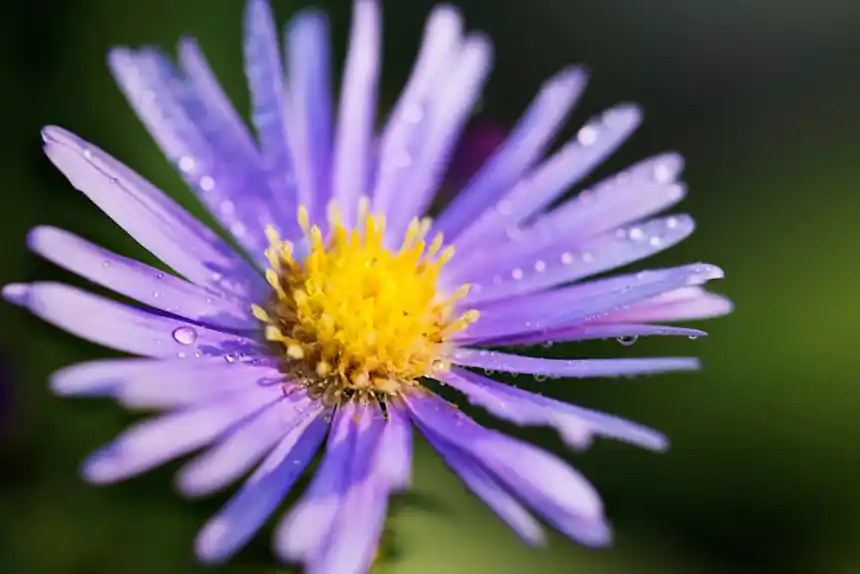
Aster flowers are the primary birth flowers for September; these are star-shaped flowers with a yellow central disc. They usually bloom in purple, pink, blue, and white colors; they represent patience, love, wisdom, and faith.
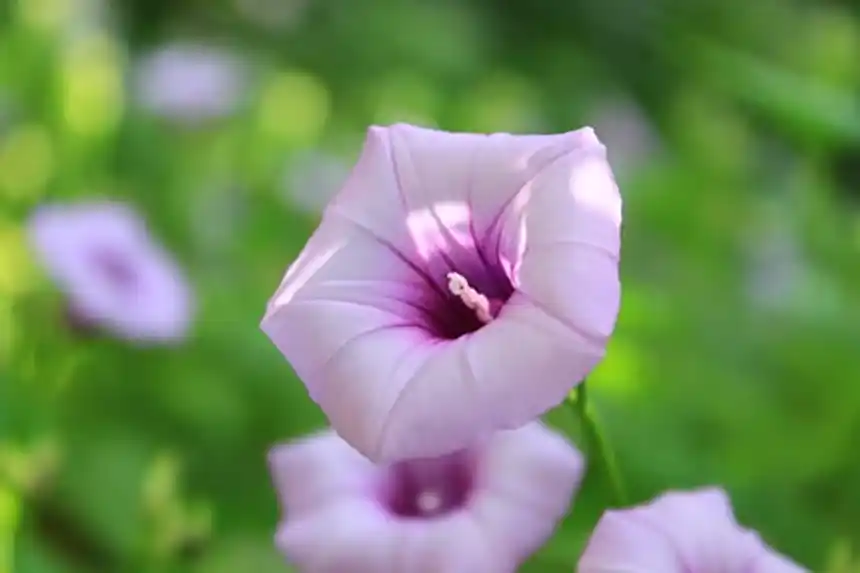
The secondary flower for September is the morning glory; these are climbing or trailing plants in trumpet shape that usually bloom in the morning. The meaning of this flower is associated with affection and feeling nature’s beauty. It is also an indication of the transition from summer to autumn in the Northern Hemisphere. Bouquets of purple aster plants make an attractive birthday bouquet.
October Birth Flower: Marigold and Cosmos
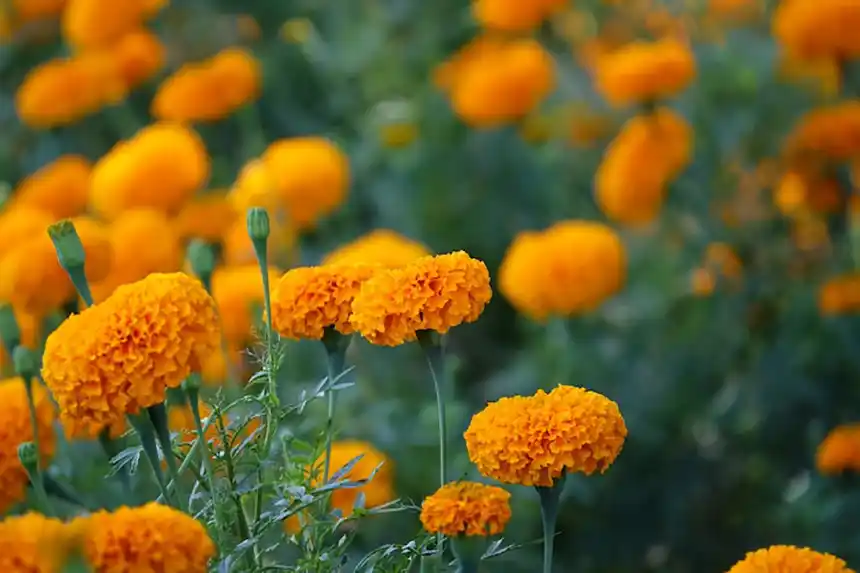
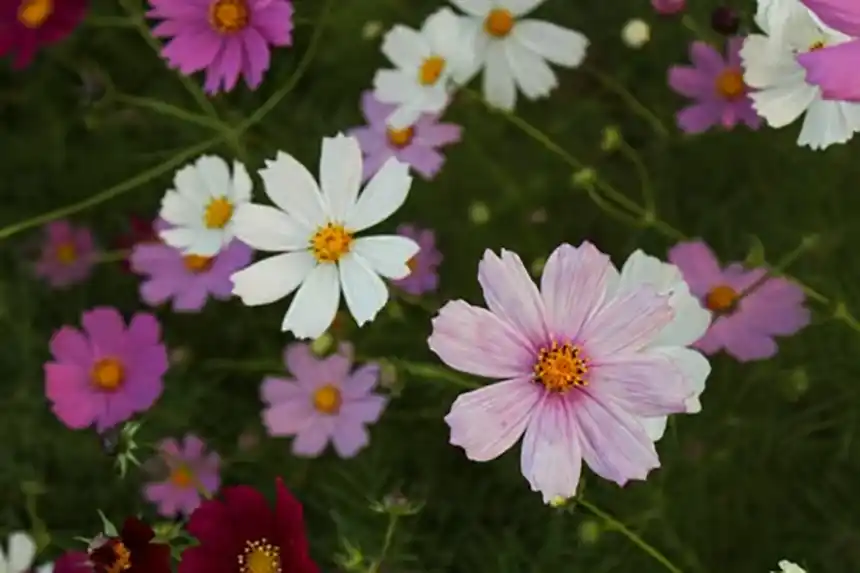
Marigold is the primary birth flower for October; it is known for their bright orange, yellow, and golden blooms. These flowers symbolise warmth, passion, creativity, and determination.
The alternative flower is the cosmos, which produces delicate daisy-like flowers in pink, white, and purple shades. This flower mainly represents balance and tranquility. The combination of orange marigold and pink cosmos makes a good cheerful bouquet.
Cultural Note
Marigolds have particular cultural significance in Mexico, where their colour and fragrance are traditionally associated with Día de los Muertos celebrations. Their symbolism is therefore broader than birthday gifting alone.
November Birth Flower: Chrysanthemum and Peony
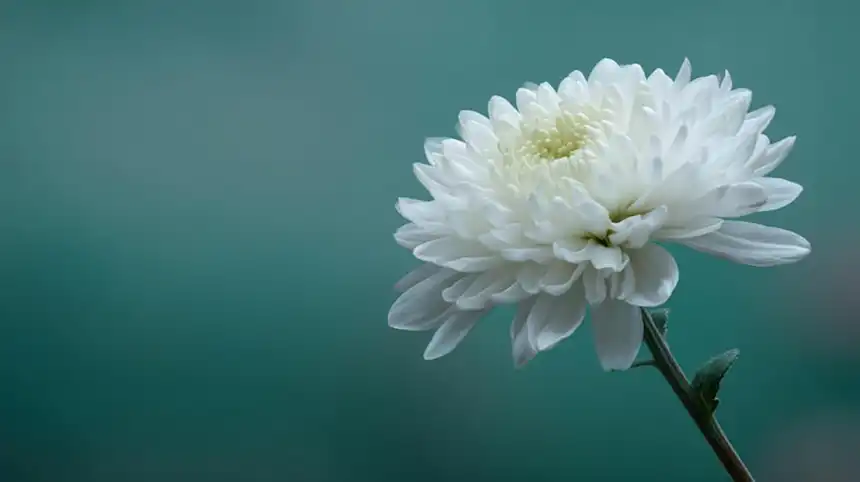
Chrysanthemum is the primary birth flower for November; traditionally, this flower symbolises friendship, loyalty, honesty, and happiness. This flower holds a very significant cultural impact in China and Japan.
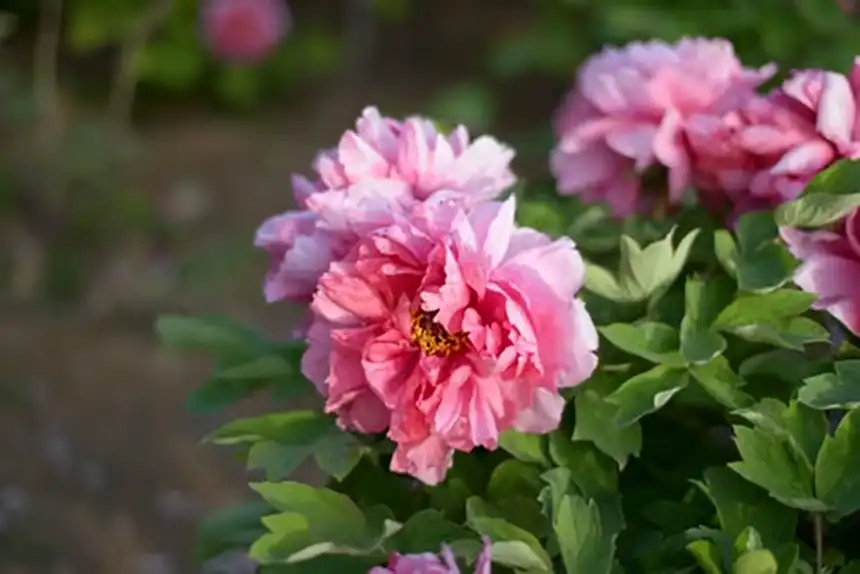
Peonies are the secondary birth flower for November; these are large, layered flowers that are known for prosperity, honour, romance, and good fortune. Peonies bloom at different times, so they may not be available during November.
December Birth Flower: Narcissus and Holly
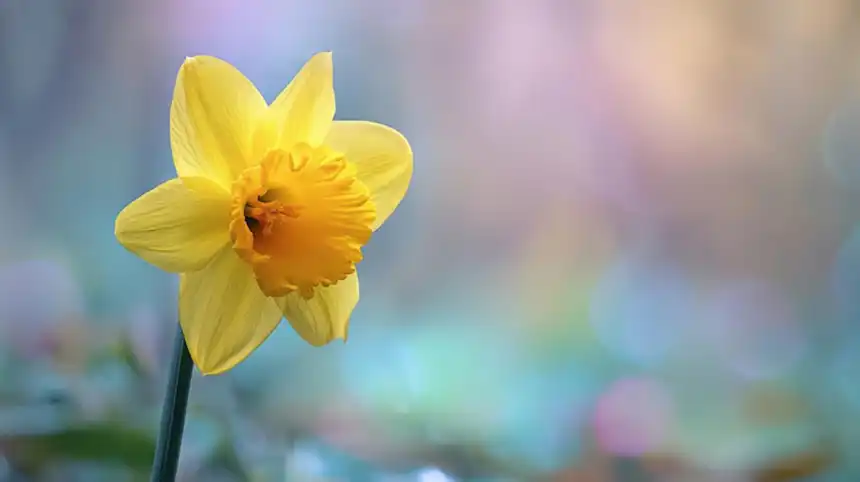
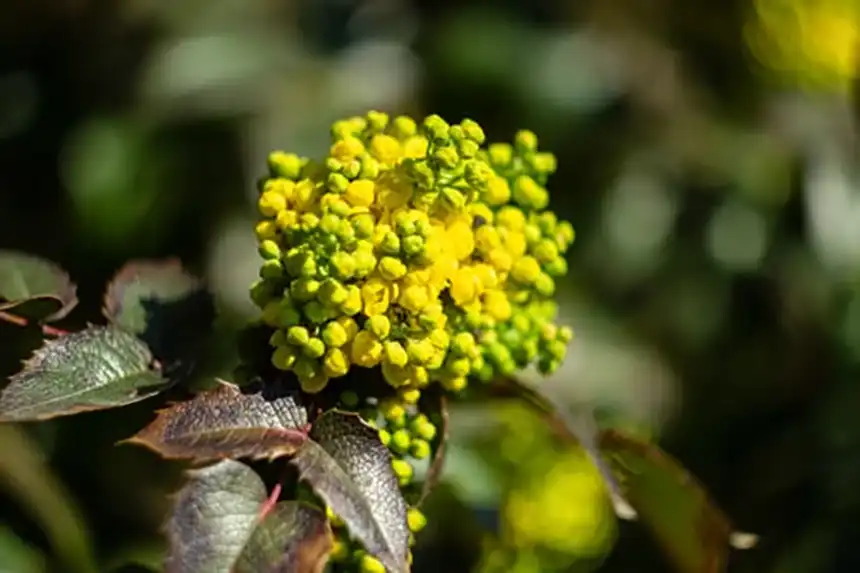
Narcissus is the primary birth flower for December; it is also known as the paperwhite flower. This plant produces a cluster of white flowers that have a noticeable fragrance, and it is a symbol of hope, renewal, and a new beginning.
Holly is the alternative option; it is an evergreen plant that is recognised by its glossy green leaves and red berries. Although it is not a flower literally, this flower symbolises protection, hope, and endurance. This flower is widely used in winter decoration. Paperwhite narcissus plants make beautiful bouquets; a handwritten note with it will make it more thoughtful.
Why Are There Two Birth Flowers for Some Months?
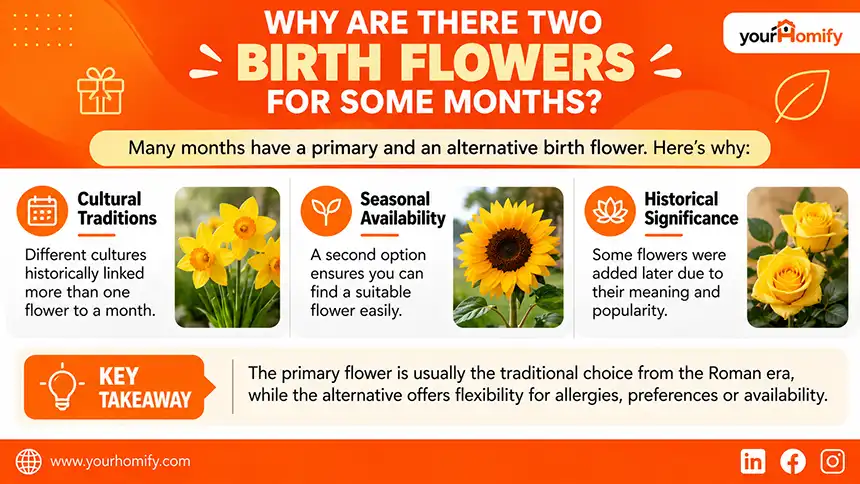
You will get to see primary and alternative birth month flowers in the chart; these are decided based on cultural traditions, seasonal availability, and the historical significance of the flower. However, these flowers are not universally applicable. Having alternative options makes it easier to select the flowers based on preference, availability, and symbolic meanings.
The primary flower is usually the flower that was decided in the Roman era; however, the alternative option can be used in case of allergies or preference.
History and Origins of Birth Month Flowers
Birth flowers originate in folklore, old floral customs, seasons, as well as the Victorian Language of Flowers. Ancient Romans had floral customs for festivals and religious rituals, although there isn’t much to support the fact that they created the modern birth flower chart.
Floriography especially became popular during the Victorian era to convey messages. Different flowers had different meanings; like a red rose represented love, meanwhile a violet represented modesty. This led to associations of meaning with birthday gifting and celebrations. People still celebrate with birth flowers, as they offer an outlet for people to share sentiments and love.
How to Choose Birth Flowers for Birthday Gifts?
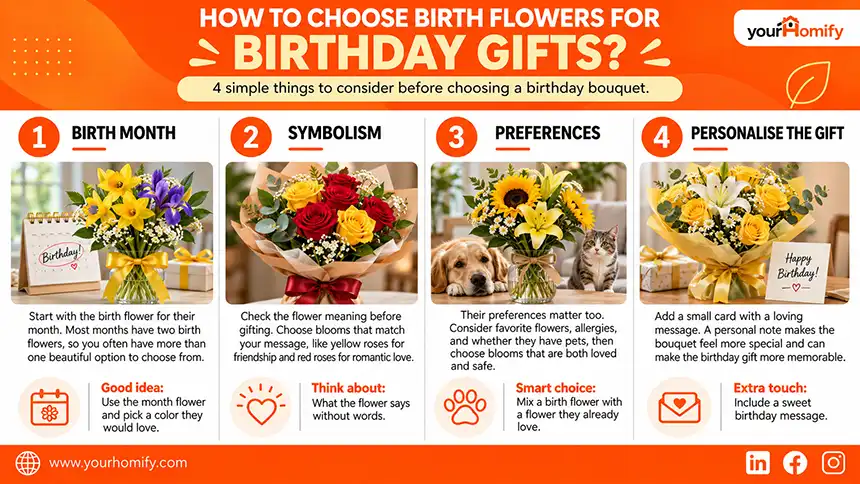
While choosing a flower birthday gift, consider these three things: first, the birth flower for the month; second, its symbolism; third, the preferences of the person you are gifting these flowers to, and the message.
Read about these points in detail to know which flower is the best.
Birth month: Firstly, select the flowers based on the birth month =, each month usually has two flowers, meaning you have two options, and if the flowers are available in different colors, then it is better.
Symbolism: Now you should check the symbolism of the flower, which flower matches your intention, like you must give yellow roses to your friends and red roses to your partner.
Preferences: While the significance and birth months are important, you should consider things like the receiver’s preferences, their allergies, and if the receiver has a pet, then ensure the flowers are pet-safe. You can make a bouquet with a birth month flower and the flower they love to show your affection.
Personalise the Gift: Add a card for the person; even a small card with a loving message can make it more personal and make the receiver feel extra happy.
Interesting Fact
The language of flowers and the birth flower tradition are related, but they are not identical. Floriography assigns meanings to individual flowers, while birth flower charts connect selected flowers to calendar months. A flower’s symbolic meaning can therefore remain consistent
Conclusion
There is a unique birth flower for each of the 12 months, and there is a specific story and meaning associated with each flower. Birth flowers for January include the carnation and the snowdrop. Flowers for December include the holly and the narcissus. Giving flowers with these special symbols adds more thought and meaning to birthdays. Regardless of the reason, it is always a sweet gesture to give flowers that signify the birth month.
FAQs
What are the 12 birth month flowers?
Birth month flower for january is carnation and snow drop, february, violet and primrose, march daffodil and jonquill, april daisy and sweetpea, for may lily of the valley and hawthorn and for june rose and honeysuckle.
Is there an official flower for each month?
No, traditionally there is a birth month flower for every month similar to the birthstone. Every month has two birth flowers: a primary and an alternative flower. These flowers were connected to the month based on their meaning.
Are there two birth flowers for every month?
Yes, there are two birth flowers for every month: a primary and an alternative, like for January: carnation is primary, and snapdragon is alternative. For February, violet is primary, primrose is alternative, and so on.
What are the flowers of the month for each month?
The flowers of the month are carnation for January, violet for February, daffodil for March, daisy for April, lily of the valley for May, rose for June, larkspur for July, gladiolus for August, aster for September, marigold for October, chrysanthemum for November, and narcissus for December.
What are the official birth flowers for each month?
The official birth flower for January is the carnation; for February, violet; for March, daffodils; for April, daisy; for May, lily of the valley; for June, rose; for July, larkspur; for August, gladiolus; for September, aster; for October, marigold; for November, chrysanthemum; and lastly, for December, narcissus.
- What is the flower of each birth month?– Yahoo Lifestyle